
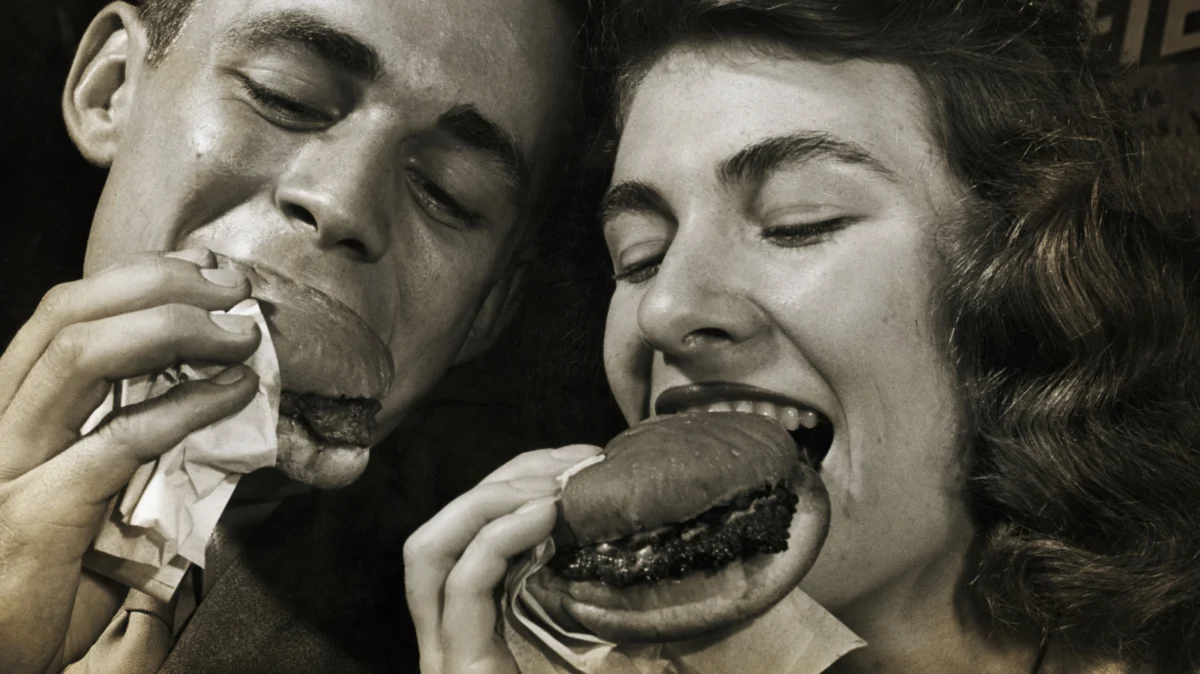
The American fast-food landscape is a dynamic arena, constantly reshaped by evolving consumer tastes, aggressive market competition, and the relentless expansion of industry giants. While McDonald’s, Burger King, and Hardee’s continue to dominate, a significant number of once-popular burger chains have faded into memory, leaving behind a rich legacy of culinary nostalgia and business lessons. This article delves into the history and eventual decline of fifteen such establishments, exploring the factors that led to their disappearance and their lasting impact on the fast-food culture.
The Golden Age of Burger Innovation and Competition
The mid-20th century marked a period of explosive growth for the American fast-food industry. Following the success of pioneers like White Castle, entrepreneurs across the nation recognized the immense potential of standardized, affordable, and convenient dining options. This era saw the birth of numerous burger chains, each vying for a share of the burgeoning market. Many of these ventures offered innovative concepts, unique menu items, and distinctive branding, fostering intense competition that, while driving progress, also sowed the seeds for future consolidation and elimination. The rise of the automobile culture further fueled this expansion, with drive-in restaurants becoming cultural hubs and essential stops for families and young people alike.
Burger Chef: The Pioneer of the Value Meal
Burger Chef, established in the 1950s, is often credited with introducing the concept of the "combo meal" – the now-ubiquitous pairing of a burger, fries, and a drink. This innovative approach to value pricing set a standard that would be emulated by competitors for decades. At its zenith in the late 1970s, Burger Chef boasted over 650 locations across the United States, a testament to its popular appeal. Its signature "Big Shef" burger was frequently compared to the McDonald’s Big Mac, and its pioneering "fixings bar" allowed customers to customize their burgers with a variety of toppings, a precursor to today’s build-your-own concepts. However, the increasingly crowded fast-food market proved a formidable challenge. In the 1980s, Hardee’s acquired Burger Chef, and its remaining restaurants were gradually rebranded, marking the end of an era for this influential chain.
Burger Queen: A Royal Challenger
Emerging in 1956 in Winter Haven, Florida, Burger Queen styled itself as a regal competitor to the established Burger King. By 1974, the chain had expanded to 65 U.S. locations, and by the end of the decade, it had ventured into international markets, including Canada, Taiwan, and the U.K. Beyond its titular burgers, like the substantial Imperial Burger, Burger Queen also offered popular fish and chips options, diversifying its appeal. While the Burger Queen brand itself eventually faded, its corporate entity evolved. In the 1980s, it rebranded as Druther’s, and by 1990, it became a significant territory operator for Dairy Queen. Although the original burger concept is gone, the company’s operational legacy continues through its management of Dairy Queen franchises in several states.
Gino’s Hamburgers: A Gridiron to Grill Success Story
The trend of athletes venturing into the food industry found an early champion in Gino’s Hamburgers. Co-founded in the 1950s by NFL defensive end Gino Marchetti and fellow football player Alan Ameche, Gino’s rapidly grew into a formidable presence. At its peak, the chain operated over 300 locations, becoming a beloved destination for families seeking affordable burgers and fries throughout the 1960s and 1970s. Patrons often lauded Gino’s burgers as superior to those of its larger competitors, and the chain also gained a reputation for its fried chicken. The competitive pressures of the era, however, proved too great. In 1982, Marriott Corporation acquired Gino’s Hamburgers, and all its locations were converted into Roy Rogers Restaurants, effectively ending the Gino’s brand.
Geri’s Hamburgers: A Former Executive’s Vision
Geri’s Hamburgers, founded in the 1960s by a former McDonald’s vice president, aimed to replicate and improve upon the success of the golden arches. Initially established in Rockford, Illinois, Geri’s expanded across northern Illinois and into Wisconsin. While not as large as the industry giants, with around 13 locations by 1980, it garnered a loyal local following who praised its burgers. The chain featured a vibrant red branding, mirroring McDonald’s’ use of bold colors, and offered a similar menu of burgers, fries, shakes, and sodas. Despite its local popularity and the affection of its patrons, Geri’s Hamburgers ultimately succumbed to market challenges, collapsing by 1981. A few locations persisted for a time, but the final restaurant closed in the late 1990s.
Milligan’s Beefy Burgers: The Era of the Penny Burger
In an era where fast-food burgers now frequently exceed $5, it’s astonishing to recall a time when prices were dramatically lower. Milligan’s Beefy Burgers, founded in the 1940s in Florida, offered an incredible value proposition. In the 1960s, customers could purchase a beef burger for mere pennies, with twelve burgers costing less than a dollar. The chain, with 16 locations in Florida by the mid-1960s, was reportedly serving around five million burgers annually. Beyond its famously inexpensive burgers, Milligan’s was also renowned for its legendary cream pies. However, like many smaller chains, Milligan’s struggled to compete with the expanding empires of McDonald’s and Burger King. The chain closed its doors in 1974, taking its incredibly low-priced burgers with it.
White Tower: A Close Encounter with White Castle
White Tower, established in 1926 by John E. and Thomas E. Saxe in Milwaukee, was a direct response to the success of White Castle, one of the nation’s first fast-food burger chains. Founded just five years after White Castle’s inception, White Tower was a clear imitation, adopting a similar business model of offering affordable, clean, and family-friendly beef burgers. By the 1950s, White Tower had grown to approximately 230 restaurants. White Castle, recognizing the infringement, took White Tower to court. The legal battle resulted in the Saxe brothers being ordered to pay a significant sum and cease their imitation branding. While legal action was a blow, the primary factor in White Tower’s demise was its failure to adapt to changing consumer tastes and modern market trends, leading to its decline by the mid-1970s.
Wimpy: A Cartoon Character’s Culinary Legacy
The iconic comic strip character J. Wellington Wimpy, known for his insatiable appetite for hamburgers, provided the inspiration for the Wimpy chain, founded by Edward Gold in the 1930s. Beginning in Indiana and quickly expanding to Chicago, Wimpy became a sensation. By 1940, the chain was selling an estimated eight million burgers in the Chicago area alone. Patrons have fond memories of Wimpy’s distinctive steamed burgers, generously topped with cheese and fried onions. The chain faced significant challenges following Gold’s death in the late 1970s, struggling to find new leadership. While Wimpy ceased operations in the U.S., its brand found renewed life and continues to operate numerous outlets in the United Kingdom, where it had expanded in the 1950s.
Henry’s Hamburgers: A Drive-In Dream
Henry’s Hamburgers emerged in the 1950s in Chicago, founded by Bressler’s Ice Cream Company, which sought to capitalize on the booming drive-in culture. The chain’s franchise model proved highly successful, enabling it to spread across the country and boast over 200 locations by the 1960s. Like many contemporaries, Henry’s offered affordable beef burgers, often sold by the bag, becoming a popular stop for students after school and families on weekends. Some former customers claim Henry’s burgers rivaled those of McDonald’s in taste and quality. However, by the 1970s, Henry’s Hamburgers, much like White Tower, struggled with modernization and adapting to evolving consumer preferences. Bressler’s Ice Cream Company eventually closed many of its locations. Remarkably, a single Henry’s Hamburgers restaurant perseveres today in Benton Harbor, Michigan, a testament to its enduring appeal.
Wetson’s: A Local Rival to the Golden Arches
Inspired by a visit to a McDonald’s in California, brothers Herb and Errol Wetanson launched Wetson’s in Levittown, New York, in 1959. The chain adopted a similar model, complete with clown mascots, aiming to provide New Yorkers with a local alternative to the burgeoning fast-food giant. Wetson’s achieved moderate success, expanding to over 70 locations across New York within fifteen years. Its burgers, priced at a mere $0.15, were often described as larger and comparable in taste to the McDonald’s Big Mac. However, when the authentic McDonald’s brand eventually arrived in force, Wetson’s found itself unable to compete. The chain merged with Nathan’s, another New York fast-food favorite, but ultimately, Nathan’s decided to close all Wetson’s locations permanently.
Carrols: Targeting Families on the East Coast
Carrols, a burger chain founded near Syracuse, New York, entered the competitive fast-food scene in the 1960s with a strong focus on family appeal. Its marketing efforts emphasized creating a clean and fresh dining environment, encouraging children to visit for after-school treats. This strategy resonated with many, who recall fondly spending time at Carrols, enjoying thick milkshakes and the signature "Club Burger." This hefty offering, featuring two beef patties, the chain’s special dressing, lettuce, onions, cheese, pickle, and ketchup, was considered by many to be superior to McDonald’s fare. Ultimately, Carrols’ downfall came at the hands of Burger King. The increasing proximity and aggressive expansion of Burger King locations severely impacted Carrols’ sales. In the 1970s, founder Herb Slotnick made the decision to sell the chain to Burger King.
Dee’s Hamburgers: A Utah Favorite
Dee Anderson’s entrepreneurial journey began at the tender age of 16 when he realized his hamburgers were superior to those sold by his peers at a carnival in Ephraim, Utah. This early success spurred him to open his first drive-in restaurant in Salt Lake City in the early 1930s. Dee’s Hamburgers quickly became a beloved institution in Utah, known for its good, affordable burgers, clean facilities, and fun atmosphere, enhanced by clown mascots and catchy jingles. In an era before major national chains like McDonald’s dominated the landscape, Dee’s faced limited competition. At its peak, the chain operated over 50 locations across the state. Dee’s managed to navigate the fast-food boom and even held its own against McDonald’s. However, upon Anderson’s retirement in the 1980s, his family sold the chain to Hardee’s, leading to its eventual closure.
Sandy’s: A Scottish-Themed Contender
In the 1950s, four businessmen in Illinois sought to fill a perceived market gap for a Scottish-themed fast-food chain, complete with a scantily-clad mascot named Miss Sandy. This narrative, however, is partly apocryphal. The true genesis of Sandy’s lay in the businessmen’s initial venture into opening McDonald’s franchises in central Illinois. When they encountered territorial disputes regarding their expansion into Decatur and Peoria, they pivoted, using these locations to establish Sandy’s. The chain adopted the successful McDonald’s model of offering affordable burgers and fries, though its theme was Scottish rather than its menu. By 1966, Sandy’s had expanded to over 120 locations across five states. The 1970s saw Sandy’s merge with Hardee’s, and eventually, all its original restaurants were rebranded, marking the end of Miss Sandy’s reign.
Doggie Diner: Iconic Dog Heads and Bay Area Nostalgia
The San Francisco Bay Area was once adorned with distinctive giant, fiberglass dog heads, the iconic branding of Doggie Diner. Founded in the 1940s, this burger and hot dog chain was a local favorite, celebrated for its fun, child-friendly branding and, more importantly, its delicious food. Families and couples frequented Doggie Diner throughout the 1970s, enjoying not only its burgers but also its highly regarded hot dogs, pastrami sandwiches, fries, and shakes. The arrival of McDonald’s in the area in the 1970s, however, marked the beginning of the end for Doggie Diner. The chain attempted to rebrand and shed its distinctive dog heads in an effort to remain relevant, but these efforts were ultimately unsuccessful. The last Doggie Diner closed in 1986. There are plans for a revival of one location in San Francisco, aiming to bring back the beloved dog head mascot and classic menu items.
Little Tavern: Miniature Burgers and European Charm
Little Tavern, a burger chain operating in the Washington D.C. area, distinguished itself with its unique branding and product. Founded in the 1920s, its small, distinctive locations featured sloping, European-style green roofs, which some likened to Swiss chalets or Tudor architecture. This aesthetic was decidedly "un-American" compared to the typical fast-food branding of the era. Equally distinctive were its burgers, which were approximately a quarter of the size of modern fast-food burgers. Despite their miniature stature, these burgers were immensely popular, often sold by the bag and consumed by patrons on their way from school or at drive-in movies. The chain began to decline in the 1980s after founder Harry F. Duncan sold the business. While some locations persisted, the last Little Tavern closed in Southeast Baltimore in 2008, ending a decades-long run.
Red Barn: The Rural American Experience
Red Barn restaurants were instantly recognizable by their large, red, barn-style architecture, evoking a sense of rural America. Founded in Columbus, Ohio, in the early 1960s, the chain was celebrated for its countryside theme and affordable menu. Customers could purchase hamburgers for just $0.15, alongside other budget-friendly options like fish sandwiches, chicken dinners, and grilled cheese. The "Barn Buster," a quarter-pound patty loaded with various toppings and signature sauce, was a particularly popular item. Red Barn achieved significant scale, with 400 locations across 22 states and international outposts in Canada and Australia. However, like many other chains, Red Barn ultimately could not withstand the dominance of McDonald’s. In the 1980s, the parent company, Big Barn, filed for bankruptcy, signaling the end of this once-popular burger chain.
The history of these defunct burger chains offers a compelling narrative of the fast-food industry’s evolution. From pioneering innovations in value pricing and menu offerings to succumbing to the overwhelming market power of larger competitors, their stories are a testament to the constant flux and fierce competition that defines the American culinary landscape. While these establishments may no longer serve their signature burgers, their influence can still be felt in the enduring appeal of the fast-food burger and the consumer expectations they helped shape.
