
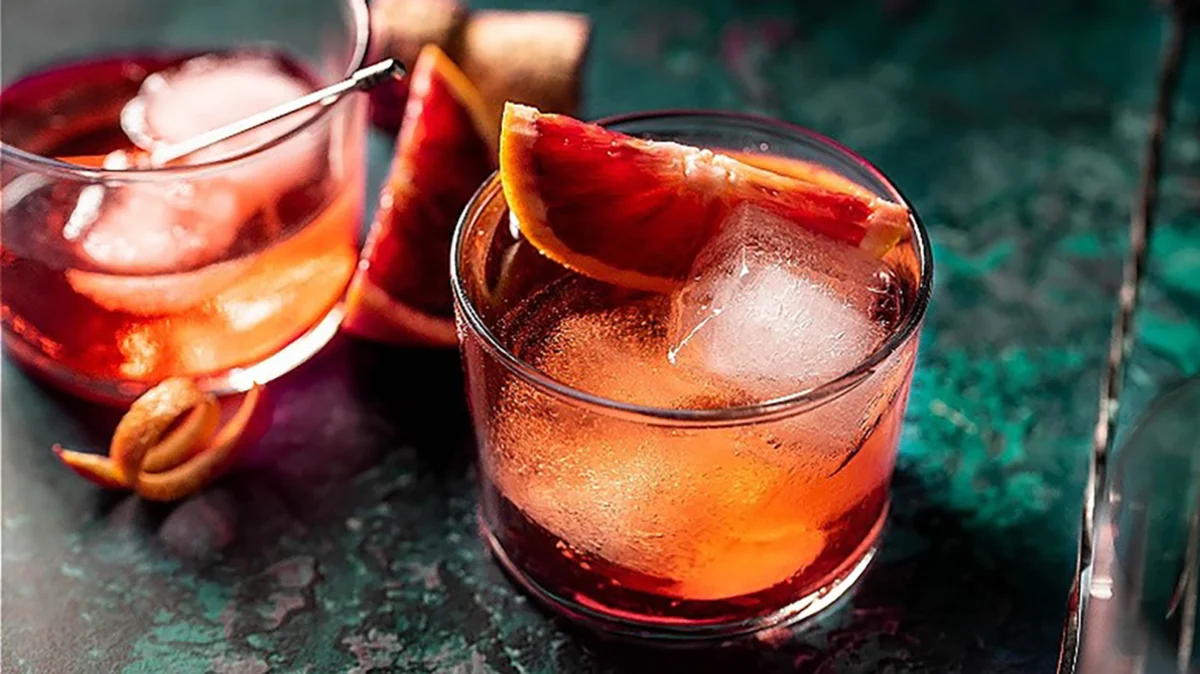
Sweet vermouth, also known as red vermouth, stands as a richer, more complex counterpart to its paler, drier cousin. Both are fortified, botanical-infused wines, but their distinct flavor profiles offer unique contributions to the world of mixology. While dry vermouth leans towards lighter, floral, and citrus notes, making it ideal for crisp, clean cocktails like martinis, sweet vermouth is characterized by its higher sugar content, fruitier, and spicier undertones. This ruby-hued elixir is particularly adept at harmonizing with darker spirits, where it elegantly balances bitterness, imparts aromatic depth, and introduces a visually appealing splash of color.
Beyond its starring role in the iconic Negroni, sweet vermouth is a cornerstone of numerous classic cocktails, demonstrating its remarkable versatility. From robust, whiskey-based concoctions to refreshing, frozen delights, this flavorful wine offers a sophisticated yet comforting dimension to any beverage. Its ability to bridge the gap between sweetness and complexity makes it an indispensable ingredient for both seasoned mixologists and home enthusiasts looking to elevate their cocktail repertoire.
The Enduring Appeal of the Americano
The Americano cocktail presents a slightly more restrained, yet equally compelling, interpretation of the Negroni’s flavor profile. By omitting gin, it allows the interplay between Campari liqueur, orange bitters, and sweet vermouth to take center stage. The Campari and orange bitters deliver a potent hit of zestiness, which beautifully complements the inherent fruity notes of the sweet vermouth. This dynamic duo is then lengthened with chilled soda water, creating a light and effervescent drinking experience. A simple orange twist serves as the perfect aromatic garnish, culminating in a fantastically refreshing and sophisticated aperitif, ideal for preparing the palate before a meal. The Americano’s history can be traced back to the mid-19th century, often cited as a favorite among Italian expatriates in the United States, hence its name.
The Timeless Allure of the Classic Negroni
No discussion of sweet vermouth would be complete without acknowledging the quintessential Negroni. This enduring classic, a testament to the power of three equal parts, is a marvel of boozy brightness and balanced complexity. The harmonious marriage of gin, Campari, and sweet vermouth, strained and finished with an aromatic orange peel, results in a boldly bitter yet intricately layered beverage. Its characteristic flavor profile, a sophisticated dance of fruitiness, herbal nuances, and a subtle sweetness, has cemented its status as a go-to aperitif, exuding an air of timeless refinement. The Negroni’s origins are often attributed to Count Camillo Negroni in Florence, Italy, around 1919, who purportedly requested his bartender to strengthen his favorite Americano by replacing soda water with gin.
The Elegant Simplicity of the 3-Ingredient Rob Roy
For those seeking a smokier and spicier character in their cocktails, the Rob Roy emerges as an exceptional choice. This elegant concoction masterfully blends Scotch whisky with sweet vermouth and Peychaud’s bitters, achieving a beautifully balanced and aromatic profile. The sweet vermouth provides a delicate touch of sweetness, while the Peychaud’s bitters introduce intriguing notes of cherry and anise, which find a perfect foil in the musky richness of the Scotch. Adorned with a glossy Luxardo cherry and an orange twist, the Rob Roy is equally suited for a lively cocktail party or a tranquil evening at home, offering a sophisticated alternative to the traditional Manhattan. The cocktail was reputedly created in 1894 to celebrate the premiere of a popular play about Scottish folk hero Rob Roy MacGregor.
The Bold Sophistication of the Classic Boulevardier
The Boulevardier stands as another delightfully bold and full-bodied cocktail that owes much of its character to sweet vermouth. In this iteration, rye whiskey and Campari converge to offer an irresistible equilibrium of warmth and citrusy bitterness. The sweet vermouth acts as a crucial moderating agent, its subtle sweetness tempering the punchy duo and resulting in a bright, palate-cleansing drink designed for leisurely enjoyment. It is a preferred choice for whiskey aficionados who appreciate the layered, boozy complexity reminiscent of a Negroni, but with a distinct whiskey-forward character. The Boulevardier is thought to have originated in Paris in the 1920s, popularized by Erskine Gwynne, an American expatriate who published "The Boulevardier" magazine.
A Lighter Touch: The Negroni Sbagliato
The Negroni Sbagliato offers a refreshing and effervescent twist on its classic namesake. This variation elegantly swaps the gin for Prosecco, dramatically lightening the beverage and creating a crisper, fruitier profile with a more invigorating feel. The foundational elements of Campari and sweet vermouth remain, providing the cocktail’s signature bittersweet and aromatic backbone, now uplifted by the celebratory sparkle of sparkling wine. Garnishing with a slice of blood orange enhances both the visual appeal and the fruity notes. This lighter, bubblier Negroni is an excellent accompaniment to an appetizer platter featuring cured meats, cheeses, and nuts, offering a delightful contrast to savory elements. The "Sbagliato," meaning "mistake" or "bungled" in Italian, is said to have been invented by accident when a bartender mistakenly reached for a bottle of sparkling wine instead of gin.
Embracing the Season: The Winter Boulevardier
While the classic Boulevardier features whiskey, Campari, and sweet vermouth, this festive winter variation introduces Amaro Averna Siciliano in place of the sharper, citrusy Campari. This traditional Sicilian liqueur, with its distinctive dark hue and syrupy consistency, imparts notes of citrus, caramel, herbs, and spices. The result is a richer, sweeter, and more complex profile that perfectly embodies the spirit of the holiday season. The cocktail’s festive character is further enhanced by its unique garnish: a pine branch and a fragrant dried orange slice, evoking the aromas of a winter forest. This adaptation showcases the adaptability of the Boulevardier template, allowing for seasonal interpretations.
Playful Indulgence: Negroni Slushies
Transforming the sophisticated Negroni into a playful and summery delight, Negroni Slushies offer a wonderfully refreshing escape. This frozen concoction combines orange and grapefruit juices with ice and the classic Negroni trio of gin, sweet vermouth, and Campari. The result is a thick, icy beverage perfectly suited for poolside sipping or casual gatherings. For an added layer of flavor complexity, a dash of orange bitters can be incorporated before serving, further enhancing the citrus and botanical notes. This frozen iteration brings a lighthearted and accessible dimension to the beloved Negroni.
A Foundation of Elegance: The Classic Manhattan
The Manhattan holds the distinction of being one of the earliest cocktails to prominently feature vermouth, and its enduring popularity is a testament to its well-crafted balance. This whiskey-based drink masterfully integrates herbal complexity from Angostura bitters with the aromatic depth provided by sweet vermouth. When shaken with ice and strained into a chilled glass, the ingredients coalesce into a robust, bittersweet sip with a satisfying kick. The final flourish of an orange peel twist over each glass adds a final, invigorating burst of citrus aroma and flavor, solidifying its status as a modern-day staple. The Manhattan’s origins are often debated, with many attributing its creation to the Manhattan Club in New York City in the 1870s.
A Celebratory Sparkle: Negroni with Sparkling Wine
For those who appreciate the effervescent lightness of the Negroni Sbagliato but still desire the characteristic presence of gin, this variation offers the best of both worlds. It begins with the traditional Negroni foundation of gin, sweet vermouth, and Campari, then is topped with a generous pour of Pinot Noir sparkling wine. This addition imbues the drink with a lively, effervescent finish, preserving the boozy integrity while elevating the overall experience to one of greater festivity and celebration. The interplay of the classic Negroni components with the bright sparkle of sparkling wine creates a dynamic and engaging cocktail.
Layered Complexity: The Greenpoint Cocktail
The Greenpoint cocktail can be described as a sophisticated evolution of the Manhattan, distinguished by the inclusion of yellow Chartreuse. This French liqueur introduces an additional layer of aromatic complexity, imparting a subtle honeyed sweetness and nuanced notes of mint, citrus, and pine. A dash of orange bitters further sharpens the profile, as does the fragrant lemon peel garnish. The finished drink possesses a pleasing depth and a unique character that sets it apart from other whiskey-based cocktails, offering a more intricate and contemplative drinking experience. The Greenpoint cocktail is a creation of Brooklyn’s Milk & Honey bar, dating back to the early 2000s.
The Broader Impact of Sweet Vermouth in Mixology
The continued popularity and diverse applications of sweet vermouth underscore its significant role in the evolution of cocktail culture. Its ability to bridge the gap between spirit and modifier, providing both sweetness and complex botanical notes, makes it an indispensable ingredient for a wide range of drinks. From the aperitif culture of Europe, where it has long been a staple, to its adoption in American cocktail bars, sweet vermouth has demonstrated remarkable adaptability. As the craft cocktail movement continues to explore nuanced flavor profiles and historical recipes, the demand for high-quality sweet vermouths is likely to persist, with producers continually innovating to offer a wider array of styles and flavor profiles. The resurgence of classic cocktails and the ongoing experimentation by mixologists ensure that sweet vermouth will remain a vital component in the bartender’s toolkit for years to come. Its versatility not only enhances existing classics but also inspires the creation of new and exciting beverages, solidifying its status as a timeless and essential ingredient.
