
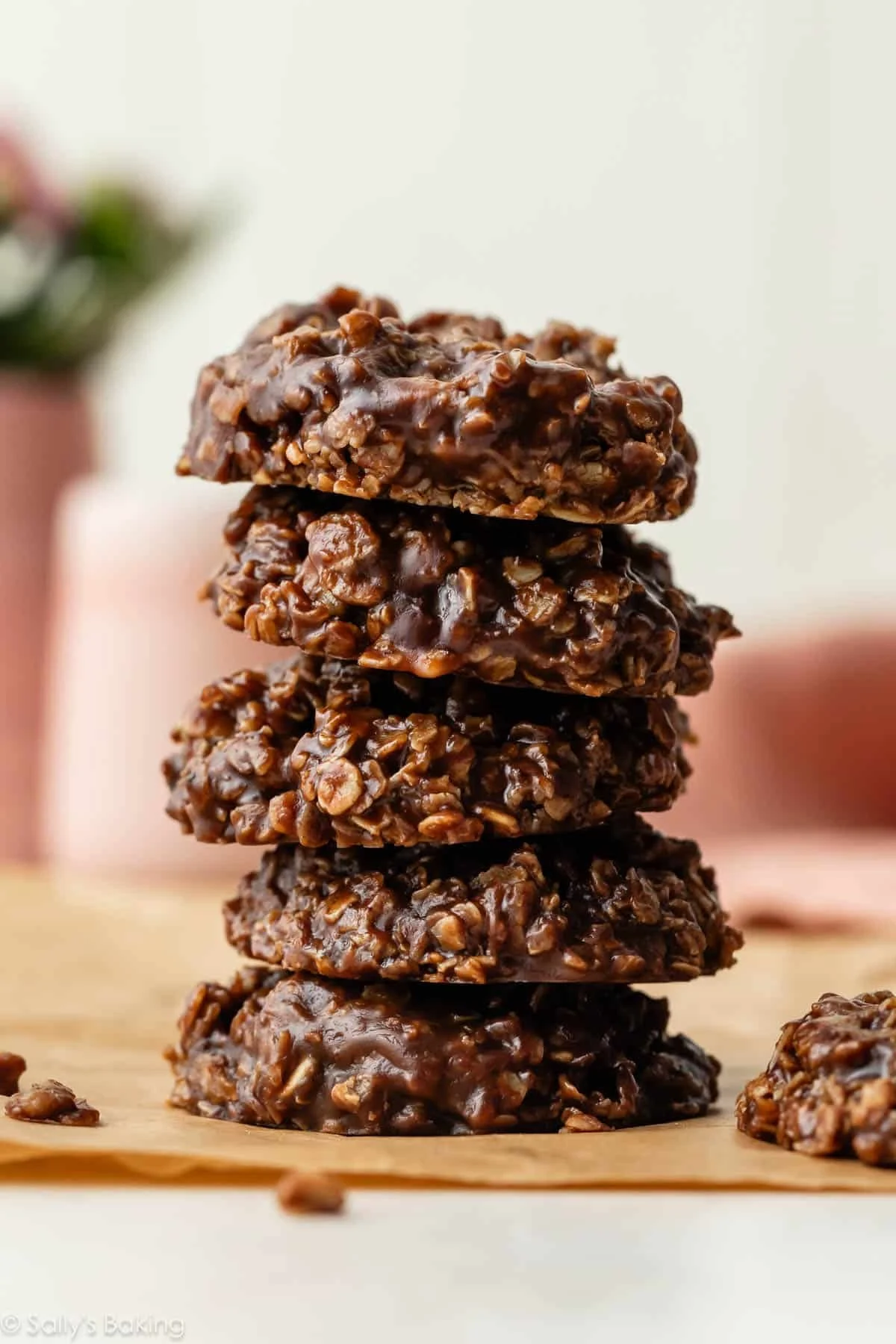
In an era increasingly defined by efficiency and culinary innovation, the enduring popularity of no-bake desserts stands as a testament to the timeless appeal of simplicity and convenience. Among these, the classic Chocolate Peanut Butter No-Bake Cookies have carved out a significant niche, offering a delectable combination of flavors without the need for oven-based preparation. This iconic recipe, requiring only eight staple ingredients and a mere 30 to 60 minutes of refrigeration to set, epitomizes the "effortless gourmet" trend that continues to captivate home bakers and busy families alike. Its straightforward methodology and rapid turnaround time make it an ideal solution for impromptu cravings, warm weather baking, or when oven space is at a premium.
The Historical Trajectory of No-Bake Desserts
The concept of no-bake desserts is not a recent phenomenon but rather a culinary tradition with roots stretching back decades, often emerging during periods of technological advancement and shifting societal norms. While precise origins are difficult to pinpoint, many food historians trace the widespread popularity of no-bake cookies, particularly those incorporating oats and chocolate, to the mid-20th century. The post-World War II era saw a surge in the availability of processed and convenience foods, coupled with a growing desire for quick, easy-to-prepare meals and desserts that could fit into increasingly busy household schedules. Ingredients like instant oats, cocoa powder, and peanut butter became readily accessible, paving the way for recipes that minimized cooking time and complexity.
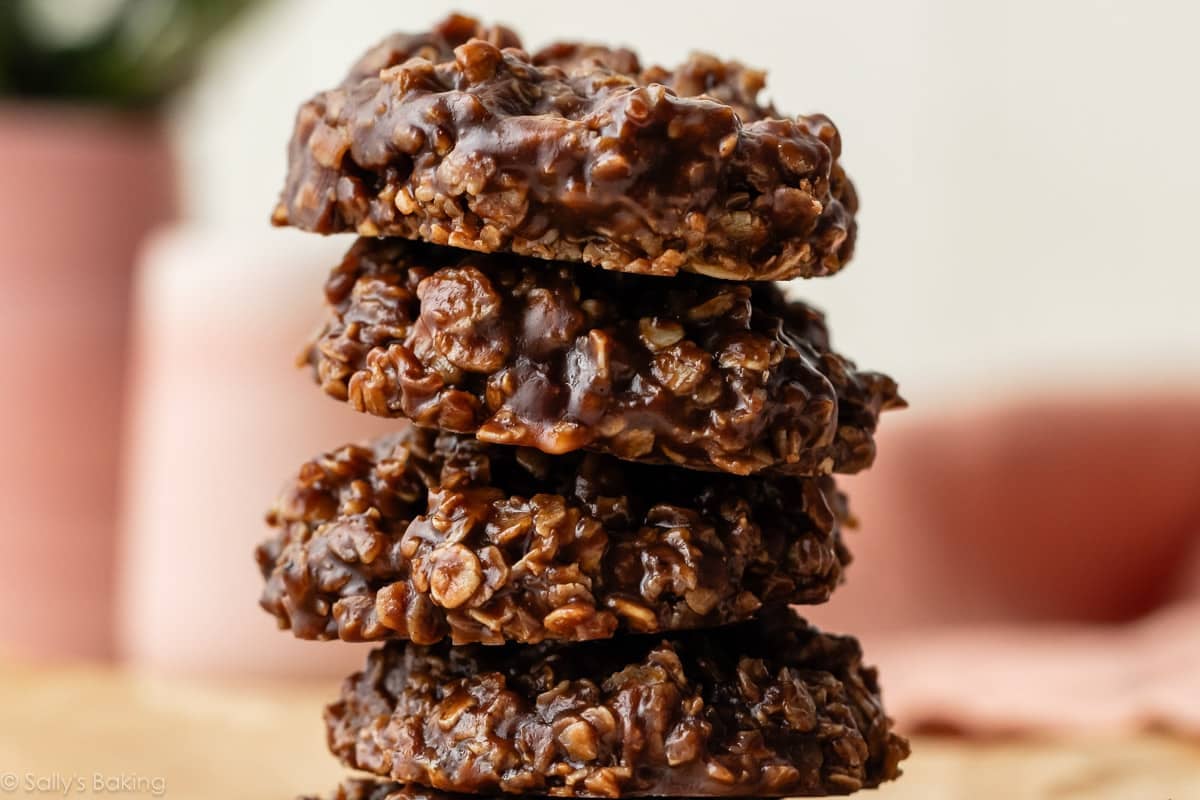
Early iterations of no-bake cookies often appeared in community cookbooks, church fundraising recipe collections, and homemaking magazines, passed down through generations. These recipes were celebrated for their minimal equipment requirements—typically just a saucepan and a stovetop—making them accessible to a broader demographic, including those with limited baking experience or older kitchen appliances. The foundational technique, involving boiling a mixture of sugar, milk, and fat before incorporating dry ingredients and allowing it to set, became a staple for its reliability and delicious outcome. The appeal was particularly strong in warmer climates or during summer months when operating an oven could contribute significantly to indoor heat, making the no-bake option a practical and comfortable choice.
The Resurgence of Convenience Baking in the Modern Era
The enduring relevance of no-bake cookies, and particularly the chocolate peanut butter variant, can be attributed to several factors aligning with contemporary lifestyle trends. Modern households often juggle demanding schedules, leaving less time for elaborate culinary endeavors. Recipes that offer quick gratification without compromising on taste or quality are highly valued. The minimal preparation time—often under 15 minutes of active cooking—followed by passive chilling, perfectly fits this demand for efficiency.
Furthermore, the rise of digital media and food blogging platforms has played a crucial role in reintroducing and popularizing classic recipes like no-bake cookies to new audiences. Online communities and social media channels actively share, review, and adapt these recipes, often with updated tips and variations that cater to contemporary tastes and dietary preferences. This digital dissemination ensures that cherished family recipes, once confined to handwritten cards, now reach a global audience, fostering a sense of shared culinary heritage. The visual appeal of food photography and video tutorials on platforms like Instagram and TikTok also contributes to the allure, making the simple process of creating these cookies seem even more inviting and achievable.
The Anatomy of a Classic: Chocolate Peanut Butter No-Bakes
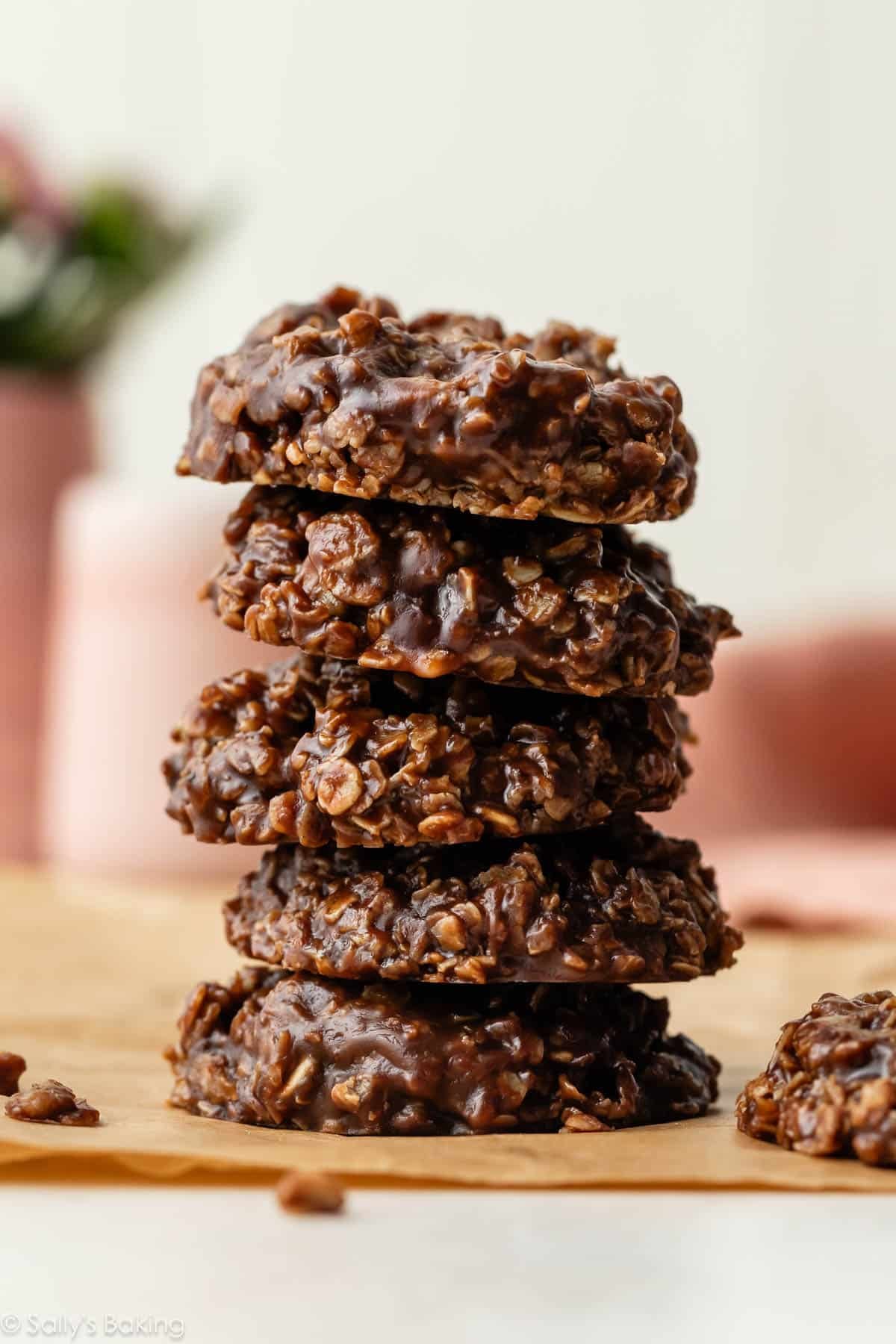
The Chocolate Peanut Butter No-Bake Cookie recipe exemplifies culinary simplicity and effectiveness. Its core ingredients are readily available pantry staples, contributing to its widespread accessibility and cost-effectiveness. The typical composition includes butter, granulated sugar, milk, cocoa powder, peanut butter, vanilla extract, rolled oats, and a pinch of salt. Each component plays a vital role in achieving the cookie’s signature fudgy texture and rich flavor profile.
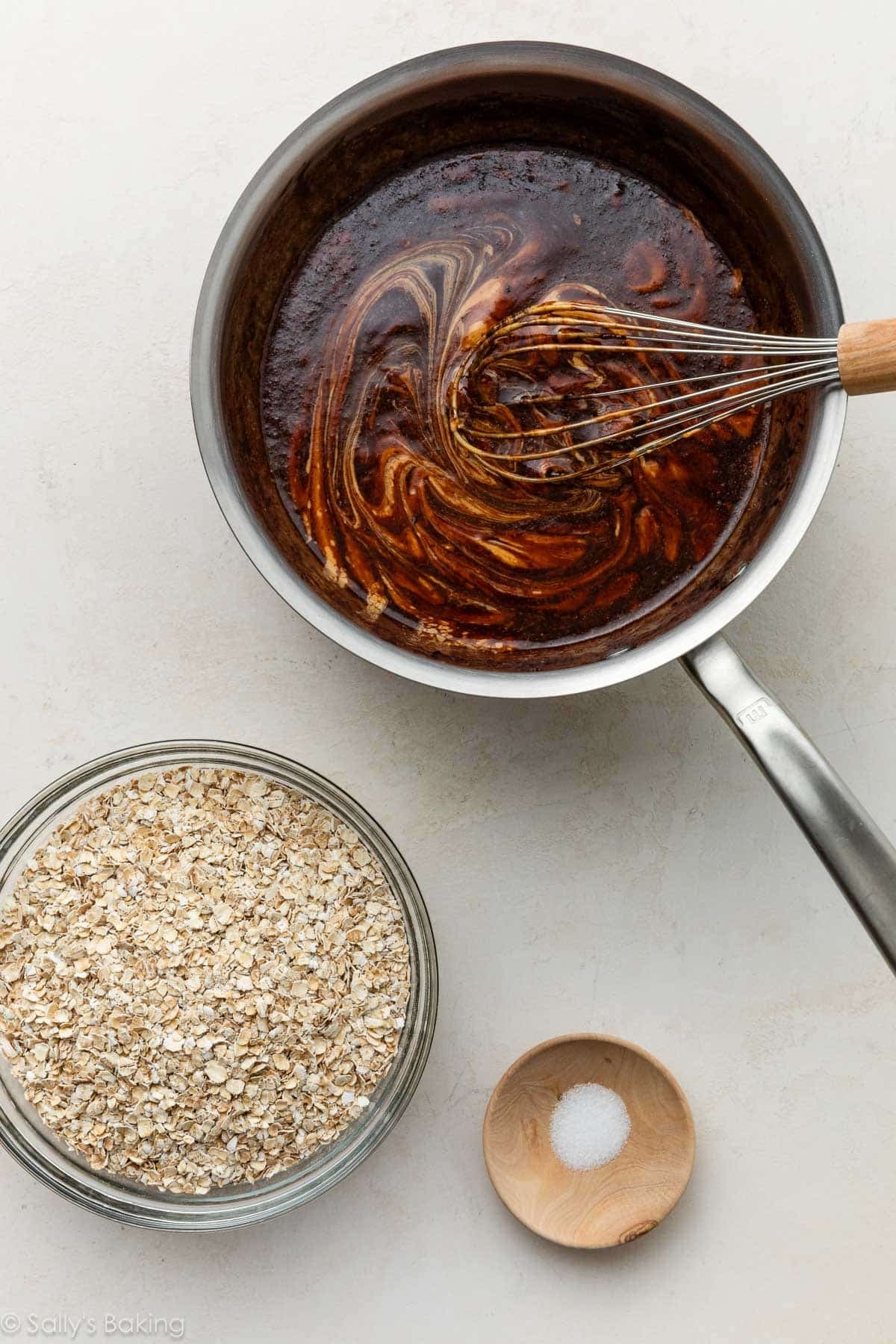
The process begins with creating a base mixture on the stovetop. Butter, sugar, milk, and cocoa powder are combined and brought to a rolling boil. This crucial step is where the magic happens: the sugar dissolves, and the mixture reaches a specific temperature (around 225°F or 107°C) that is essential for proper setting. This temperature ensures that the sugar syrup, once cooled, will provide the necessary structure to bind the oats and other ingredients, preventing a crumbly or overly soft cookie. Culinary experts emphasize the importance of precise boiling time, typically around one minute after reaching a full boil, to achieve the desired consistency.
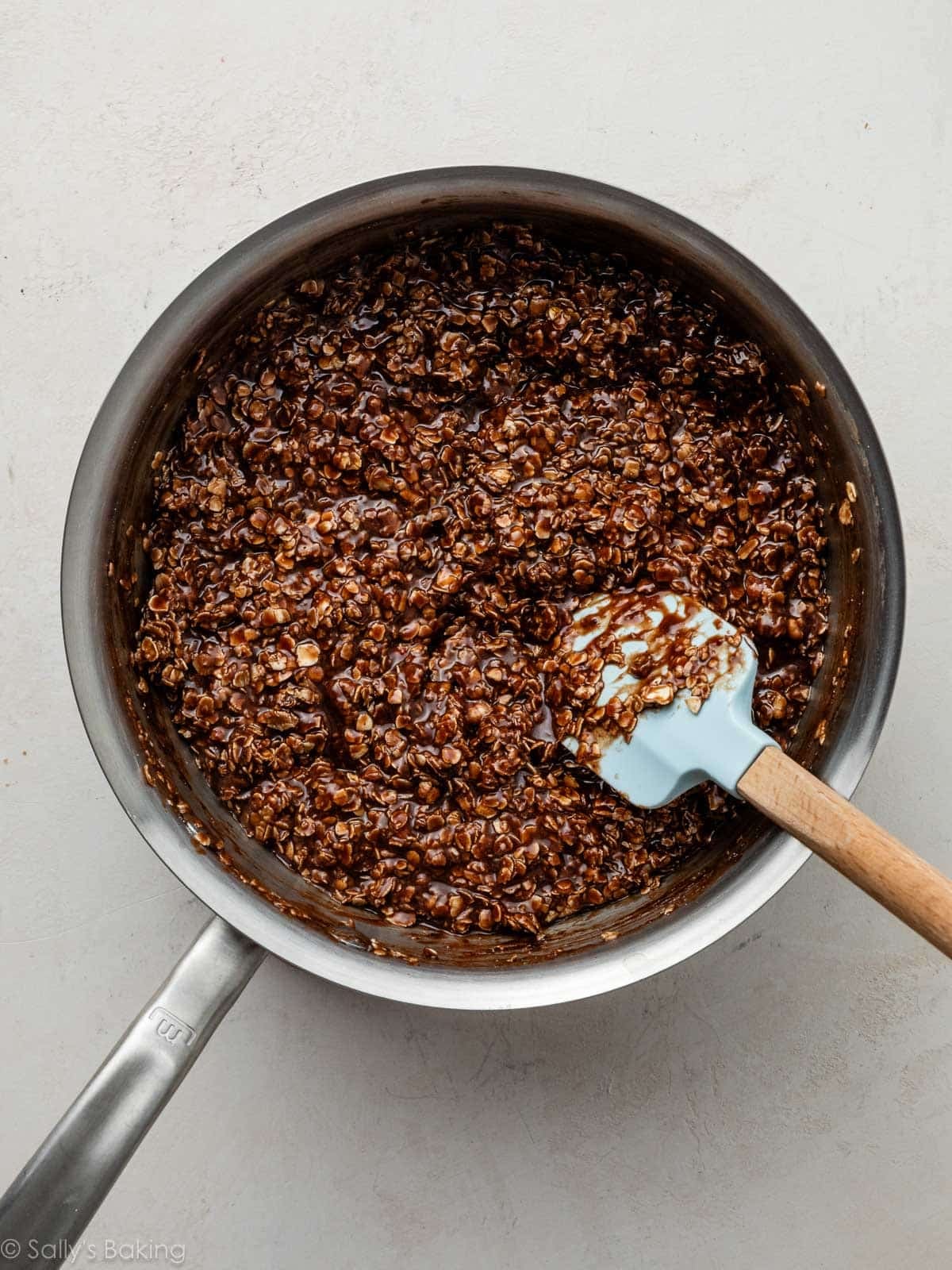
Once the sugar-cocoa mixture has boiled, it is immediately removed from the heat. This prevents overcooking, which could lead to a dry, brittle cookie. At this point, the creamy peanut butter and aromatic vanilla extract are stirred in. The residual heat from the mixture helps the peanut butter melt and incorporate smoothly, contributing to the rich, nutty flavor and a desirable chewiness. Finally, the rolled oats and salt are folded in. The oats absorb the warm liquid, softening and expanding, which gives the cookies their characteristic hearty texture. The mixture is then allowed to cool slightly, typically for about 5 to 10 minutes, before being portioned onto waxed or parchment paper-lined baking sheets. This cooling period allows the oats to fully hydrate and the mixture to firm up slightly, making it easier to scoop and shape. The final step involves refrigerating the cookies for 30 to 60 minutes, during which they solidify into their iconic fudgy form.
Ingredient Insights and Dietary Adaptations
The minimal ingredient list not only contributes to the ease of preparation but also offers opportunities for slight customization.
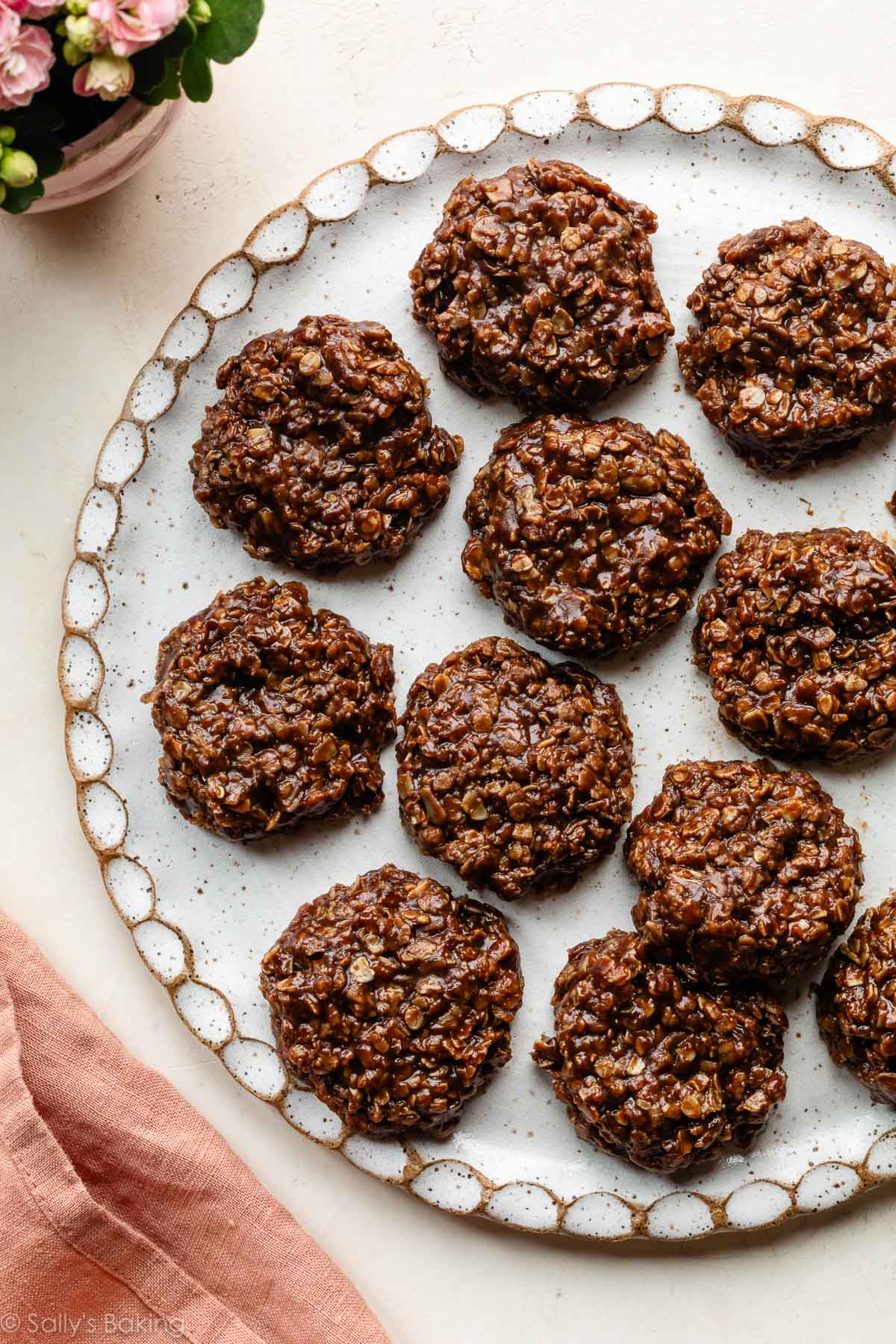
- Oats: Rolled oats (old-fashioned oats) are preferred for their texture, which holds up well in the mixture. Quick-cooking oats can also be used, though they might result in a slightly softer, less chewy cookie. For individuals with gluten sensitivities or celiac disease, using certified gluten-free oats makes these cookies a safe and delicious option, expanding their appeal. This demonstrates the inherent flexibility of the recipe, allowing it to adapt to various dietary needs without sacrificing flavor or texture.
- Peanut Butter: While smooth, classic peanut butter is traditionally used for its creamy consistency, natural peanut butter can also be employed. However, natural varieties, often thinner and oilier, may require a slightly longer chilling time for the cookies to set properly. The choice of peanut butter significantly impacts the final texture and richness, allowing for personal preference.
- Cocoa Powder: Unsweetened cocoa powder is standard, providing a deep chocolate flavor. Dark cocoa powder can be used for a more intense chocolate experience, while a blend of cocoa and other flavored powders (e.g., a touch of espresso powder) could add subtle complexity.
- Milk: Any type of milk (dairy or non-dairy alternatives like almond or oat milk) can typically be used, making the recipe adaptable for lactose-intolerant individuals or those following vegan diets (by also substituting butter with a plant-based alternative).
These simple ingredient swaps underscore the versatility of the no-bake cookie, allowing it to cater to a broader audience while maintaining its core appeal.
Mastering the Method: Key to Consistent Success
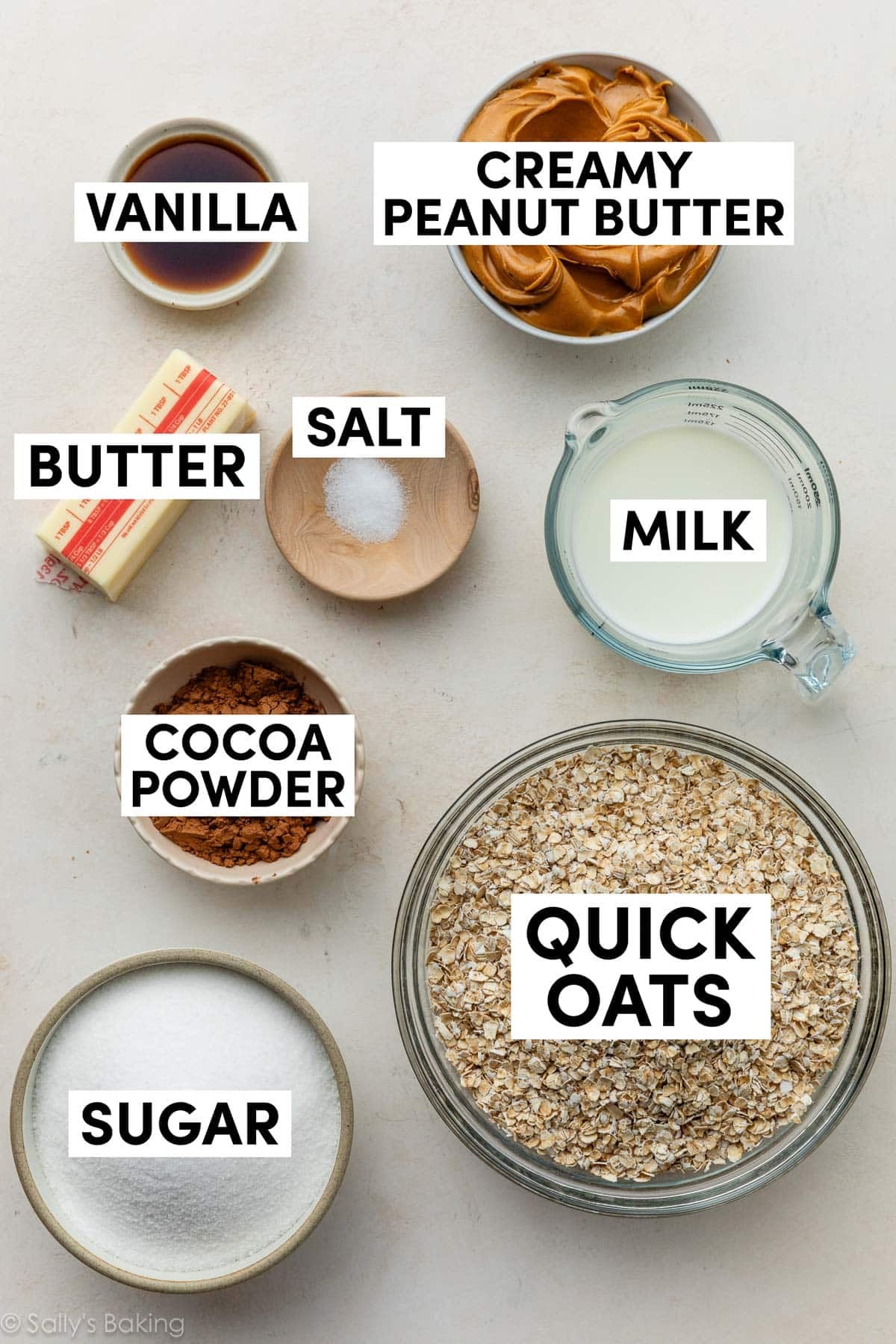
Achieving consistently excellent no-bake cookies hinges on understanding a few critical procedural nuances, often highlighted by experienced bakers and culinary experts.
- Precise Boiling Time and Temperature: The most frequent pitfall for no-bake cookies is improper setting, leading to either overly soft or crumbly results. This is almost always due to the sugar-milk-fat mixture not boiling long enough or boiling for too long. A full, rolling boil for precisely one minute is crucial. Using an instant-read thermometer to ensure the mixture reaches 225°F (107°C) offers an added layer of precision, guaranteeing that the sugar has fully dissolved and reached the correct crystallization point to provide structure. Under-boiling results in cookies that fail to set, while over-boiling can cause them to become dry and crumbly, akin to fudge that has seized.
- Accurate Ingredient Measurement: Given the short ingredient list and the delicate balance required for setting, accurate measurement is paramount. Even slight over-measurement of oats or peanut butter can disrupt the moisture balance, leading to dry or crumbly cookies. Utilizing a kitchen scale for dry ingredients like oats and sugar can significantly improve consistency compared to volumetric measurements.
- Cooling Period: The brief 5-10 minute cooling period after adding the oats is not merely a suggestion but a critical step. It allows the oats sufficient time to absorb the hot liquid, plump up, and soften. This hydration process contributes to the fudgy, chewy texture and prevents the cookies from being too loose or difficult to scoop. For natural peanut butter, which can be thinner, extending this cooling time slightly can be beneficial.
- Refrigeration for Optimal Setting: While no-bake cookies will eventually set at room temperature, refrigeration accelerates the process and ensures a firmer, more stable cookie. The rapid cooling helps the fat solidify and the sugar matrix crystallize efficiently, yielding a cookie that holds its shape well and offers a delightful chew.
These expert tips, often refined over years of home baking and culinary experimentation, transform a simple recipe into a consistently rewarding experience.
The Enduring Appeal and Cultural Impact
Beyond their ease of preparation, Chocolate Peanut Butter No-Bake Cookies hold a significant place in the cultural fabric of home baking. They evoke a powerful sense of nostalgia for many, recalling childhood kitchens, family gatherings, and the simple pleasures of homemade treats. Their robust flavor combination—the rich sweetness of chocolate perfectly balanced by the salty, nutty depth of peanut butter—is a universally beloved pairing that transcends age and demographic boundaries.
These cookies often serve as an entry point into baking for children, requiring minimal handling of hot appliances (once the initial stovetop step is complete) and offering immediate gratification. The hands-on process of mixing, scooping, and waiting for the cookies to set provides an engaging activity that fosters a love for cooking and creates lasting memories. This aspect contributes to their status as a "family-favorite recipe," often passed down and adapted within households.
The Digital Recipe Renaissance and Continuous Refinement
The digital age has not only amplified the reach of classic recipes but has also fostered a dynamic environment for their continuous refinement. Food bloggers and online culinary communities frequently share "updated" versions of beloved classics, incorporating new techniques, ingredient insights, and troubleshooting tips. The evolution of the Chocolate Peanut Butter No-Bake Cookie recipe, initially published in 2015 and later updated with "new photos and extra success tips" and a "slightly increased amount of butter," perfectly illustrates this phenomenon. Such iterative improvements, often driven by extensive testing and feedback from a broad audience, ensure that traditional recipes remain relevant, optimized, and even more foolproof for contemporary bakers. This collaborative refinement process underscores the vibrant interaction between culinary tradition and modern innovation.
Economic and Environmental Considerations
From an economic perspective, no-bake cookies offer a compelling value proposition. They rely on inexpensive, readily available pantry staples, making them an accessible dessert option for all income levels. The absence of oven use also translates to energy savings, particularly relevant in times of rising utility costs or environmental consciousness. While seemingly minor, the cumulative effect of countless households opting for no-bake alternatives can contribute to a reduction in household energy consumption, however small. This blend of affordability, convenience, and subtle environmental benefit further solidifies their position as a smart choice for home entertaining and daily treats.
In conclusion, the Chocolate Peanut Butter No-Bake Cookie is far more than just a simple recipe; it is a cultural touchstone that embodies the enduring desire for quick, delicious, and comforting homemade treats. Its historical roots, adaptability to modern lifestyles, straightforward preparation, and universal appeal ensure its continued prominence in kitchens around the world. As culinary trends evolve, the no-bake cookie stands as a testament to the fact that sometimes, the most profoundly satisfying creations are also the simplest.
