
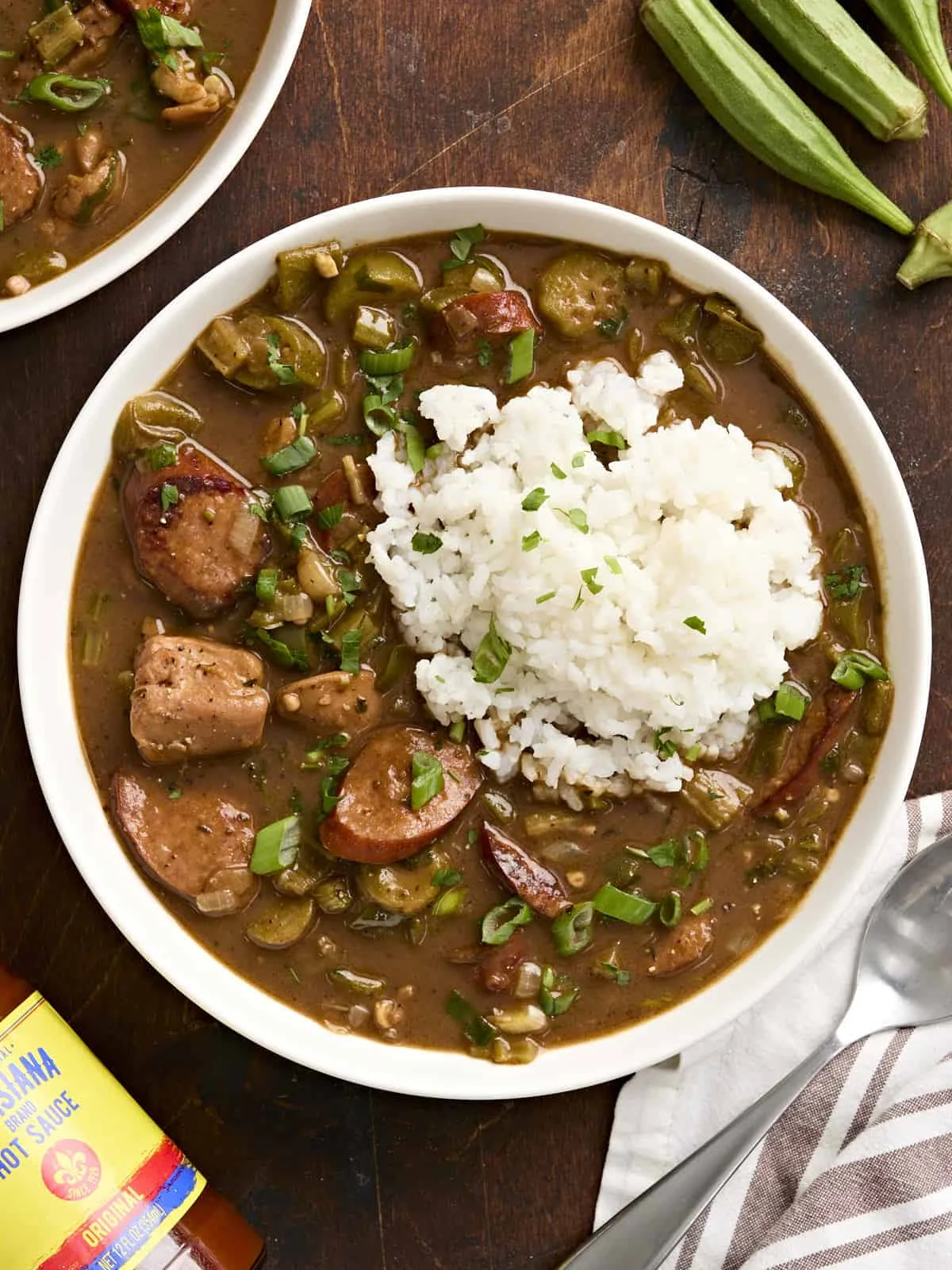
Louisiana gumbo represents a sophisticated intersection of West African, European, and Native American culinary traditions, serving as a definitive symbol of the Mississippi Delta’s complex cultural history. In a recent technical evaluation conducted at the Nashville Test Kitchen, recipe developers spearheaded by Melissa Nolan, a Johnson & Wales-trained chef and former intern at New York City’s Per Se, released a comprehensive analysis and methodology for producing an authentic Cajun-style gumbo. The findings emphasize the necessity of a dark roux, the strategic use of the "holy trinity" of vegetables, and the economic viability of the dish in a modern inflationary environment. By focusing on a combination of andouille sausage and chicken thighs, the study demonstrates that a high-protein, culturally significant meal can be produced for approximately $1.88 per serving, a figure that sits significantly below the national average for restaurant-prepared soul food.
The Historical and Cultural Context of Gumbo
To understand the structural requirements of a successful gumbo, one must first examine its etymological and historical roots. The term "gumbo" is derived from the West African Umbundu word for okra, kingombo. Historically, the dish served as a culinary bridge; French bouillabaisse provided the framework for the stew, while West African slaves introduced okra as a thickening agent. Later, the Choctaw people contributed filé powder—ground sassafras leaves—which offered an alternative thickening method and a distinct earthy flavor.
Over centuries, two primary branches of the dish emerged: Creole and Cajun. Creole gumbo, often associated with the urban environment of New Orleans, frequently incorporates tomatoes and a wider variety of seafood. Cajun gumbo, originating from the rural Acadian populations of southwestern Louisiana, typically eschews tomatoes in favor of a darker roux and smoked meats. The Nashville Test Kitchen’s recent publication focuses on the Cajun tradition, prioritizing the depth of flavor achieved through the Maillard reaction in a flour-and-oil base rather than the acidity of nightshades.
Technical Chronology: The Three-Hour Development Process
The production of gumbo is a labor-intensive exercise in patience and temperature control. The Nashville methodology outlines a specific chronological sequence designed to maximize flavor extraction while maintaining the structural integrity of the ingredients.
Phase I: Protein Preparation and Lipid Infusion
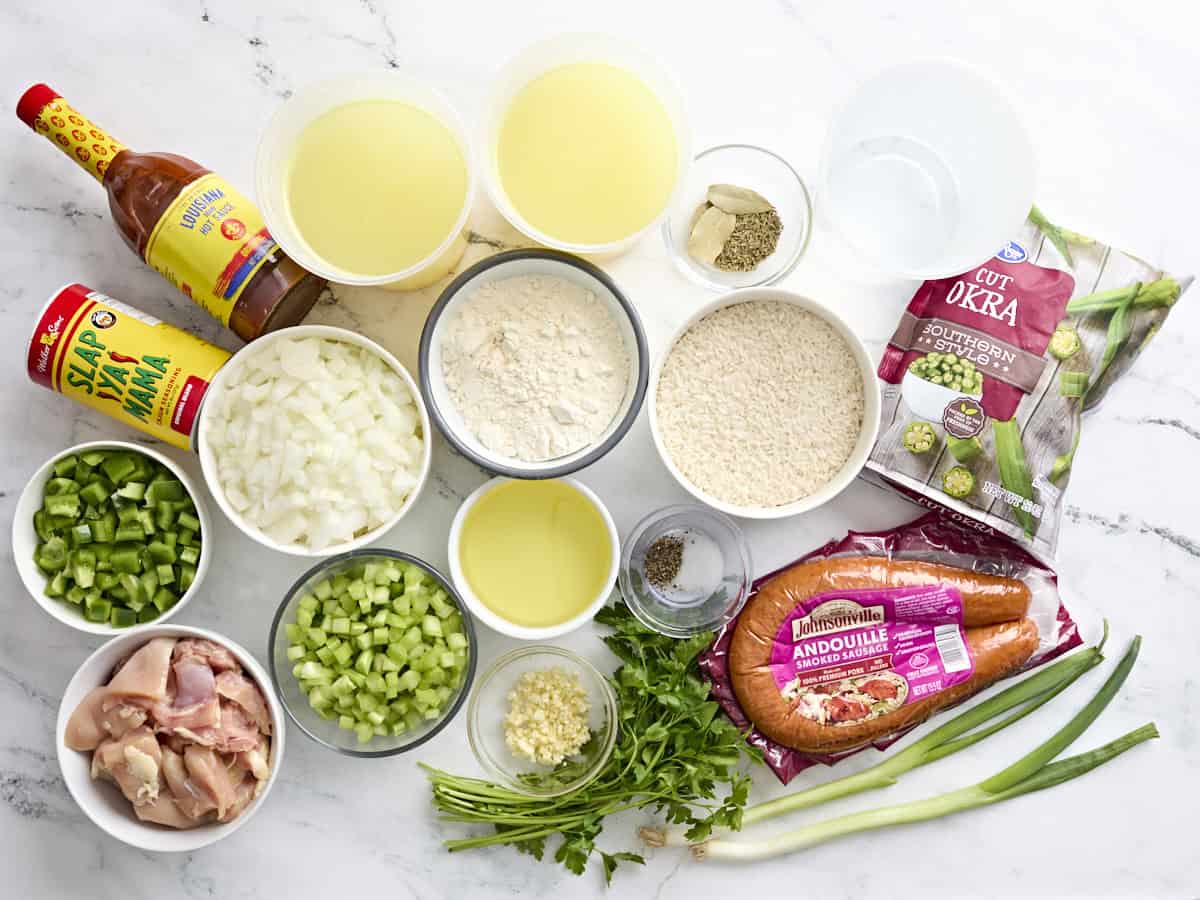
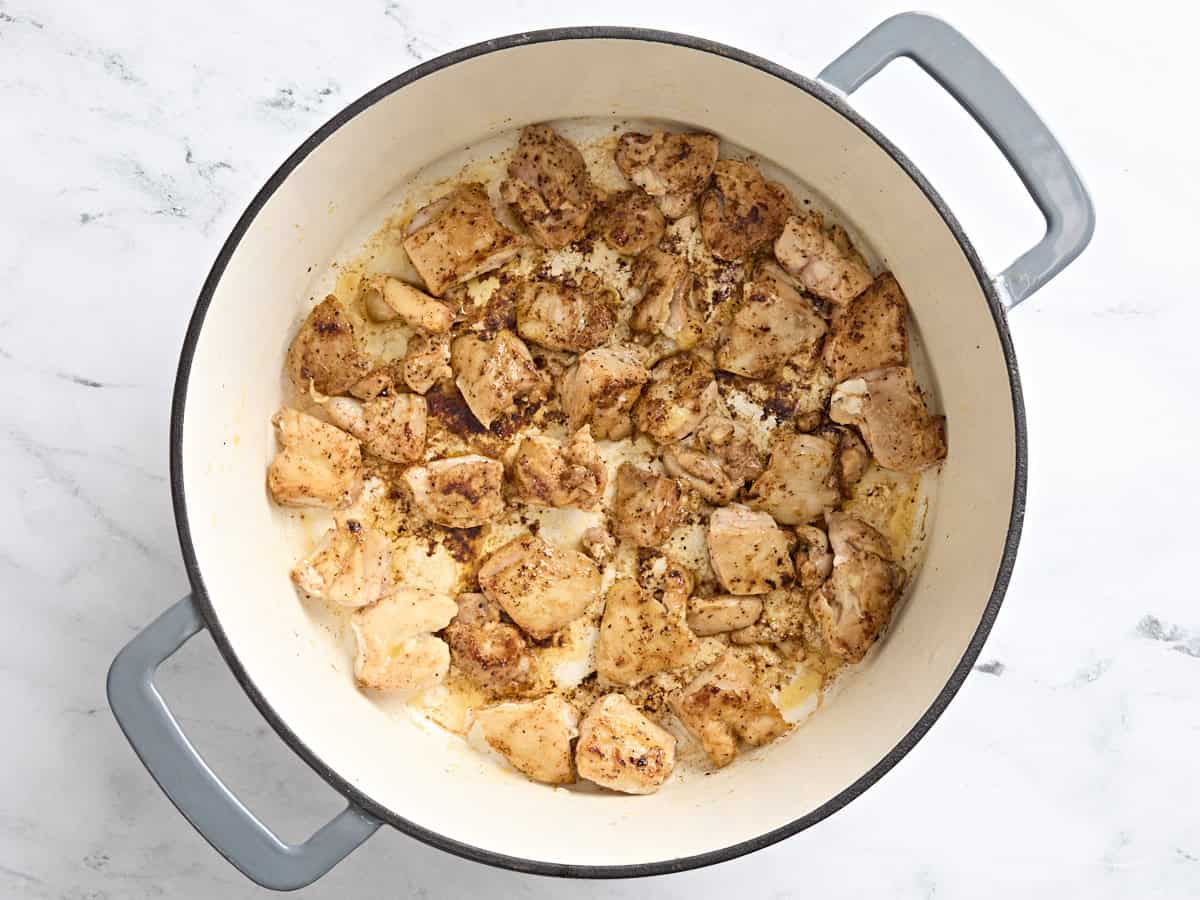
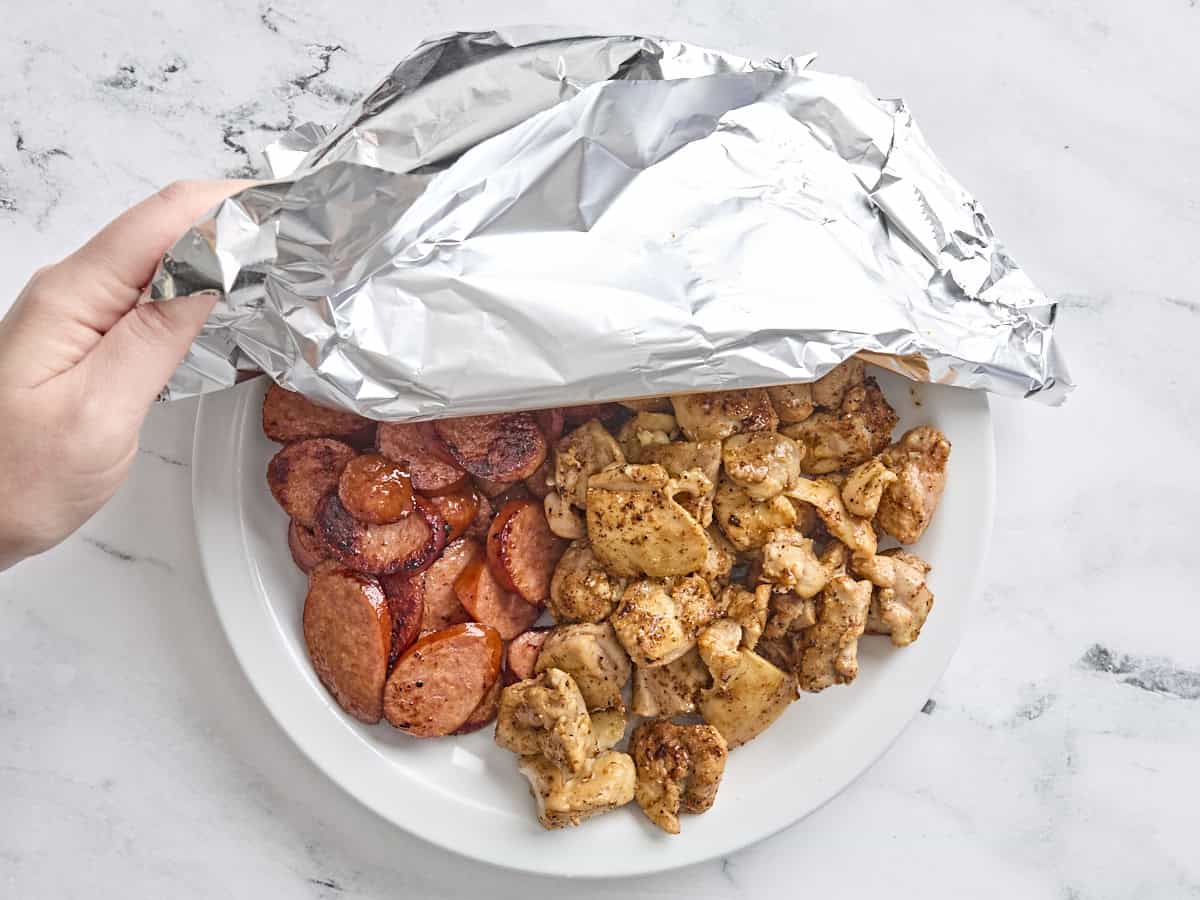
The process begins with the searing of 13.5 ounces of sliced andouille sausage and one pound of chicken thigh pieces. This initial stage serves two purposes: it develops a caramelized crust on the meats via high-heat contact and seasons the cooking vessel with rendered fats. The chicken is seasoned with a proprietary blend of Cajun spices, typically including paprika, garlic powder, cayenne, and oregano, before being seared for approximately ten minutes. Once browned, the proteins are removed and reserved, leaving behind a foundation of flavorful oils.
Phase II: The Two-Hour Roux Transformation
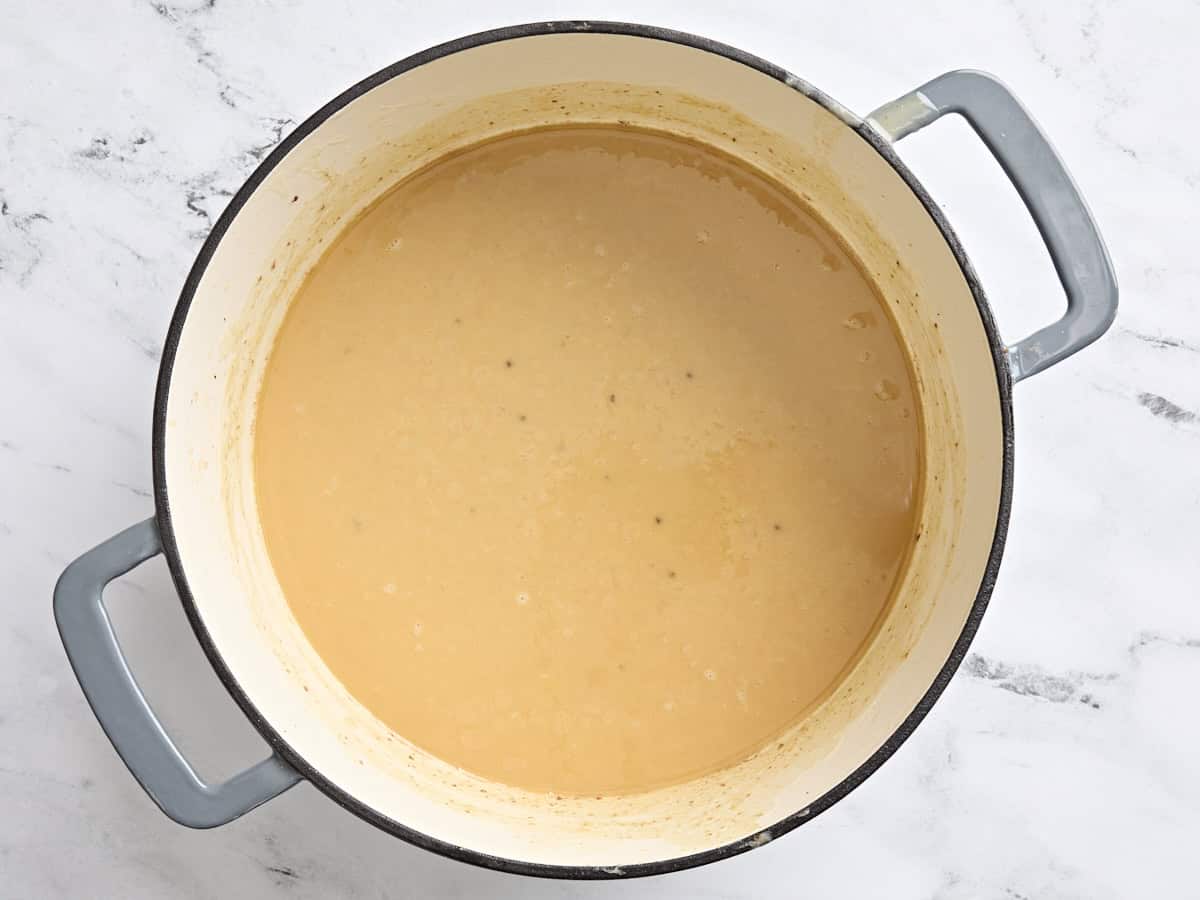
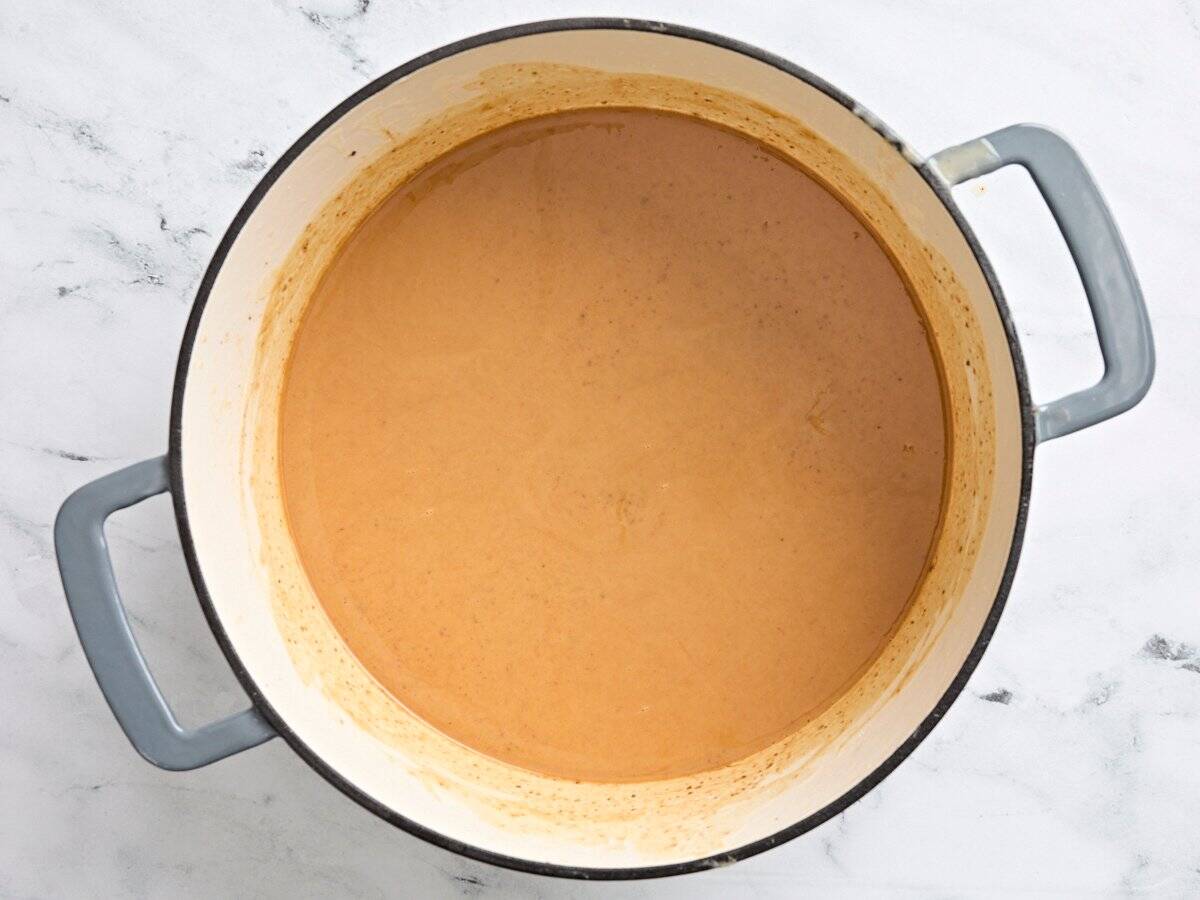
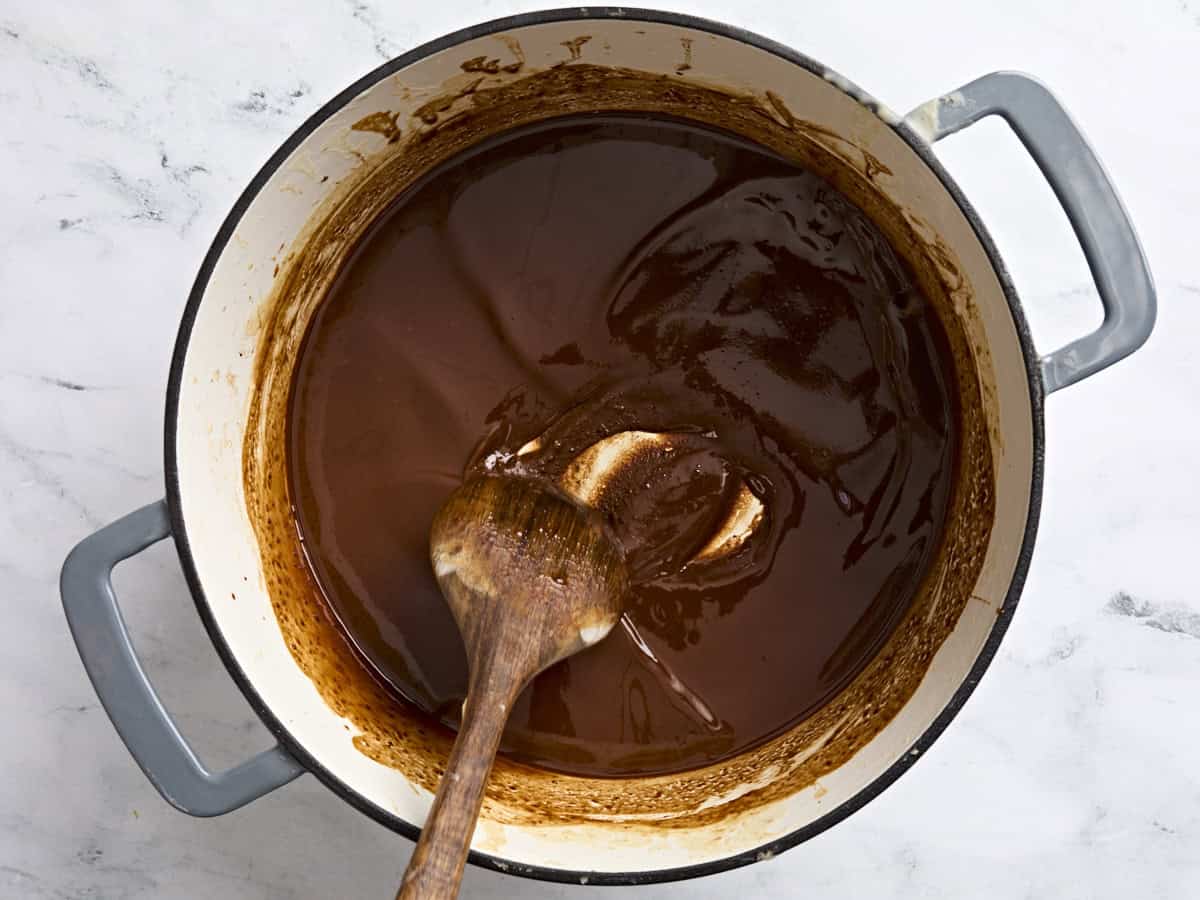
The most critical stage of the gumbo lifecycle is the development of the roux. Utilizing a ratio of 3/4 cup vegetable oil to one cup all-purpose flour, the mixture is cooked over medium-low heat. Unlike a blonde roux used for béchamel or a peanut-butter-colored roux used for standard gravies, a gumbo roux requires an extended cooking time of nearly two hours.
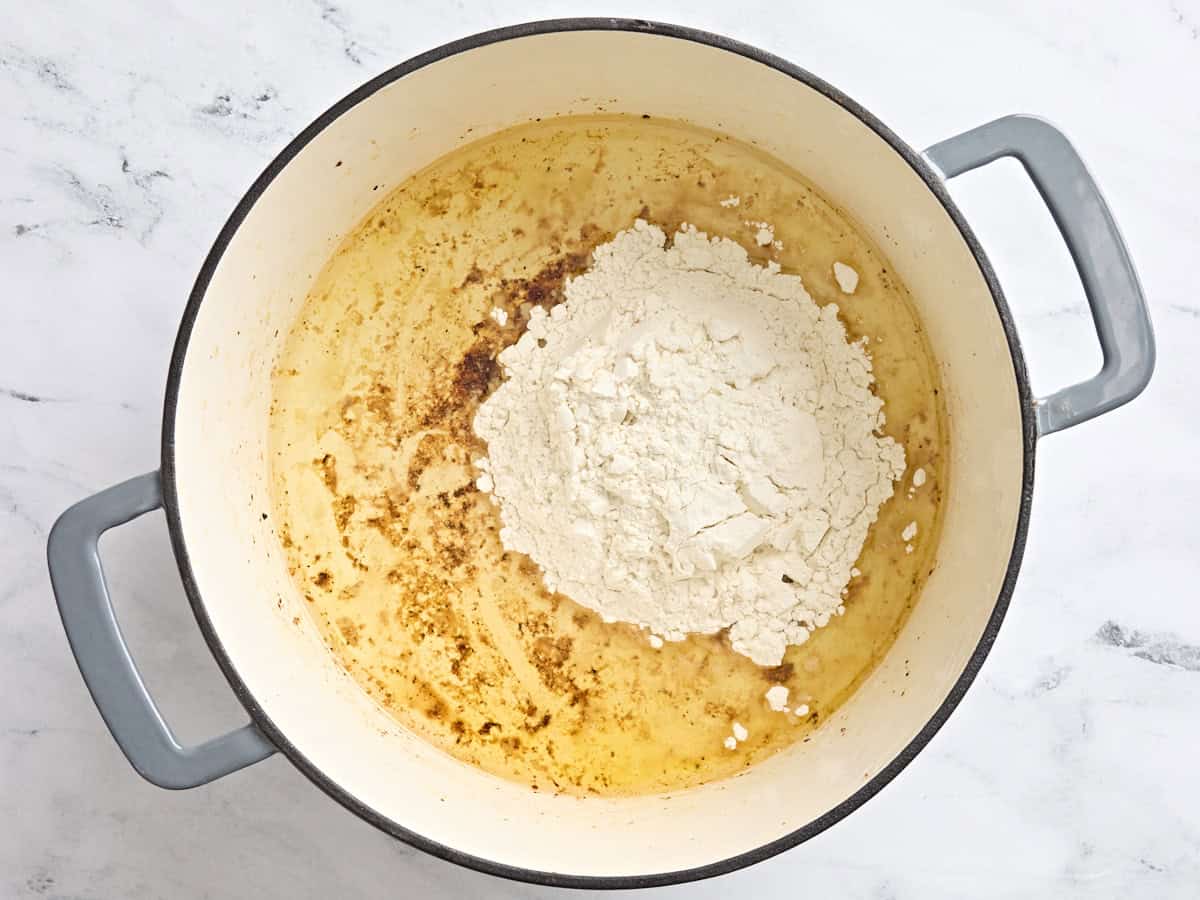
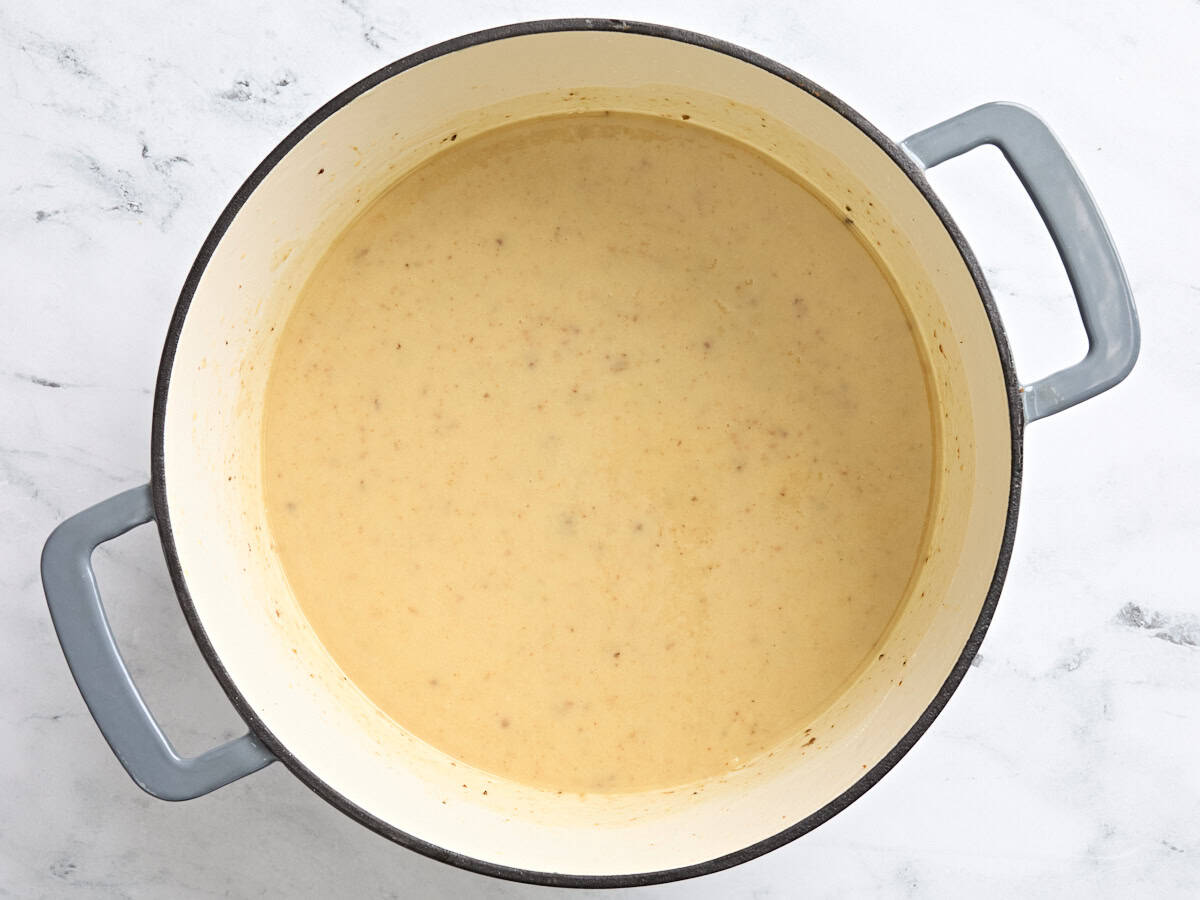
During this period, the flour undergoes a profound chemical transformation. As the starch molecules break down and the proteins brown, the thickening power of the flour actually decreases, but the flavor profile shifts from cereal-like to nutty and eventually to a deep, smoky complexity. The Nashville Test Kitchen emphasizes that this stage cannot be rushed; a burned roux—indicated by black specks or a bitter aroma—requires the entire process to be restarted, as the bitterness cannot be masked by subsequent ingredients.
Phase III: The Holy Trinity and Aromatic Integration
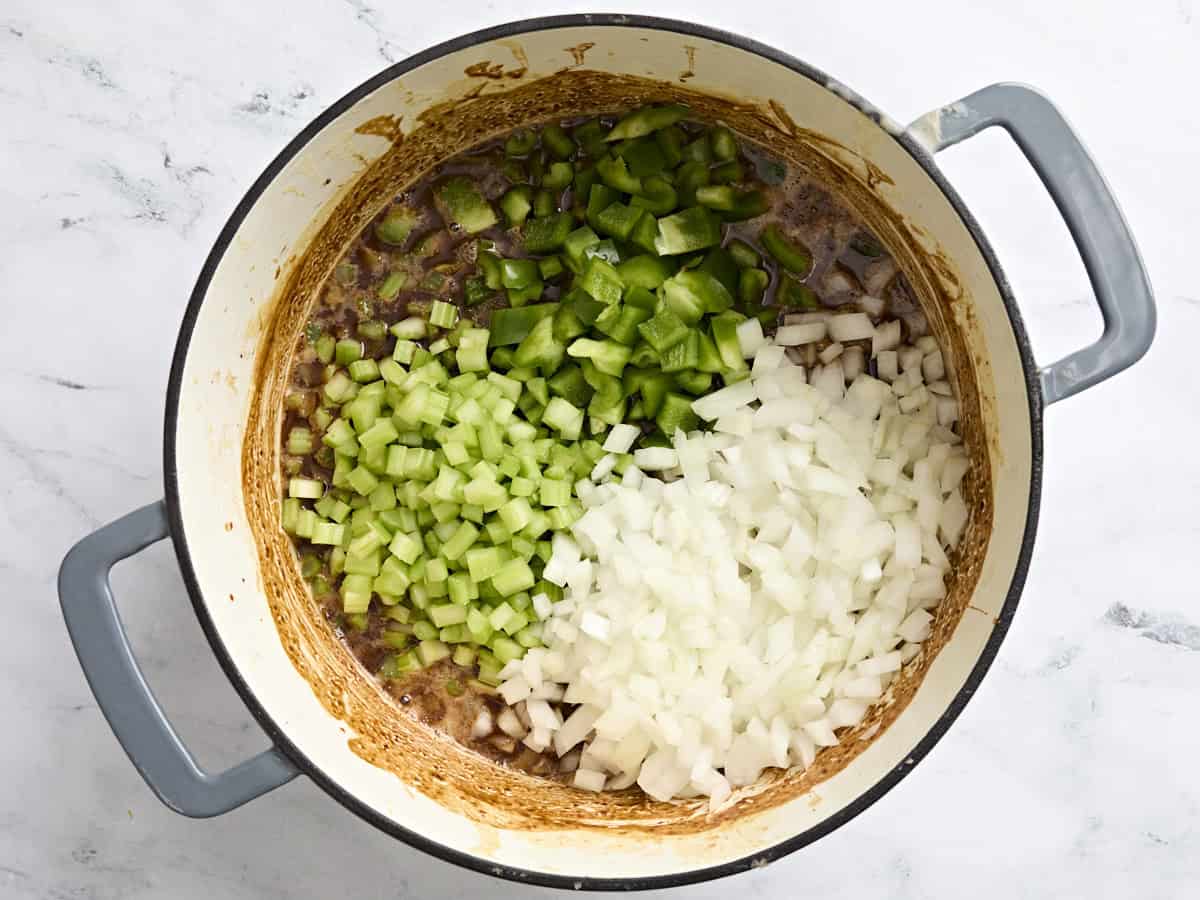
Once the roux achieves a deep mahogany hue, the "holy trinity"—a foundational vegetable base consisting of one diced onion, one green bell pepper, and three ribs of celery—is introduced. This combination is the Cajun equivalent of a French mirepoix. The moisture from the vegetables serves to deglaze the pan and halt the darkening of the roux. After five minutes of softening, two cloves of minced garlic and 12 ounces of okra are added to provide further aromatic depth and natural thickening properties.
Phase IV: Simmering and Emulsification
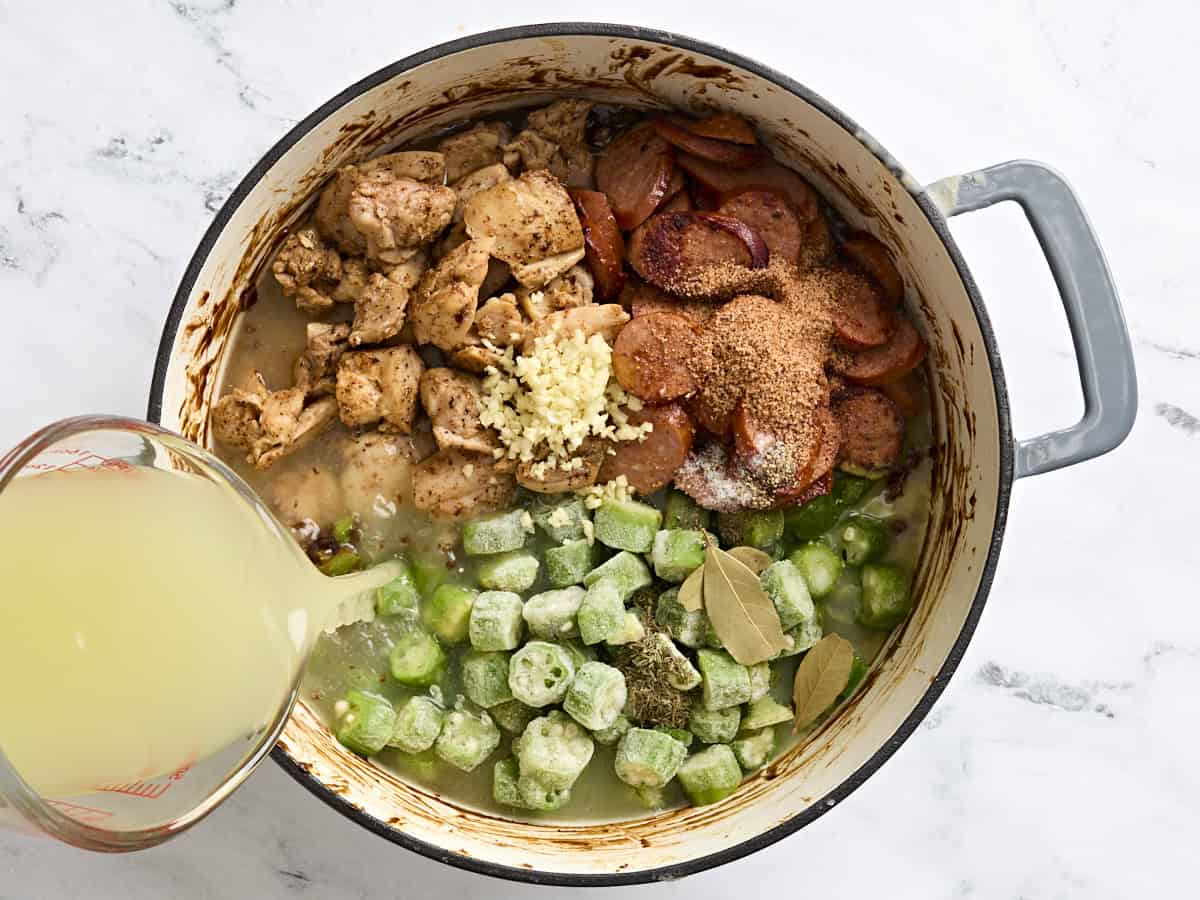
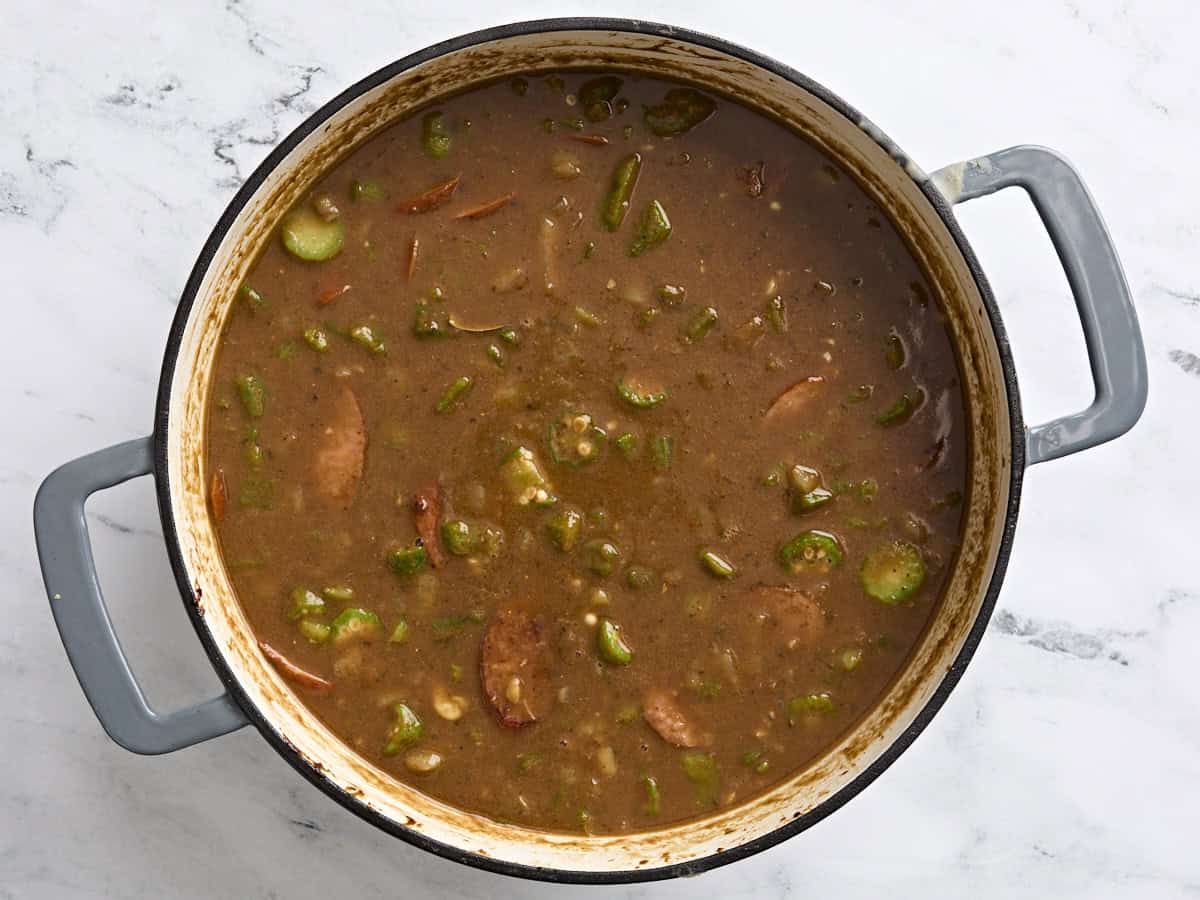
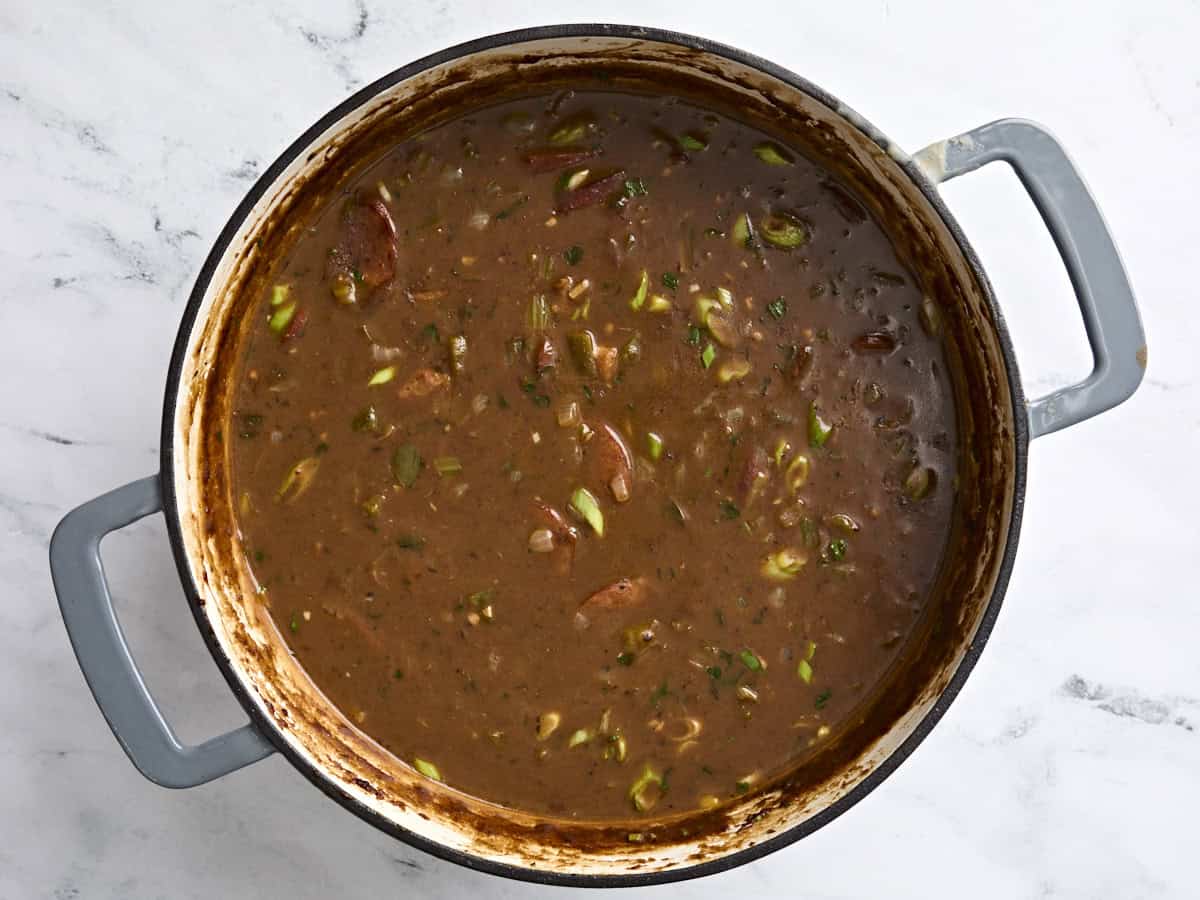
The final stage involves the reintegration of the seared meats and the addition of chicken broth. The stew is seasoned with dried thyme, bay leaves, salt, and black pepper, then brought to a boil before being reduced to a simmer. For 30 minutes, the ingredients undergo a process of emulsification, where the dark roux binds the broth and fats into a cohesive, velvety sauce. In the final five minutes of cooking, hot sauce, fresh parsley, and green onions are added to provide a bright, acidic contrast to the heavy, smoky base.
Economic and Nutritional Analysis
In an era of rising food costs, the Nashville Test Kitchen’s gumbo recipe provides a compelling case study in "budget-friendly" nutrition. The total cost for a full recipe, which yields eight generous servings, is calculated at $15.06. This economic efficiency is achieved through the strategic selection of ingredients:

- Protein Selection: Chicken thighs are utilized over more expensive breast meat or seafood. Thighs offer higher fat content, which prevents the meat from drying out during the long simmering process.
- Okra Sourcing: The recipe recommends frozen okra, which significantly reduces the price point without sacrificing the mucilaginous properties required for the stew’s texture.
- Base Ingredients: Flour and oil, the primary components of the roux, are among the lowest-cost staples in the modern pantry.
Nutritional Data Overview
Per serving (including a standard portion of white rice), the dish provides:
- Calories: 673 kcal
- Protein: 27g (54% of Daily Value)
- Carbohydrates: 58g
- Fat: 37g
- Sodium: 1280mg (56% of Daily Value)
- Fiber: 4g
While the sodium content is relatively high—a common trait in smoked meat dishes—the high protein and caloric density make it a robust "one-pot" meal capable of sustaining labor-intensive lifestyles.
Expert Analysis and Regional Reactions
The release of this refined methodology has prompted discussions among culinary professionals regarding the "standardization" of home-style recipes. Melissa Nolan’s background in high-end gastronomy (Per Se) and hospitality (FSU) brings a level of technical precision to a dish that is traditionally passed down through oral history and "MawMaw" (grandmother) intuition.
"Gumbo is deeply personal," Nolan noted in her assessment. "Every family in Louisiana has a different answer for what makes a perfect pot."
Culinary historians suggest that the "Nashville Method" represents a growing trend in American food media: the professionalization of folk recipes. By providing step-by-step photographic evidence and precise timing for the roux, developers are lowering the barrier to entry for non-Southern cooks while maintaining the integrity of the regional identity.

Broader Implications for Modern Home Cooking
The implications of this gumbo analysis extend beyond the kitchen. It highlights a shift in consumer behavior toward "slow cooking" as a form of value-added labor. While the recipe requires three hours of active and passive time, the resulting cost savings and yield provide a buffer against the convenience-fee culture of the modern food industry.

Furthermore, the dish’s ability to be stored and reheated—lasting 3-4 days in refrigeration or up to three months in a freezer—aligns with the growing "meal prep" movement. As household budgets tighten, the ability to produce a restaurant-quality, culturally rich meal for under $2.00 per serving is becoming a vital skill for the modern consumer.
In conclusion, the Nashville Test Kitchen’s deep dive into gumbo serves as both a technical manual and an economic manifesto. It proves that the most "expensive" ingredient in traditional cooking is often not the protein or the spice, but the time invested in the process. By mastering the dark roux and respecting the "holy trinity," home cooks can preserve a piece of Louisiana history while navigating the financial complexities of the 21st-century food landscape. The result is a dish that would, as Nolan suggests, make a "MawMaw" proud, while satisfying the rigorous standards of a professional test kitchen.
