
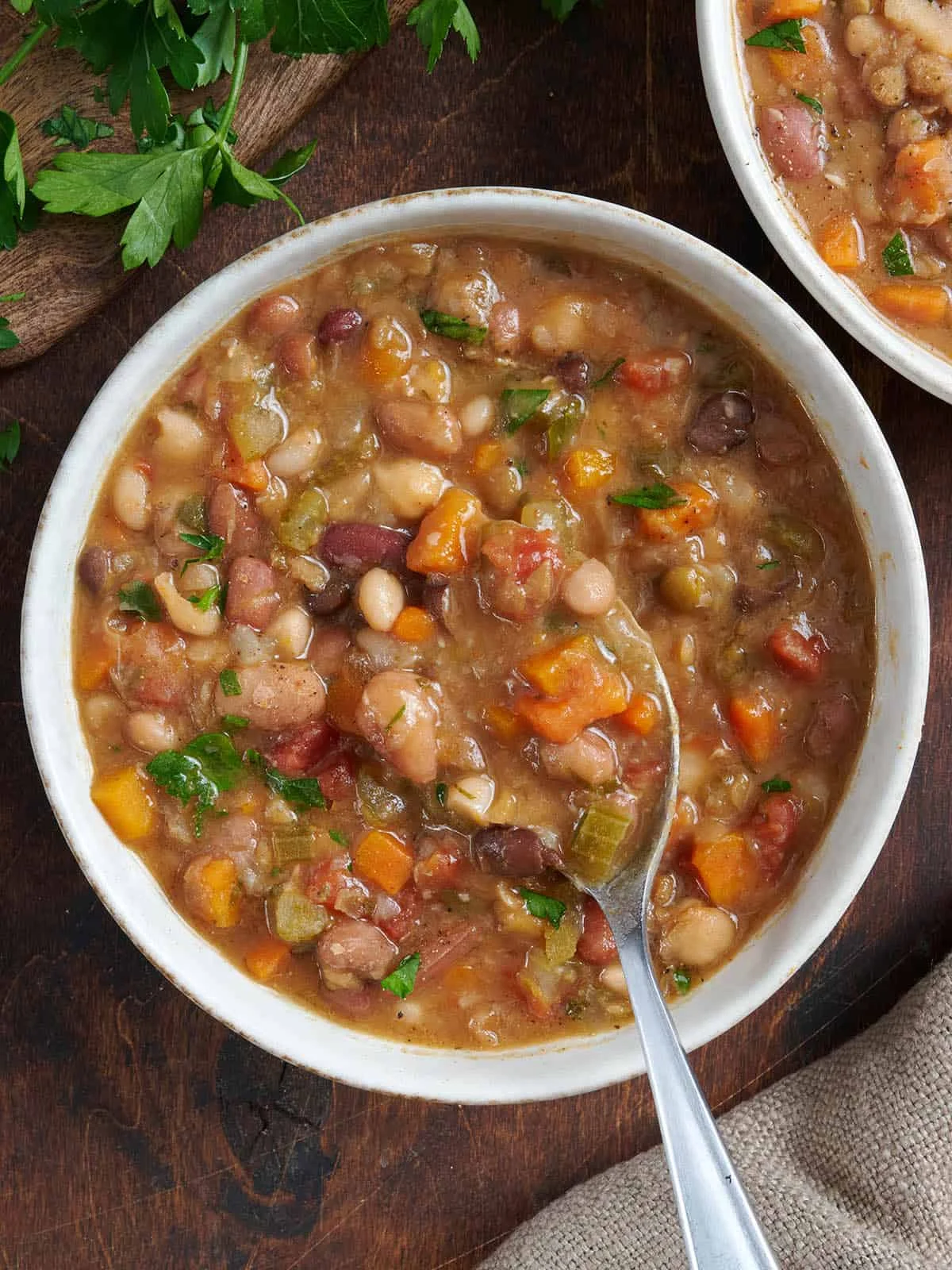
The landscape of domestic culinary habits is undergoing a significant shift as inflationary pressures and a heightened awareness of plant-based nutrition drive consumers toward shelf-stable, high-density protein sources. Among the most prominent solutions emerging in the "budget-gourmet" sector is the 15-bean soup, a dish that combines a diverse array of legumes to provide a comprehensive profile of fiber, protein, and antioxidants. While traditionally prepared with smoked meats, the modern adaptation of this recipe—rigorously tested in the Nashville Test Kitchen—demonstrates that a vegan-friendly approach can achieve comparable depth of flavor through strategic seasoning and a refined cooking methodology.
The Nutritional and Economic Landscape of Legumes
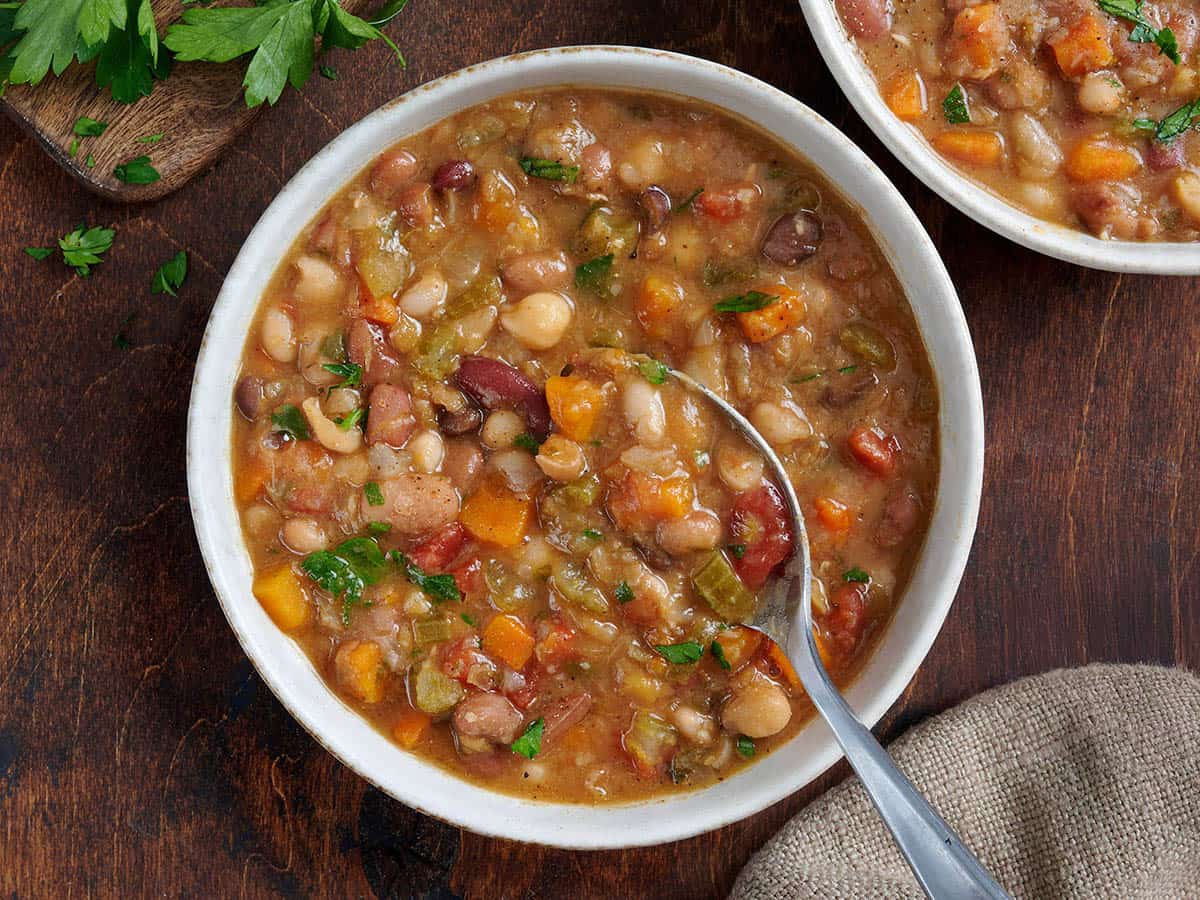
The global food market has seen a marked increase in the price of animal proteins, leading many households to seek alternatives that do not compromise on nutritional value. Beans have long been classified as a "superfood" by nutritionists due to their dense concentration of essential nutrients. A single serving of the vegetarian 15-bean soup provides approximately 303 calories, 17 grams of protein, and a staggering 16 grams of dietary fiber, representing 67 percent of the recommended daily value.
From an economic perspective, the 15-bean soup represents an apex of cost-efficiency. With a total recipe cost estimated at $6.76, the price per serving drops to approximately $0.85. This stands in stark contrast to meat-based stews, which can cost three to four times as much per portion. The use of dry beans, such as those provided by the Hurst’s Brand—a staple in American grocery stores—allows for long-term storage without the need for refrigeration, further reducing the "hidden" costs of food waste and energy consumption.
Chronology of Preparation: From Dry Pantry Staple to Table
The transformation of dry legumes into a palatable, nutrient-dense soup requires a specific chronological sequence to ensure both digestibility and flavor development. Culinary experts emphasize that the preparation begins long before the heat is applied.
Phase I: The Hydration Period
The process commences with an 8-hour soaking period, typically conducted overnight. This stage is critical for two reasons: it reduces the cooking time significantly and helps to break down complex sugars (oligosaccharides) that can cause digestive discomfort. The 20-ounce bean mix, which includes varieties such as pinto, black, navy, kidney, garbanzo, and lima beans, is submerged in water at a ratio of two-to-one. Following the soak, the beans must be drained and rinsed thoroughly to remove residual surface starches.
Phase II: The Aromatic Base
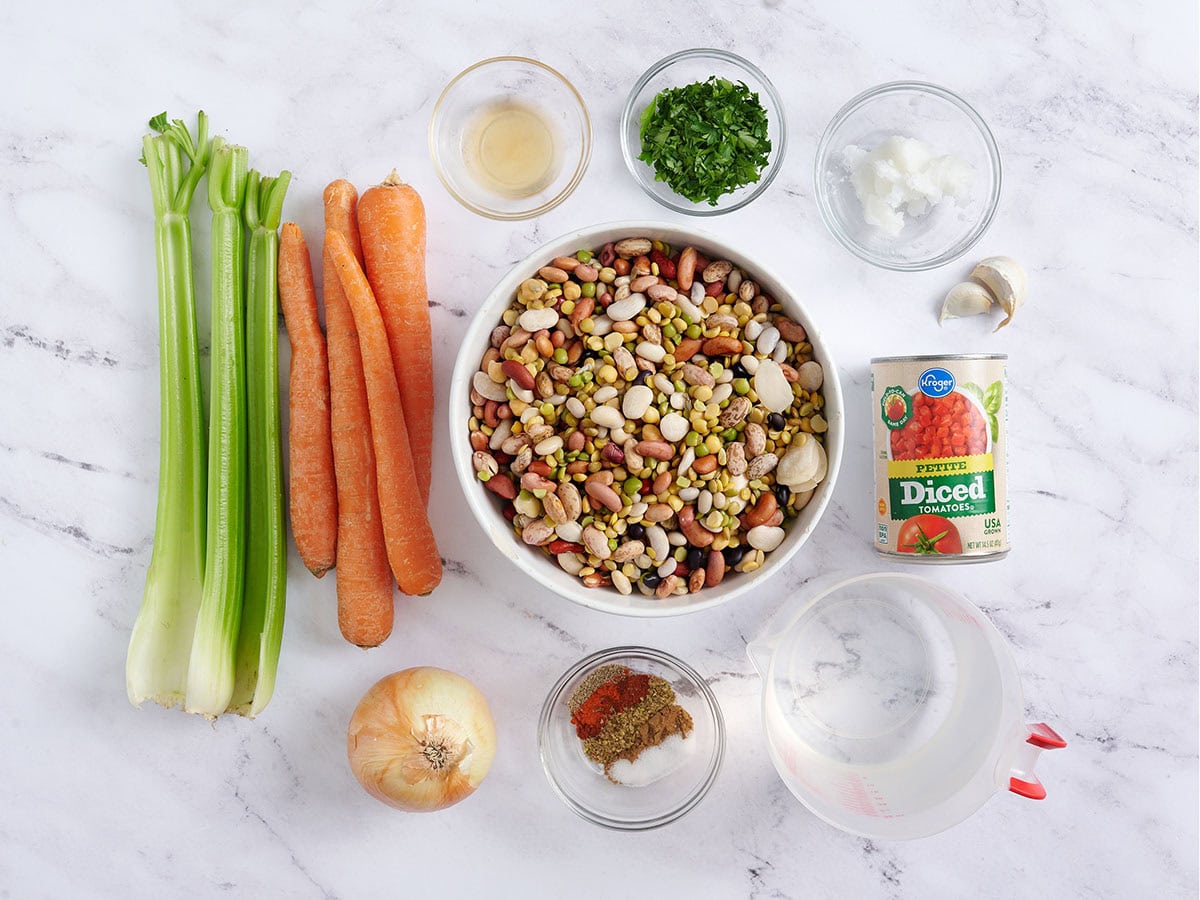
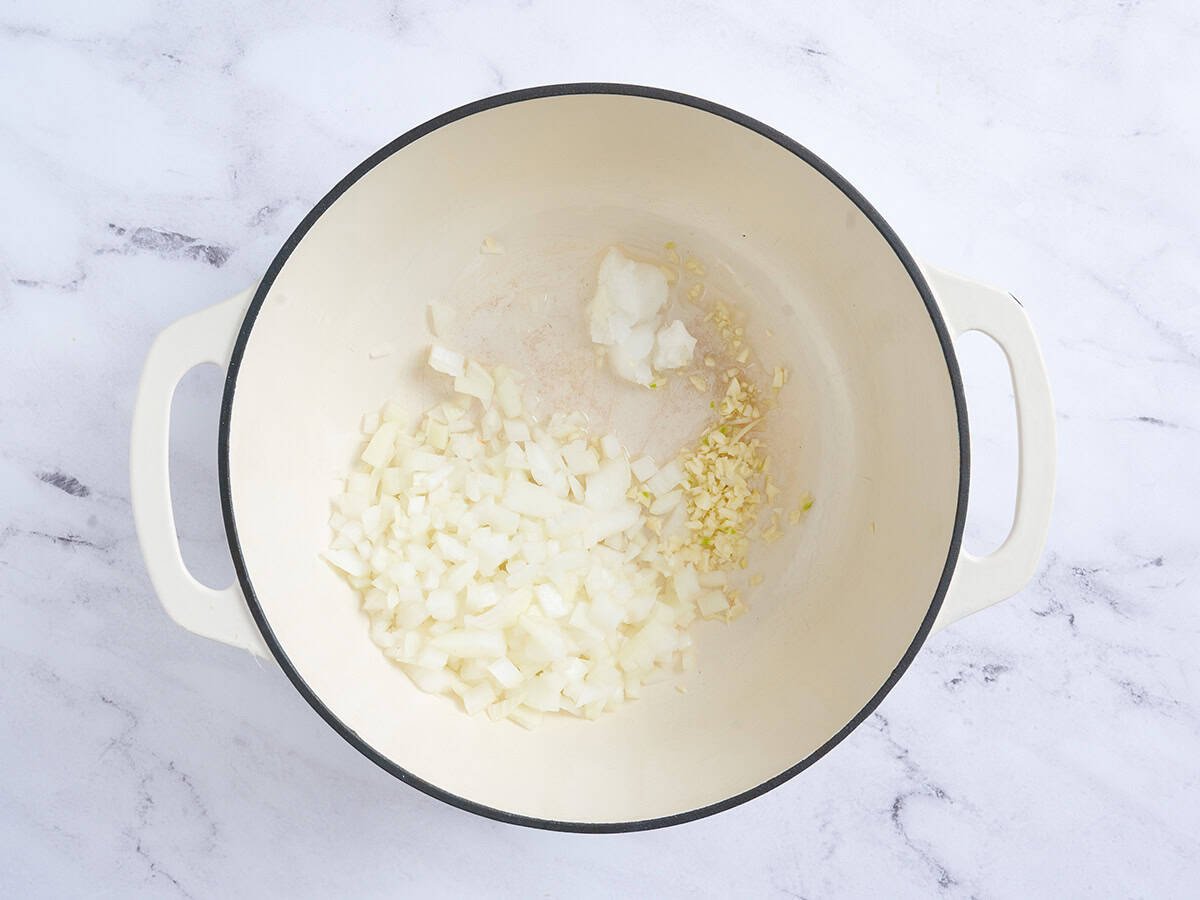
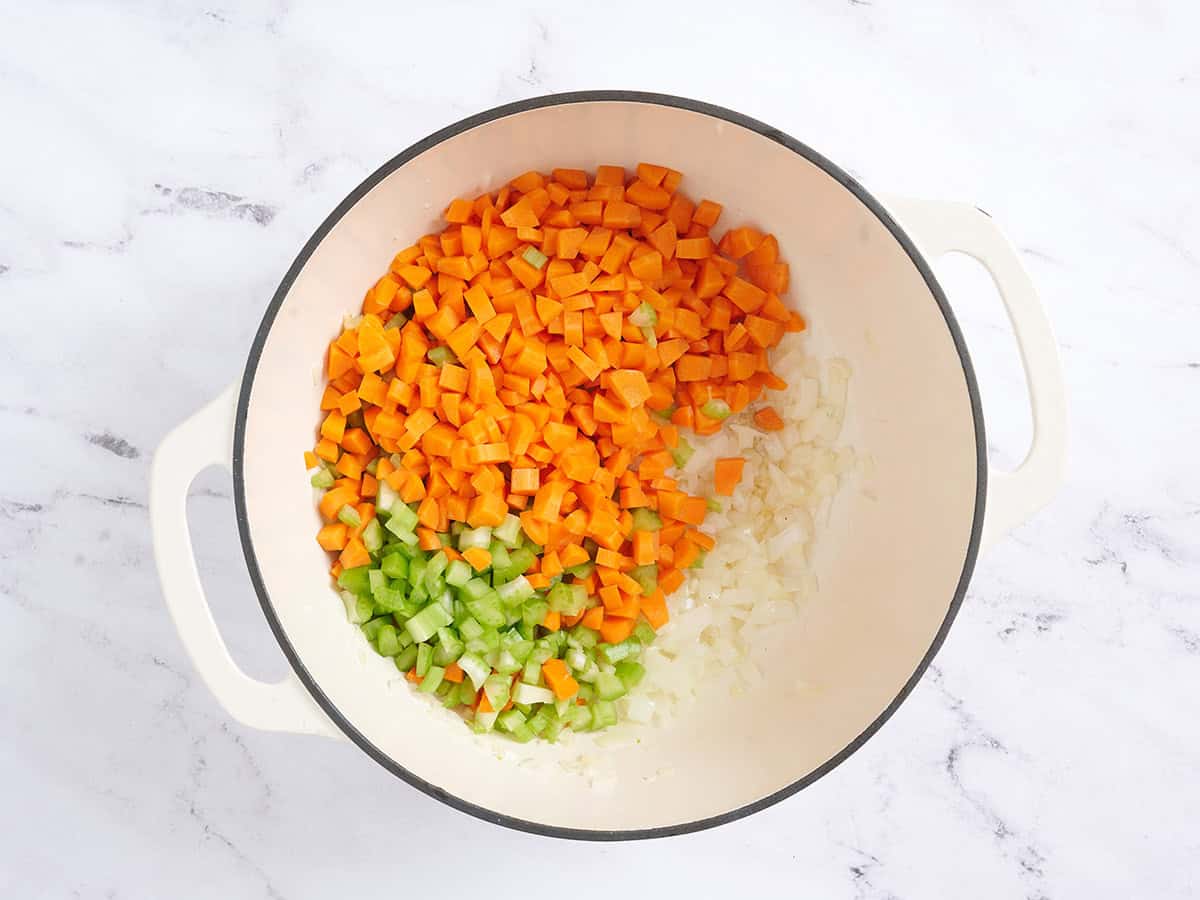
The flavor profile is built upon a traditional mirepoix, though modified for the specific needs of a vegetarian broth. In the Nashville Test Kitchen’s protocol, one yellow onion and two cloves of minced garlic are sautéed in coconut oil. The choice of coconut oil is a deliberate culinary decision intended to mimic the rich "mouthfeel" of animal fats, providing a level of satiety often missing from water-based vegetable soups. This is followed by the addition of four diced carrots and three ribs of celery, sautéed until the initial softening of the cell walls occurs.
Phase III: The Primary Simmer
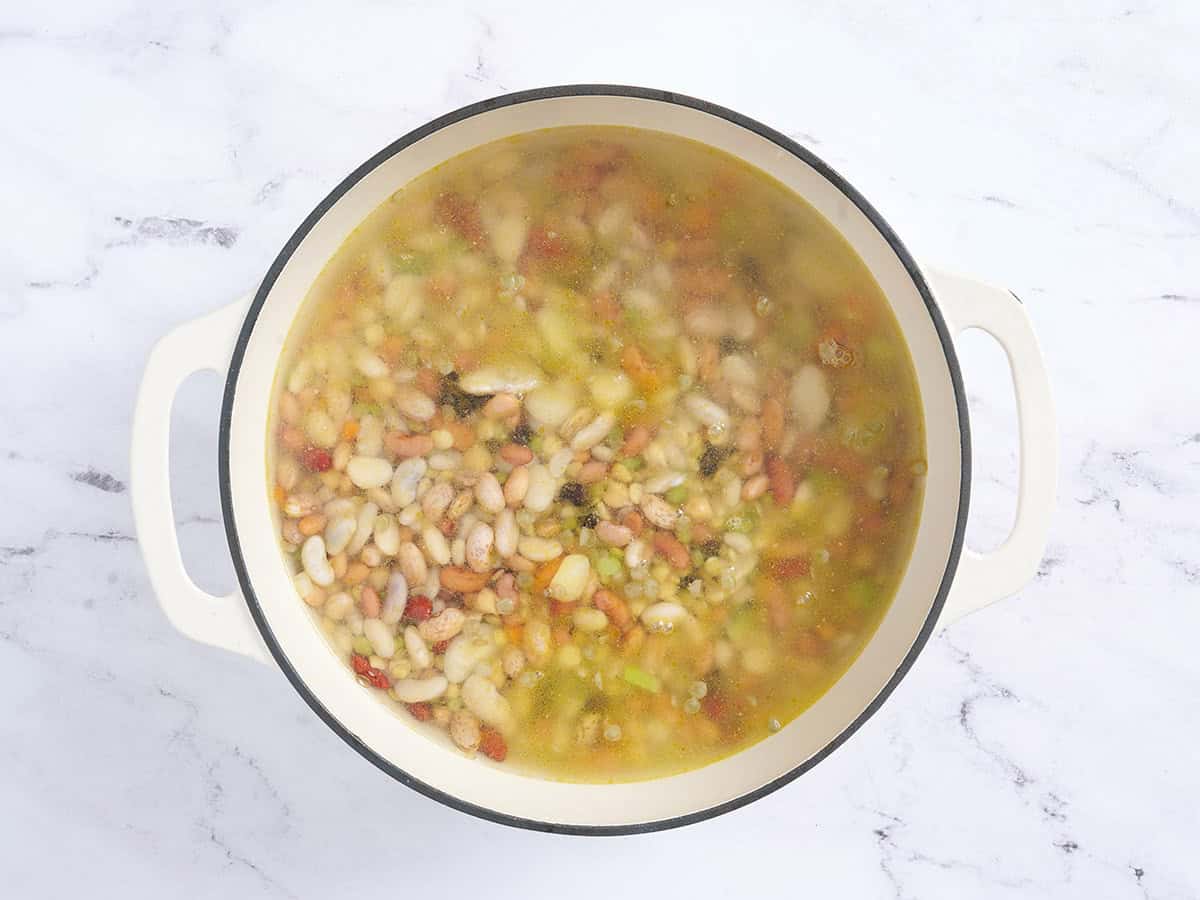
Once the aromatics are prepared, the hydrated beans are added to the pot along with six cups of water. The mixture is brought to a boil and then reduced to a low simmer for 90 minutes. During this window, the legumes undergo a physical breakdown; the water becomes cloudy as starches are released, creating a natural thickening agent that gives the soup its characteristic body.
Phase IV: Flavor Fortification and Acid Balance
The final 20 minutes of the cooking process are dedicated to "top note" seasoning. This includes the introduction of 15 ounces of diced tomatoes, which provide acidity and umami, and a blend of smoked paprika, cumin, oregano, and cayenne pepper. Crucially, salt is withheld until the final stage of cooking. Adding salt too early can toughen the skins of the beans, preventing them from reaching the desired creamy consistency. The process concludes with the addition of apple cider vinegar, a technique used by professional chefs to "brighten" the heavy earthiness of the beans and balance the savory spices.
Scientific Analysis of the 15-Variety Mix
The decision to utilize 15 different bean varieties is not merely aesthetic; it is rooted in nutritional diversity. Different legumes offer varying ratios of micronutrients. For instance, black beans are high in anthocyanins (antioxidants), while kidney beans are an excellent source of molybdenum and folate. By consuming a multi-variety mix, the consumer ensures a broader spectrum of amino acids and minerals than would be found in a single-variety bean soup.

Furthermore, the inclusion of different sizes and textures—ranging from the large, buttery lima bean to the small, firm lentil—creates a complex sensory experience. As some beans break down faster than others, they naturally thicken the broth while the more resilient varieties provide a necessary "bite" or texture to the dish.
Consumer Reception and Test Kitchen Validation
The efficacy of this vegetarian adaptation is reflected in user feedback and professional testing. Linda Wilson, a frequent home cook, noted that the recipe managed to be "so nourishing and so flavorful" without the traditional reliance on ham hocks or bacon. This sentiment is echoed by culinary researchers who advocate for the "low and slow" method of bean preparation to maximize flavor extraction from dry spices.
The Nashville Test Kitchen, known for its focus on affordability and ease of execution, subjected this recipe to rigorous trials to ensure that the $0.85 per serving cost was achievable for the average consumer using standard supermarket ingredients. The results confirmed that the omission of the pre-packaged seasoning envelopes—often high in sodium and artificial flavorings—in favor of a DIY spice blend resulted in a superior health profile without sacrificing palatability.
Sustainability and Broader Implications
The rise of recipes like the 15-bean soup has implications that extend beyond the individual kitchen. Legumes are among the most sustainable crops globally. They possess the unique ability to "fix" nitrogen in the soil, reducing the need for synthetic fertilizers. Additionally, the water footprint of bean production is significantly lower than that of beef or pork.
In the context of global food security, the reliance on shelf-stable legumes offers a buffer against supply chain disruptions. As climate change and geopolitical instability continue to affect the availability of fresh produce and meats, the ability of a household to produce a high-protein, calorie-dense meal from a bag of dry beans is a vital component of food resilience.
Storage, Reheating, and Culinary Versatility
The structural integrity of bean soup makes it an ideal candidate for large-scale meal preparation. The soup is noted to "taste even better the next day" as the spices continue to infuse the legumes during the cooling process.
Preservation Guidelines
- Refrigeration: The soup remains viable for 3 to 4 days when stored in airtight containers.
- Freezing: Due to the low water-activity of the cooked beans, the soup can be frozen for up to three months. Experts suggest portioning the soup into single-serving containers before freezing to allow for efficient reheating.
- Reconstitution: Upon reheating, the starches may have thickened the liquid into a gel-like consistency. The addition of a small amount of water or vegetable broth during the reheating process is recommended to restore the original texture.
Serving Suggestions and Customization
While the core recipe is strictly vegan, its versatility allows for various dietary modifications. For those not adhering to a vegan diet, toppings such as shaved Parmesan, sour cream, or Greek yogurt can add a tangy creaminess. To maintain the vegan profile while increasing caloric density, the soup is frequently paired with cornbread, crusty no-knead bread, or a scoop of white rice. The latter creates a "complete protein," as the amino acids in rice complement those in beans to provide all nine essential amino acids required by the human body.
Conclusion
The Vegetarian 15 Bean Soup stands as a testament to the fact that economical cooking does not require a sacrifice in nutritional quality or culinary sophistication. By leveraging the inherent strengths of dry legumes and employing disciplined cooking techniques, home cooks can produce a meal that is environmentally responsible, budget-friendly, and health-conscious. As the culinary world continues to move toward sustainable practices, the humble bean—specifically in its 15-variety iteration—is poised to remain a cornerstone of the modern pantry.
