
The Enduring Significance of Mothering Sunday in the UK

Mothering Sunday in the UK carries a distinct historical and cultural weight, differing subtly from the internationally recognized Mother’s Day observed in many other countries, including the United States. Originating in the medieval period, Mothering Sunday was a Christian celebration held on the fourth Sunday of Lent. It was a day when congregants were encouraged to return to their ‘mother church’ – the main church or cathedral of their area – for a special service. This tradition often saw domestic servants and apprentices, who were given the day off, making a pilgrimage to their home parishes to reunite with their families.

During these reunions, it became customary to bring small gifts, often wildflowers gathered along the journey, or a special cake. The most famous of these cakes is the Simnel cake, a rich fruit cake with a layer of marzipan in the middle and topped with eleven marzipan balls, traditionally representing the eleven faithful apostles (excluding Judas Iscariot). This cake served as a welcome break from the Lenten fast and symbolized the warmth and comfort of home. Over centuries, while the religious observance waned, the essence of family reunion and honoring mothers persisted, eventually merging with and being revitalized by the influence of the American Mother’s Day in the 20th century. Today, Mothering Sunday remains a deeply personal occasion, marked by gestures of gratitude, often expressed through shared meals and thoughtful gifts.

A Culinary Chronicle: The Evolution of Mothering Sunday Feasts

The culinary landscape of Mothering Sunday has evolved significantly, mirroring broader societal changes and culinary trends. In its earliest forms, the focus was on simple, sustaining fare, such as the aforementioned Simnel cake. The scarcity of ingredients during Lent meant that any special treat was highly anticipated. As the centuries progressed and the industrial revolution reshaped family structures, the tradition of children returning home became less common, and the observance of Mothering Sunday declined.

However, the early 20th century saw a concerted effort to revive Mothering Sunday. Constance Penswick-Smith, an English vicar’s daughter, launched a campaign in 1913 to restore the tradition, emphasizing the importance of honoring mothers. Her efforts, combined with the later influence of American servicemen introducing their Mother’s Day customs during and after World War II, led to a resurgence of the day. This revival saw the introduction of new traditions, such as sending cards and giving flowers, alongside the continued emphasis on family gatherings and special meals.

The post-war era, with its burgeoning interest in home baking and domesticity, cemented Mothering Sunday as a prime occasion for homemade treats. Cookbooks began featuring special recipes for the day, and baking became a cherished activity for children to prepare for their mothers. Today, the celebration blends these historical roots with modern culinary practices, offering a wide array of options from elaborate afternoon teas to comforting breakfasts in bed, all designed to make mothers feel cherished.

Karen Burns-Booth’s Curated Spring Collection: A Blend of Nostalgia and Fresh Flavors

Karen Burns-Booth, a respected food writer and purveyor of traditional and vintage recipes through Lavender and Lovage, brings a unique perspective to Mothering Sunday fare. Her collection for 2026 is particularly poignant, incorporating recipes inherited from her late mother, infusing the culinary choices with a deep sense of personal history and emotional resonance. This connection to family heritage underscores the very spirit of Mothering Sunday, transforming simple ingredients into expressions of love and memory.

The emphasis on "spring recipes" is deliberate. Spring, a season of renewal and fresh growth, offers a vibrant palette of ingredients that lend themselves beautifully to celebratory cooking. Think bright citrus, delicate elderflower, early berries, and tender greens. These seasonal elements infuse the dishes with a lightness and freshness that perfectly complements the uplifting mood of the occasion.

Indulgent Beginnings: Breakfast and Brunch Ideas

A classic and enduring gesture of appreciation on Mothering Sunday is a leisurely breakfast or brunch served in bed. This simple act of service allows mothers to start their day feeling pampered and cared for. Karen Burns-Booth’s collection provides a spectrum of choices, from savory delights to sweet indulgences.

For those who appreciate a more substantial and elegant start, options like "Smoked Salmon Egg in a Basket" offer a sophisticated twist on breakfast staples. The combination of rich smoked salmon with a perfectly cooked egg, nestled within toasted bread, speaks of thoughtful preparation. Other savory choices could include an "Egg in a Cup" or "Microwave Omelette in a Mug," providing quick yet comforting options for a fuss-free start. These dishes are not only delicious but also allow for customization, catering to individual preferences.

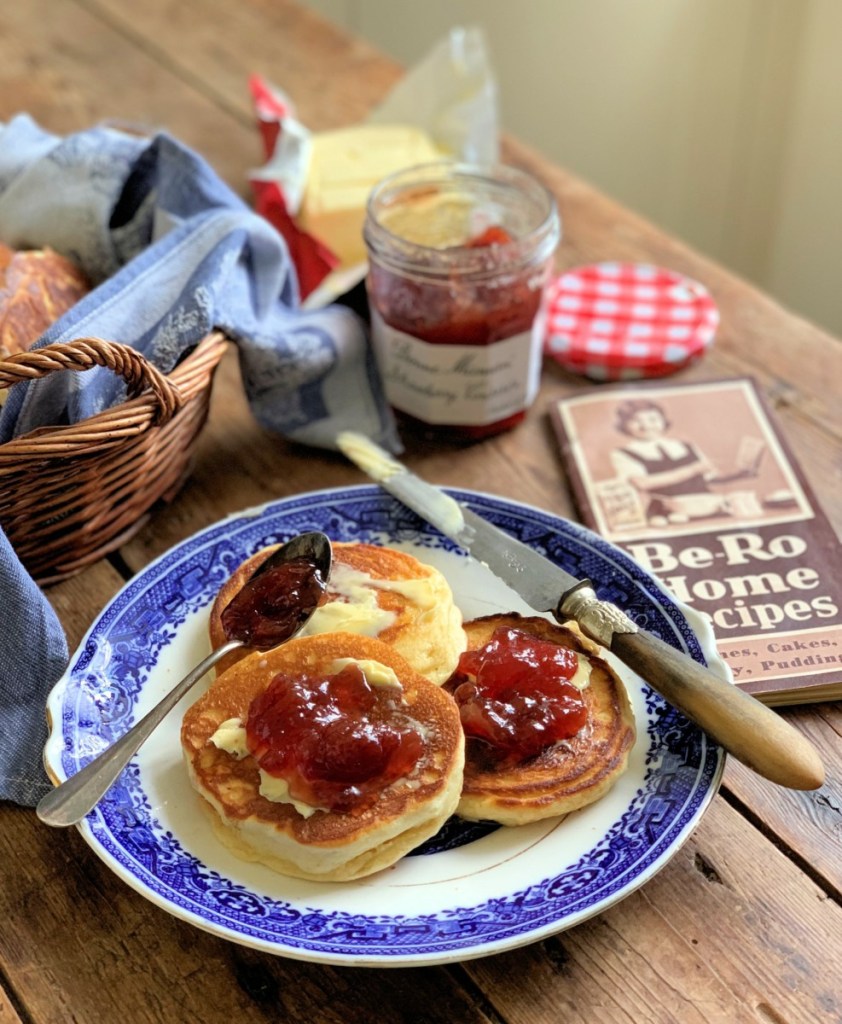
On the sweeter side, "Drop Scones" (also known as Scotch Pancakes) are a perennial favorite, light and fluffy, perfect with a dollop of cream and fresh berries. "Jam Fingers (Slices)" offer a nostalgic touch, reminiscent of childhood treats, and are ideal for those who enjoy a simple, fruit-filled pastry. The beauty of these breakfast and brunch recipes lies in their ability to be prepared with relative ease, allowing even novice cooks to create a memorable morning for their mothers. The underlying implication is that the effort, however small, is what truly matters, signifying love and appreciation.

The Quintessential Afternoon Tea: A British Tradition Reimagined

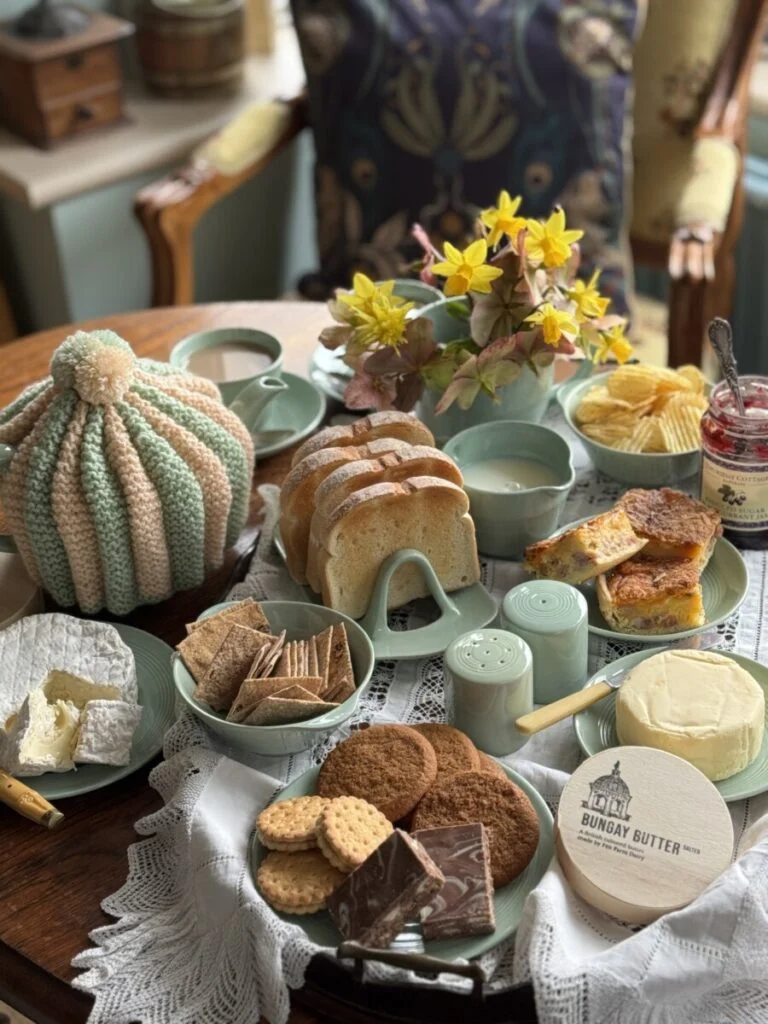
Afternoon tea holds a special place in British culinary heritage, and it is a particularly popular choice for Mothering Sunday celebrations. It offers an elegant and varied spread, perfect for an intimate family gathering. Karen Burns-Booth’s selection delves into the heart of this tradition, featuring an array of cakes, scones, and smaller pastries.

Cakes and Tarts: The collection showcases a delightful assortment of cakes, each promising a taste of nostalgia and comfort. The "Simnel Cake," with its traditional marzipan topping, is a direct nod to the historical roots of Mothering Sunday. Other offerings like "Old-Fashioned Milk Chocolate Cake" and "Queen Cakes" evoke a sense of timeless baking, often passed down through generations. "Lemon & Elderflower Cake with Raspberries" and "Apple Rose Tarts" bring in the freshness of spring, with bright, floral, and fruity notes. The visual appeal of "Apple Rose Tarts," with their meticulously arranged apple slices resembling rose petals, adds an artistic touch. Smaller, delicate options such as "Lemon Curd Fairy Cakes," "Old-Fashioned Almond Rice Cakes," and "Vanilla Butterfly Cakes" are perfect for a diverse afternoon tea spread, offering bite-sized bursts of flavor. The inclusion of "Cherry Bakewell Fairy Cakes," "Strawberries & Cream Midsummer Fairy Cakes," and "Princess Elizabeth Cakes" further exemplifies the variety and charm of classic British baking, each with its own history and beloved taste profile.

Scones: No afternoon tea is complete without scones, and Karen includes two distinguished variations: "Be-Ro Victoria Scones" and "Buckingham Palace Fruit Scones." These recipes speak to different preferences, with Victoria scones often being plain or cheese-based, and fruit scones incorporating currants or raisins. The mention of "Buckingham Palace" suggests a royal seal of approval or a recipe inspired by royal traditions, adding an extra layer of prestige and historical interest. Served warm with clotted cream and jam, scones are a simple yet utterly luxurious component of any Mothering Sunday tea.

Tea Loaves and Simpler Bakes: For those seeking less elaborate but equally satisfying options, the "Tea Cakes and Tea Loaves" section provides excellent choices. These bakes are often simpler to prepare than multi-layered cakes but deliver immense flavor and comfort. "Fruit and Cherry Afternoon Tea Cake," "Old-Fashioned Ovaltine Tea Loaf," and "Sticky Marmalade Tea Loaf" offer a delightful range of textures and tastes, from fruity and sweet to subtly malty or zesty. "Quick and Easy Spice Cake," "Stem Ginger & Golden Syrup Tea Loaf," and "Old-Fashioned Malt Loaf" tap into comforting, warming flavors, perfect for a spring day that might still have a chill in the air. These loaves are ideal for slicing and serving with a cup of tea, providing a more rustic, homely feel to the celebration.

Vintage Tea Room Classics: A Journey Back in Time

The "Vintage Tea Room Recipes" category is a tribute to the golden age of British tea rooms, evoking a sense of nostalgia and traditional elegance. These recipes are often characterized by their simplicity, quality ingredients, and enduring appeal. "Old-Fashioned ‘Tea Room’ Custard Tarts" are a prime example, with their delicate pastry and creamy, sweet filling, a staple in any respectable tea room. "Chocolate Teatime Tiffin" offers a no-bake, rich, and indulgent treat, perfect for chocolate lovers. The inclusion of "Old-Fashioned Tea Cake Squares" and "Traditional Banbury Cakes" further illustrates the charm of these classic bakes, each carrying a piece of culinary history. Banbury cakes, originating from Banbury, Oxfordshire, are oval-shaped pastries filled with spiced currant mixture, historically sold at fairs and markets. These recipes are not just about food; they are about preserving culinary heritage and sharing a taste of the past.

The Personal Touch: A Legacy of Love Through Recipes

A significant element of Karen Burns-Booth’s compilation is the inclusion of her late mother’s recipes. This detail elevates the collection beyond mere culinary instruction, transforming it into a personal narrative of remembrance and legacy. Sharing these family recipes is a powerful way to keep memories alive and to honor the women who shaped our lives, demonstrating that food is often a conduit for love, comfort, and connection across generations.

This personal dimension resonates deeply with the essence of Mothering Sunday. It reminds us that the most meaningful gifts are often those imbued with personal effort and history. The act of baking a cake from a mother’s recipe, or even a cherished family cookbook, becomes a ceremonial gesture, a quiet conversation across time.

Broader Implications and Cultural Impact
The sustained popularity of celebrating Mothering Sunday with homemade food, as exemplified by Karen Burns-Booth’s compilation, has several broader implications:

- Economic Impact: The focus on home baking and special meals drives demand for ingredients, kitchenware, and culinary resources. While some may opt for dining out, the emphasis on homemade often means increased sales for local bakeries, specialty food stores, and supermarkets stocking baking supplies. The culinary sector experiences a notable uplift in the weeks leading up to Mothering Sunday.
- Social Cohesion and Family Bonding: Mothering Sunday reinforces familial bonds and traditions. The act of cooking together or preparing a meal for a loved one strengthens relationships and creates lasting memories. It serves as a designated day for families to express gratitude and spend quality time, an increasingly valued aspect in fast-paced modern life.
- Preservation of Culinary Heritage: The sharing of "vintage" and "old-fashioned" recipes plays a crucial role in preserving culinary heritage. These recipes, often simple yet profound in flavor, might otherwise be lost. Platforms like Lavender and Lovage, and writers like Karen Burns-Booth, act as custodians of these traditions, ensuring that future generations can experience the tastes of the past.
- Well-being and Mindfulness: Engaging in baking and cooking can be a therapeutic and mindful activity. For many, the process of creating food for loved ones brings joy and a sense of accomplishment. The focus on fresh, seasonal ingredients also subtly encourages a connection to nature and sustainable eating practices.
- Adaptability to Modern Lifestyles: While traditional, many of the suggested recipes are adaptable. Breakfast in bed options include quick and easy ideas like a "Microwave Omelette in a Mug," acknowledging that not everyone has hours to spend in the kitchen. This blend of tradition and practicality ensures the celebration remains accessible and enjoyable for all.
In conclusion, Karen Burns-Booth’s collection for Mothering Sunday 2026 is a heartwarming tribute to mothers and the enduring power of homemade food. From historic Simnel cakes to comforting tea loaves and elegant afternoon tea treats, each recipe offers an opportunity to create cherished memories and express profound gratitude. It serves as a reminder that in an increasingly digital world, the simple, tangible act of baking and sharing a meal remains one of the most personal and impactful ways to celebrate the maternal figures in our lives, keeping alive a rich tapestry of culinary traditions and family legacies.
