
The Evolution of Kielbasa in American Barbecue
Kielbasa, a staple of Polish culinary heritage, has undergone a transformation within the American culinary lexicon. Traditionally a garlic-forward, smoked sausage made of pork, beef, or a combination of both, it has found a permanent home in the "Texas-style" barbecue tradition and beyond. The technical appeal of kielbasa in a smoking context lies in its pre-cooked nature; most commercially available varieties are already cured and smoked, which allows the backyard cook to focus on flavor enhancement and textural refinement rather than food safety temperatures alone.
Culinary analysts note that the use of kielbasa as a "speed-cook" item serves a dual purpose. First, it acts as a "taster" or "appetizer" while longer-duration meats are still on the smoker. Second, it serves as a canvas for the "hot honey" flavor profile, a trend that has seen a 40% increase in menu mentions over the last three years. By combining the savory, often heavy notes of the sausage with the sharp, acidic sweetness of a honey-based glaze, cooks achieve a balanced palate that appeals to a wide demographic of consumers.

Technical Specifications and Preparation Chronology
The preparation of Smoked Kielbasa with Hot Honey Glaze follows a precise chronological sequence designed to maximize smoke absorption and surface area for caramelization.
Phase I: Preparation and Scoring
The process begins with the physical manipulation of the sausage casing. Experts recommend "scoring" the kielbasa—making shallow, diagonal cuts along the length of the link. This is not merely an aesthetic choice. Scoring increases the surface area exposed to the smoke and the glaze, and it prevents the internal steam from bursting the casing, which can lead to a loss of moisture and an unappealing texture.
Phase II: The Binder and Dry Rub
The application of a "binder" is a critical step in the barbecue process. In this specific methodology, a Zesty Gold BBQ Sauce—typically a mustard-based sauce—is utilized. Mustard-based binders are preferred for sausages because the acidity cuts through the high fat content of the meat. Following the binder, a "Sweet Rub" is applied. This rub usually consists of brown sugar, paprika, and various spices, which begin to form a "bark" or crust when exposed to heat.

Phase III: The Smoking Cycle
The smoker is stabilized at a consistent temperature of 225 degrees Fahrenheit (107 degrees Celsius). This "low and slow" approach is essential. Because the kielbasa is already cooked, the goal is not to reach a specific internal temperature for safety, but to allow the smoke—preferably from fruitwoods like apple or cherry—to penetrate the scored crevices. This phase typically lasts between 60 and 75 minutes.
Phase IV: The Glazing Process
In the final 10 to 15 minutes of the cook, the heat is often slightly increased or the meat is moved to a hotter zone to facilitate the "Hot Honey" glaze. The glaze, a combination of honey and capsaicin-heavy peppers or spicy BBQ sauce, is brushed onto the sausage. This creates the Maillard reaction—a chemical reaction between amino acids and reducing sugars that gives browned food its distinctive flavor.
Nutritional Data and Compositional Analysis
From a nutritional standpoint, smoked kielbasa is a protein-dense food, though it is also high in sodium and fats, which is characteristic of cured meats. A standard serving of this prepared dish (approximately 4 ounces) contains the following estimated values:

- Calories: 416 kcal
- Total Fat: 33g (Saturated Fat: 12g)
- Protein: 17g
- Carbohydrates: 12g (largely from the honey-based glaze and sugar-based rub)
- Sodium: 1261mg
- Cholesterol: 79mg
The high sodium content is a result of the curing process inherent in kielbasa production, while the carbohydrate count is significantly higher than plain sausage due to the addition of the Sweet Rub and Hot Honey BBQ Sauce. Dietary experts suggest that when incorporating this into a meal, it is best balanced with high-fiber vegetables or acidic sides like coleslaw to mitigate the richness of the fats and sugars.
The Rise of the BBQ Charcuterie Board
The Smoked Kielbasa with Hot Honey Glaze has found its primary modern application not as a main course, but as the centerpiece of the "BBQ Charcuterie Board." This trend, often referred to colloquially as "Meat Boards," has revolutionized how social gatherings are catered. Unlike traditional French charcuterie, which relies on cold, cured meats like prosciutto or salami, the BBQ version emphasizes warm, freshly smoked elements.
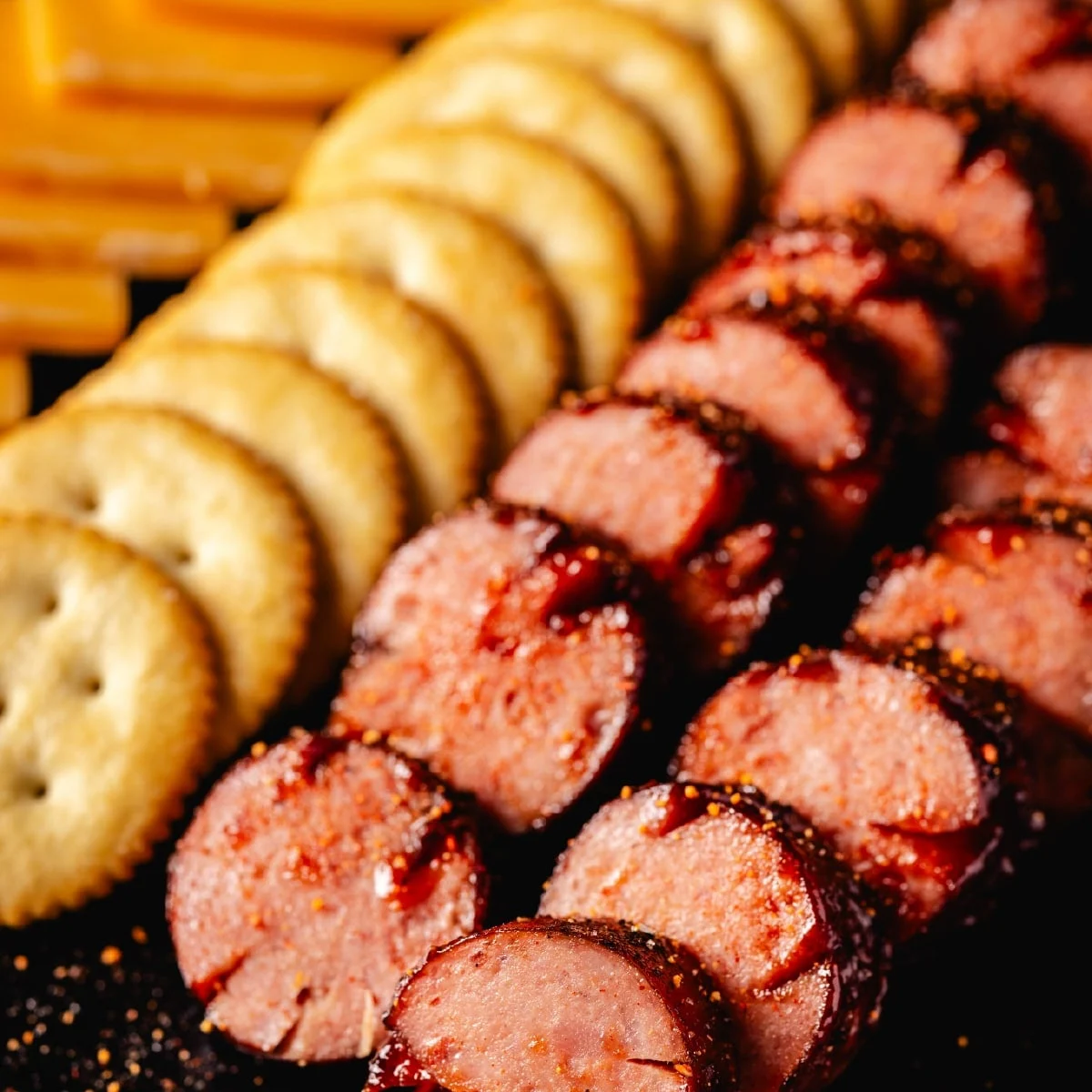
Market research indicates that the "sharable" nature of these boards has increased their popularity on social media platforms, which in turn has driven the demand for recipes that are visually striking. The scored, glazed kielbasa, when sliced into rounds, provides a vibrant red and gold color palette that contrasts effectively with traditional board accompaniments like sharp cheddar cheese, butter crackers, and pickled jalapeños.

Market Context and Consumer Trends
The popularity of this recipe is also a reflection of the economic shifts in the meat industry. As the price of "prime" cuts like beef brisket and pork ribs has fluctuated significantly over the past 24 months, consumers have turned toward more affordable processed meats. Kielbasa remains a cost-effective option for large groups, typically costing 30-50% less per pound than high-end beef cuts.
Furthermore, the "Hot Honey" phenomenon has moved from a niche condiment to a mainstream staple. Brands like "Hey Grill Hey," founded by Susie Bulloch, have capitalized on this by creating specialized sauces that simplify the flavor-balancing process for the home cook. This "democratization of flavor" allows amateur grillers to produce results that historically required a complex understanding of spice blending and sauce reduction.
Food Safety and Storage Protocols
Because this recipe utilizes pre-smoked sausage, the safety concerns are lower than with raw poultry or pork. However, professional food handlers emphasize the "3-4 day rule." Once the vacuum-sealed package is opened and the meat is subjected to the smoking process, the shelf life is significantly reduced.

- Refrigeration: Leftovers must be stored in an airtight container or a gallon-sized zip-top bag at or below 40 degrees Fahrenheit (4 degrees Celsius).
- Reheating: To maintain the integrity of the glaze, reheating is best done in an oven or air fryer rather than a microwave, which can cause the casing to become rubbery.
- Freezing: While possible, freezing glazed meats is generally discouraged as the sugar-heavy glaze can become sticky and lose its texture upon thawing.
Implications for the Outdoor Cooking Industry
The shift toward shorter, high-impact recipes like Smoked Kielbasa with Hot Honey Glaze is forcing a shift in the outdoor cooking industry. Manufacturers of pellet grills and smokers are increasingly marketing their products based on "versatility" rather than just "capacity." The ability to run a quick 90-minute session on a weekday evening is a major selling point for the modern consumer who may not have 12 to 16 hours to dedicate to a traditional smoke.
In conclusion, the Smoked Kielbasa with Hot Honey Glaze is more than just a simple snack; it is a representative example of the current state of American barbecue—efficient, flavor-dense, and highly social. By leveraging the science of smoke penetration and the chemistry of sweet-and-spicy glazes, this dish provides a high "return on investment" for cooks of all skill levels, ensuring its place as a staple of the modern backyard culinary repertoire.
