
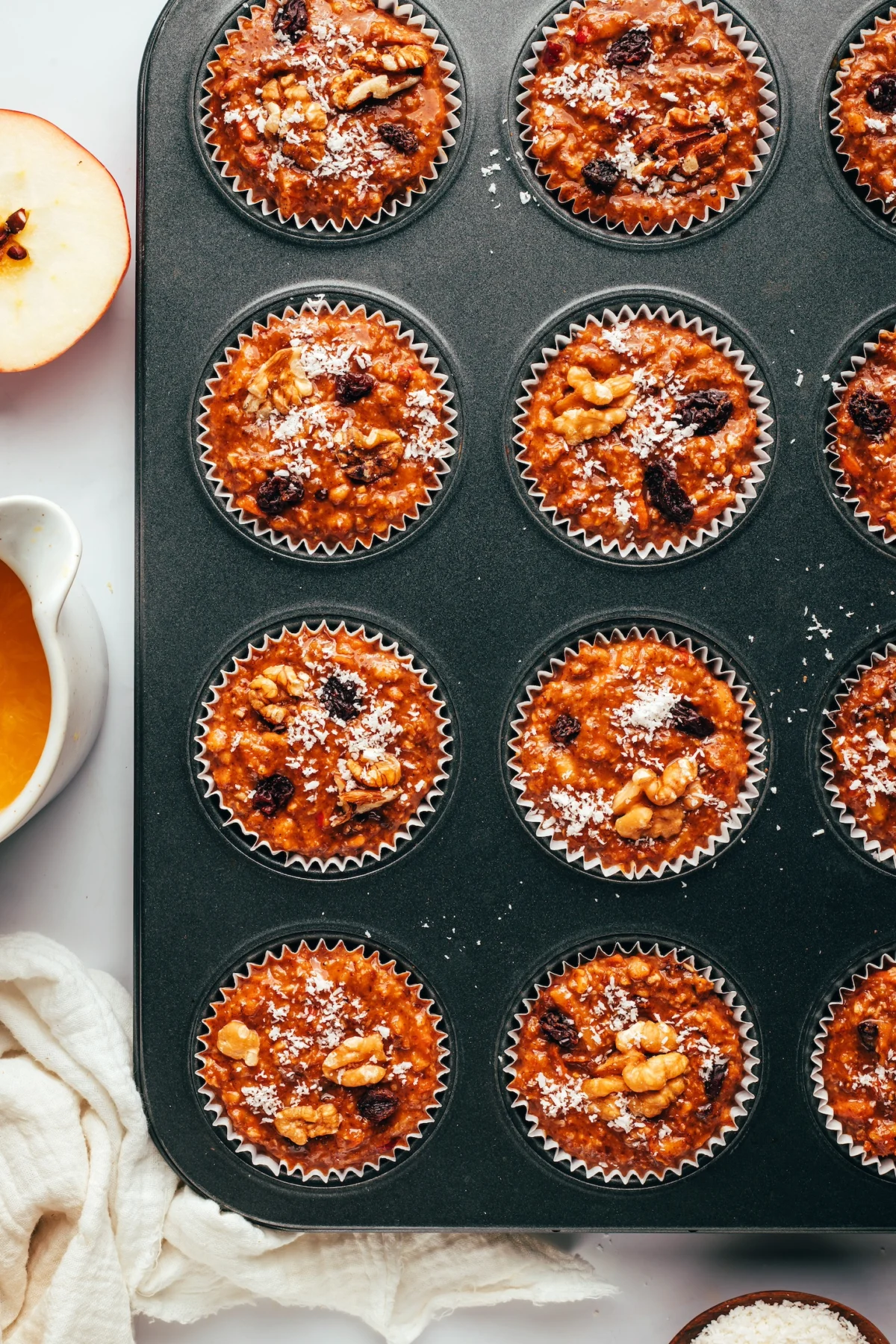
The culinary landscape continues its rapid evolution, driven by increasing consumer awareness of dietary needs and preferences. In a notable development catering to this trend, Minimalist Baker has introduced a new rendition of the classic morning glory muffin, crafted to be entirely vegan and gluten-free. This adaptation signifies a broader movement towards inclusive baking, making traditionally beloved treats accessible to a wider audience without sacrificing flavor or texture. The newly unveiled recipe features a thoughtful combination of wholesome ingredients, designed to deliver a lightly sweet, subtly spiced muffin that is both tender and satisfying, all while streamlining the preparation process into a single-bowl method.
The Genesis of a Beloved Classic: The Original Morning Glory Muffin
The original morning glory muffin holds a storied place in American breakfast culture, first appearing on menus in 1978. Its creation is attributed to Chef Pam McKinstry at her renowned Morning Glory Cafe in Nantucket, Massachusetts. McKinstry’s vision was to develop a muffin that was not only delicious but also packed with a robust array of nutritious ingredients, a stark contrast to many of the more sugar-laden pastries of the era. Her original recipe was revolutionary for its time, incorporating a medley of shredded coconut, juicy raisins, grated apple, carrots, pineapple chunks, and a generous helping of pecans or walnuts, all bound together with traditional flour, sugar, eggs, vegetable oil, and a warm hint of cinnamon. This innovative blend of fruits, vegetables, and nuts quickly earned the muffin widespread acclaim, transforming it from a local cafe specialty into a national phenomenon. The "Morning Glory" moniker itself encapsulated the healthful, vibrant start to the day that the muffin promised, quickly becoming synonymous with a wholesome, hearty breakfast option. Its enduring popularity over the decades attests to its balanced flavor profile and the perceived nutritional value derived from its abundant inclusions.
Adapting for Modern Dietary Needs: The Rise of Veganism and Gluten-Free Lifestyles

The decades following the Morning Glory Muffin’s debut witnessed significant shifts in public health awareness and dietary choices. The late 20th and early 21st centuries have seen an exponential rise in the adoption of vegan diets and an increased diagnosis of gluten-related disorders, fundamentally altering food consumption patterns and industry demands.
Veganism, once a niche lifestyle, has grown into a mainstream movement, propelled by ethical considerations regarding animal welfare, environmental concerns over the ecological footprint of animal agriculture, and perceived health benefits. According to market research, the global vegan food market was valued at approximately $26.1 billion in 2021 and is projected to reach $61.3 billion by 2028, reflecting a compound annual growth rate (CAGR) of 12.8%. This surge indicates a substantial and sustained demand for plant-based alternatives across all food categories, including baked goods. Consumers adopting a vegan diet seek products free from animal-derived ingredients such as eggs, dairy milk, and butter, prompting innovators in the food sector to develop creative plant-based substitutes that replicate the texture and richness of traditional recipes.
Concurrently, awareness and diagnosis of gluten-related conditions have dramatically increased. Celiac disease, an autoimmune disorder triggered by gluten consumption, affects about 1% of the global population. Beyond celiac disease, a significant portion of individuals experience non-celiac gluten sensitivity (NCGS), leading to symptoms like digestive discomfort, fatigue, and headaches upon ingesting gluten. The gluten-free food market, driven by these health imperatives, has similarly expanded, reaching an estimated $6.4 billion in 2020 and expected to grow at a CAGR of 9.8% from 2021 to 2028. This necessitates the development of palatable and texturally appealing gluten-free alternatives to wheat-based products. Bakers face the challenge of replacing the structural integrity and elasticity that gluten provides, often requiring a blend of different flours and starches to achieve desirable results.
These twin trends have created a substantial market gap for products that are both vegan and gluten-free, particularly for comfort foods and baked goods that traditionally rely heavily on eggs, dairy, and wheat. Food content creators and brands like Minimalist Baker are at the forefront of addressing this demand, demonstrating how classic recipes can be reimagined to meet contemporary dietary requirements without sacrificing the essence of the original.
Minimalist Baker’s Innovative Approach to the Morning Glory Muffin

Minimalist Baker, known for its focus on simple, accessible, and inclusive recipes, has meticulously re-engineered the classic Morning Glory Muffin to align with modern vegan and gluten-free standards. The core innovation lies in the careful selection of alternative ingredients that mimic the functional properties of their traditional counterparts while enhancing the nutritional profile.
Central to the gluten-free adaptation is the eschewing of almond flour, often a common substitute in gluten-free baking, in favor of a blend of oat flour and potato starch. Oat flour, derived from finely ground oats, provides a tender crumb and a subtly nutty flavor, while also contributing soluble fiber, which can aid digestion and satiety. Potato starch, a fine, white powder extracted from potatoes, is crucial for achieving a light, airy texture and helping to bind the ingredients, preventing the crumbly dryness often associated with gluten-free baked goods. This specific flour combination ensures a muffin that is notably tender and wholesome, moving away from the denser or gummier textures sometimes found in other gluten-free recipes. The brand notes that their choice of flours was deliberate, having tested alternatives such as a 1:1 gluten-free flour blend which, while still yielding a delicious muffin, resulted in a thicker batter and a slightly gummier texture. This attention to detail underscores the scientific and culinary rigor applied in their recipe development.
For the vegan component, the recipe skillfully replaces eggs with flaxseed meal, combined with orange juice to create a "flax egg." Flaxseed meal, made from ground flaxseeds, acts as an excellent binder when mixed with liquid, forming a gelatinous consistency that mimics the emulsifying properties of eggs. This substitution not only makes the muffins vegan but also adds a boost of omega-3 fatty acids and dietary fiber. The inclusion of almond milk provides a creamy, dairy-free liquid base, contributing to the overall moisture of the muffins. Instead of refined sugars, the recipe opts for natural sweeteners, aligning with the growing consumer preference for less processed ingredients. Avocado oil, a neutral-flavored and heart-healthy fat, replaces traditional vegetable oils, further enhancing the nutritional value.
The genius of this Minimalist Baker adaptation extends to its preparation method: a one-bowl recipe. This simplification is a significant appeal for contemporary home bakers, particularly those with busy schedules. The convenience of mixing all ingredients in a single bowl drastically reduces cleanup time and makes the baking process less daunting, encouraging more individuals to experiment with homemade, health-conscious options. This approach reflects a broader trend in culinary media to offer "minimalist" recipes that prioritize ease without sacrificing quality.
Nutritional Profile and Wholesome Ingredients: A Deep Dive

The revamped Morning Glory Muffin is not just a triumph of dietary inclusivity; it is also a powerhouse of nutrition, reflecting a deliberate focus on whole, unprocessed ingredients. The composition of each muffin is carefully balanced to provide sustained energy and a host of micronutrients, differentiating it significantly from many conventional baked goods.
Each serving (one muffin) contains approximately 244 calories, providing a moderate energy density suitable for a breakfast item or a substantial snack. The carbohydrate content stands at around 35.7 grams, primarily derived from complex carbohydrates in the oat flour, fruits, and starches, which contribute to sustained energy release rather than rapid sugar spikes. A noteworthy 2.8 grams of dietary fiber per muffin supports digestive health and enhances satiety, helping to keep hunger at bay.
Protein content is approximately 2.5 grams, contributed by the oat flour, flaxseed meal, and walnuts, supporting muscle maintenance and overall bodily functions. The fat content is 11.2 grams, with a favorable breakdown: 2.9 grams of saturated fat, 3.7 grams of polyunsaturated fat, and 4 grams of monounsaturated fat. The presence of healthy fats, particularly from walnuts (rich in omega-3s) and avocado oil, is beneficial for heart health and nutrient absorption. Critically, the recipe contains 0 mg of cholesterol and 0 grams of trans fat, aligning with heart-healthy dietary recommendations.
The natural sweetness of the muffins, with 16.6 grams of sugar, comes predominantly from ingredients like apples, carrots, raisins, and a natural sweetener like coconut sugar, as opposed to refined white sugar. This choice contributes to a lower glycemic load compared to many traditional muffins. Essential minerals such as potassium (180 mg), calcium (59 mg), and iron (0.8 mg) are also present, stemming from the diverse plant-based ingredients. The inclusion of carrots contributes Vitamin A (214 IU), vital for vision and immune function, while apples and orange juice provide Vitamin C (6.5 mg), an important antioxidant.
The "wholesome goodies" that defined Pam McKinstry’s original recipe are not only retained but amplified in their nutritional contribution in this vegan and gluten-free version:

- Apples and Carrots: Provide natural sweetness, fiber, and a rich array of vitamins and antioxidants, including Vitamin A from carrots.
- Raisins: Offer concentrated natural sugars for energy, along with antioxidants and fiber.
- Shredded Coconut: Contributes healthy fats and a unique texture and flavor.
- Walnuts: A cornerstone of healthy fats, protein, and omega-3 fatty acids, crucial for brain health and inflammation reduction.
- Oat Flour: A naturally gluten-free grain that provides soluble fiber (beta-glucan), known for its cholesterol-lowering effects, and a good source of manganese, phosphorus, and B vitamins.
- Flaxseed Meal: A powerhouse of omega-3 fatty acids (alpha-linolenic acid), lignans (plant compounds with antioxidant and estrogenic properties), and dietary fiber.
This meticulous selection of ingredients ensures that each muffin is not merely a treat but a nutrient-dense food item that supports overall health and well-being, making it an ideal choice for a health-conscious lifestyle.
The Craft of Inclusive Baking: Overcoming Challenges
Creating successful vegan and gluten-free baked goods presents a unique set of challenges that require a deep understanding of food science and ingredient functionality. The absence of gluten, the protein network found in wheat, means bakers must find alternative ways to provide structure, elasticity, and chewiness. Gluten is responsible for the characteristic rise and texture of traditional muffins, bread, and cakes. Without it, baked goods can become dense, crumbly, or gummy. The combination of oat flour and potato starch in this recipe is a strategic choice, with oat flour providing bulk and a tender crumb, while potato starch contributes to lightness and aids in binding.
Similarly, eggs play multiple critical roles in baking: leavening (trapping air), binding ingredients, adding moisture, and contributing to richness and color. Replacing eggs in a vegan recipe necessitates finding plant-based alternatives that can perform these functions effectively. The flaxseed meal and orange juice mixture is an intelligent solution, forming a viscous gel that acts as a powerful binder and helps to provide some lift, albeit different from egg-based leavening. The careful balance of wet and dry ingredients, along with appropriate leavening agents like baking soda, is paramount to achieving the desired moistness and rise. Overmixing can develop any residual gluten-like proteins in oats (if not certified GF), or lead to a tough texture, while undermixing can result in uneven distribution of ingredients and poor structure. The "1-bowl" method, while convenient, relies on the precise order of ingredient addition and gentle mixing to ensure success.
Preparation: A Streamlined Process for Home Bakers

The preparation process for these vegan gluten-free morning glory muffins is designed for efficiency and ease, reinforcing the "minimalist" ethos of the brand. The recipe’s 1-bowl methodology simplifies cleanup and makes the baking experience accessible even for novice bakers.
The first step involves combining orange juice with flaxseed meal. This mixture is then allowed to rest for a few minutes, during which the flaxseed meal absorbs the liquid and forms a thick, gelatinous consistency – the "flax egg" – essential for binding the muffin batter without actual eggs. This resting period is critical for the flax egg to fully develop its binding properties.
While the flax egg is setting, the baker can efficiently prepare the grated apple and carrot. The recommendation to use the large side of a box grater ensures consistent texture and allows the vegetables to integrate seamlessly into the batter, contributing moisture and natural sweetness without being overtly chunky. This step highlights the importance of proper ingredient preparation for optimal results.
Once the flax egg has thickened and the fruits and vegetables are grated, the remaining ingredients are added systematically. The wet ingredients are typically incorporated first, followed by the dry ingredients, and finally, the "goodies"—the raisins, coconut, and walnuts. This layered approach helps ensure even distribution and prevents overmixing, which can lead to tough muffins, especially in gluten-free baking where the structure is more delicate. The visual cues provided in the original content, such as the image of the bowl of batter topped with walnuts, coconut, and raisins, offer clear guidance for bakers.
The batter is then divided evenly among muffin cups. This precision ensures that all muffins bake consistently and achieve a uniform rise and texture. The baking process transforms the vibrant batter into golden-brown, aromatic muffins. After baking, a short cooling period is recommended to allow the muffins to set properly, enhancing their tender crumb and making them easier to handle. This straightforward, step-by-step process demystifies inclusive baking, empowering home cooks to create delicious, dietary-friendly treats with confidence.

Market Implications and Broader Consumer Trends
The introduction of recipes like Minimalist Baker’s Vegan Gluten-Free Morning Glory Muffins holds significant implications for the broader food market and consumer trends. It underscores a fundamental shift in consumer demand, moving beyond mere indulgence towards a preference for foods that are simultaneously delicious, nutritious, and ethically conscious.
Such recipes directly address the growing segment of "flexitarians" – individuals who primarily eat a vegetarian or vegan diet but occasionally consume meat or other animal products. This demographic is significant in driving the demand for plant-based alternatives, as they seek convenient and appealing options that align with their health and ethical goals. The market for "free-from" products (gluten-free, dairy-free, egg-free) is no longer confined to those with strict allergies or intolerances; it has expanded to include individuals seeking perceived health benefits or simply wanting to diversify their diets.
Minimalist Baker, as a prominent online culinary platform, plays a crucial role in disseminating these inclusive recipes, influencing home cooking habits and inspiring other food businesses. Their approach demonstrates that dietary restrictions do not necessitate culinary compromise. Instead, they can be catalysts for innovation, leading to new and exciting flavor profiles and textures. The success of such recipes encourages mainstream food manufacturers and restaurants to expand their allergen-friendly and plant-based offerings, thereby making these options more widely available and normalized.
Furthermore, the emphasis on "wholesome," "naturally sweet," and "satisfying" taps into the overarching wellness trend. Consumers are increasingly scrutinizing ingredient lists, opting for whole foods over highly processed alternatives. Recipes that incorporate visible fruits, vegetables, and nuts align perfectly with this desire for transparency and nutritional value. The convenience aspect, highlighted by the "1-bowl" method, also speaks to modern lifestyles where time is a premium, but the desire for homemade, healthy food remains strong.

Beyond the Muffin: A Broader Culinary Movement
The vegan and gluten-free Morning Glory Muffin is more than just a single recipe; it is emblematic of a much larger culinary movement. This movement champions inclusivity, health, and sustainability, challenging traditional notions of baking and cooking. It reflects a growing understanding that food can and should be a source of pleasure and nourishment for everyone, regardless of dietary restrictions or lifestyle choices.
This trend is reshaping the food industry at every level. Supermarket aisles are now brimming with plant-based milks, egg substitutes, and gluten-free flours, once specialty items, now staples. Restaurants are increasingly offering dedicated vegan and gluten-free menus or clearly labeling options to cater to diverse patrons. Culinary schools are adapting their curricula to include plant-based and allergen-friendly cooking techniques.
The impact extends to sustainable food systems. Plant-based diets generally have a lower environmental footprint compared to diets rich in animal products, consuming fewer resources and producing fewer greenhouse gas emissions. By promoting vegan recipes, platforms like Minimalist Baker contribute to a broader shift towards more sustainable eating patterns.
Ultimately, the Vegan Gluten-Free Morning Glory Muffin stands as a testament to culinary ingenuity and adaptability. It demonstrates that the essence of a beloved classic can be preserved and even enhanced through thoughtful innovation, creating a delicious, accessible, and nourishing option that resonates with the evolving tastes and values of today’s consumers. These muffins are not just a breakfast treat; they are a symbol of a more inclusive, health-conscious, and sustainable future for food.
