
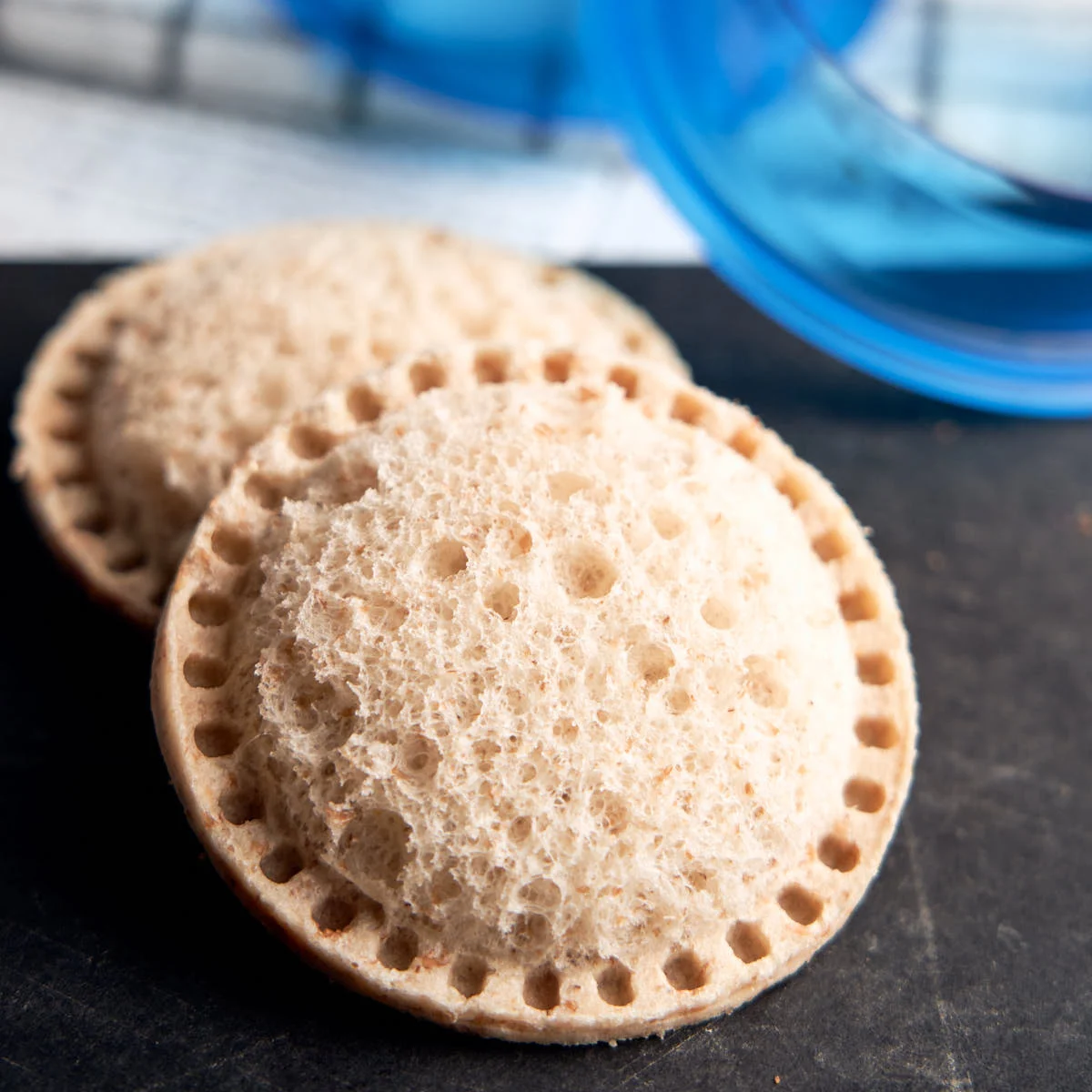
The convenience of pre-packaged snacks often comes with hidden costs, both to our wallets and the environment. In a move towards more sustainable and health-conscious food choices, families are increasingly turning to homemade alternatives. One such popular item is the "Uncrustable," a sealed sandwich typically filled with peanut butter and jelly or other sweet spreads. This article delves into the benefits and practicalities of creating homemade peanut butter and honey Uncrustables, highlighting how this simple culinary endeavor offers a superior option in terms of nutrition, cost-effectiveness, and waste reduction.
The appeal of the Uncrustable lies in its kid-friendly format: a crustless sandwich with a sealed edge, making it easy for small hands to hold and enjoy. While commercially available versions offer a quick snack solution, a closer examination of their ingredient lists reveals common additions like high-fructose corn syrup, artificial flavors, and preservatives. This has prompted many parents to seek healthier alternatives, leading to a surge in DIY Uncrustable recipes and the use of specialized sandwich cutters and sealers.
The Rise of the Homemade Uncrustable
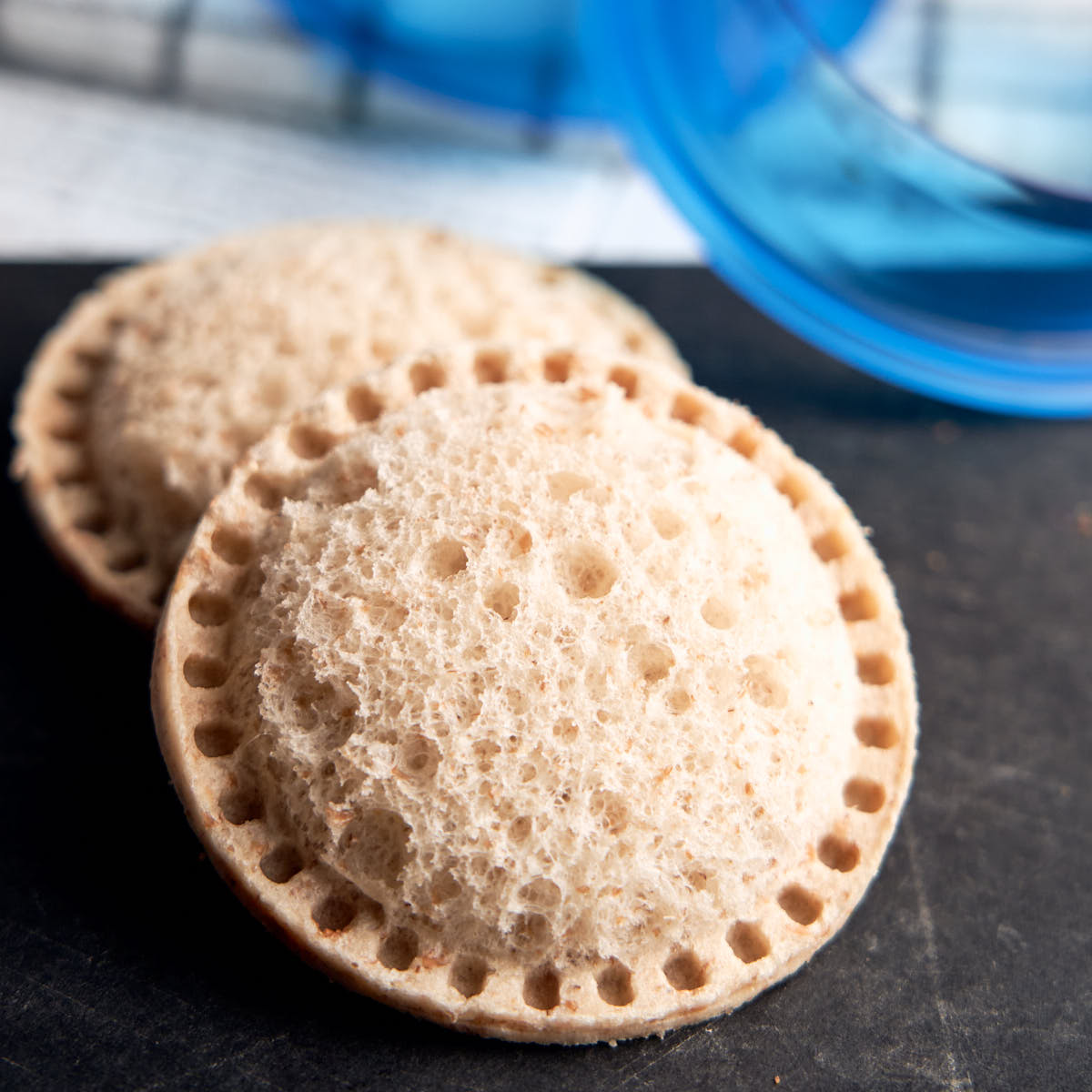
The trend toward homemade versions of popular convenience foods is not new, but it has been amplified by a growing awareness of ingredient quality and a desire for greater control over what goes into our diets. The peanut butter and honey Uncrustable, in particular, presents an accessible entry point for families looking to reduce their reliance on processed foods.
The core ingredients – bread, peanut butter, and honey – are staples in many households. However, the true advantage of the homemade approach lies in the ability to select higher-quality ingredients. For instance, store-bought peanut butter often contains added sugars and hydrogenated oils, while the "honey spread" in many commercial Uncrustables is heavily laden with sugar as its primary ingredient. By opting for natural peanut butter with no added sugar and pure honey, families can significantly improve the nutritional profile of this beloved snack.
Data from the U.S. Department of Agriculture (USDA) indicates that the average American consumes a substantial amount of added sugars annually, contributing to various health concerns, including obesity, type 2 diabetes, and cardiovascular disease. By making conscious ingredient choices, parents can mitigate this intake for their children. For example, a tablespoon of natural peanut butter typically contains around 8 grams of protein and healthy fats, with minimal to no added sugar, whereas a similar serving of a sweetened peanut butter spread can contain upwards of 4 grams of added sugar. Similarly, pure honey offers natural sweetness along with trace amounts of vitamins and minerals, unlike processed sugar.
Cost-Effectiveness and Environmental Impact
Beyond the nutritional benefits, the economic advantages of making Uncrustables at home are considerable. The cost of individual pre-packaged Uncrustables can add up quickly, especially for families with multiple children. When calculated on a per-sandwich basis, homemade versions often prove to be significantly cheaper. For instance, a loaf of bread, a jar of peanut butter, and a bottle of honey can yield dozens of sandwiches for a fraction of the price of store-bought equivalents.
Furthermore, the environmental impact of processed snacks is a growing concern. The excessive use of plastic packaging for individually wrapped items contributes to landfill waste and pollution. By making sandwiches at home, families can opt for reusable containers or beeswax wraps, dramatically reducing their plastic footprint. A report by the Environmental Protection Agency (EPA) highlights that food packaging constitutes a significant portion of municipal solid waste. Choosing reusable alternatives aligns with a broader movement towards reducing single-use plastics and promoting a more circular economy.
The Uncrustable Maker: A Kitchen Essential?
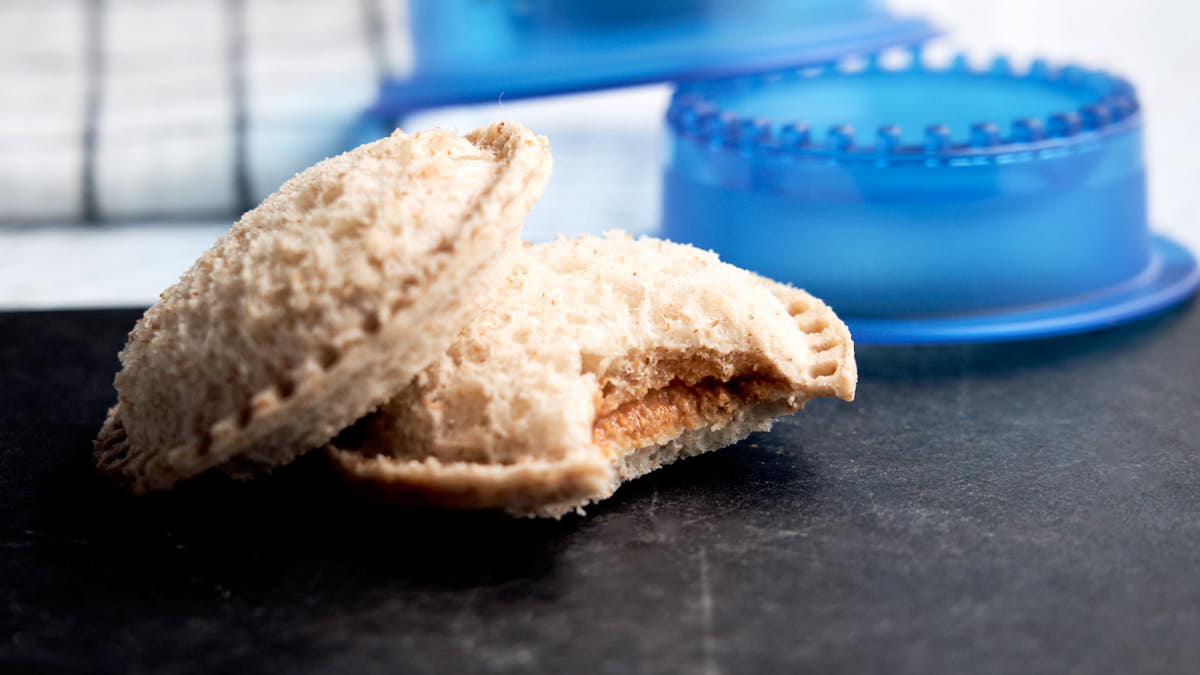
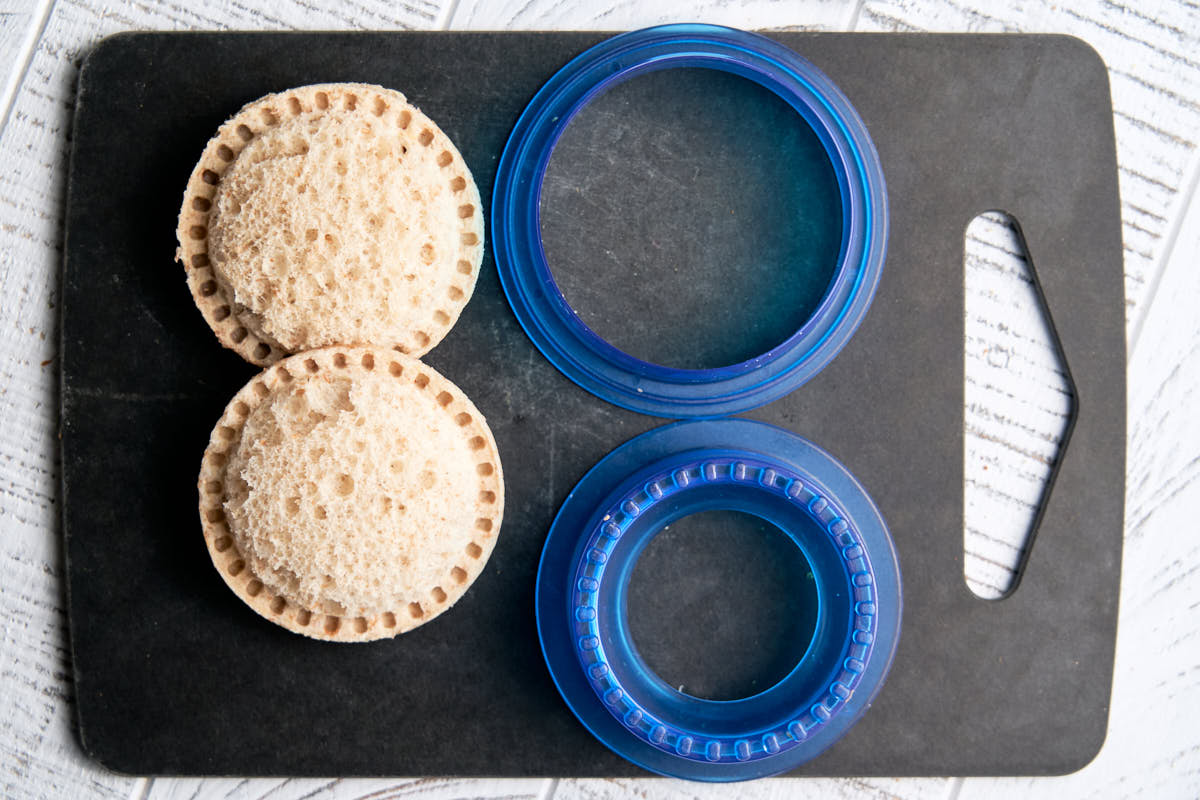
The popularity of homemade Uncrustables has led to a proliferation of specialized kitchen tools. The "Uncrustable maker," often a combination sandwich cutter and sealer, is a key gadget for achieving the characteristic sealed edge. These tools typically consist of two parts: a cutter that removes the crusts and a sealer that crimps the edges of the bread together, effectively encasing the filling.
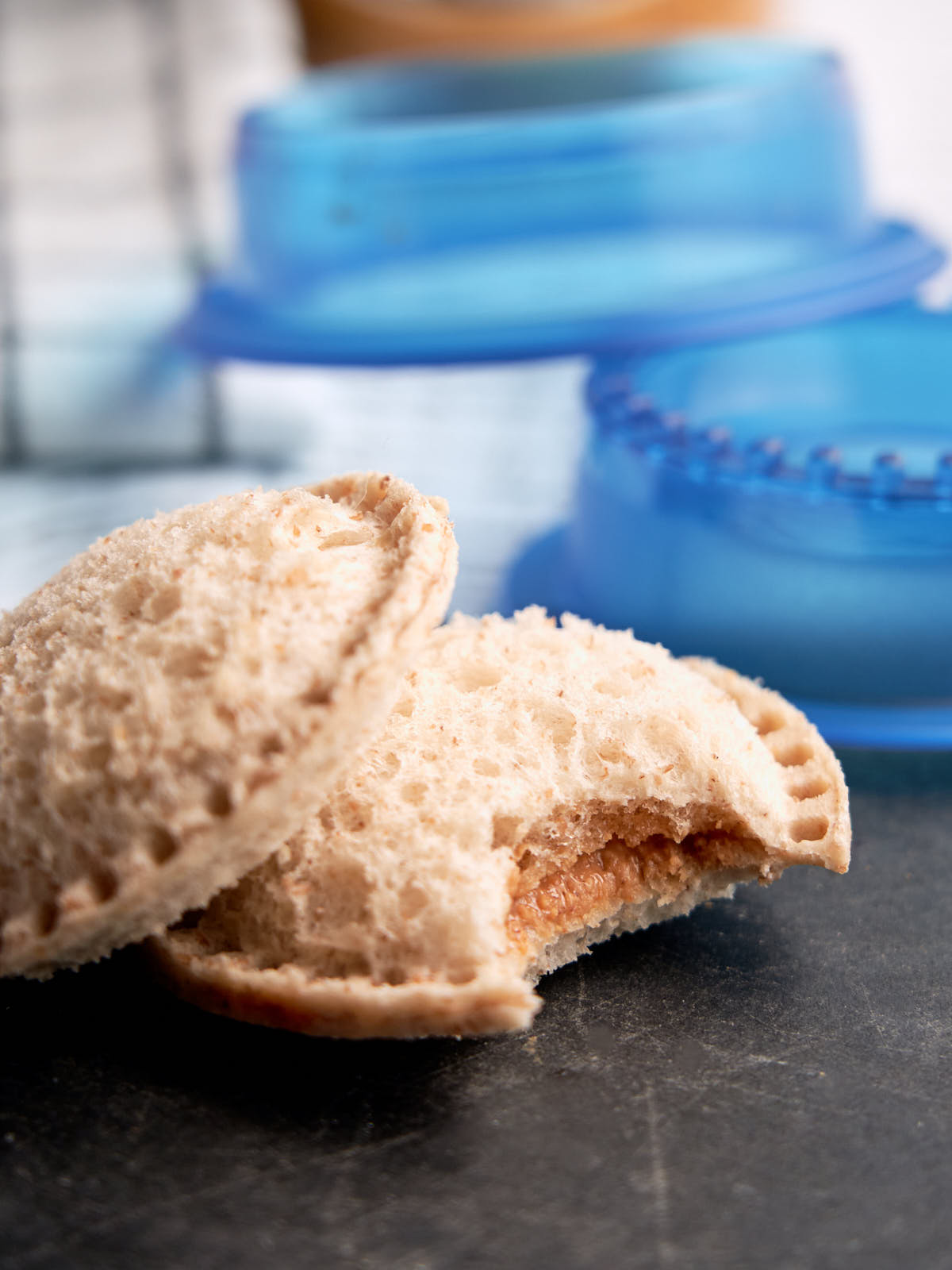
On platforms like Amazon, numerous brands offer these sandwich sealers, with prices ranging from under $10 to over $30, depending on the material, size, and brand. Reviews often highlight the ease of use and the satisfaction of creating a visually appealing and mess-free sandwich. The key feature to look for is a sealer that effectively crimps the edges without tearing the bread, and one that produces the classic circular or square shape reminiscent of the original product. Some consumers prefer sealers that mimic the distinct crimped edge of the commercial Uncrustable, while others are content with a simple, clean seal.
Tips for Perfect Homemade Uncrustables
Creating delicious and visually appealing homemade Uncrustables is straightforward. The process typically involves:
- Bread Selection: Soft white or whole wheat bread works best for easy sealing. Avoid overly dense or crusty breads, as they may not seal as effectively.
- Filling Application: Spread a thin, even layer of peanut butter on one slice of bread and honey on the other. Avoid overfilling, as this can cause the filling to squeeze out during the sealing process.
- Cutting and Sealing: Place the filling-covered slices together and use the sandwich cutter and sealer. Press firmly to ensure a good seal.
- Crust Management: The removed crusts, often a point of concern for waste-conscious individuals, can be repurposed in various ways.
Repurposing Bread Crusts: A Zero-Waste Approach
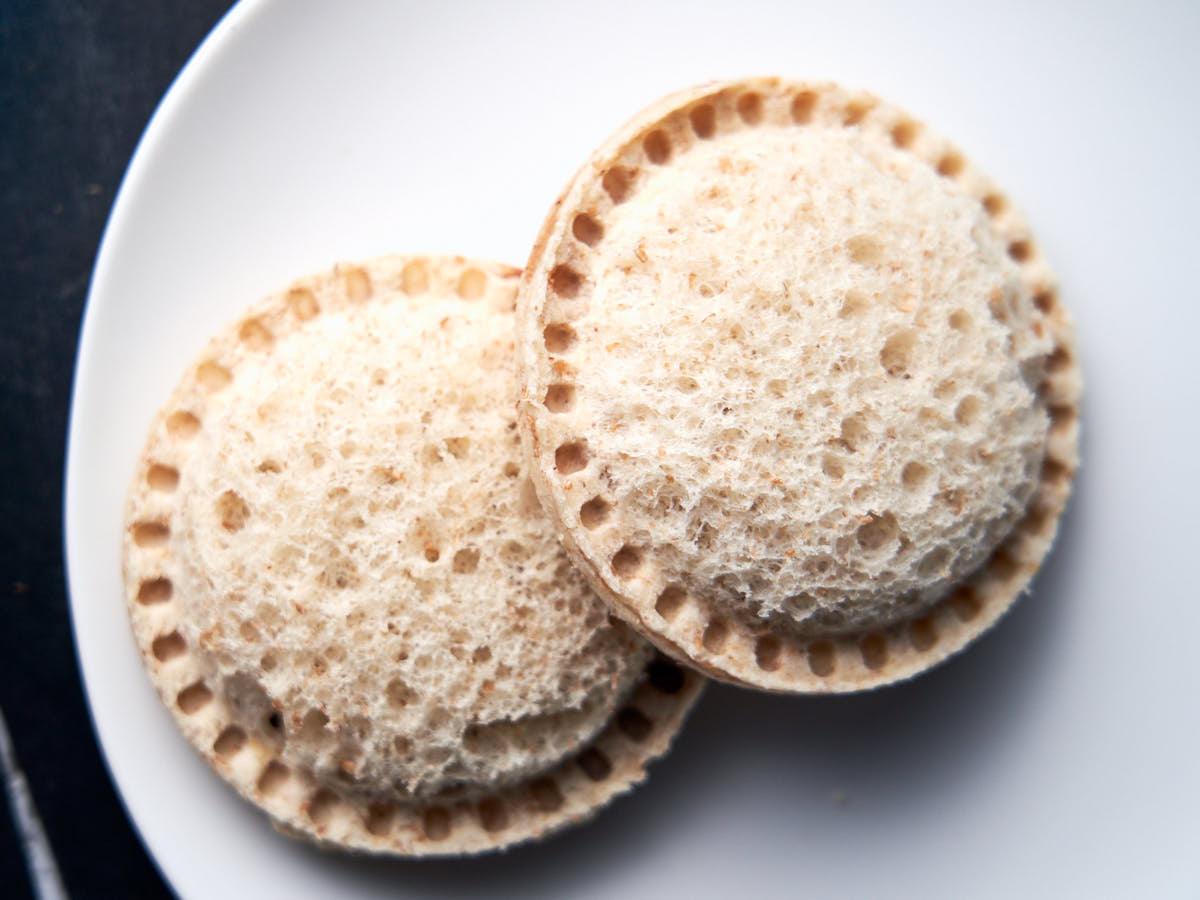
The question of what to do with the leftover bread crusts from making Uncrustables is a common one. Rather than discarding them, these crusts can be transformed into a variety of culinary delights, further enhancing the cost-effectiveness and sustainability of this homemade snack.
- Croutons: Bread crusts can be cut into small cubes and pan-fried in olive oil or butter with herbs and spices like garlic powder, onion powder, or Italian seasoning. These homemade croutons are perfect for salads, soups, or as a standalone snack.
- Breadcrumbs: For a finer texture, crusts can be toasted until dry and then pulsed in a food processor or blender to create fresh breadcrumbs. These can be used for breading meats and vegetables, as a topping for casseroles, or as a binder in meatballs and meatloaf.
- Snacking: In some cases, particularly for adults or older children, the crusts themselves can be enjoyed as a simple snack, perhaps lightly toasted or with a spread of butter.
This approach to managing bread crusts aligns with the principles of zero-waste cooking, minimizing food spoilage and maximizing the use of ingredients.
Nutritional Comparison: Homemade vs. Store-Bought
A critical analysis of the nutritional content reveals the tangible benefits of the homemade approach.
| Nutrient | Homemade PB&H Uncrustable (approx.) | Store-Bought Uncrustable (approx.) | Difference |
|---|---|---|---|
| Calories | 250-300 | 270-320 | Similar, depends on bread and spread amounts |
| Protein | 8-10g | 7-9g | Similar |
| Total Fat | 12-15g | 13-16g | Similar |
| Saturated Fat | 2-3g | 2-3g | Similar |
| Carbohydrates | 25-30g | 28-33g | Similar |
| Added Sugars | 1-3g | 6-10g+ | Significantly lower in homemade |
| Fiber | 2-3g | 1-2g | Potentially higher with whole wheat bread |
| Sodium | 150-250mg | 200-300mg | Can be lower with low-sodium bread and spreads |
Note: Nutritional values are estimates and can vary based on specific brands and ingredient choices.
The most significant difference lies in the added sugars. Commercial Uncrustables often list sugar or high-fructose corn syrup as one of the first ingredients in both the peanut butter and honey spread components. This can contribute a substantial amount of empty calories to a child’s diet. By using natural peanut butter and pure honey, the added sugar content can be reduced by as much as 80-90%. Furthermore, opting for whole wheat bread can increase the fiber content, promoting better digestive health and sustained energy release.
Broader Implications and Future Trends
The shift towards homemade versions of convenience foods like Uncrustables reflects a larger societal trend driven by increased health consciousness, environmental awareness, and a desire for greater transparency in food production. As consumers become more informed about the impact of their food choices, demand for simple, wholesome ingredients and sustainable practices is likely to grow.
This trend also empowers families to engage in healthier eating habits and reduce their environmental footprint. The simple act of making a sandwich at home can be an educational experience for children, teaching them about food preparation, ingredient sourcing, and the importance of reducing waste. This culinary engagement fosters a positive relationship with food and promotes lifelong healthy eating habits.
In conclusion, the homemade peanut butter and honey Uncrustable stands as a testament to the power of simple substitutions and mindful consumption. By embracing this accessible and rewarding culinary practice, families can enjoy a beloved snack that is not only more nutritious and economical but also kinder to the planet. The growing popularity of such DIY food trends suggests a promising future where convenience and conscious living can coexist harmoniously.
