
The Nashville Test Kitchen has officially released its latest findings on the preparation and economic viability of Potato Leek Soup, a staple of seasonal comfort food that has gained renewed interest among budget-conscious consumers and culinary enthusiasts alike. As food inflation continues to influence household spending, the kitchen’s rigorous testing highlights a preparation method that balances high-quality texture with a significantly low price point of approximately $1.05 per serving. This report examines the technical methodology, historical context, and economic implications of this classic dish, which remains a cornerstone of the "stick-to-your-bones" culinary philosophy favored during the winter months.

Technical Methodology and the Science of Texture
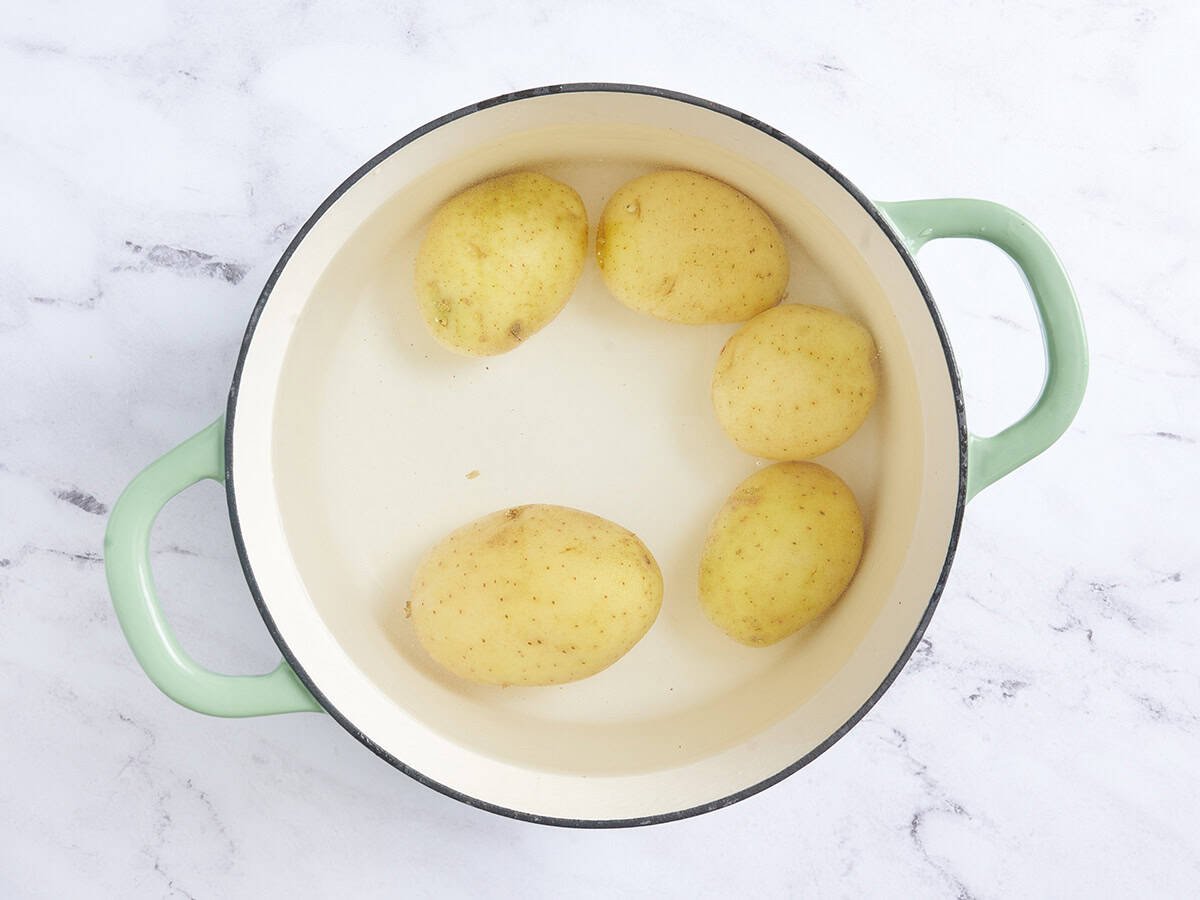
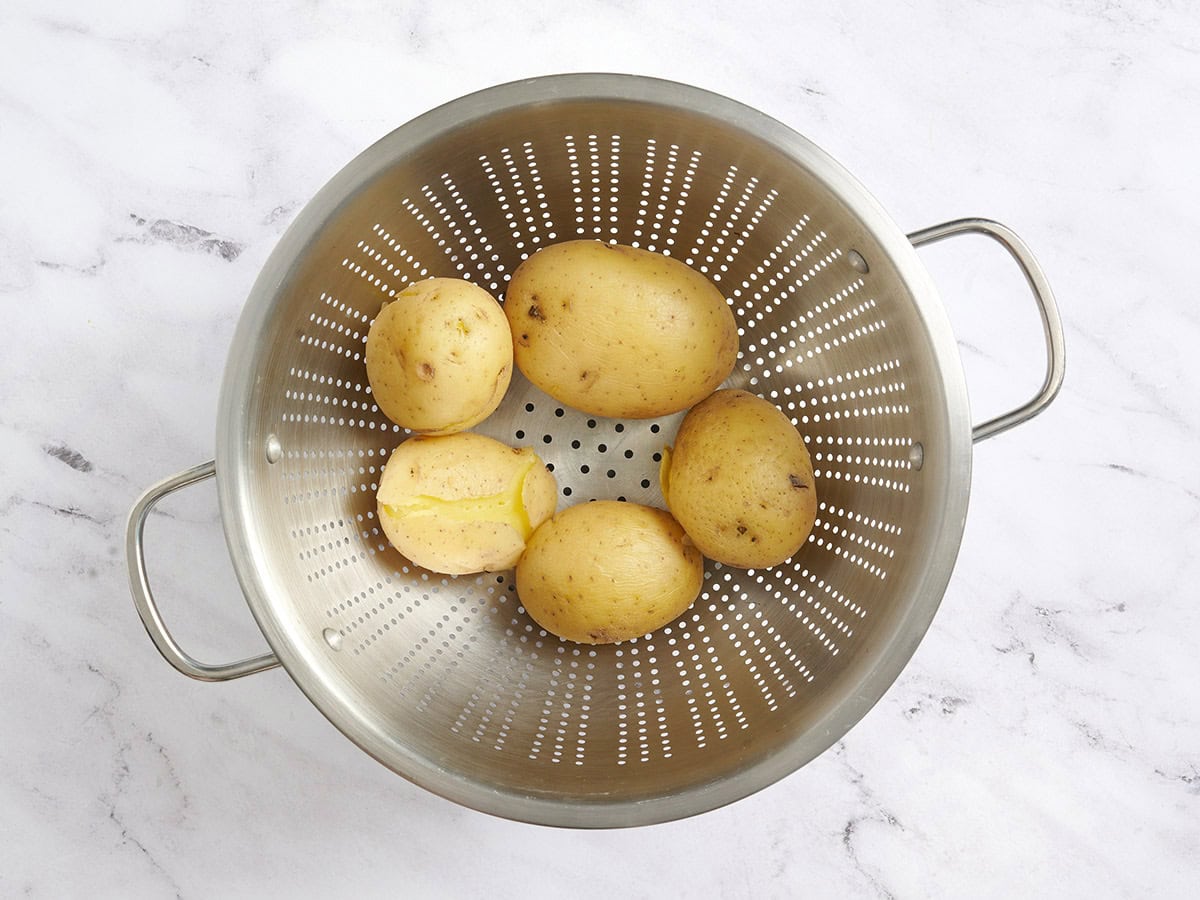
The preparation of Potato Leek Soup, traditionally known in French cuisine as Potage Parmentier, relies heavily on the manipulation of starch and the aromatic properties of the Allium ampeloprasum (the leek). The Nashville Test Kitchen’s methodology departs from standard dicing techniques by advocating for the boiling of Yukon Gold potatoes in their entirety, with the skin intact. According to culinary experts at the facility, this technique serves a dual purpose: it prevents the potatoes from absorbing excess water, which can lead to a "gummy" or waterlogged consistency, and it preserves the earthy flavor compounds found within and directly beneath the skin.

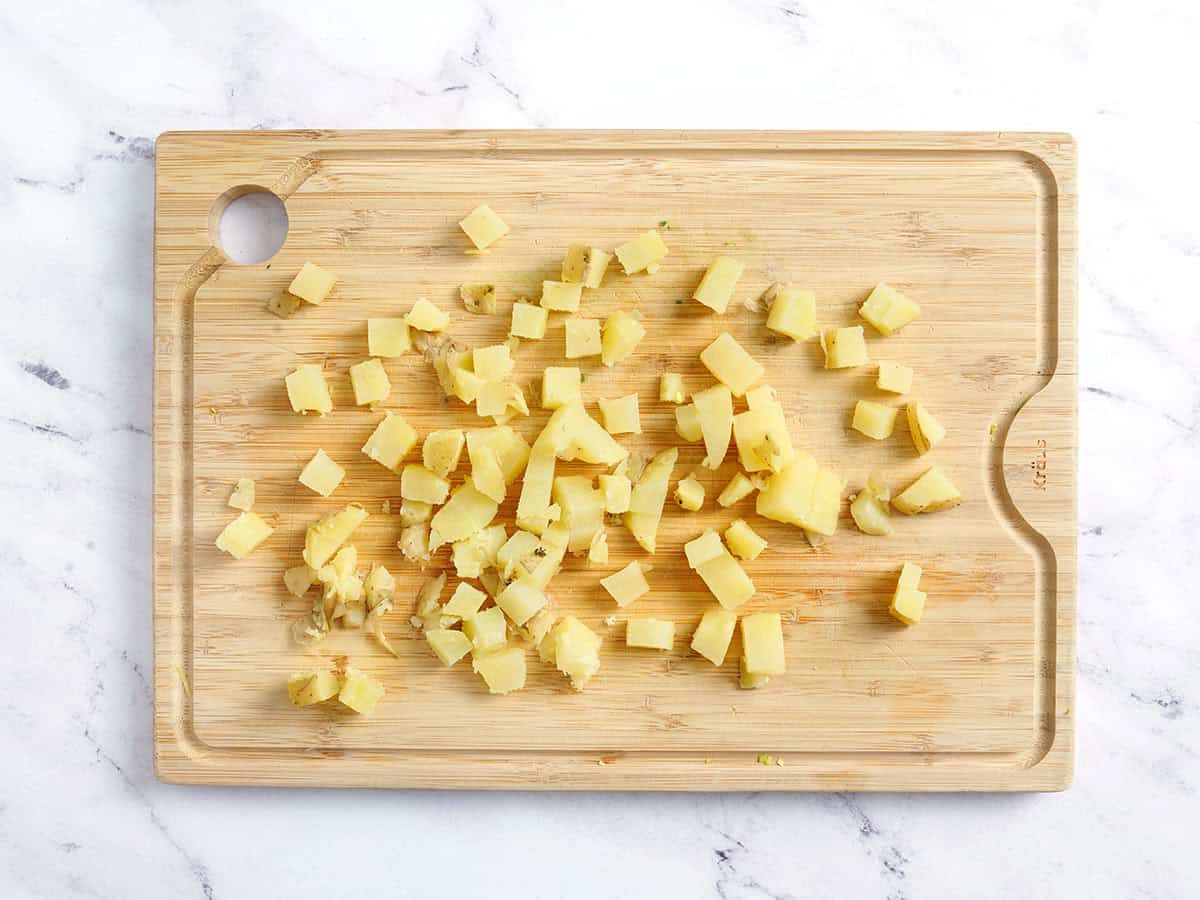
The texture of the soup is achieved through a multi-stage process involving mashing, dicing, and partial pureeing. By reserving two cups of diced, cooked potatoes and stirring them back into a base that is fifty percent blended, the resulting dish provides a complex mouthfeel. This hybrid approach addresses a common critique of traditional cream soups, which can often lack structural variety. The use of Yukon Gold potatoes is specifically recommended due to their medium-starch content and naturally buttery flavor, which complements the delicate, non-aggressive onion profile of the leeks.
Historical Context and Culinary Heritage
To understand the significance of Potato Leek Soup in a modern news context, one must look to its origins in 19th-century France. The dish is inextricably linked to Antoine-Augustin Parmentier, the pharmacist and agronomist who famously promoted the potato as a fit source of nutrition for the French populace. While the soup is often associated with the cold-served Vichyssoise—a variation popularized by French chef Louis Diat at the Ritz-Carlton in New York City during the early 20th century—the warm version remains the primary choice for winter sustenance.
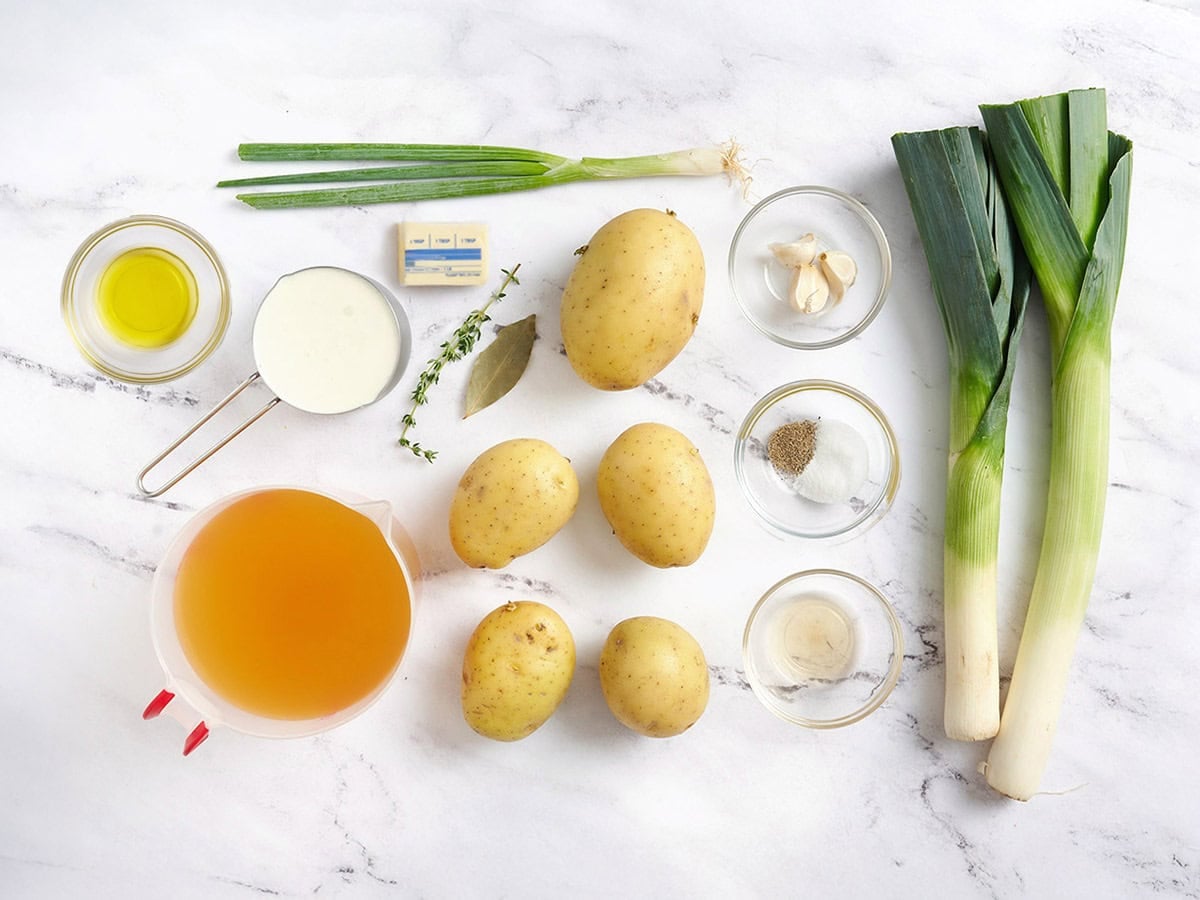
The simplicity of the ingredient list—potatoes, leeks, broth, and cream—reflects a historical reliance on "peasant foods" that provide high caloric density at a low cost. In the current era, this simplicity is being re-evaluated as a virtue of "clean label" cooking, where home cooks prioritize whole-food ingredients over processed alternatives. The Nashville Test Kitchen’s emphasis on "pared back" techniques mirrors a broader industry trend toward minimalism in high-quality home cooking.
Economic Analysis: The $1.05 Serving Benchmark
A critical component of the Nashville Test Kitchen’s report is the detailed cost breakdown, which positions the Potato Leek Soup as a premier option for "budget-friendly meal prep." The total cost for an eight-serving batch is calculated at $8.46, placing the price per serving at $1.05. This represents a significant saving compared to canned premium soups, which often retail between $3.00 and $5.00 per serving, or restaurant-quality versions which can exceed $10.00.
Key cost-saving measures identified in the study include:
- Bulk Broth Utilization: The use of concentrated bases, such as "Better Than Bouillon," significantly reduces the cost per quart compared to purchasing pre-packaged liquid cartons.
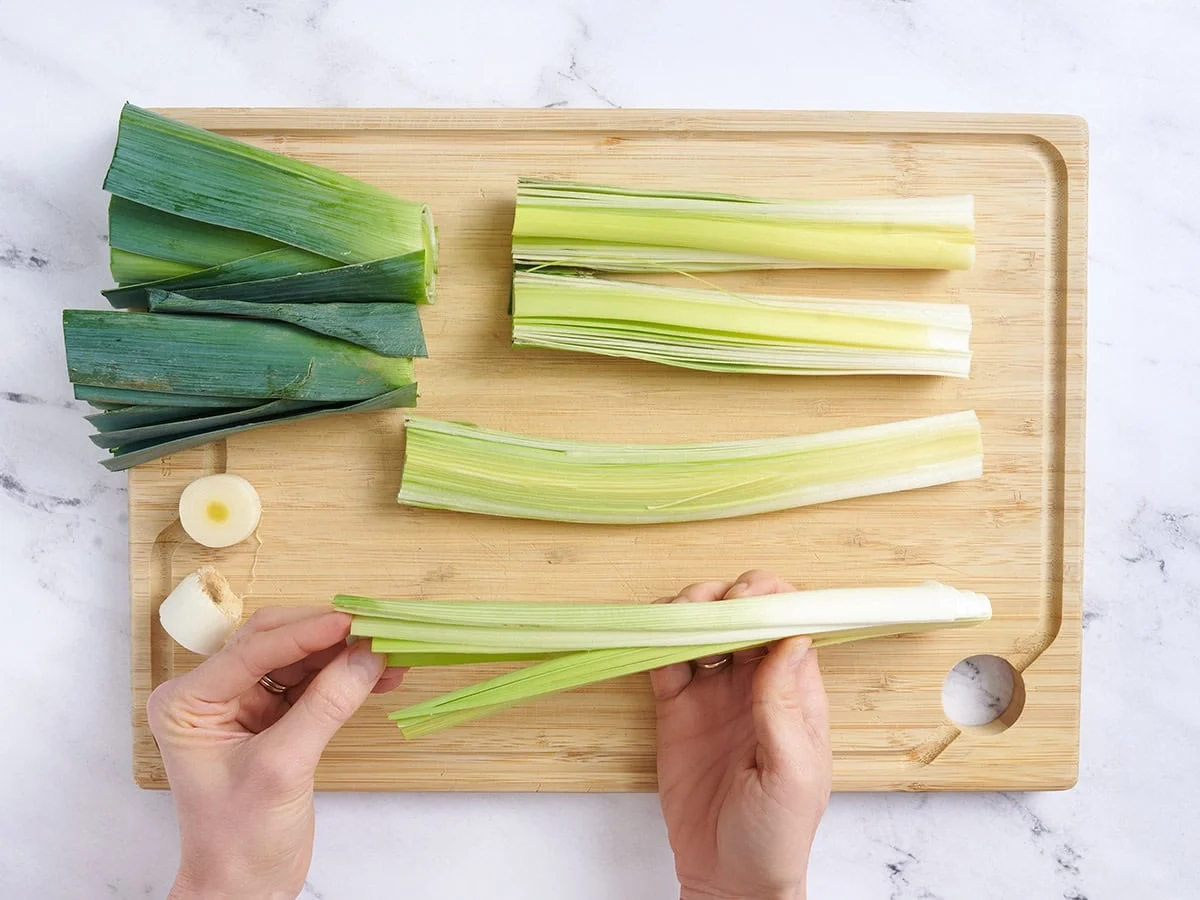
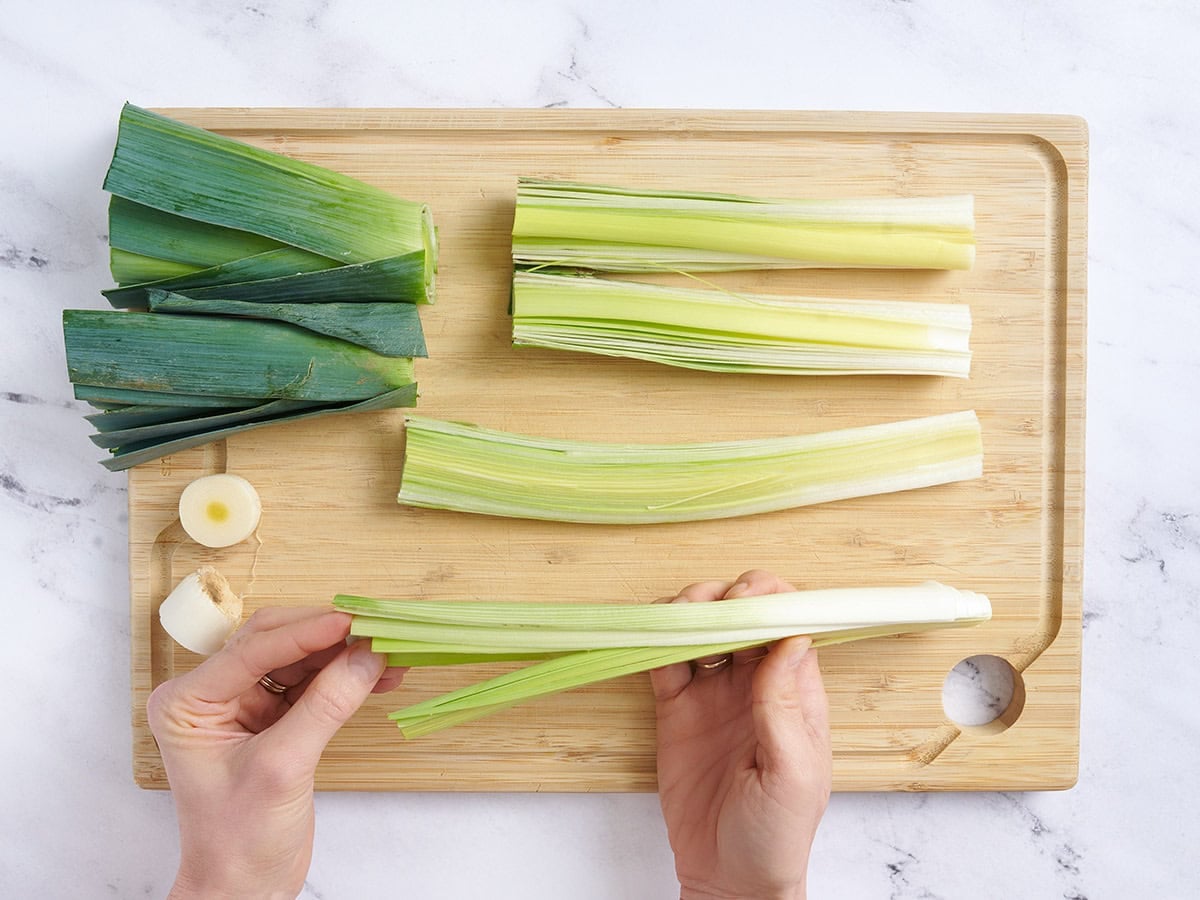
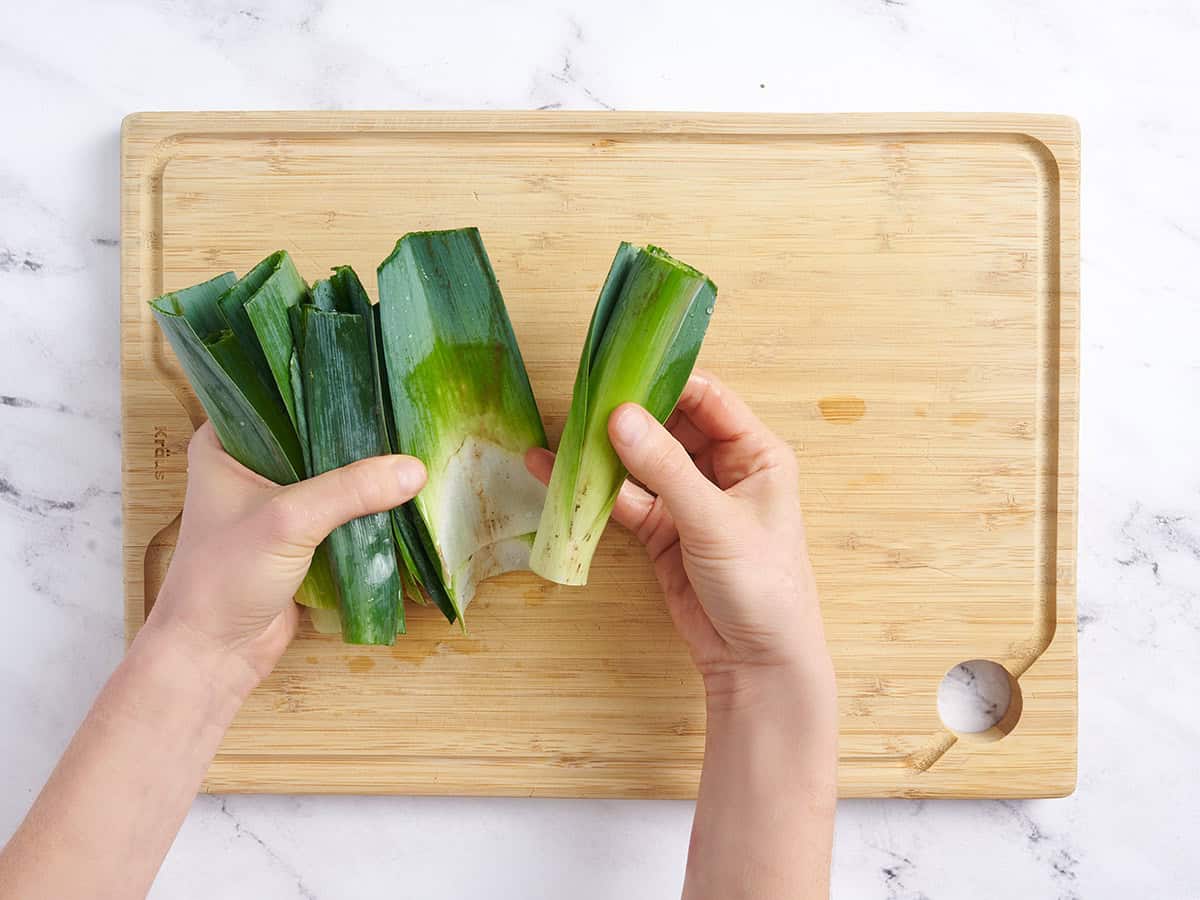
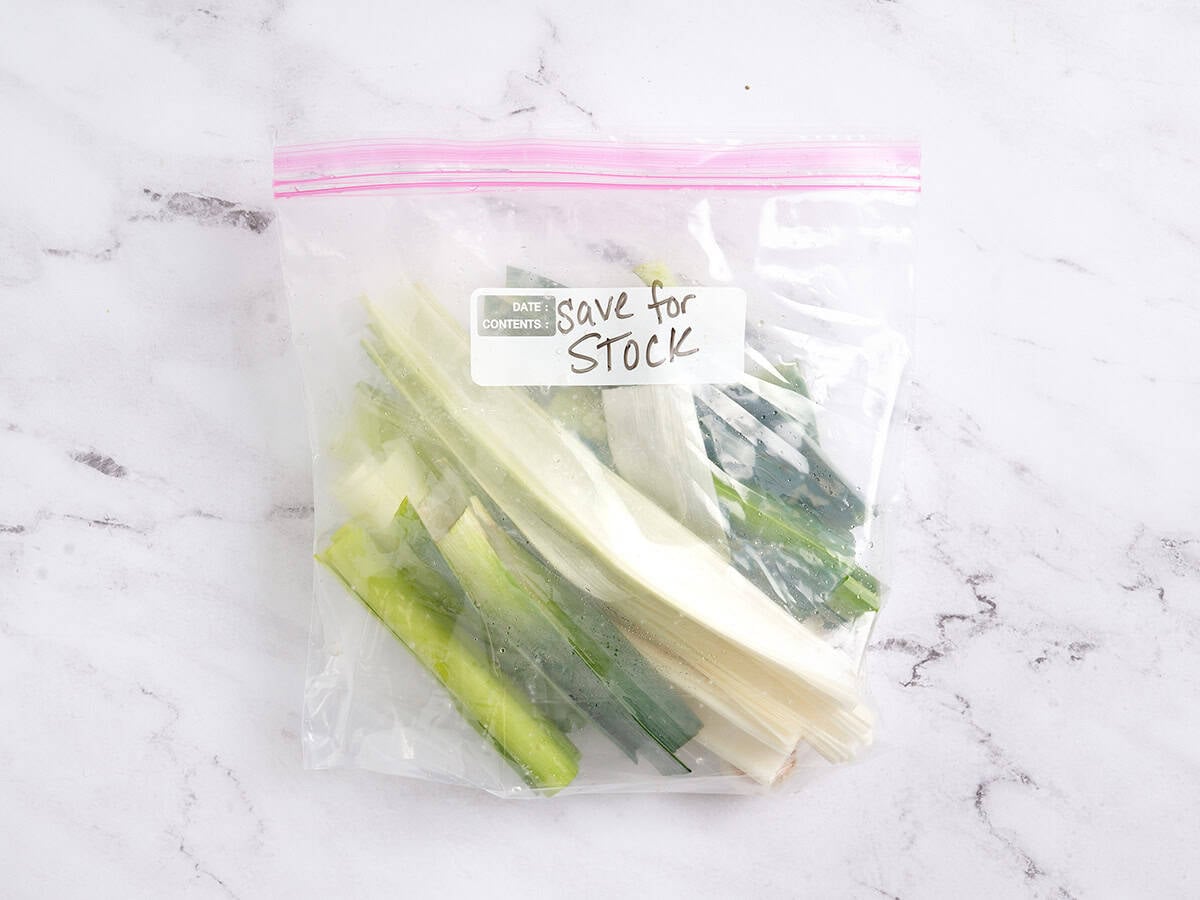
- Zero-Waste Integration: The methodology encourages the preservation of leek scraps (the tough green tops and root ends). These components, while too fibrous for the soup itself, are identified as valuable assets for future vegetable stocks, thereby extending the value of the initial $1.50 per pound investment in the leeks.
- Pantry Staples: The reliance on high-impact, low-cost aromatics like garlic and dried thyme allows for a sophisticated flavor profile without the need for expensive exotic spices.
Chronology of Preparation and Standard Operating Procedures
The Nashville Test Kitchen has outlined a specific timeline for the preparation of this dish to maximize efficiency for the home cook. The process, which takes approximately 45 to 55 minutes from start to finish, follows a logical progression:
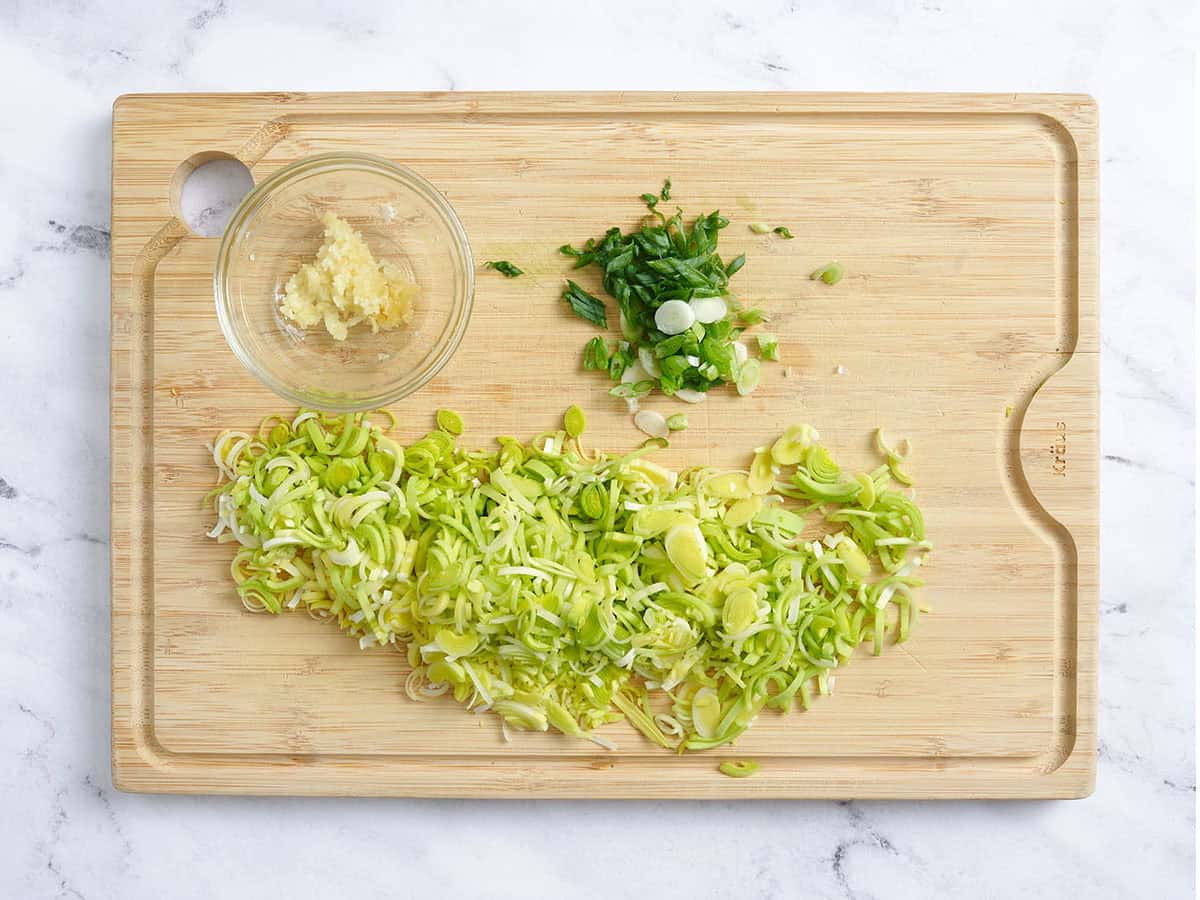
- T+0 to T+20 minutes: Whole Yukon Gold potatoes are boiled until fork-tender. This window is utilized for the simultaneous cleaning and mincing of leeks and garlic.
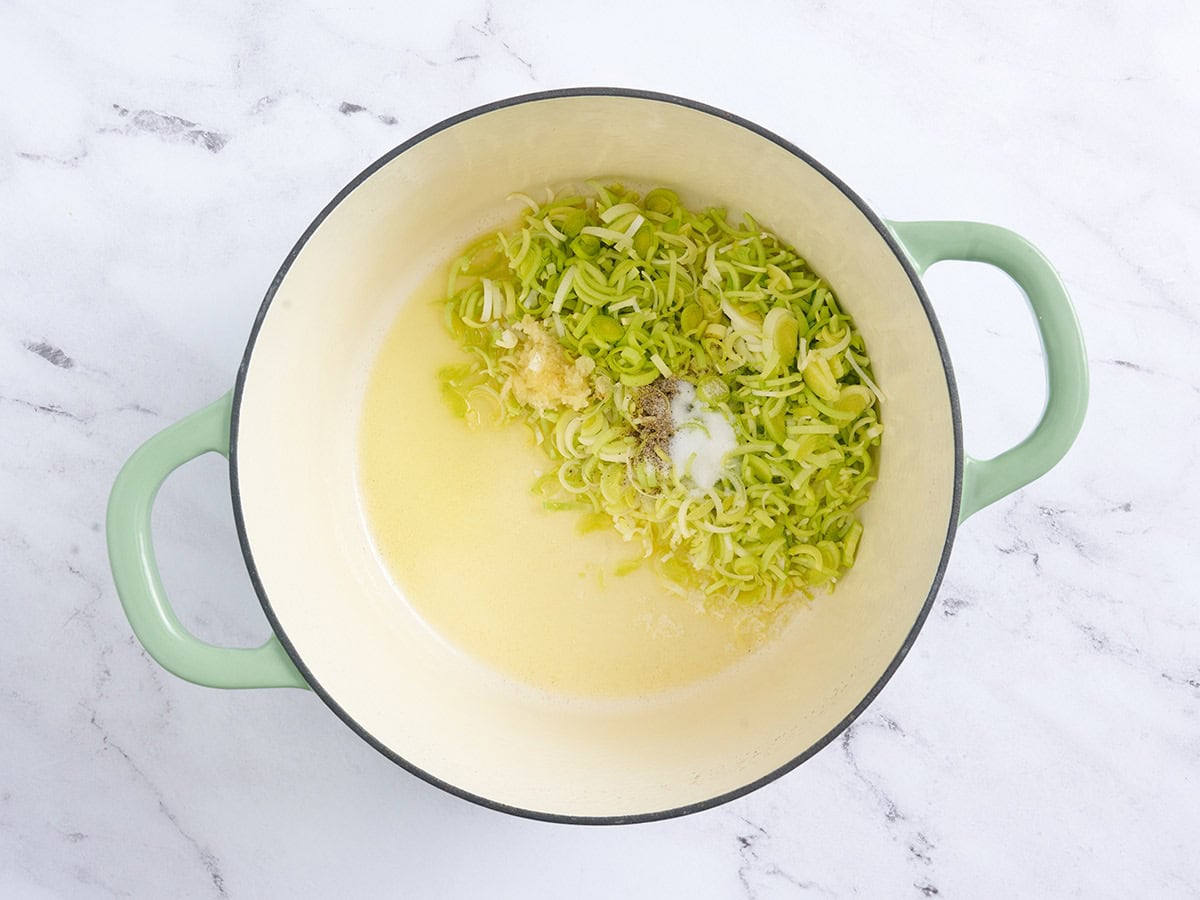
- T+20 to T+30 minutes: The "sweating" of the aromatics occurs. Leeks are sautéed in a combination of butter and olive oil over medium heat. This step is crucial for developing the "mellow" flavor profile that defines the dish.
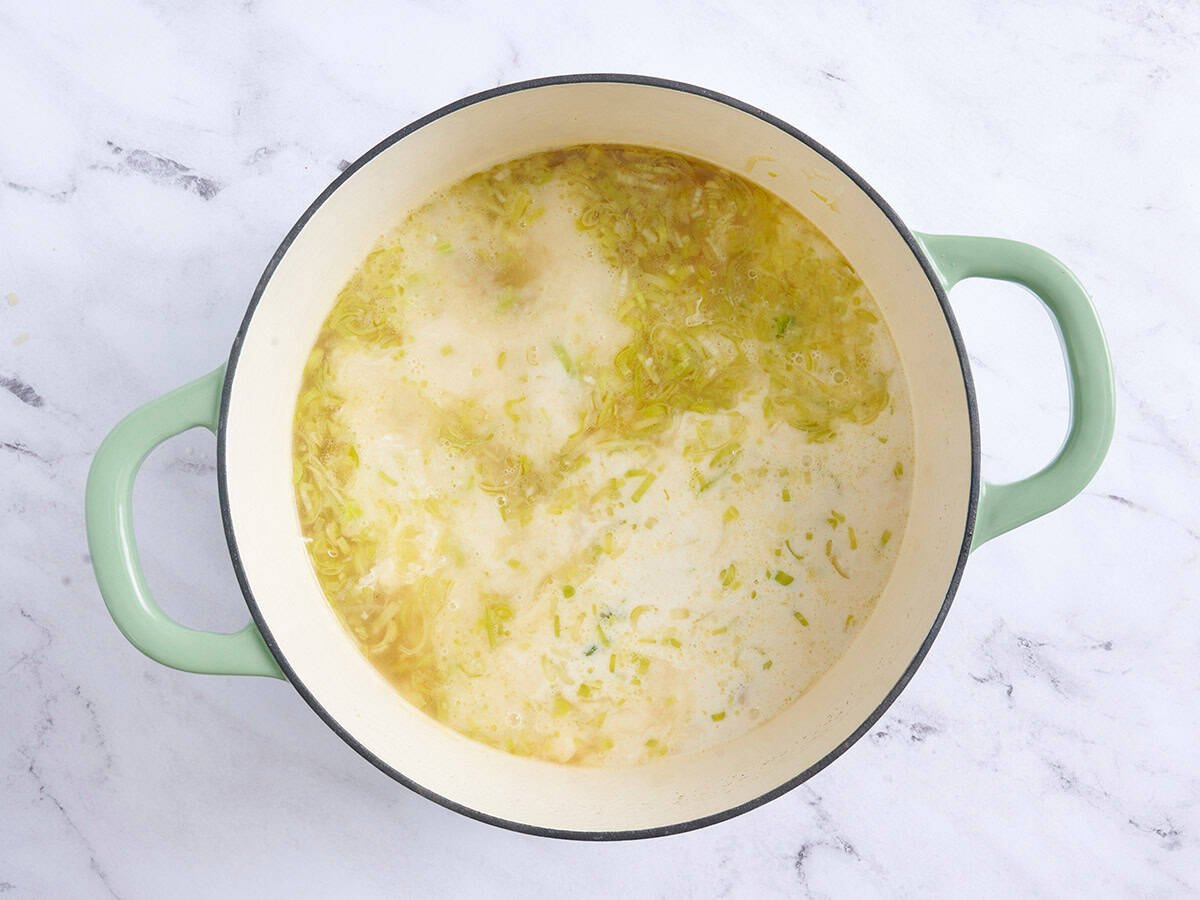
- T+30 to T+45 minutes: The soup base is constructed. Potatoes are added back to the pot with vegetable broth, bay leaves, and a touch of apple cider vinegar—the latter acting as a brightener to cut through the richness of the dairy.
- T+45 to T+55 minutes: The final texture is established. This includes the tempering of heavy cream—a technical necessity to prevent the dairy from splitting when introduced to the hot broth—followed by the partial blending and final seasoning adjustment.
Nutritional Profile and Dietary Implications
In an era of increased nutritional transparency, the Nashville Test Kitchen provided a comprehensive analysis of the soup’s dietary impact. A single serving contains 289 calories, with 32 grams of carbohydrates and 17 grams of fat. While the sodium content is relatively high at 1051mg (46% of the daily value), experts note that this can be mitigated by using low-sodium broth bases or reducing added salt during the sautéing phase.
The dish is naturally egg-free, soy-free, and vegetarian-friendly, making it an accessible option for diverse dietary needs. Furthermore, the inclusion of potato skins contributes to a fiber count of 4 grams per serving, which aids in satiety—a key factor for consumers looking to manage food intake during the colder months.
Expert Commentary and Industry Response
Chef Jess Rice, a former Chef Professor and prominent figure in the Nashville culinary scene, has been a vocal proponent of the techniques used in this latest recipe release. Rice, whose background includes work in raw vegan innovation and as a private chef for high-profile clients, emphasizes that the "simplicity" of the recipe is its greatest strength.
"The goal is to teach home cooks that they don’t need a pantry full of expensive ingredients to create a meal that feels luxurious," a statement from the Test Kitchen’s editorial board suggested. "By focusing on technique—such as the whole-boil method for potatoes and the tempering of cream—we empower the cook to achieve professional results for pennies."

Local food analysts have noted that the release of such "high-value, low-cost" recipes often correlates with seasonal shifts in consumer behavior. As households move away from the light, fresh produce of summer toward the hearty, storage-friendly vegetables of winter, Potato Leek Soup serves as a bridge between affordability and gourmet appeal.

Broader Impact and Future Outlook
The implications of this report extend beyond the kitchen. The focus on leek scrap preservation aligns with global initiatives to reduce food waste, a major contributor to environmental degradation. By framing the "unwanted" parts of the vegetable as a resource rather than refuse, the Nashville Test Kitchen contributes to a more sustainable culinary culture.

Furthermore, the popularity of the recipe among younger demographics—evidenced by its status as a "family favorite" in the original source content—suggests that classic European techniques are being successfully rebranded for a new generation of frugal, health-conscious consumers. As the "Comfort Food" category continues to dominate recipe search trends in the first quarter of the year, the Potato Leek Soup stands as a testament to the enduring power of simple, well-executed ingredients.
Looking forward, the Nashville Test Kitchen plans to continue its "under $10" recipe series, focusing on legumes and root vegetables that offer maximum nutritional density. The success of the Potato Leek Soup model serves as a blueprint for future developments in the field of accessible, high-quality home gastronomy. For now, the dish remains a gold standard for those seeking to navigate the intersection of economic necessity and culinary pleasure.
