
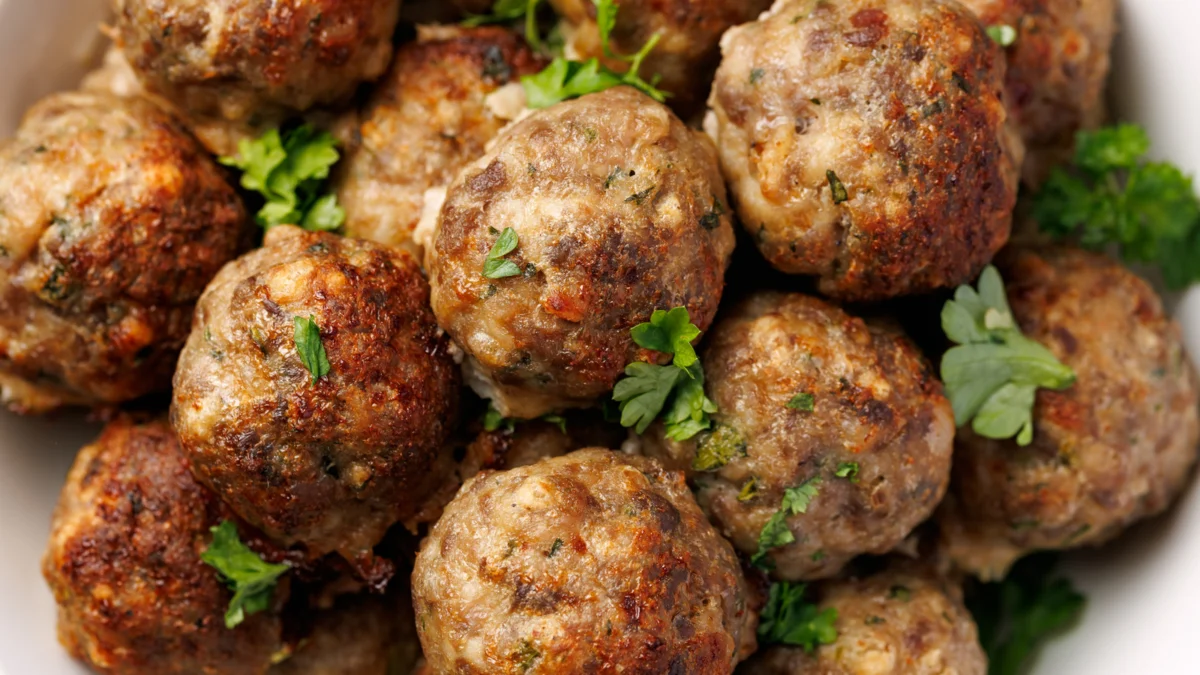
The culinary world is constantly evolving, with chefs and home cooks alike seeking innovative ways to enhance classic dishes. One area that has seen significant innovation is the realm of meatball preparation. Traditionally a staple of comfort food, meatballs are now being reimagined to cater to diverse dietary preferences and to unlock new depths of flavor. A recent culinary exploration highlights a remarkably simple yet impactful ingredient that can transform both traditional and vegetarian meatballs: mushrooms. This unassuming fungus, with its inherent umami richness and satisfying texture, offers a powerful solution for those aiming to achieve a robust, "beefy" flavor profile without relying on animal protein.
The Umami Powerhouse: Mushrooms in Meatball Formulation
Mushrooms, often lauded for their complex flavor and meaty texture, have long been recognized as a valuable ingredient in vegetarian and vegan cuisine. Their ability to mimic the savory depth often associated with meat stems from their high glutamate content, a compound responsible for the umami taste sensation. This makes them an ideal candidate for inclusion in meatball recipes, whether they are intended to be fully vegetarian or simply enhanced with additional flavor and moisture.
The versatility of mushrooms allows for a spectrum of applications. Varieties such as portobello, oyster, and cremini mushrooms are particularly well-suited for meatball applications due to their distinct textures and robust flavors. Portobellos, with their large, dense caps, can provide a substantial, almost steak-like chew. Oyster mushrooms offer a delicate, slightly chewy texture, while cremini mushrooms, a common and accessible choice, deliver a balanced earthy flavor and a pleasingly yielding texture when finely chopped or processed.
This culinary insight is not entirely novel. Food scientists and chefs have explored the textural and flavor-enhancing properties of mushrooms for years. For instance, research published in the Journal of Food Science has detailed how the specific amino acid and carbohydrate profiles of mushrooms contribute to their desirable savory characteristics. By incorporating finely minced or pureed mushrooms into a meatball mixture, cooks can leverage these natural compounds to create a more complex and satisfying flavor profile that can rival that of traditional meat-based meatballs.
A Culinary Trend Towards Enhanced Vegetarian Options
The growing popularity of plant-based diets and flexitarianism has spurred a significant demand for vegetarian and vegan alternatives that do not compromise on taste or texture. The global plant-based food market is projected to reach substantial figures, with market research firms like Grand View Research estimating its value to reach hundreds of billions of dollars in the coming years. This trend underscores the consumer desire for satisfying and flavorful meat-free options.
Meatballs, being a universally loved comfort food, are a prime candidate for this culinary evolution. Historically, vegetarian meatballs often struggled to replicate the dense, satisfying texture and rich flavor of their meat counterparts. However, advancements in food science and a deeper understanding of ingredient interactions have paved the way for more successful alternatives. The inclusion of mushrooms represents a significant step in this direction, offering a natural and wholesome way to elevate vegetarian meatballs.
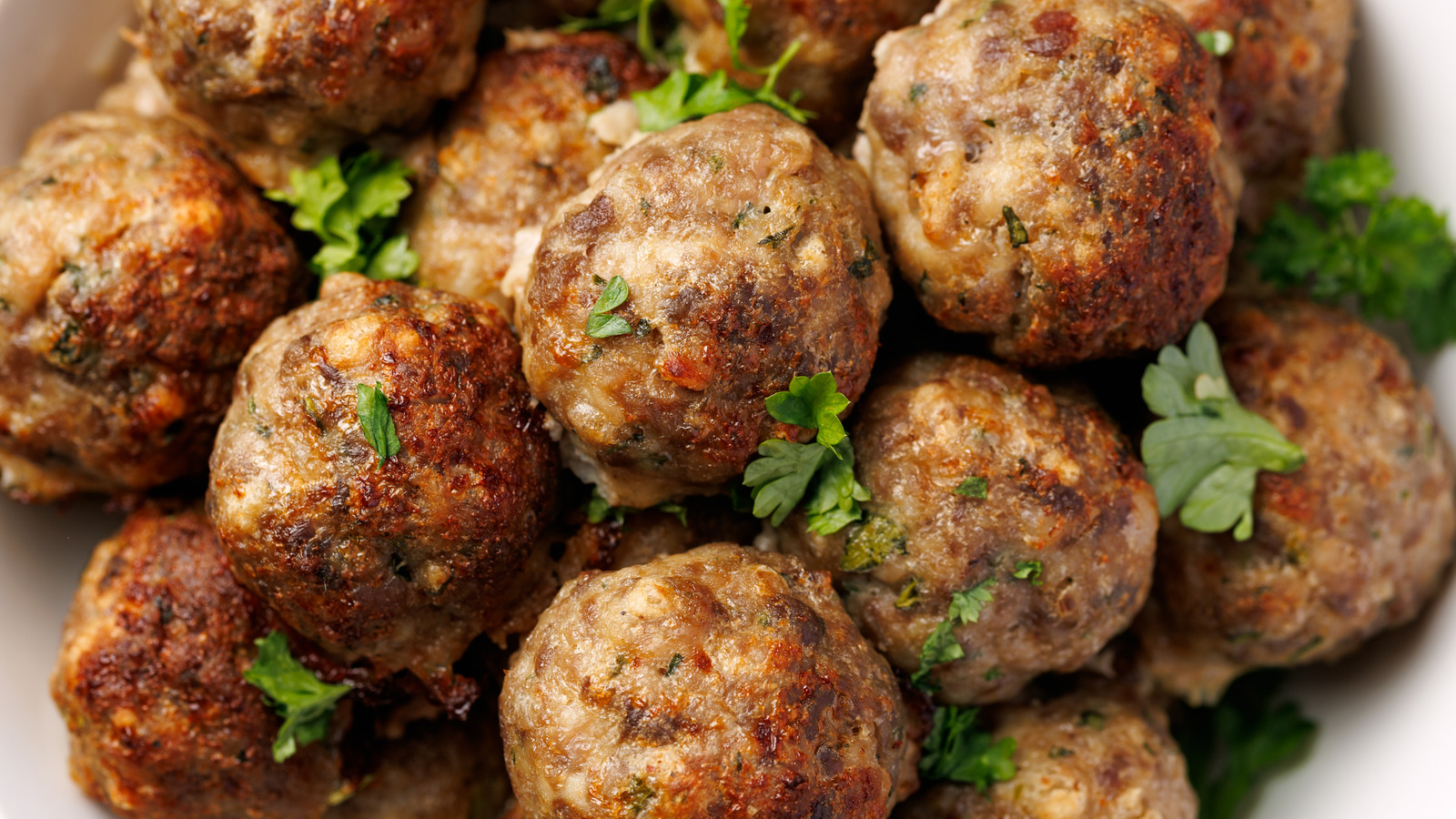
Miriam Hahn, a recipe developer for Tasting Table, has demonstrated the efficacy of this approach with her "vegetarian lentil and mushroom barbecue meatballs." These recipes showcase how a combination of plant-based proteins like lentils and the umami-rich essence of mushrooms can create a dish that is not only nutritionally sound, packed with protein and fiber, but also incredibly flavorful and appealing. Such recipes serve as a testament to the potential of mushrooms to transform vegetarian meatball dishes from mere substitutes to culinary triumphs in their own right.
The Science and Art of Incorporating Mushrooms
The process of integrating mushrooms into meatballs can be approached in several ways, each offering a slightly different outcome in terms of texture and flavor intensity. One effective method involves pre-cooking the mushrooms. Sautéing or roasting mushrooms before incorporating them into the meatball mixture serves multiple purposes. Firstly, it allows the mushrooms to release excess moisture, concentrating their flavor and preventing the meatball mixture from becoming too wet, which can lead to a mushy texture. Secondly, the browning process, a result of the Maillard reaction, develops deeper, more complex savory notes.
Alternatively, raw mushrooms can be finely chopped or pulsed in a food processor and added directly to the meatball mixture. In this scenario, the natural juices from the mushrooms will meld with the other ingredients during the cooking process, contributing moisture and flavor. The key here is to achieve a consistency that integrates seamlessly with the base ingredients, whether they are meat or plant-based proteins. Using a food processor to achieve a fine mince or paste-like consistency can ensure that the mushroom is evenly distributed, contributing its flavor and texture throughout the meatball.
The choice of mushroom can also influence the final result. For instance, pulsing cremini mushrooms in a food processor until they reach a desired consistency has been noted as a method to achieve a superior texture in meatballs. This finely processed mushroom acts almost like a binder and flavor enhancer, providing a subtle earthiness and a satisfying chew that complements the overall composition of the meatball.
Expanding the Horizons: Beyond the Basic Meatball
The versatility of mushroom-enhanced meatballs extends beyond their fundamental preparation. These flavorful spheres can be integrated into a wide array of dishes, offering a delightful twist on familiar favorites.
The Ubiquitous Meatball Sandwich
For those who love a hearty meatball sub, mushroom-infused meatballs offer a compelling vegetarian option. When paired with a robust vegetarian or vegan-friendly red sauce and served on a suitable hoagie roll or Italian bread, these meatballs provide a satisfying and flavorful experience that can rival traditional meatball sandwiches. The inherent savoriness of the mushrooms can stand up to the richness of the sauce and the bread, creating a balanced and enjoyable meal.
Appetizer Excellence
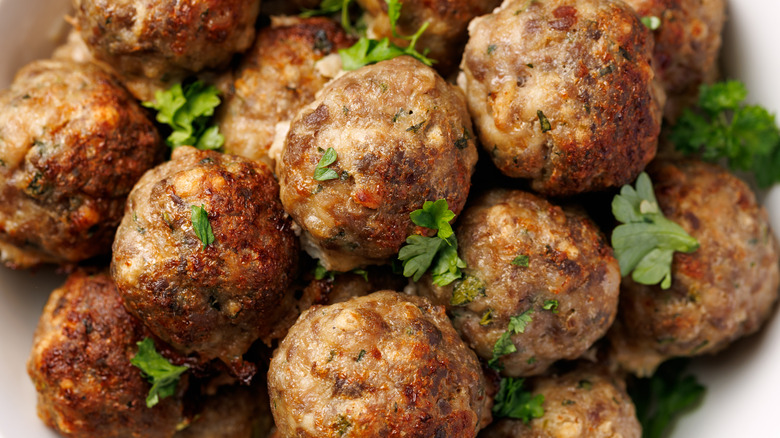
Meatballs are a perennial favorite at parties and gatherings, and mushroom-enhanced versions are poised to be a significant hit. Drawing inspiration from classic appetizers, such as Swedish meatballs, these vegetarian alternatives can be served with a variety of dipping sauces or gravies. A mushroom gravy, for example, would further amplify the umami notes and create a cohesive flavor profile that is both comforting and sophisticated. The appeal of these appetizers lies in their ability to cater to a wider range of dietary preferences without sacrificing the festive and indulgent spirit of party food.
A World of Gravies and Sauces
The creation of a mushroom gravy to accompany these meatballs represents an opportunity to further explore the depths of fungal flavor. A well-made mushroom gravy, rich with the essence of sautéed mushrooms, herbs, and a flavorful broth, can elevate the entire dish. This addition not only enhances the taste but also provides a luxurious texture that coats the meatballs and any accompanying pasta or side dish.
Broader Implications and Culinary Analysis
The successful integration of mushrooms into meatball recipes has several broader implications for the food industry and for home cooks.
- Dietary Inclusivity: This technique significantly broadens the appeal of classic dishes to individuals following vegetarian, vegan, or flexitarian diets. It demonstrates that flavorful and satisfying meat-free options are not only possible but can be as appealing as their traditional counterparts.
- Sustainable Food Practices: Mushrooms are a relatively sustainable food source, requiring less land, water, and energy to produce compared to many traditional meat products. Incorporating them into recipes aligns with a growing consumer interest in more environmentally conscious food choices.
- Culinary Innovation: The ongoing exploration of ingredients like mushrooms highlights a dynamic period in culinary development. It encourages experimentation and pushes the boundaries of what is considered traditional, fostering creativity in kitchens worldwide.
- Economic Impact: The rising demand for plant-based ingredients, including mushrooms, has a tangible economic impact on the agricultural sector and the food processing industry. As consumer preferences shift, producers and retailers are adapting to meet this demand.
The ability to impart a "beefy" flavor to vegetarian meatballs using mushrooms is a testament to the power of natural ingredients and culinary ingenuity. It represents a significant advancement in creating inclusive and delicious food options that cater to the evolving tastes and dietary needs of modern consumers. As this trend continues to gain traction, we can anticipate even more innovative applications of mushrooms and other plant-based ingredients in reimagining classic dishes. The future of comfort food, it appears, is rich with the earthy, savory essence of fungi.
