
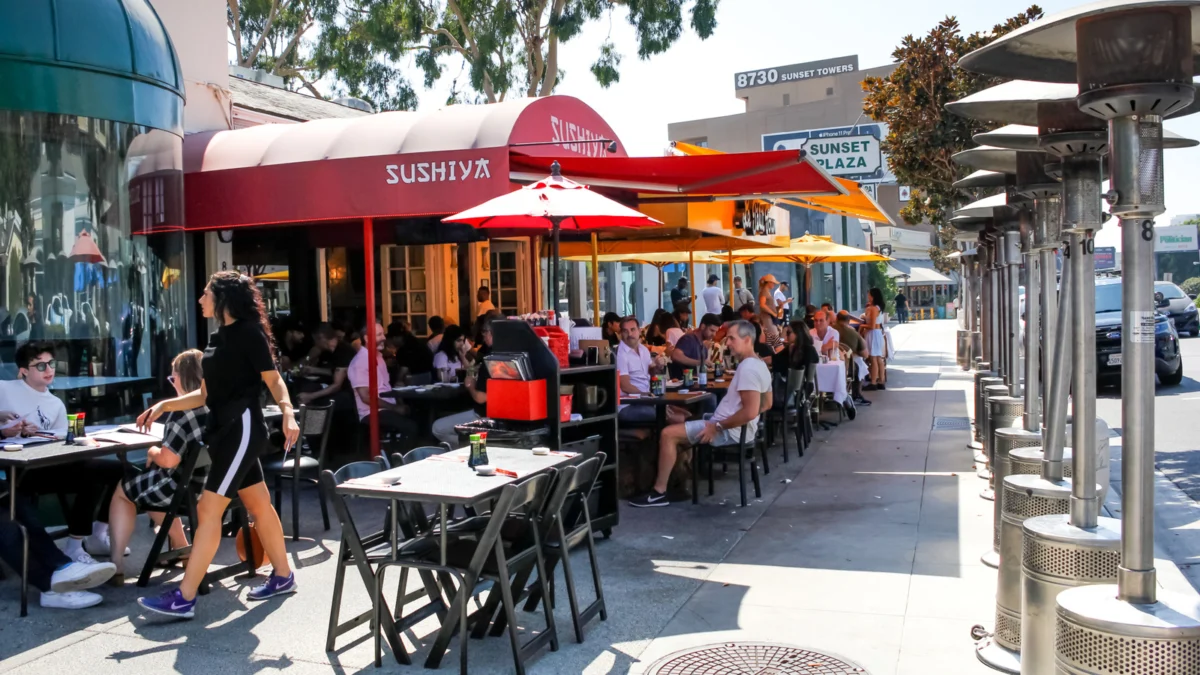
Los Angeles has long been a beacon for culinary innovation and a melting pot of global flavors. Beyond its vibrant domestic food scene, the city has emerged as the primary gateway for international restaurant chains seeking to establish a foothold in the North American market. This phenomenon is not accidental; it is a strategic decision driven by a confluence of factors including a highly diverse and receptive population, significant tourist influx, and a thriving economy with considerable disposable income. The success of numerous international eateries in Los Angeles serves as a powerful testament to its unique position in the global food landscape, making it the undisputed go-to destination for culinary ventures looking to expand across the United States.
A Strategic Launchpad for Global Gastronomy
The allure of Los Angeles for international food chains stems from its unparalleled demographic tapestry. The city and its surrounding county are home to over 10 million residents, representing a rich mosaic of over 200 languages and more than 140 distinct cultures. This profound multiculturalism means that a significant portion of the population already possesses a familiarity with and an appreciation for cuisines from around the world. For a restaurant chain originating from a specific region, Los Angeles offers a pre-existing customer base that understands and craves its authentic flavors, significantly de-risking the initial entry into a new continent. This built-in demand alleviates the need for extensive market education, allowing chains to focus on operational excellence and brand building.
Furthermore, Los Angeles is a perennial magnet for tourists from both domestic and international locales. Millions of visitors flock to the city annually, eager to experience its diverse offerings, including its renowned culinary scene. This constant stream of new faces, many of whom are adventurous eaters seeking authentic global experiences, provides an additional, robust customer base. These tourists often act as informal ambassadors, spreading word of their positive dining experiences back to their home countries, which can further fuel international expansion.
The economic landscape of Los Angeles also plays a crucial role. While the city faces its own economic challenges, it is also characterized by a significant concentration of wealth and a substantial population with considerable disposable income. Angelenos are known for their willingness to spend on dining out, a cultural habit amplified by the sheer abundance of culinary choices and the perceived value of experiential dining. This economic vitality ensures that successful international concepts can achieve significant revenue and profitability, making the investment in launching in Los Angeles highly attractive.
Pioneering International Entrants and Their Success Stories
The success of international food chains in Los Angeles is not a recent development; it is a trend with a well-established history. One of the most prominent examples is Din Tai Fung, the Taiwanese restaurant chain celebrated globally for its exquisite xiao long bao (soup dumplings). Its first North American location opened in Arcadia, California, in 2000. Arcadia, situated in the San Gabriel Valley, is a region historically known for its strong Asian-American population and its exceptional dim sum and dumpling establishments. The choice of this locale was a strategic move, capitalizing on an existing appreciation for such delicate and flavorful cuisine. Today, Din Tai Fung boasts 20 locations across North America, with four more slated to open, a testament to its successful expansion strategy initiated in Los Angeles.
Another significant player is Tous les Jours, a popular Korean bakery chain. In 2004, the company selected Los Angeles for its inaugural U.S. store. This decision proved prescient, as Southern California has since become a major hub for the chain, with over 110 locations now operating across the United States, a substantial portion of which are concentrated in the Los Angeles metropolitan area. This demonstrates a clear pattern of international brands using Los Angeles as a spring-board, with subsequent expansion often remaining heavily focused on the region before venturing further afield.
Yoshinoya, a Japanese chain holding the distinction of being the world’s oldest chain restaurant, also established its presence in the U.S. through Los Angeles. Its first stateside location opened in 1979, and it has since grown to over 100 outlets, primarily within California. This long-standing presence underscores the enduring appeal of Los Angeles as a market for established international food brands.
More recently, Pollo Campero, a Guatemalan-based chain renowned for its fried and rotisserie chicken, made its U.S. debut in Los Angeles in 2002. Since then, it has expanded its footprint to more than 100 locations across the United States, again highlighting the city’s role as a critical initial market for Latin American culinary businesses looking to penetrate the U.S. market. These examples collectively illustrate a consistent strategy: leverage the unique demographic and economic advantages of Los Angeles to test, refine, and scale operations for North American expansion.
The Multicultural Fabric: A Foundation for Culinary Acceptance
The depth and breadth of Los Angeles’s multicultural population are arguably the most critical factors driving the success of international food chains. As an Angeleno myself, the daily immersion in diverse cultures is a constant source of culinary delight. Within a short drive, one can traverse continents through taste, from the vibrant Korean eateries of Koreatown to the arguably most authentic Mexican cuisine found outside of Mexico, and an extensive array of Persian, Armenian, and Middle Eastern flavors. This rich culinary heritage is a direct legacy of the city’s immigrant communities, who have not only brought their traditions but have also actively cultivated and shared them, creating a receptive environment for new international concepts.
When a business originates from a country with a significant diaspora in Los Angeles, the risk associated with introducing its cuisine to a new market is considerably reduced. The presence of established ethnic communities ensures a baseline demand, providing a crucial foundation for a restaurant’s early success. These communities act as both consumers and cultural arbiters, offering invaluable feedback and helping to shape the brand’s adaptation to the American palate without compromising its core identity. This established demographic support is a powerful draw for chains that might otherwise hesitate to invest heavily in an unproven market.
Moreover, the city’s cultural dynamism fosters a spirit of culinary exploration among its residents. Angelenos are generally open to trying new foods and flavors, driven by a curiosity and an appreciation for authenticity. This adventurousness translates into a willingness to patronize restaurants that might be unfamiliar, providing international chains with an opportunity to build a loyal customer base that extends beyond specific ethnic enclaves.
Economic Drivers: Disposable Income and Dining Culture
Beyond the demographic advantages, the economic realities of Los Angeles also contribute significantly to its status as a prime market for international food chains. While the cost of living is high, and economic disparities are evident, the city also boasts a substantial segment of its population with significant disposable income. This demographic is inclined to allocate a considerable portion of their budget towards dining out, viewing it not just as a necessity but as a form of entertainment and social engagement.
The sheer popularity and often crowded nature of many Los Angeles restaurants underscore this point. Angelenos are frequently willing to endure long waits or pay premium prices for a quality dining experience. This propensity to spend is a critical factor for international chains, as it provides a viable path to profitability and justifies the substantial investment required for market entry and expansion. A successful concept in Los Angeles can generate significant revenue, offering a strong return on investment that can then be reinvested into further growth.
When international restaurant groups strategize their U.S. market entry, they meticulously analyze economic indicators, consumer spending habits, and market saturation. Los Angeles consistently emerges as a top contender due to its robust economy, high consumer spending on food services, and a demonstrated willingness of its residents to embrace diverse culinary offerings. The city’s economic environment provides a fertile ground for these businesses to not only survive but thrive.
Geographic Advantage and Logistical Considerations
Geographically, Los Angeles holds a strategic advantage, particularly for chains originating from Asia and Latin America. For businesses located across the Pacific, Los Angeles is often the first major port of entry and the most accessible large metropolitan area in the contiguous United States. Its extensive port infrastructure and established trade routes facilitate the import of ingredients and supplies, streamlining the supply chain process. Similarly, for chains situated south of the U.S. border, Los Angeles represents a natural and proximate expansion target.
This geographical proximity simplifies logistical challenges, reduces transportation costs, and allows for more efficient management of operations. It enables chains to maintain consistency in their product quality and service standards from the outset, which is crucial for building brand reputation in a new market. The ability to leverage existing trade relationships and logistical networks further solidifies Los Angeles’s appeal as the initial point of entry.
The sheer scale of Los Angeles County, with its vast landmass and dense population, also offers ample opportunity for initial site selection. Whether targeting bustling urban centers, affluent suburban enclaves, or areas with a strong presence of specific cultural groups, the region provides a diverse range of location options to suit different brand strategies and target demographics.
Broader Implications and Future Trajectory
The continued success of international food chains in Los Angeles has several broader implications. Firstly, it fosters greater culinary diversity and accessibility for residents and visitors alike. The influx of these brands enriches the local food scene, offering authentic tastes from around the globe and often at competitive price points. This competition can also spur innovation and improvement among domestic restaurant operators.
Secondly, the economic impact is significant. The establishment of new restaurants creates jobs, stimulates local economies through employment and procurement, and contributes to tax revenues. The expansion of these international chains often leads to the development of further infrastructure and support services, creating a ripple effect of economic growth.
Looking ahead, it is highly probable that Los Angeles will continue to serve as the primary gateway for international food chains entering the U.S. market. As global connectivity increases and consumer palates become more adventurous, the demand for authentic international cuisine is likely to grow. The proven success formula in Los Angeles—a combination of demographic diversity, tourist appeal, economic vitality, and geographic advantage—will continue to make it the most attractive and logical choice for culinary businesses seeking to make their mark on the North American continent. The city’s reputation as a global culinary melting pot is not merely a descriptor; it is a tangible economic and strategic asset that continues to draw the world’s flavors to its shores.
