
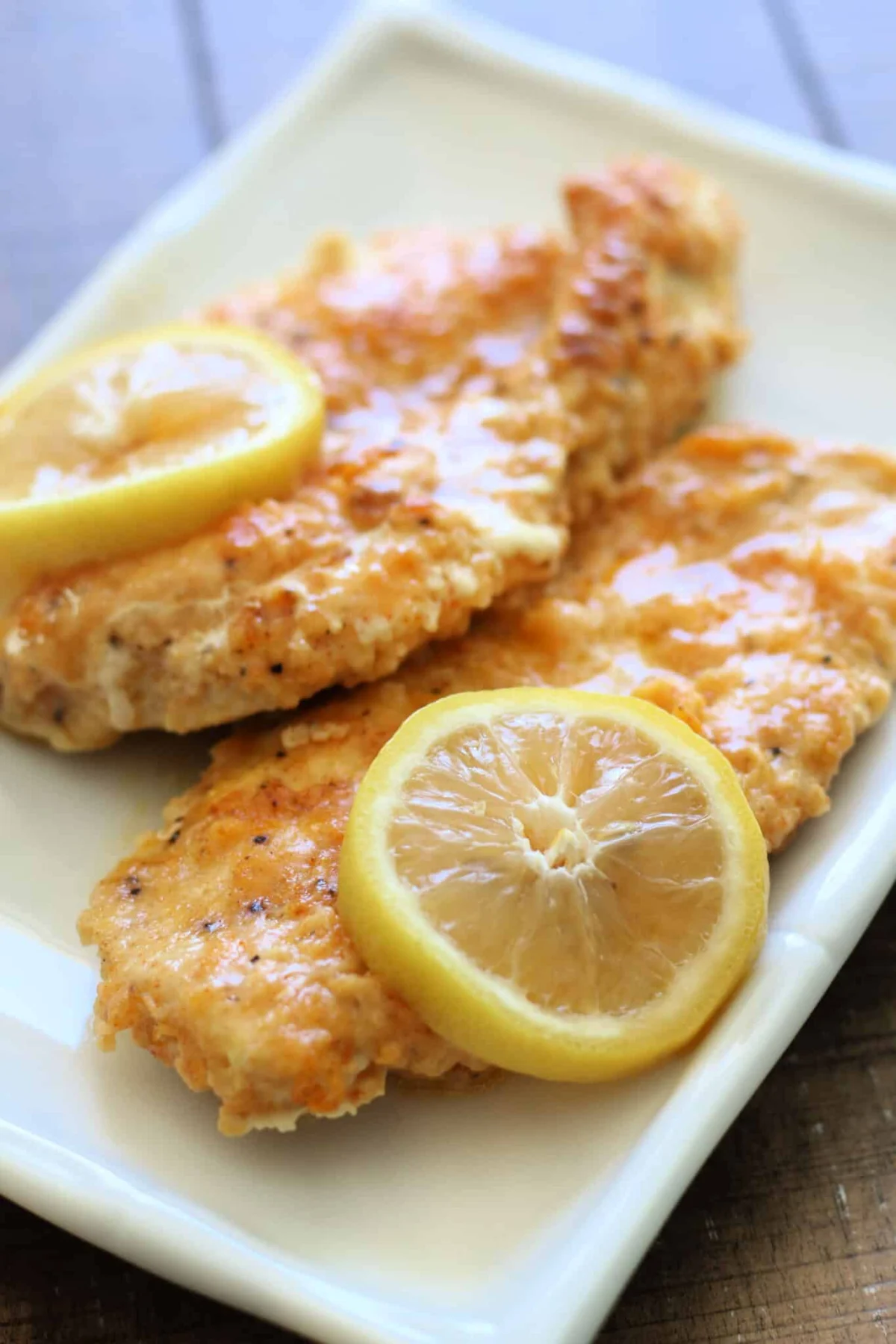
The culinary landscape of the 21st century is increasingly defined by the intersection of traditional gastronomic techniques and the efficiency demanded by modern lifestyle constraints. Among the most recent developments in this evolution is the adaptation of classic Italian-American fare, such as Chicken Francese, into specialized slow-cooker formats. This transition represents a broader shift in domestic meal preparation, where the objective is to maintain the integrity of complex flavor profiles—specifically the delicate balance of buttery lemon sauces and lightly breaded poultry—while utilizing automated cooking technologies to reduce active kitchen labor.

The Evolution of a Classic: From New York to the Slow Cooker
To understand the significance of Crockpot Chicken Francese, one must first examine its historical lineage. Chicken Francese, or Pollo alla Francese, is widely considered an Italian-American innovation that gained prominence in the mid-20th century, particularly within the vibrant restaurant scenes of New York City. While its name suggests French origins, culinary historians generally agree that the dish was an adaptation of Vitello alla Francese (Veal Francese). As the price of veal rose and consumer preferences shifted toward leaner proteins in the 1970s and 80s, chicken became the primary vehicle for this specific preparation.
Traditionally, the dish requires a meticulous "reverse" breading technique—dipping the protein first in flour and then in a seasoned egg wash—before pan-frying it to a golden hue and finishing it in a lemon-butter-wine sauce. The modern adaptation for the slow cooker, as documented by culinary researchers and home-cooking advocates like Karen Petersen, seeks to replicate this multi-stage process through a hybrid method that combines brief stovetop searing with a prolonged, low-temperature simmer. This ensures that the chicken remains "ultra-tender," a texture often difficult to achieve through traditional rapid-sautéing methods.

Technical Analysis of the Preparation Process
The methodology for Crockpot Chicken Francese involves a strategic chronology designed to maximize flavor retention and structural integrity. The process begins with the physical manipulation of the raw material: chicken breasts are sliced lengthwise to create thinner cutlets. This increase in surface area is critical for even heat distribution and ensures a higher ratio of seasoned breading to meat.
Following the preparation of the protein, a dual-station dredging system is employed. The dry station consists of a mixture of all-purpose flour, paprika, garlic powder, salt, and pepper. The inclusion of paprika is noteworthy, as it serves both as a mild flavor enhancer and a browning agent, assisting in the visual appeal of the final product. The wet station utilizes whisked eggs, which act as a binding agent for the flour.

A pivotal step in the modern slow-cooker variation is the initial sear. Although the slow cooker is designed for autonomous operation, experts suggest that a brief 1-to-2-minute sear per side is necessary to initiate the Maillard reaction. This chemical reaction between amino acids and reducing sugars provides the browned crust and complex savory notes that a slow cooker, which relies on moist heat, cannot produce independently. Following the sear, the chicken is transitioned to the slow cooker environment, where it is submerged in a combination of chicken broth, vinegar (serving as an acidulant), butter, and fresh lemon slices.
Supporting Data: The Rise of the Slow Cooker Market
The popularity of recipes like Crockpot Chicken Francese is supported by robust market data indicating a resurgence in slow cooker and multicooker utilization. According to market research reports, the global slow cooker market was valued at approximately USD 3.2 billion in 2022 and is projected to expand at a compound annual growth rate (CAGR) of 6.5% through 2030. This growth is attributed to the rising number of working professionals and an increasing preference for home-cooked meals over processed alternatives.

Furthermore, consumer behavior studies conducted in the post-pandemic era reveal that 70% of households now prioritize "convenience-driven nutrition." Recipes that allow for "dump-and-go" or "minimal-intervention" cooking—terms used to describe meals that require less than 20 minutes of active preparation—have seen a 45% increase in search engine traffic over the last 24 months. The Crockpot Chicken Francese model fits perfectly within this data set, offering a "gourmet" output with a significantly reduced labor footprint.
Nutritional Implications and Food Safety Standards
From a nutritional standpoint, the adaptation of Chicken Francese for the slow cooker offers several advantages. By simmering the chicken in a broth-based lemon sauce, the dish maintains high moisture levels without requiring the excessive amounts of oil often used in traditional deep-frying. Additionally, the use of fresh lemon provides a significant source of Vitamin C and allows for a reduction in sodium, as the acidity of the citrus enhances the perception of saltiness on the palate.

However, the transition to slow cooking necessitates strict adherence to food safety protocols. The United States Department of Agriculture (USDA) mandates that poultry must reach an internal temperature of 165°F (74°C) to ensure the elimination of pathogens such as Salmonella and Campylobacter. In a slow cooker environment, reaching this temperature typically requires a duration of approximately two hours on a "low" setting, though this can vary based on the specific wattage and efficiency of the appliance. Experts emphasize the use of a digital meat thermometer to verify these levels, as the visual cues of "doneness" can be misleading in a liquid-submerged environment.
Expert Perspectives and Consumer Reactions
Culinary analysts note that the success of this specific recipe often hinges on the quality of the ingredients and the precision of the timing. "The challenge with slow-cooking breaded chicken is the potential loss of texture in the coating," states a representative from the culinary research site The Top Meal. "By searing the chicken first and then placing the butter and lemon slices strategically, the chef creates a self-basting environment that preserves the integrity of the breading while infusing the meat with the essential oils of the citrus."

Consumer reactions to the dish have been overwhelmingly positive, particularly regarding its utility for meal prepping. Reports indicate that the dish is easily scalable, allowing families to double the recipe for subsequent lunches. This "leftover utility" is a key factor in modern domestic economy, reducing food waste and lowering the per-meal cost for middle-income households.
Broader Impact on Domestic Culinary Habits
The emergence of sophisticated slow-cooker recipes like Chicken Francese reflects a broader democratization of high-end cuisine. Historically, dishes requiring specialized techniques like dredging and delicate sauce reduction were reserved for restaurant environments or households with significant culinary training. The translation of these techniques into a format compatible with standardized kitchen appliances allows a wider demographic to experience diverse flavor profiles.

This shift also has implications for family dynamics and mental health. Sociological research suggests that the reduction of "dinner-time stress" through the use of automated appliances contributes to improved family cohesion. When the primary labor of cooking is completed hours before the meal is served, the evening transition becomes less about task management and more about social interaction.
Chronology of a Typical Preparation Cycle
To illustrate the efficiency of the Crockpot Chicken Francese method, a standard timeline can be established for a typical household:

- 08:00 AM – 08:15 AM: Initial preparation, including the slicing of chicken and the assembly of the dredging stations.
- 08:15 AM – 08:25 AM: Searing the chicken in a pan or a multicooker with a "stovetop" setting to develop the crust.
- 08:25 AM – 08:30 AM: Transitioning the protein to the slow cooker, adding the liquid base (broth and vinegar), and layering the fats (butter) and aromatics (lemon).
- 08:30 AM – 10:30 AM: The "passive" cooking phase, where the appliance maintains a consistent low heat, allowing the collagen in the chicken to break down without drying out the muscle fibers.
- 10:30 AM: Verification of internal temperature (165°F) and transition to a "warm" setting if the meal is intended for later consumption.
Conclusion: The Future of the "Slow" Gourmet
As the culinary industry continues to adapt to the needs of the modern consumer, the Crockpot Chicken Francese stands as a testament to the enduring appeal of classic flavors and the ingenuity of domestic chefs. It represents a successful synthesis of 20th-century immigrant tradition and 21st-century technological convenience.
By prioritizing flavor, safety, and efficiency, this preparation method ensures that the legacy of Chicken Francese remains relevant in an era where time is perhaps the most valuable ingredient of all. The continued popularity of such recipes suggests that the future of home cooking lies not in the abandonment of complex dishes, but in their thoughtful re-engineering for the tools of the modern age. As more households adopt this "slow-gourmet" philosophy, the boundaries between restaurant-quality fare and the weeknight family dinner will continue to blur, fostering a more vibrant and accessible food culture for all.
