
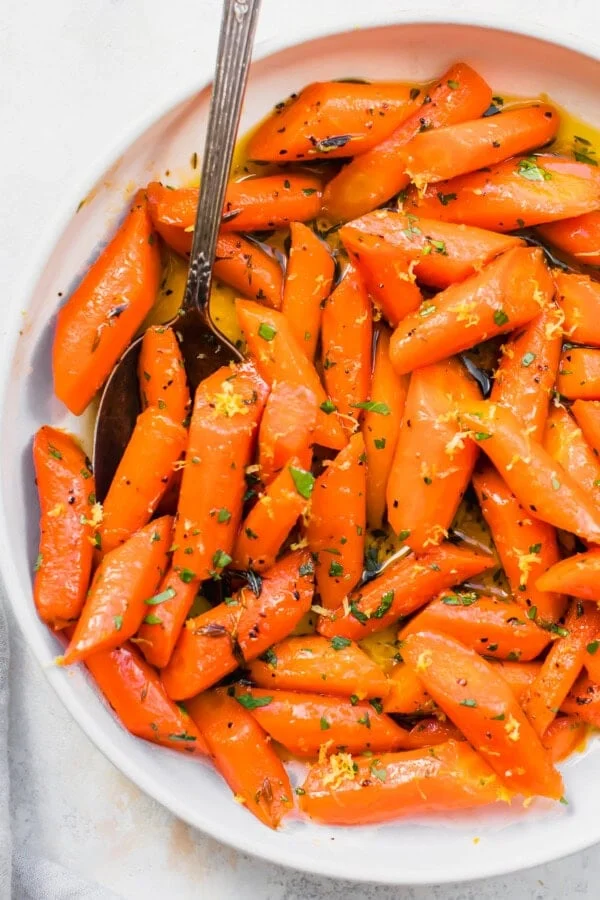
The culinary landscape of holiday gatherings is often defined by beloved traditions, and among the most cherished side dishes is the classic glazed carrot. A particular rendition, the easy honey butter glazed carrots prepared on the stovetop, has emerged as a consistent favorite, celebrated for its tender texture, subtly sweet flavor profile, and remarkable efficiency. This dish, requiring minimal active cooking time and circumventing the often-overburdened holiday oven, presents a compelling option for both seasoned chefs and novice home cooks preparing for Easter, Thanksgiving, or any festive occasion. Its appeal lies in a harmonious blend of simple ingredients—carrots, butter, honey, and aromatic thyme—culminating in a glossy, inviting presentation that complements a wide array of main courses.
The Enduring Appeal of Stovetop Glazing: Efficiency Meets Elegance
The stovetop method for preparing glazed carrots offers a distinct advantage, particularly during high-volume cooking periods like major holidays. In kitchens where oven space is a precious commodity, a dish that can be masterfully executed on the stovetop within approximately 20 minutes becomes invaluable. This technique involves gently simmering carrots until tender, then finishing them with a luscious honey-butter glaze. The gentle heat allows the carrots to absorb the flavors deeply without the risk of drying out, a common challenge with some roasting methods. This method stands in contrast to oven-roasted carrots, which, while offering caramelization and crispy edges, demand dedicated oven time and a different textural outcome. The stovetop variant prioritizes tenderness and a delicate, uniform glaze, providing a comforting and consistently appealing vegetable side.

Historically, glazed vegetables have held a special place in global cuisines, often serving as a means to enhance flavor and preserve nutrients while adding visual appeal to a meal. Carrots, with their natural sweetness, are particularly well-suited to glazing. The addition of honey, a natural sweetener with ancient roots, and butter, a foundational element in classical cooking, elevates the humble carrot to a dish of understated elegance. This combination not only sweetens but also imparts a rich, glossy finish that makes the carrots irresistible.
A Recipe’s Journey: From Family Tradition to Widespread Acclaim
The specific recipe for honey-butter glazed carrots gaining traction often originates from cherished family traditions, much like the one popularized by a cousin’s holiday gatherings. Such recipes are passed down, refined, and eventually shared, finding new audiences through digital platforms. The transition of this particular recipe from a personal family staple to a widely adopted guide underscores a broader trend in home cooking: the search for reliable, delicious, and efficient dishes that can be easily integrated into diverse meal plans.
The journey of this recipe highlights a practical chronology in home culinary practices. Initially, it served a specific need: a delightful side dish that didn’t monopolize the oven during elaborate holiday meals. Its success in this niche led to its recognition as a versatile option, suitable not just for special occasions but also for weeknight dinners. This evolution reflects how adaptable recipes with simple ingredient lists and straightforward instructions become mainstays, bridging the gap between celebratory feasts and everyday sustenance. The finishing touches of fresh parsley and lemon zest, added at the end, exemplify modern culinary preferences for bright, fresh accents that lift the overall flavor profile, moving beyond purely sweet or savory notes to a more complex, balanced experience.

Crafting the Perfect Glaze: Key Ingredients and Their Roles
The success of these honey-butter glazed carrots hinges on a concise list of readily available ingredients, each playing a crucial role in achieving the desired taste and texture.
- Carrots: The star of the dish, carrots are chosen for their inherent sweetness, vibrant color, and nutritional value. When selecting carrots, opt for firm, smooth specimens. Cutting them into uniform pieces ensures even cooking.
- Butter: Unsalted butter forms the rich base of the glaze, contributing a creamy mouthfeel and a depth of flavor that complements the carrots’ sweetness. Butter also aids in achieving that desirable glossy finish.
- Honey: As the primary sweetener, honey introduces a complex, floral sweetness that is more nuanced than granulated sugar. It also helps create the characteristic sticky, glistening glaze. The type of honey can subtly influence the flavor profile; a mild clover honey is generally recommended, but a bolder wildflower honey could add another dimension.
- Thyme: Fresh thyme sprigs are simmered with the carrots, infusing them with an earthy, herbaceous aroma that balances the sweetness of the honey. Thyme’s robust flavor holds up well to cooking and adds a sophisticated note.
- Water or Broth: Essential for simmering the carrots to tenderness. Using a small amount of water or vegetable broth creates steam, cooking the carrots gently while allowing them to retain their natural moisture.
- Salt and Pepper: Fundamental seasonings that enhance all other flavors, bringing balance to the sweet and savory elements.
- Fresh Parsley: Added at the very end, fresh chopped parsley provides a burst of herbaceous freshness and a contrasting green color, making the dish visually appealing.
- Lemon Zest: A final flourish, lemon zest introduces a bright, zesty acidity that cuts through the richness of the butter and honey, elevating the overall flavor and preventing the dish from being overly sweet.
These ingredients, common in most refrigerators and pantries, highlight the recipe’s accessibility and ease of preparation, reinforcing its status as a go-to option for busy cooks.
Mastering the Stovetop Technique: A Step-by-Step Guide

The preparation of honey-glazed carrots is remarkably straightforward, broken down into two primary phases: initial cooking and final glazing.
- Preparation of Carrots: Begin by peeling fresh carrots and slicing them into uniform pieces. While various cuts are possible, rounds or diagonal slices of approximately 1/4 to 1/2 inch thickness are ideal for even cooking. For a more rustic presentation, baby carrots can also be used whole or halved lengthwise.
- Initial Simmering: In a large skillet or saucepan with a lid, melt a portion of the butter with a touch of oil over medium heat. Add the prepared carrots along with a few sprigs of fresh thyme. Sauté the carrots briefly to coat them, then add a small amount of water or vegetable broth, along with salt and pepper. Bring the liquid to a gentle simmer, then reduce the heat to low, cover the pan, and allow the carrots to cook. This gentle simmering process ensures the carrots become tender without becoming mushy, typically taking 15-20 minutes depending on their thickness.
- Creating the Glaze: Once the carrots are tender, remove the thyme sprigs. Increase the heat slightly and add the remaining butter and the honey to the pan. Stir gently, allowing the butter to melt and combine with the honey and the residual liquid from the carrots. The mixture will begin to thicken into a glossy glaze as it continues to cook, coating each carrot piece.
- Finishing Touches: Continue to cook for a few more minutes, stirring frequently, until the carrots are beautifully coated and the glaze has reduced to a desirable consistency. Remove from heat and stir in the fresh chopped parsley and a generous amount of lemon zest. Taste and adjust seasoning if necessary. Serve immediately.
This methodical approach ensures perfectly cooked carrots enveloped in a vibrant, flavorful glaze, ready to impress with minimal fuss.
Nutritional Insights and Health Benefits
Beyond its delectable taste, the honey-butter glazed carrot dish offers notable nutritional benefits, primarily stemming from its star ingredient. Carrots are renowned for being an excellent source of beta-carotene, a powerful antioxidant that the body converts into Vitamin A. Vitamin A is crucial for vision, immune function, and skin health. Additionally, carrots are a good source of dietary fiber, which aids in digestion, promotes satiety, and contributes to overall gut health.

While the recipe incorporates butter and honey, which contribute calories and sugars, the dish remains a wholesome option when consumed as part of a balanced meal. The nutritional breakdown of approximately 138.5 kcal, 20.5g carbohydrates, 1.5g protein, 6.5g fat (3g saturated fat), 10mg cholesterol, 159mg sodium, 4.5g fiber, and 13g sugar per 3/4 cup serving indicates a relatively moderate energy density, particularly given the nutrient density of the carrots. The fiber content is particularly noteworthy, helping to mitigate the glycemic impact of the honey and providing sustained energy. Culinary nutritionists often advocate for incorporating a variety of colorful vegetables into daily diets, and this recipe provides an appealing way to increase vegetable intake, especially for those who might otherwise be hesitant to consume plain cooked carrots.
Versatility and Adaptability: Exploring Flavor Variations
The foundational honey-butter glaze is inherently adaptable, allowing for numerous variations to suit different palates or complement specific main dishes.
- Spiced Glaze: For a warmer, spicier profile, consider adding a pinch of ground cinnamon, nutmeg, or even a tiny dash of cayenne pepper to the glaze. A touch of ginger can also add a delightful zing.
- Herbaceous Alternatives: While thyme is classic, other herbs can be used. Fresh rosemary offers a more piney, robust flavor, while dill provides a lighter, more refreshing note. Sage could be incorporated for a distinctly autumnal feel.
- Sweetener Swaps: While honey is preferred, maple syrup can be substituted for a different kind of natural sweetness, offering a slightly richer, more caramel-like undertone. A blend of honey and a touch of brown sugar could also be used for added depth.
- Citrus Enhancements: Beyond lemon zest, a squeeze of fresh orange juice or a bit of orange zest can enhance the natural sweetness of the carrots and add a brighter, more aromatic dimension.
- Nutty Additions: Toasted pecans or walnuts, sprinkled over the finished dish, can add a delightful crunch and nutty flavor, particularly suitable for Thanksgiving or autumnal meals.
- Garlic Infusion: For a savory twist, a minced garlic clove can be sautéed with the carrots at the beginning, infusing them with an aromatic foundation before the sweet glaze is applied.
These variations allow cooks to personalize the dish, ensuring it never feels monotonous and can be tailored to individual preferences or specific meal themes.

Strategic Meal Planning: Make-Ahead and Storage Solutions
One of the practical benefits of this stovetop recipe is its suitability for make-ahead preparation, a significant advantage for holiday entertaining.
- Make-Ahead: The carrots can be cooked and glazed up to 1-2 days in advance. After cooking, allow them to cool completely, then transfer them to an airtight container and refrigerate. When ready to serve, gently reheat the carrots on the stovetop over low heat, adding a splash of water or broth if the glaze has thickened too much. Stir until warmed through and glossy, then add fresh parsley and lemon zest just before serving for optimal flavor and appearance.
- Storage: Leftover honey-glazed carrots can be stored in an airtight container in the refrigerator for up to 3-4 days.
- Reheating: Reheat leftovers gently on the stovetop or in the microwave until warm. Be mindful not to overcook, as this can diminish their tender texture. The flavors often meld and deepen slightly upon refrigeration, making leftovers equally delicious.
These tips enhance the recipe’s convenience, allowing hosts to manage their time more effectively during busy periods.
Pairing Perfection: Complementary Dishes for Any Occasion

These healthy honey-glazed carrots are an exceptionally versatile side dish, capable of enhancing a wide variety of main courses, making them perfect for both elaborate holiday feasts and simple family dinners.
For holiday meals, they pair beautifully with traditional roasts:
- Roasted Turkey or Chicken: The sweetness of the carrots complements the savory notes of poultry, providing a refreshing counterpoint.
- Baked Ham: The honey glaze naturally harmonizes with the sweetness often found in ham preparations, creating a cohesive flavor profile.
- Roast Beef or Lamb: The tender, glazed carrots offer a sweet and vibrant contrast to richer, more robust red meats.
For everyday family dinners, their versatility shines:
- Air Fryer Rotisserie Chicken: A quick and easy main course that pairs effortlessly with the equally simple stovetop carrots.
- Baked Salmon or Pan-Seared Fish: The sweetness and brightness of the carrots provide an excellent balance to the richness of fish, particularly salmon.
- Pork Chops: Whether grilled, pan-fried, or baked, pork chops find a delightful companion in these sweet and savory carrots.
- Vegetarian Mains: They can elevate vegetarian dishes such as lentil loaf, mushroom Wellington, or a hearty bean stew, adding color, flavor, and texture.
The dish’s balance of sweet and savory makes it a culinary chameleon, able to adapt to and enhance almost any meal, underscoring its broad appeal in diverse dietary contexts.

Expert Perspectives and Home Cook Endorsements
The widespread adoption of simple, flavorful recipes like these honey-butter glazed carrots speaks volumes about their quality and utility. Culinary experts frequently highlight the importance of vegetable side dishes that are both delicious and easy to prepare, especially those that offer alternatives to oven-centric cooking. "The beauty of a stovetop glazed carrot," notes a prominent food blogger, "is its ability to deliver tender, flavorful results without demanding extensive attention or precious oven real estate. It’s a testament to how simple techniques can yield impressive outcomes."
Home cooks consistently laud this recipe for its reliability and its ability to win over even the pickiest eaters. Feedback often centers on its "foolproof" nature and the appealing combination of sweetness and freshness. Many appreciate that it allows them to incorporate a vibrant, healthy vegetable into their meals without adding stress to their cooking routine. The consistent positive reception underscores the recipe’s status as a dependable and delightful addition to any meal plan.
Broader Culinary Implications: The Trend Towards Simplicity and Wholesome Sides

The popularity of stovetop honey-butter glazed carrots reflects several significant trends in contemporary home cooking. Firstly, there is a clear movement towards culinary efficiency. As modern lifestyles become increasingly demanding, home cooks are seeking recipes that deliver maximum flavor with minimal time and effort. The 20-minute preparation time and stovetop method perfectly align with this desire.
Secondly, the emphasis on wholesome, vegetable-forward eating continues to grow. Consumers are increasingly conscious of incorporating more vegetables into their diets, and recipes that make vegetables appealing and delicious are highly valued. This recipe’s inherent health benefits from carrots, combined with an irresistible flavor, makes it an excellent gateway to increased vegetable consumption.
Finally, the enduring appeal of comfort food with a refined touch is evident. While simple, the honey-butter glaze elevates the humble carrot to a dish that feels special and indulgent, without being overly complex or heavy. This balance of familiarity and elegance ensures its place as a staple for both everyday and celebratory tables.
The success of such straightforward yet impactful recipes implies a future where home cooking prioritizes practicality, health, and undeniable flavor, reinforcing the timeless appeal of well-prepared vegetables.

The Carrot’s Place in the Modern Kitchen
From its humble beginnings as a root vegetable to its current status as a versatile culinary ingredient, the carrot continues to shine. This particular recipe for honey-butter glazed carrots encapsulates why: it’s accessible, delicious, and adaptable. It stands as a testament to how traditional ingredients, when paired with thoughtful preparation, can create dishes that resonate deeply with contemporary tastes and practical needs, ensuring its continued prominence in kitchens around the world.
Recipe Summary (Based on original nutritional data)
Prep Time: 15 minutes
Cook Time: 20 minutes
Total Time: 35 minutes
Yield: 6 servings
Serving Size: 3/4 cup

Nutrition Information (per 3/4 cup serving):
- Calories: 138.5 kcal
- Carbohydrates: 20.5 g
- Protein: 1.5 g
- Fat: 6.5 g
- Saturated Fat: 3 g
- Cholesterol: 10 mg
- Sodium: 159 mg
- Fiber: 4.5 g
- Sugar: 13 g
