
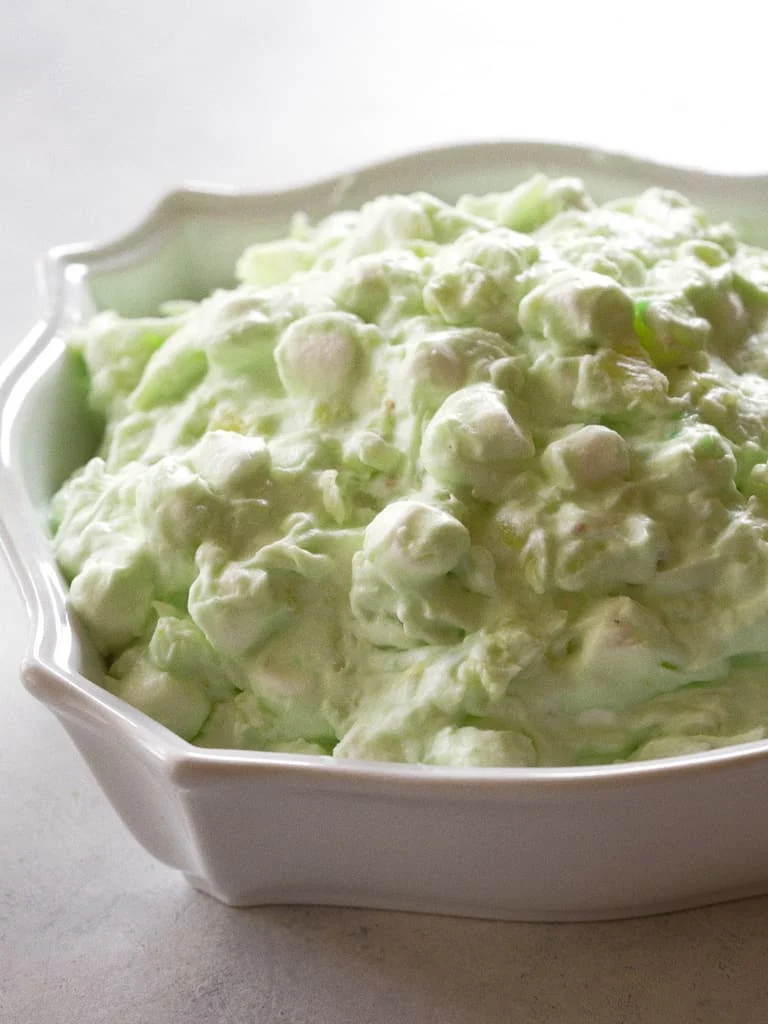
Watergate Salad, a dessert salad characterized by its vibrant green hue and a surprisingly simple ingredient list, has maintained a curious presence in American culinary traditions for decades. Composed primarily of pistachio pudding mix, crushed pineapple, miniature marshmallows, and fresh whipped cream, this concoction has become a staple at potlucks and holiday gatherings since its emergence around 1980. While its preparation is straightforward, the salad’s moniker, inextricably linked to a pivotal and tumultuous period in American political history, adds a layer of intrigue to its otherwise sweet and fluffy composition.
The origins of the salad’s name are a subject of varied accounts, each adding to its mystique. Initially, Kraft Kitchens is credited with developing the recipe in 1975, marketing it under the more innocuous title of “Pistachio Pineapple Delight.” However, a food editor, seeking to imbue the recipe with a sense of timeliness and perhaps a touch of playful notoriety, is reported to have renamed it “Watergate Salad.” This rebranding coincided with the height of the Watergate scandal, a complex political scandal that ultimately led to the resignation of President Richard Nixon in August 1974. The association was so strong that rumors circulated, suggesting a chef at the famed Watergate hotel in Washington D.C. was the true inventor of this now-classic dessert.
Beyond the political connotations, the salad holds a personal significance for many families, serving as a nostalgic reminder of past celebrations. For some, like the author of the original recipe’s commentary, the salad was a recurring feature at family reunions, often prepared by a sister whose exact measurements were sometimes elusive, leading to a delightful variety of interpretations over the years. This familial connection underscores the salad’s role not just as a dessert, but as a culinary thread woven into the fabric of personal histories, much like other beloved retro dishes such as ambrosia salad, celebrated for their light and fluffy textures and accessible ingredients.
A Closer Look at the Ingredients and Preparation
At its core, Watergate Salad is a testament to the power of simple, readily available ingredients to create a crowd-pleasing dish. The traditional recipe, as often encountered, typically includes a base of pistachio instant pudding mix, which imparts both its signature color and a subtle nutty flavor. This is then combined with the sweetness and tang of crushed pineapple, providing a moist and fruity counterpoint. Miniature marshmallows contribute a chewy texture and additional sweetness, while the binding agent has historically been a frozen whipped topping, commonly known by the brand name Cool Whip.
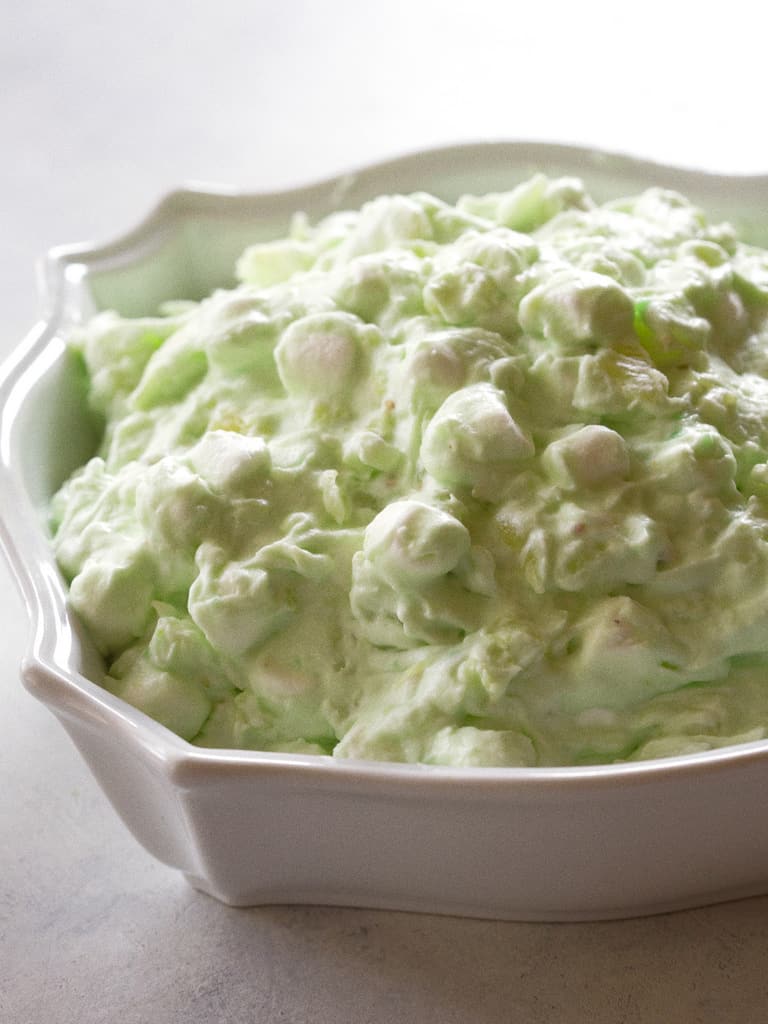
However, modern interpretations, including the one highlighted in the original commentary, often advocate for a shift towards fresh, homemade whipped cream. This substitution, while requiring a bit more effort, is believed by proponents to elevate the salad’s texture and flavor profile, offering a lighter, less artificially sweet alternative to its pre-made counterpart. The process of stabilizing the fresh whipped cream is crucial for ensuring the salad can be prepared in advance without compromising its consistency, a practical consideration for busy hosts. The simplicity of combining these components—pudding mix, pineapple, marshmallows, and whipped cream—renders the preparation process remarkably swift, often taking mere minutes.
The Watergate Connection: A Culinary Coincidence?
The naming of Watergate Salad remains a point of fascination. The Watergate scandal, a complex web of political intrigue and illegal activities that plagued the Nixon administration, dominated headlines for years. The scandal involved a break-in at the Democratic National Committee headquarters at the Watergate complex in Washington D.C. in 1972, followed by a presidential cover-up. The ensuing investigations, congressional hearings, and impeachment proceedings captivated the nation, creating a cultural touchstone that permeated various aspects of American life, including, it appears, its cuisine.
The decision to name a dessert salad after such a significant political event is a curious one. It’s possible that the name was intended to be a form of playful commentary, a way to capitalize on public awareness, or simply a catchy moniker that would draw attention. The rumor that a chef at the Watergate hotel created the salad adds another layer to this narrative, suggesting a direct link to the location that gave the scandal its name. Whether the connection was a deliberate marketing strategy or a serendipitous coincidence, the name has undoubtedly contributed to the salad’s enduring notoriety and conversation-starting appeal.
Variations and Adaptations: A Recipe for Personalization
While the core ingredients of Watergate Salad remain consistent, there is room for personal adaptation. The most significant variation revolves around the whipped topping. As mentioned, substituting Cool Whip with freshly whipped cream is a popular choice for those seeking a more artisanal touch. The process of making fresh whipped cream typically involves whipping heavy cream until soft or medium peaks form, ensuring a stable and airy texture. Some recipes may also suggest adding a touch of vanilla extract or a hint of sugar to the whipped cream, further tailoring the sweetness to individual preferences.
Beyond the whipped topping, other ingredients can be incorporated or modified. Some versions might include chopped nuts, such as pecans or walnuts, to add an extra layer of crunch and flavor. The type and quantity of pineapple can also be adjusted; while crushed pineapple is standard, some might opt for chunks for a more distinct fruit presence. The fundamental principle, however, remains the creation of a light, fluffy, and sweet dessert that is both easy to assemble and enjoyable to share.
Storage and Longevity: Practical Considerations
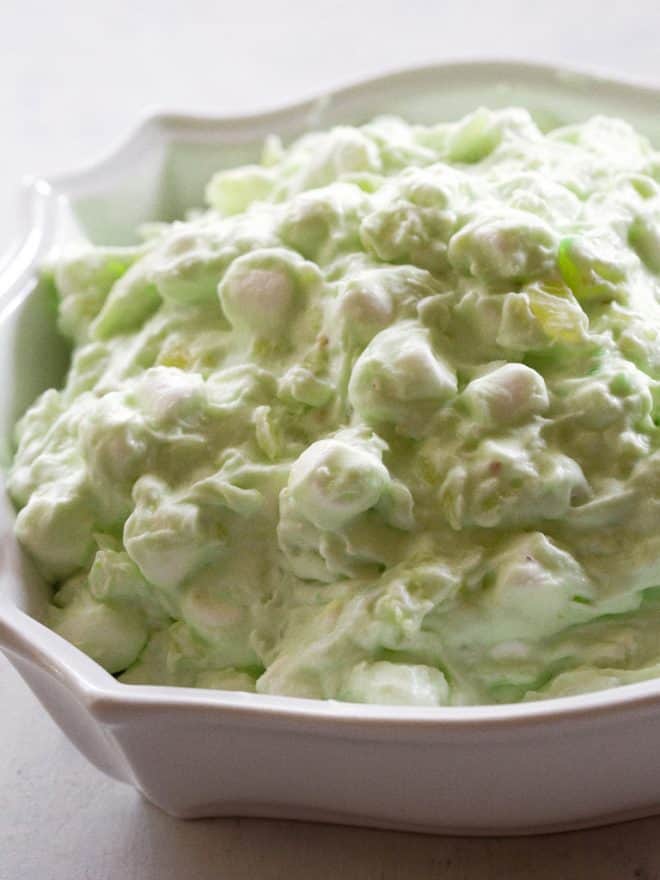
For those planning to serve Watergate Salad at an event, understanding its storage capabilities is essential. The salad, once prepared, can be stored in an airtight container in the refrigerator for at least two days. This makes it a convenient option for make-ahead entertaining. The stability of the whipped cream, whether fresh or from a frozen topping, is key to maintaining the salad’s desirable texture. If using fresh whipped cream, ensuring it is whipped to the correct consistency, as noted in some recipe guidelines, will help prevent it from breaking down prematurely.
The Broader Impact: A Retro Revival?
Watergate Salad’s persistence in the culinary landscape can be seen as part of a broader trend of renewed interest in retro recipes. In an era where culinary innovation is constant, there is also a growing appreciation for classic dishes that evoke nostalgia and a sense of comfort. These recipes, often passed down through generations or rediscovered through vintage cookbooks and online archives, offer a connection to the past and a simpler approach to cooking.
The enduring popularity of Watergate Salad, despite its somewhat controversial name, speaks to its inherent appeal: its simplicity, its sweet and satisfying flavor, and its ability to bring people together. It serves as a reminder that even seemingly humble dishes can hold significant cultural and personal meaning, sparking conversations and creating cherished memories, one fluffy, green spoonful at a time. The salad’s ability to transcend its political namesake and remain a beloved dessert demonstrates the power of good taste and shared culinary experiences to create lasting legacies.
