
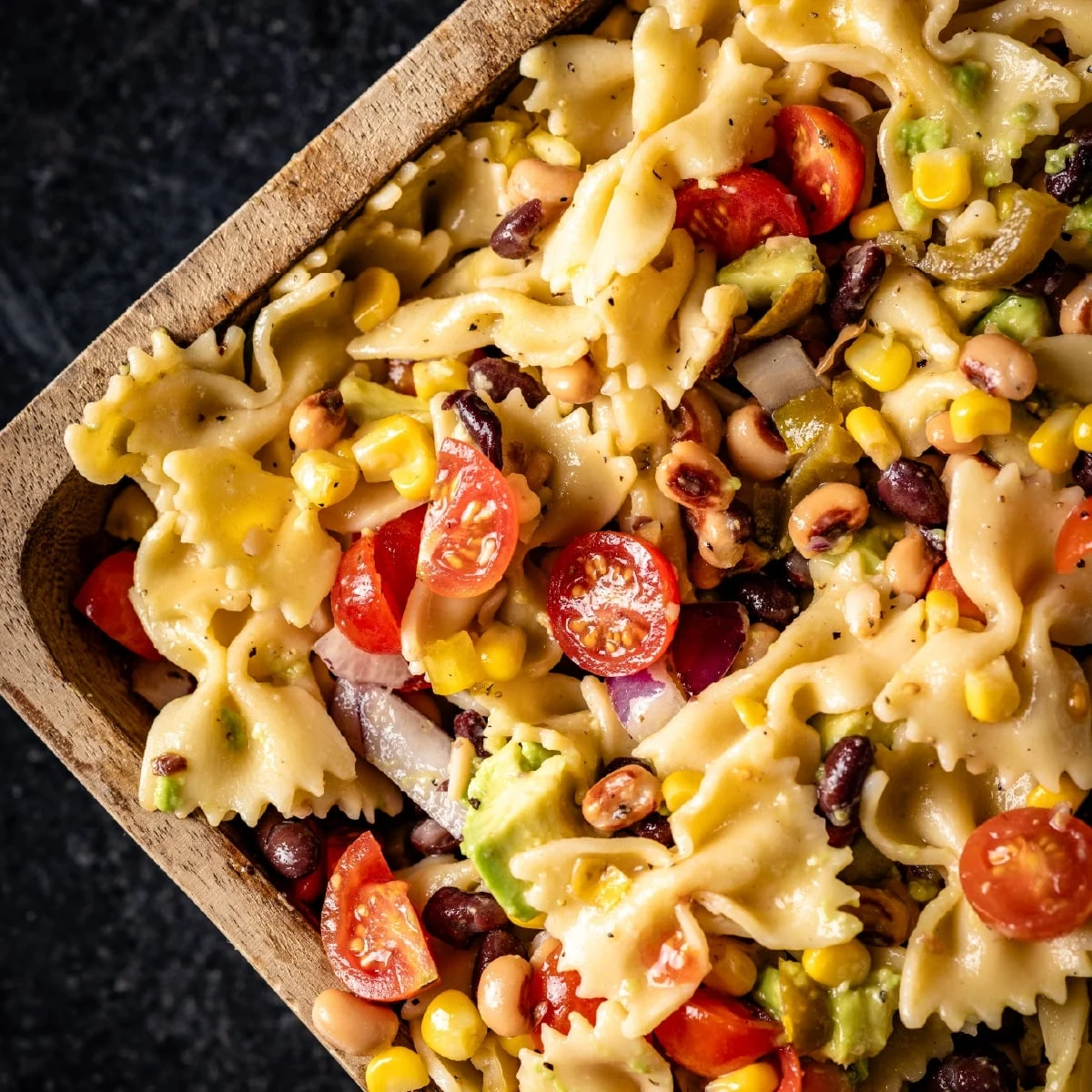
The Cowboy Pasta Salad has emerged as a significant culinary phenomenon within the American outdoor cooking landscape, representing a sophisticated fusion of traditional Southwestern flavors and classic pasta-based side dishes. Characterized by its vibrant combination of bowtie pasta, creamy avocado, black beans, and sweet corn, this dish has transitioned from a regional specialty to a nationally recognized staple of the backyard barbecue circuit. Often served alongside heavy smoked meats such as brisket and pulled pork, the salad provides a necessary acidic and textural contrast to the rich, fatty profiles of traditional pit-master offerings. The recipe popularized by culinary influencer Susie Bulloch and her platform, Hey Grill Hey, exemplifies a modern shift toward versatile, pantry-stable dishes that prioritize fresh produce and bold, citrus-forward dressings.
The Culinary Composition and Flavor Profile of Cowboy Pasta Salad
The success of the Cowboy Pasta Salad lies in its complex layering of textures and its balanced flavor profile, which adheres to the fundamental principles of gastronomy: fat, acid, heat, and salt. The foundation of the dish is the farfalle, or bowtie pasta, chosen specifically for its structural integrity and its ability to "cradle" smaller ingredients like corn kernels and black beans within its folds.

The flavor architecture is built upon a dual-acid base consisting of fresh lime juice and red wine vinegar. This combination provides a bright, sharp top note that cuts through the starchiness of the pasta. To balance this acidity, the dressing incorporates honey as a natural sweetener, while olive oil serves as the emulsifying agent that carries the spices. The inclusion of ground cumin and chili powder introduces an earthy, smoky undertone that mimics the aromatics of a traditional wood-fired grill, effectively bridging the gap between the cold side dish and the hot main course.
Fresh ingredients play a pivotal role in the dish’s sensory appeal. The creaminess of the avocado provides a luxurious mouthfeel that replaces the heavy mayonnaise found in traditional American macaroni salads. Meanwhile, the inclusion of pickled jalapeños introduces a controlled heat and a fermented tang, a technique often utilized in professional kitchens to elevate simple salads into complex side dishes.
Historical Evolution: From Cowboy Caviar to Pasta Salad
The Cowboy Pasta Salad is a direct descendant of "Cowboy Caviar," a dip created in the mid-20th century. Historical culinary records attribute the original Cowboy Caviar to Helen Corbitt, a New York-born chef who served as the director of food services for Neiman Marcus in Dallas, Texas, during the 1940s and 50s. Corbitt’s original creation—a mix of black-eyed peas, onions, and oil-and-vinegar dressing—was intended as a humorous take on expensive sturgeon roe, utilizing humble ingredients native to the Southern United States.

Over the decades, this concept evolved as it moved through different geographic regions. The addition of black beans, corn, and tomatoes reflected the increasing influence of Tex-Mex and Mexican cuisine on the American palate. The transition into a "pasta salad" occurred as home cooks sought to transform a dip into a more substantial side dish that could feed large crowds at community gatherings and potlucks. By introducing pasta, the dish gained the necessary caloric density to stand alone as a vegetarian main or a hearty accompaniment to the protein-centric menus of modern barbecues.
Chronology of Preparation and Assembly
The preparation of the Cowboy Pasta Salad follows a precise chronological order designed to maximize flavor absorption and maintain the integrity of delicate ingredients.
- Starch Preparation: The process begins with boiling the bowtie pasta in salted water until it reaches an al dente consistency. Culinary experts recommend a slightly firmer texture for pasta salads, as the noodles will continue to soften slightly once they begin to absorb the dressing.
- Dressing Emulsification: While the pasta cools, the dressing is prepared by whisking together lime juice, red wine vinegar, olive oil, honey, and a spice blend of cumin, chili powder, salt, and pepper. Fresh cilantro is folded in last to preserve its volatile oils and bright color.
- Vegetable Integration: In a large mixing bowl, the cooled pasta is combined with black beans, black-eyed peas, sweet corn, cherry tomatoes, and red onion. These ingredients are tossed gently to ensure even distribution without bruising the vegetables.
- The "Hero" Ingredient: The avocado is diced and added toward the end of the process. Because avocado is prone to oxidation (browning), its inclusion just before serving—or its protection by the acidic lime juice in the dressing—is a critical technical step.
- Chilling Phase: The final assembly is ideally allowed to chill for at least 30 minutes. This rest period is essential for the "marination" of the pasta, allowing the vinaigrette to penetrate the starch while the flavors of the onion and jalapeño mellow and meld.
Nutritional Data and Economic Analysis
The nutritional profile of the Cowboy Pasta Salad positions it as a robust option within the context of outdoor dining. According to data provided by the Hey Grill Hey nutritional analysis, a single serving (calculated at one-eighth of a standard batch) contains approximately 383 calories.

- Macronutrient Breakdown: The dish provides 57 grams of carbohydrates, making it a primary energy source. It contains 11 grams of protein, largely derived from the legumes (black beans and black-eyed peas), and 16 grams of fat. Notably, the majority of this fat is monounsaturated (10g), sourced from the avocado and olive oil, which are widely recognized as heart-healthy fats.
- Micronutrients and Fiber: The salad is a significant source of dietary fiber (5g) and provides essential vitamins, including 514 IU of Vitamin A and 17 mg of Vitamin C. It also offers 511 mg of potassium, which is vital for electrolyte balance, particularly during summer outdoor events.
- Economic Impact: From a budgetary perspective, the Cowboy Pasta Salad is highly cost-effective. By utilizing "pantry staples" such as dried or canned beans and pasta, the cost per serving remains low compared to meat-based dishes. This economic efficiency has contributed to its popularity during periods of rising food inflation, allowing hosts to provide a filling, high-quality meal without the expense associated with premium cuts of beef or pork.
Official Responses and Expert Perspectives
Industry experts and culinary influencers have noted that the "Cowboy" style of cooking resonates with a specific American cultural identity—one that values ruggedness, simplicity, and bold flavors. Susie Bulloch, the founder of Hey Grill Hey and a prominent figure in the BBQ community, has emphasized that the goal of such recipes is to empower the "Backyard BBQ Hero."
In her commentary regarding the recipe, Bulloch highlights the importance of adaptability. While traditional iterations of Cowboy Pasta Salad may include browned ground beef or bacon, her version focuses on a meatless approach that utilizes what the cook has "on hand." This philosophy of "working with what you’ve got" reflects a broader trend in the culinary world toward reducing food waste and increasing the accessibility of gourmet-style home cooking.
Furthermore, professional pit-masters have begun to acknowledge that the quality of side dishes can define the success of a barbecue. The "sleeper hit" nature of the Cowboy Pasta Salad suggests that as the competitive BBQ scene becomes more saturated, the differentiation often comes from the creativity and execution of the peripheral menu items rather than the meat alone.

Broader Impact and Implications for Modern BBQ Culture
The rise of the Cowboy Pasta Salad signifies a shift in the demographics and preferences of the modern barbecue audience. There is an increasing demand for "vegetable-forward" options that do not compromise on the smoky, savory hallmarks of the genre.
- The Globalization of the Potluck: The inclusion of ingredients like lime, cilantro, and cumin demonstrates the normalization of global flavors in domestic American cooking. What was once considered "ethnic" is now a standard component of a "cowboy" dish.
- Social Media and Recipe Virality: The dissemination of this recipe through platforms like YouTube, Instagram, and Facebook has created a digital community of home cooks. The "Hey Grill Hey" brand alone reaches millions of subscribers, indicating that the modern recipe is no longer passed down solely through physical cookbooks but through viral, high-production digital content.
- Versatility as a Main Course: The caloric and protein density of this salad allows it to serve as a standalone main dish for vegetarian guests, solving a long-standing challenge for BBQ hosts. By providing a dish that is "plenty filling" due to the beans and black-eyed peas, the Cowboy Pasta Salad promotes a more inclusive dining environment.
In conclusion, the Cowboy Pasta Salad is more than a simple side dish; it is a reflection of evolving American tastes, economic pragmatism, and the power of digital culinary education. Its ability to balance the heavy, traditional elements of a barbecue with fresh, zesty, and nutritious ingredients ensures its continued relevance in the pantheon of great American outdoor cooking. As more cooks transition from being casual observers to "Backyard BBQ Heroes," dishes like the Cowboy Pasta Salad will remain essential tools in their gastronomic repertoire.
