
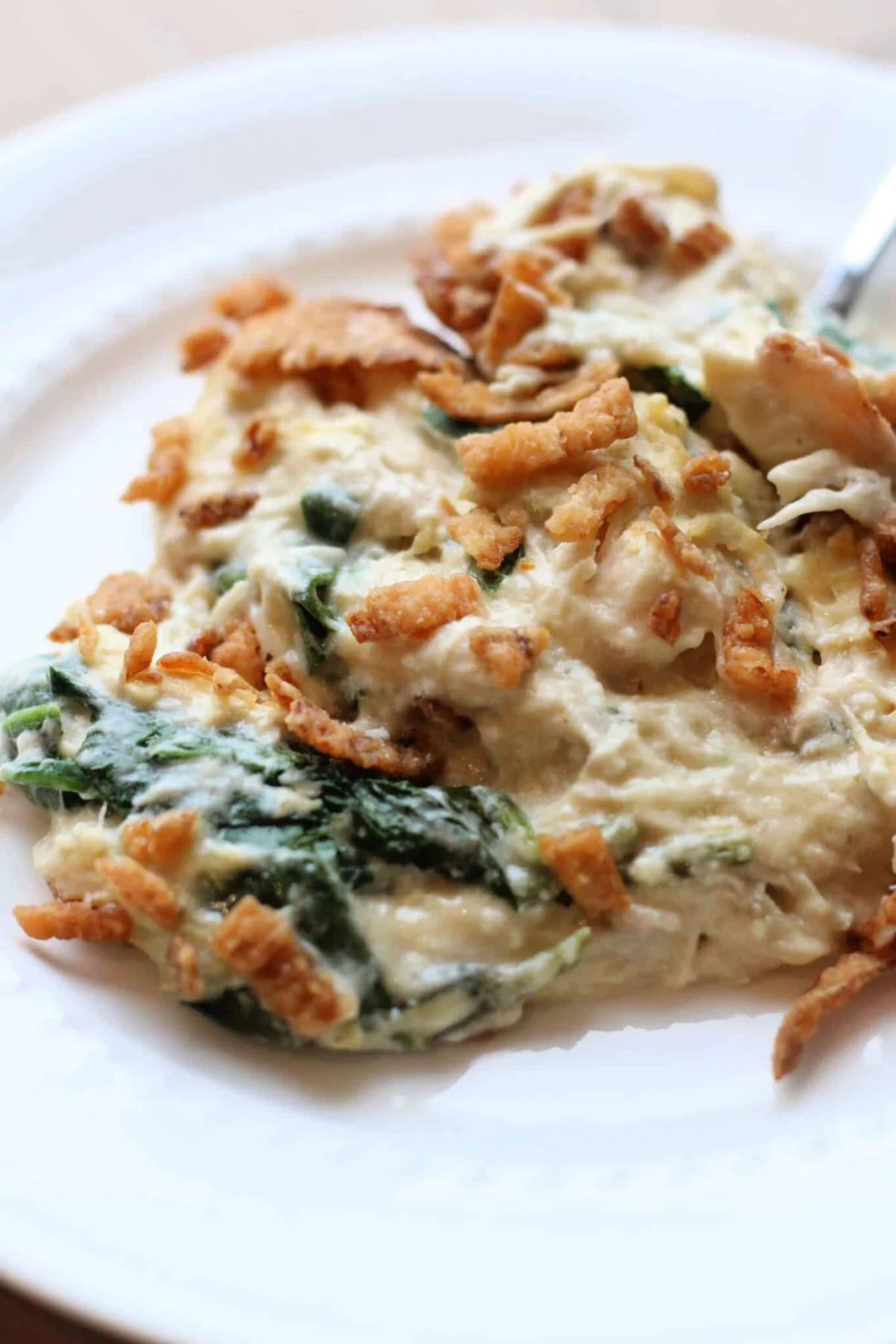
The modern culinary landscape has seen a significant shift toward "speed-scratch" cooking, a method that combines pre-prepared or convenience items with fresh ingredients to create a home-cooked meal in a fraction of the traditional time. At the forefront of this movement is the Monterey Chicken Casserole, a dish that has gained traction among busy households for its fusion of creamy textures, bold ranch flavors, and the strategic use of pre-cooked poultry. This specific iteration of the classic chicken casserole leverages the savory profile of Monterey Jack cheese and the convenience of rotisserie chicken, representing a broader trend in American domestic life where efficiency and comfort intersect.

As food prices and time constraints continue to influence household decision-making, the Monterey Chicken Casserole serves as a case study in practical gastronomy. By utilizing a base of tender chicken and spinach folded into a ranch-infused cream sauce, the dish provides a nutritionally dense yet accessible option for the average consumer. The final addition of crispy French fried onions adds a textural contrast that has become a hallmark of mid-century American comfort food, updated here for a contemporary palate that favors the zesty, herb-forward notes of buttermilk ranch seasoning.
The Architectural Composition of a Modern Casserole
The Monterey Chicken Casserole is defined by its specific layering and flavor profile. Unlike traditional pot pies or stews, this casserole focuses on a thick, creamy consistency that adheres to the protein and vegetables without the need for a flour-based roux made from scratch. The core ingredients—chopped cooked chicken, Monterey Jack cheese, sour cream, cream of chicken soup, spinach, ranch dressing mix, and French fried onions—work in tandem to create a multi-dimensional sensory experience.

Monterey Jack cheese, a mild, semi-hard cheese originating from Monterey, California, is selected for its superior melting capabilities. Its high moisture content and relatively low melting point ensure a smooth, velvety texture that binds the chicken and spinach together. The addition of ranch dressing mix introduces a complex blend of dried onion, garlic, salt, pepper, and herbs like dill and parsley. This flavor profile has remained the most popular salad dressing flavor in the United States since 1992, and its application in hot casseroles marks a significant evolution in its use as an all-purpose seasoning.
The inclusion of spinach provides not only a vibrant color contrast but also a necessary dose of iron and vitamins A and C, addressing the growing consumer demand for "hidden vegetables" in family-friendly meals. When baked at 350°F, the moisture from the sour cream and soup allows the spinach to wilt perfectly into the sauce, ensuring that the greens are integrated rather than remaining a separate side dish.

Chronology of Preparation and Assembly
The efficiency of the Monterey Chicken Casserole is rooted in its streamlined preparation timeline, which is designed to minimize active kitchen time. The process begins with the preheating of the oven to 350°F (175°C), a standard temperature that ensures even cooking without scorching the delicate dairy components of the sauce.
- Initial Integration: In a large mixing bowl, the primary ingredients are combined. This includes approximately two cups of pre-cooked, chopped chicken—often sourced from a rotisserie bird to maximize flavor and tenderness. The chicken is tossed with Monterey Jack cheese, a standard container of sour cream, a can of condensed cream of chicken soup, a measure of fresh or frozen spinach (thawed and squeezed dry), and a packet of ranch dressing mix.
- Textural Foundation: A critical step in the chronology involves adding exactly half of the French fried onions into the wet mixture. This ensures that some of the onion flavor is infused throughout the casserole during the baking process, providing soft, savory bursts of flavor within the creamy interior.
- Vessel Selection and Layering: The mixture is transferred into an 8×8 inch baking dish. The choice of a smaller, deeper dish allows for a thicker casserole, which helps retain heat and moisture more effectively than a larger, shallower pan.
- The Final Topping: The remaining half of the French fried onions is sprinkled over the top of the mixture. This secondary layer remains exposed to the direct heat of the oven, allowing it to achieve a golden-brown, crispy texture that serves as the "crust" of the dish.
- Thermal Processing: The casserole is baked for 40 minutes. This duration is sufficient to melt the cheese completely, bubble the cream base, and crisp the topping without drying out the pre-cooked chicken.
Economic and Supporting Data: The Rotisserie Chicken Factor
The success and popularity of dishes like the Monterey Chicken Casserole are inextricably linked to the economic phenomenon of the rotisserie chicken. Data from the poultry industry indicates that Americans consume nearly 1 billion rotisserie chickens annually. Costco, a major player in this market, reported selling 137 million rotisserie chickens in 2023 alone, maintaining a steady price point of $4.99 despite inflationary pressures.

Culinary analysts suggest that the use of these pre-cooked birds as a "starter ingredient" for casseroles reduces meal preparation time by an average of 30 to 45 minutes. For a recipe requiring two cups of chopped chicken, one rotisserie bird can provide enough meat for two separate meals if stored correctly. The author of the recipe, Karen Petersen, highlights this efficiency by recommending that home cooks store 2-cup portions of shredded rotisserie meat in individual freezer bags, effectively creating a "ready-to-use" protein source that bypasses the need for raw handling and stove-top searing.
Furthermore, the "casserole" category remains one of the most searched terms on recipe-sharing platforms. Pinterest data reveals that "easy chicken dinner" and "one-pan meals" consistently rank in the top percentiles of user queries, particularly during the autumn and winter months. The Monterey Chicken Casserole, with its high-fat, high-protein content, aligns with the seasonal demand for high-calorie comfort foods during colder weather.

Broader Culinary Context and Variations
The Monterey Chicken Casserole does not exist in a vacuum; it is part of a broader lineage of American "dump-and-bake" meals that prioritize convenience. Several related dishes provide context for how this specific recipe fits into the current market:
- Ritz Cracker Chicken Casserole: Utilizes a buttery cracker topping and often incorporates rice, serving as a more traditional, starch-heavy alternative.
- Stick of Butter Chicken Casserole: A high-fat variant that uses chicken thighs and French onion soup for a deeper, more caramelized flavor profile.
- Cornflake Chicken Casserole: Substitutes the fried onion topping for crushed cornflakes, a technique popularized in the mid-west for providing a "cleaner" crunch.
- Heavenly Angel Chicken: A variation that uses a rich Parmesan cream sauce and is often adapted for the Instant Pot, highlighting the transition of these recipes from conventional ovens to multi-cookers.
These variations demonstrate the versatility of the chicken-and-cream-sauce template. The Monterey version distinguishes itself by focusing on the "ranch" and "spinach" combination, catering to a demographic that seeks a slightly more modern flavor profile than the mushroom-soup-based casseroles of the 1950s.

Analysis of Implications for Domestic Labor
The rise of the Monterey Chicken Casserole reflects a significant change in the expectations of domestic labor. Sociological studies on home cooking suggest that while the "ideal" of the scratch-made meal persists, the reality of the dual-income household has necessitated a "managerial" approach to cooking. In this model, the cook acts more as an assembler of high-quality components rather than a processor of raw materials.
By endorsing the use of pre-cooked chicken and canned bases, these recipes lower the "barrier to entry" for home cooking. This has a democratization effect, allowing individuals with limited culinary training or time to produce a meal that is perceived as superior to frozen or fast-food alternatives. The "speed-scratch" nature of the Monterey Chicken Casserole provides a sense of accomplishment and a "home-cooked" feel, which psychologists note can contribute to family bonding and a sense of household stability.

Final Assessment and Future Outlook
As we look toward the future of the American dinner table, the Monterey Chicken Casserole represents a sustainable middle ground between convenience and quality. While high-end culinary trends may favor artisanal techniques, the bulk of the population continues to seek recipes that offer reliability, flavor, and speed.
The integration of digital tools also plays a role in the longevity of these dishes. Websites like 365 Days of Crockpot allow users to filter recipes by meat type, dietary restriction (such as low carb or gluten-free), and cooking method (Instant Pot vs. Oven). This data-driven approach to recipe discovery ensures that dishes like the Monterey Chicken Casserole remain visible to the specific audiences that need them most.

In conclusion, the Monterey Chicken Casserole is more than a simple dinner option; it is a reflection of current economic realities, technological shifts in the kitchen, and the enduring American preference for creamy, savory comfort food. Its reliance on accessible ingredients like rotisserie chicken and Monterey Jack cheese ensures its place in the rotation of "weeknight warriors" across the country, proving that in the world of home cooking, efficiency remains the ultimate ingredient.
