
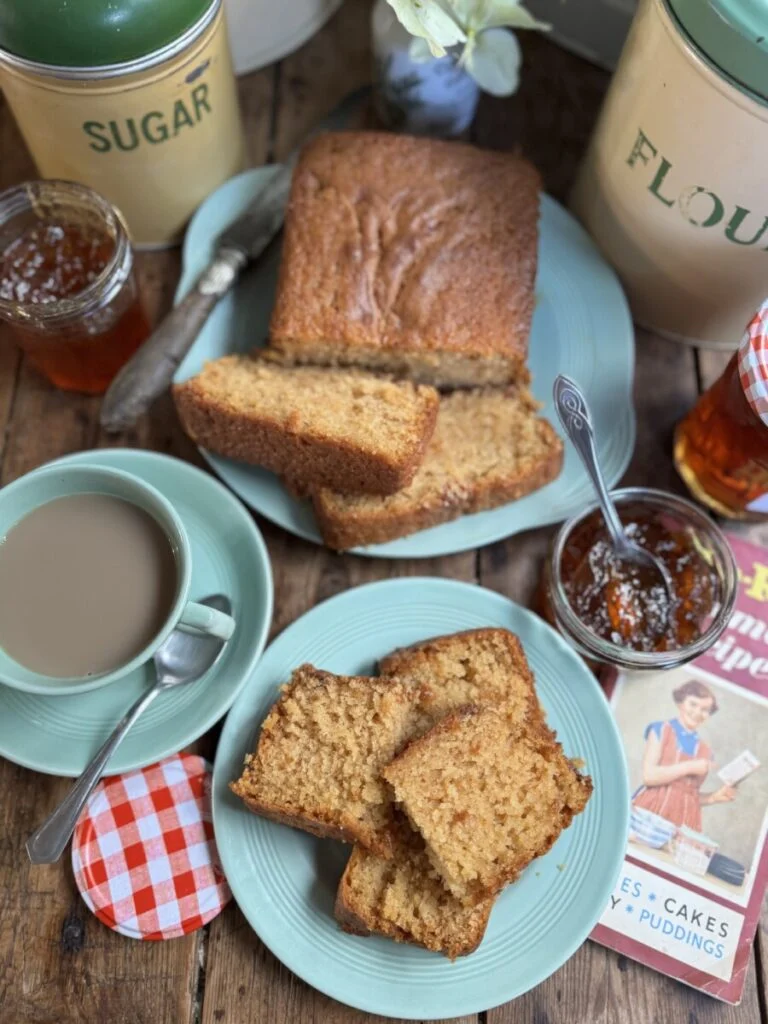
On February 1, 2026, acclaimed food writer and blogger Karen Burns-Booth shared a beloved recipe for Sticky Marmalade Tea Loaf on her popular platform, Lavender & Lovage, drawing directly from a cherished collection of vintage Be-Ro cookbooks dating back to the 1940s and 1950s. This culinary revival offers a sweet glimpse into post-war British home baking, reintroducing a comforting classic with a historical twist to a modern audience. The recipe, originally titled "Marmalade Cake" and designed for a round tin, has been thoughtfully adapted by Burns-Booth for a loaf tin, making it a versatile addition to contemporary tea-time traditions.

The Enduring Legacy of Be-Ro Cookbooks
The re-publication of this recipe highlights the significant cultural impact of Be-Ro cookbooks in British culinary history. Be-Ro, a brand synonymous with self-raising flour, began publishing its popular recipe books in 1923. These unassuming yet invaluable guides quickly became a staple in countless British kitchens, particularly during the challenging decades of the 1940s and 1950s. During World War II and the subsequent period of austerity and rationing, these cookbooks offered home bakers practical, economical, and accessible recipes that made the most of limited ingredients. They were more than just recipe collections; they were essential tools for household management, helping families maintain a semblance of normalcy and comfort through food in difficult times.

The Be-Ro philosophy focused on simplicity and reliability, ensuring that even novice bakers could achieve consistent results. Recipes often called for basic pantry staples, aligning perfectly with the resourcefulness required during the post-war era. The "Marmalade Cake" from which Burns-Booth’s tea loaf originates is a prime example of this practicality, transforming readily available marmalade into a comforting treat. The author’s decision to specifically cite these vintage sources underscores a broader appreciation for historical culinary practices and the foundational role these publications played in shaping British domestic cookery.
A Deeper Dive into the Sticky Marmalade Tea Loaf

Karen Burns-Booth’s Sticky Marmalade Tea Loaf is a testament to the enduring appeal of simple, flavourful baking. The recipe, while rooted in the mid-20th century, remains remarkably relevant today. Its primary characteristic, as the name suggests, is its delightful stickiness and moist texture, which, according to Burns-Booth, improves over several days, making it an ideal candidate for preparing in advance. The original Be-Ro recipe, intended for a round cake tin, has been cleverly reinterpreted for a loaf tin, enhancing its presentation as a "tea loaf" – a term often associated with simpler, less elaborate bakes perfect for informal gatherings.
A notable deviation from the original recipe is Burns-Booth’s recommendation to use butter instead of margarine. While margarine was a common and often necessary substitute during the 1940s and 50s due to rationing and cost, butter is now widely preferred for its superior flavour profile, adding a richer, more luxurious depth to the loaf. This small alteration reflects a modern baker’s access to ingredients and a desire to elevate the taste while staying true to the spirit of the original recipe. For those desiring an even more indulgent experience, Burns-Booth suggests adding an extra two to three tablespoons of marmalade to the mix, transforming it into a pudding-like cake, perfect when served warm with custard.

The resulting 2lb (approximately 900g) tea loaf yields about 12 generous slices, making it suitable for family enjoyment or entertaining. Its longevity in a cake tin, maintaining its moisture and stickiness, further enhances its appeal as a practical and delicious bake. While freezing has not been tested by the author, the recommendation is to consume it within a week of baking to appreciate its optimal texture and flavour.
Marmalade: A Quintessential British Culinary Icon

The central ingredient, marmalade, holds a revered place in British culinary tradition. Its history is rich and varied, with origins tracing back centuries, though its popular association with breakfast and tea time largely solidified in the 18th and 19th centuries. The use of Seville oranges, specifically mentioned by Burns-Booth as her favourite, is crucial to traditional marmalade. These bitter oranges, typically in season during January and February, provide the distinct tartness and pectin necessary for setting the preserve, differentiating it from sweeter jams.
Marmalade’s unique bittersweet flavour profile makes it incredibly versatile, not only as a spread but also as an ingredient in both sweet and savoury dishes. Its inclusion in a tea loaf adds a layer of citrusy warmth and complexity, balancing the sweetness and contributing to the cake’s signature sticky texture. The article implicitly encourages the use of quality marmalade, preferably homemade Seville orange marmalade, to achieve the authentic taste intended by the vintage recipe. This emphasis on homemade or high-quality commercial marmalade speaks to a wider trend of appreciating artisanal ingredients and traditional food preparation methods.

The Enduring Appeal of Tea Loaves in British Culture
Tea loaves occupy a special niche in British baking, distinct from richer cakes or lighter sponges. They are typically denser, often fruit-laden, and designed to be enjoyed alongside a cup of tea – a ritual deeply ingrained in British daily life. The simplicity and heartiness of a tea loaf make it an ideal accompaniment to a mid-morning break, an afternoon pick-me-up, or as part of a more elaborate "Sunday Tea Tray."

Burns-Booth frequently features tea loaves on Lavender & Lovage, reflecting their enduring popularity and versatility. Her past recipes, such as "Old-Fashioned Ovaltine Tea Loaf," "Wartime Gingerbread Carrot Cake," "Quick and Easy Spice Cake," "Fruited Date & Walnut Tea Loaf," "Traditional ‘Bara Brith’ Tea Loaf," and "Honey Ginger Tea Loaf," illustrate the wide array of flavours and historical contexts that these bakes can encompass. The marmalade tea loaf fits perfectly into this tradition, offering a comforting, familiar taste that evokes a sense of nostalgia and homeliness. The act of serving a freshly baked tea loaf, buttered or plain, with a pot of tea, is more than just a meal; it’s a social ritual, a moment of pause and enjoyment that transcends generations.
Karen Burns-Booth and the Preservation of Culinary Heritage

Karen Burns-Booth, through Lavender & Lovage, has carved a reputation as a passionate advocate for traditional British and European cuisine, with a particular emphasis on vintage and heritage recipes. Her dedication goes beyond simply sharing recipes; she meticulously researches their origins, provides historical context, and often adapts them slightly to suit modern ingredients and tastes while preserving their authentic character. This approach resonates deeply with a growing audience interested in food history and sustainable culinary practices.
The regular feature of "Sunday Tea Trays" on her blog exemplifies her commitment to domestic rituals and the joy of sharing homemade food. These weekly showcases often include a variety of bakes, both sweet and savoury, highlighting the diversity and richness of British tea-time traditions. The Sticky Marmalade Tea Loaf, having been featured on one such tray, undoubtedly received enthusiastic reception, further cementing its place as a cherished family favourite and a potential new staple for her readers. Burns-Booth’s work serves as a vital bridge between past and present, ensuring that valuable culinary heritage is not lost but actively enjoyed and passed down.

Nutritional Profile and Broader Implications
The provided nutritional information for the Sticky Marmalade Tea Loaf indicates that a single serving (one of 12 slices) contains approximately 198 calories, 8g total fat (5g saturated, 3g unsaturated), 51mg cholesterol, 80mg sodium, 31g carbohydrates (1g fibre, 26g sugar), and 2g protein. This data provides transparency for consumers mindful of their dietary intake, positioning the tea loaf as an occasional treat rather than an everyday staple, a common characteristic of many traditional baked goods.

The re-emergence of recipes like the Sticky Marmalade Tea Loaf reflects a broader cultural phenomenon: a renewed interest in comfort food, nostalgia, and the tangible connection to history that cooking provides. In an increasingly fast-paced world, many individuals seek solace and authenticity in traditional practices. Vintage recipes offer a sense of stability and a connection to previous generations, embodying culinary wisdom that prioritizes flavour, economy, and the simple pleasures of homemade food.
This trend also has implications for the food industry, potentially boosting demand for traditional ingredients like quality butter and seasonal Seville oranges. Food bloggers and culinary historians like Karen Burns-Booth play a crucial role in this revival, acting as curators and popularizers of gastronomic heritage. Their platforms become digital archives, ensuring that recipes, stories, and techniques from bygone eras remain accessible and relevant for future generations.

Looking Ahead: The Future of Heritage Baking
As culinary trends continue to evolve, the appeal of heritage baking is likely to grow. The focus on wholesome ingredients, traditional methods, and the stories behind the food offers a rich counterpoint to modern culinary innovations. Recipes such as the Sticky Marmalade Tea Loaf are more than just instructions for baking; they are cultural artefacts, offering insights into historical contexts, ingredient availability, and societal values. Karen Burns-Booth’s initiative in bringing this particular Be-Ro classic back into the spotlight is a testament to the enduring power of food to connect us to our past, provide comfort in the present, and inspire future generations of home bakers. The aroma of citrus and warm spice, emanating from a freshly baked loaf, continues to be a universal symbol of warmth, welcome, and the simple joys of life.
