
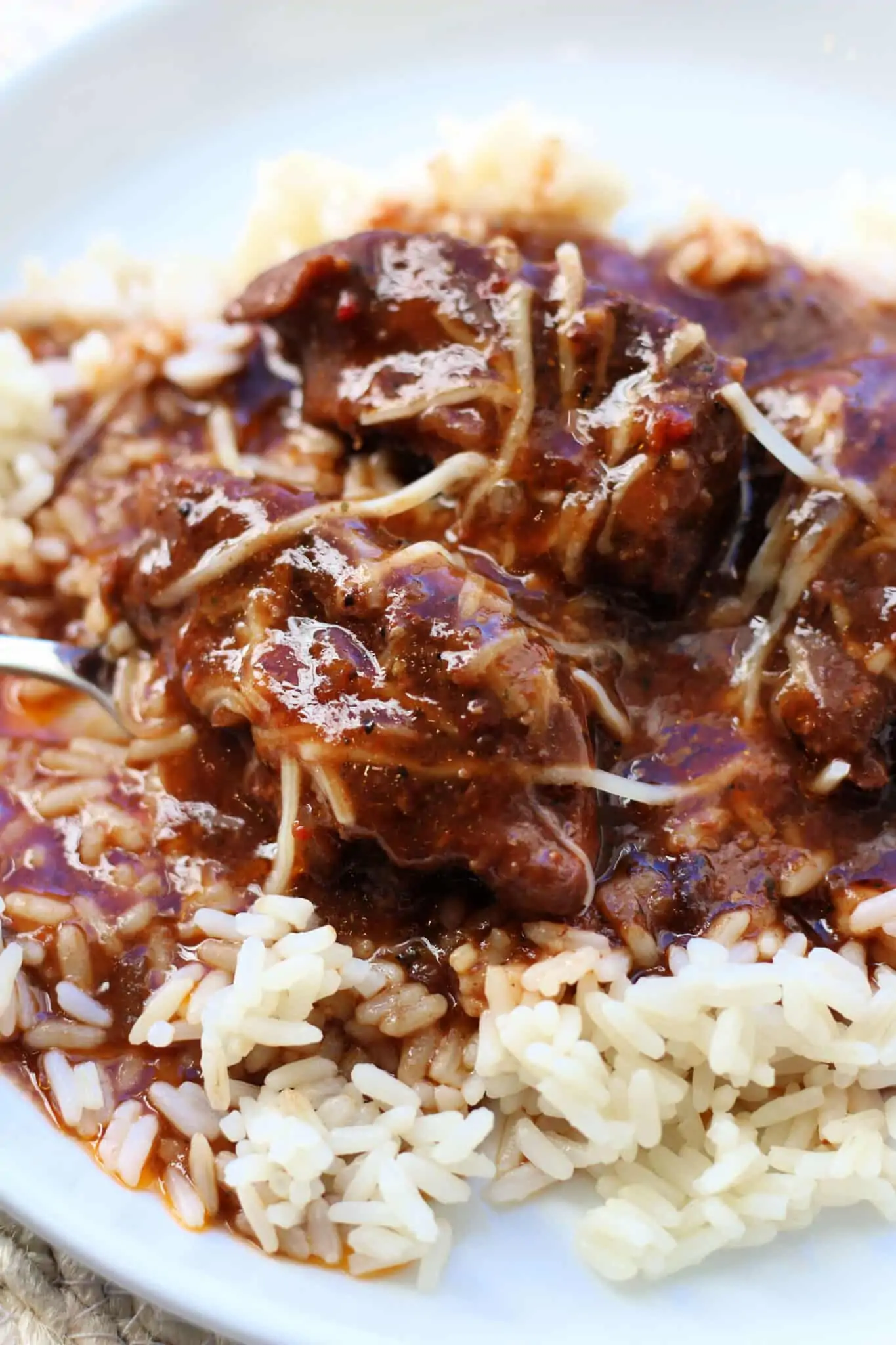
The culinary landscape of the modern American household has undergone a significant transformation over the last decade, characterized by an increasing demand for recipes that balance sophisticated flavor profiles with the logistical constraints of busy schedules. The Italian Parmesan Pot Roast represents a prominent example of this "efficiency-first" gourmet movement, utilizing a combination of pantry staples and modern kitchen technology to produce a high-quality meal with minimal active preparation time. This specific preparation, which integrates traditional beef braising techniques with the convenience of slow cookers and electric pressure cookers, highlights a broader trend in domestic science: the optimization of "dump-and-go" recipes that do not sacrifice the depth of flavor typically associated with long-form French or Italian cooking.

The Evolution of the American Pot Roast
The pot roast has long been a cornerstone of Western comfort food, rooted in the European tradition of pot-au-feu or braisé. Historically, the method was born out of necessity, designed to transform tough, inexpensive cuts of meat into tender, palatable dishes through the application of low, moist heat over several hours. In the United States, the pot roast became a symbolic Sunday dinner staple during the mid-20th century, coinciding with the rise of the domestic oven and the cast-iron Dutch oven.
The introduction of the Naxon Beanery All-Purpose Cooker in 1940, which later evolved into the Rival Crock-Pot in 1971, revolutionized this process. By allowing home cooks to leave a roast simmering safely throughout the workday, the slow cooker cemented the pot roast’s status as the ultimate convenience meal. The recent emergence of the Instant Pot and other multi-cookers in the 2010s further accelerated this evolution, offering the ability to achieve "slow-cooked" results in a fraction of the time through high-pressure steam. The Italian Parmesan Pot Roast sits at the intersection of these two technologies, offering instructions for both traditional slow-simmering and modern rapid-pressure cooking.

Scientific Analysis of Ingredients and Flavor Profiles
The success of the Italian Parmesan Pot Roast relies on a strategic selection of ingredients that trigger specific chemical reactions during the cooking process. Unlike traditional pot roasts that may rely solely on salt, pepper, and beef broth, this iteration utilizes a multi-layered seasoning approach.
The Role of Acidity and Umami
The use of tomato juice as the primary braising liquid is a significant departure from the standard beef stock. Tomatoes are naturally high in glutamates, which provide the savory "umami" flavor that enhances the natural richness of the beef. Furthermore, the acidity in tomato juice acts as a gentle tenderizer, helping to break down the collagen and connective tissues in tougher cuts like chuck or rump roast.

Seasoning Synergy
The recipe calls for three distinct dry mixes: onion flakes, au jus mix, and Italian dressing mix. From a food science perspective, this combination covers a broad spectrum of the palate:
- Onion Flakes: Provide a concentrated sweetness and aromatic base without the moisture content of fresh onions, which can sometimes dilute a slow-cooker sauce.
- Au Jus Mix: Reinforces the beefy profile and often contains thickening agents that help create a silky gravy.
- Italian Dressing Mix: Introduces a complex blend of herbs (oregano, basil, thyme) and tanginess (citric acid or dried vinegar), which provides the "Italian" character of the dish.
The final addition of Parmesan cheese before serving introduces a second layer of umami and a salty, nutty finish that complements the herbaceous notes of the dressing mix.

Chronology of Preparation: Slow Cooker vs. Instant Pot
The preparation of the Italian Parmesan Pot Roast follows two distinct timelines, depending on the appliance used. Both methods prioritize a "hands-off" approach, though they cater to different scheduling needs.
The Slow Cooker Timeline (8–12 Hours)
In the slow cooker method, the beef is placed in the ceramic insert and smothered with a mixture of the dry seasonings and tomato juice. The timeline is as follows:

- Hours 1-3: The liquid reaches a simmering point, and the dry seasonings begin to rehydrate and penetrate the outer layers of the meat.
- Hours 4-7: The internal temperature of the roast stabilizes. The collagen begins to convert into gelatin, a process that is essential for the "fall-apart" texture.
- Hours 8-12: The roast reaches peak tenderness. The long duration allows the flavors of the Italian herbs and tomato juice to fully integrate into the center of the meat.
The Instant Pot Timeline (60–90 Minutes)
The pressure cooker method utilizes high-pressure steam to force moisture into the meat, significantly accelerating the breakdown of fibers:
- Preparation: The roast is placed in the pot with the same seasoning mixture.
- Pressurization (10-15 minutes): The pot seals and builds internal pressure.
- Cooking (60-80 minutes): Under high pressure, the cooking time is reduced by approximately 80% compared to the slow cooker.
- Depressurization (15 minutes): A natural pressure release is often recommended to prevent the meat from toughening due to a sudden change in internal temperature.
Supporting Data: The Rise of Home Cooking and Convenience
Market research indicates a significant shift in consumer behavior toward home-prepared meals that utilize "shortcut" ingredients. According to data from the NPD Group, the use of slow cookers remains high in American households, with over 80% of homes owning at least one such device. Furthermore, the "electric pressure cooker" category saw a 20% year-over-year growth in sales during the late 2010s, driven by the desire for time-saving kitchen solutions.

The Italian Parmesan Pot Roast reflects the "Semi-Homemade" philosophy, a term popularized in the early 2000s that describes the practice of combining fresh ingredients (the beef roast) with pre-packaged pantry items (the seasoning mixes). This approach has been shown to reduce "cooking fatigue" among working professionals while providing a more cost-effective alternative to restaurant dining or pre-packaged frozen meals.
Economic Implications of Beef Selection
The choice of meat for the Italian Parmesan Pot Roast—typically a chuck roast or rump roast—is a strategic economic decision. As of 2024, beef prices have seen fluctuations due to supply chain variables and inflation. Chuck and rump roasts are generally priced significantly lower per pound than "prime" cuts like ribeye or tenderloin.

By utilizing long-duration or high-pressure cooking methods, home cooks can extract maximum value from these more affordable cuts. The braising process ensures that the result is as tender and flavorful as more expensive options, making the Italian Parmesan Pot Roast a viable solution for families looking to maintain high nutritional standards and culinary enjoyment under tightening grocery budgets.
Serving Suggestions and Nutritional Context
To round out the meal, culinary experts suggest pairing the roast with starches that can absorb the rich, tomato-based gravy. Garlic parmesan risotto and creamy polenta are frequently cited as ideal accompaniments, reinforcing the Italian theme of the dish.

From a nutritional standpoint, the dish provides a high-protein centerpiece. While the use of seasoning packets introduces sodium, the inclusion of tomato juice adds vitamins A and C, as well as the antioxidant lycopene. Home cooks concerned with sodium intake often substitute low-sodium versions of the au jus and dressing mixes or supplement the dish with fresh vegetables like carrots and celery during the cooking process to increase fiber content.
Broader Impact on Modern Domestic Life
The popularity of recipes like the Italian Parmesan Pot Roast signifies a broader cultural shift. In an era defined by "hustle culture" and diminishing leisure time, the ability to outsource the labor of cooking to a machine—without sacrificing the emotional and physical benefits of a home-cooked meal—is invaluable.

The dish also serves as an entry point for novice cooks. The "dump-and-go" nature of the recipe removes the intimidation factor often associated with complex culinary techniques like pan-searing or making a roux-based gravy from scratch. By providing a reliable, flavor-packed result with minimal margin for error, such recipes empower a wider demographic to engage in home cooking.
In conclusion, the Italian Parmesan Pot Roast is more than a simple dinner recipe; it is a reflection of the current state of domestic culinary arts. It demonstrates how technology, food science, and economic pragmatism can converge to create a dish that honors traditional flavors while meeting the rigorous demands of contemporary life. As home cooking continues to evolve, the integration of pantry-stable flavor enhancers and automated cooking appliances is likely to remain a dominant theme in the global kitchen.
