
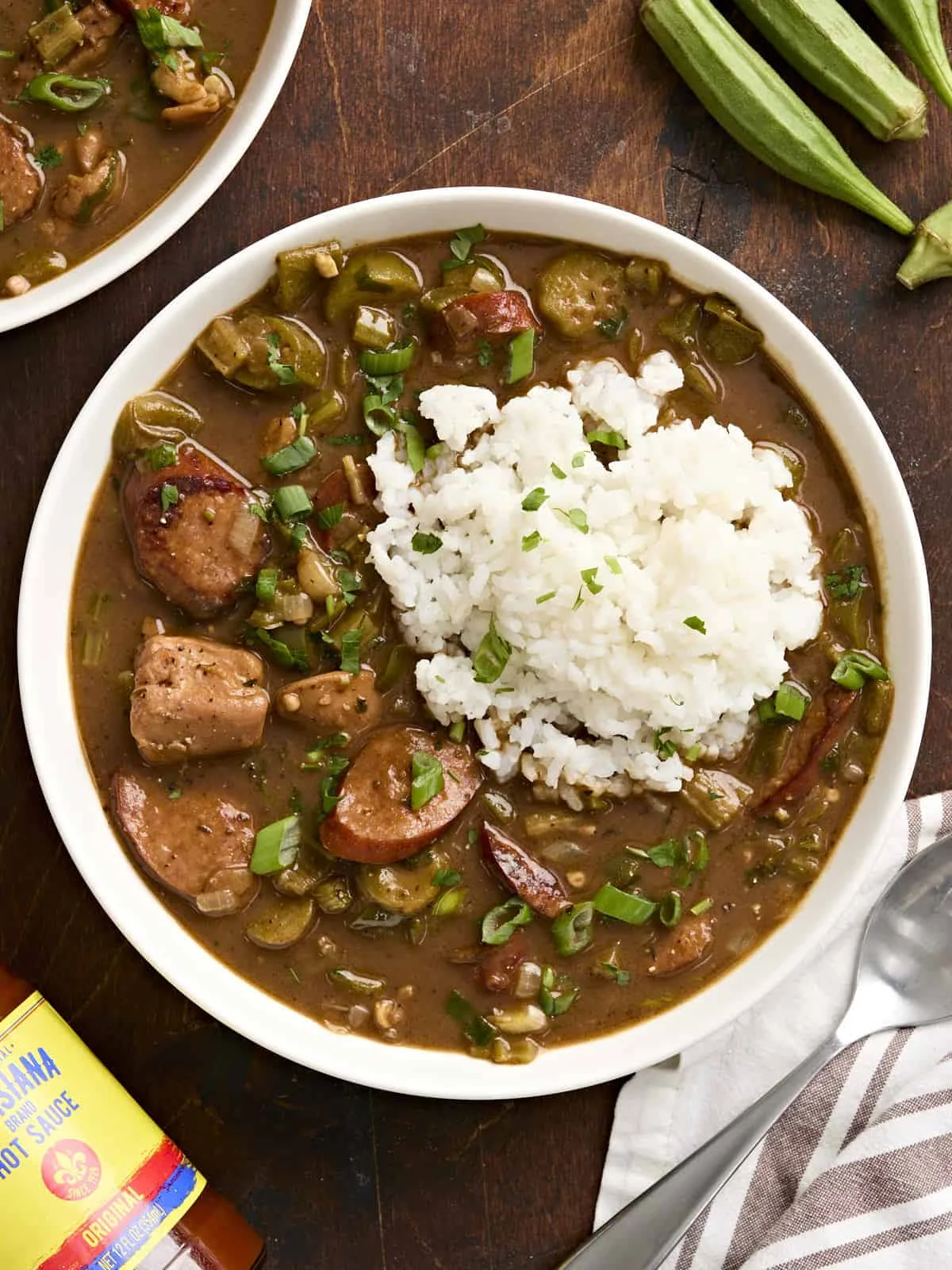
Gumbo stands as a definitive culinary cornerstone of the Gulf Coast, representing a complex tapestry of French, Spanish, African, and Native American influences that have coalesced over three centuries in the Louisiana bayou. Recent analysis from the Nashville Test Kitchen, spearheaded by recipe developer and chef Melissa Nolan, has highlighted the enduring relevance of this dish in the modern domestic kitchen, particularly regarding its scalability and cost-effectiveness. In a comprehensive evaluation of the dish’s preparation, the study identified that a high-quality, authentic gumbo can be produced for approximately $1.88 per serving, a figure that challenges the rising costs of artisanal and restaurant-grade soul food. The findings emphasize that the success of the dish relies less on expensive luxury ingredients and more on the technical mastery of the roux and the strategic use of regional staples such as the "Cajun Holy Trinity."
The Historical and Cultural Foundations of Gumbo
To understand the contemporary preparation of gumbo, one must first examine its historical trajectory. The word "gumbo" is widely believed to be derived from the West African Umbundu word for okra, kingombo. This reflects the dish’s deep roots in the Atlantic slave trade, where African culinary traditions merged with French bouillabaisse techniques and Spanish seasoning profiles. The addition of filé powder—ground sassafras leaves—was a contribution from the indigenous Choctaw people, providing a third thickening option alongside okra and roux.
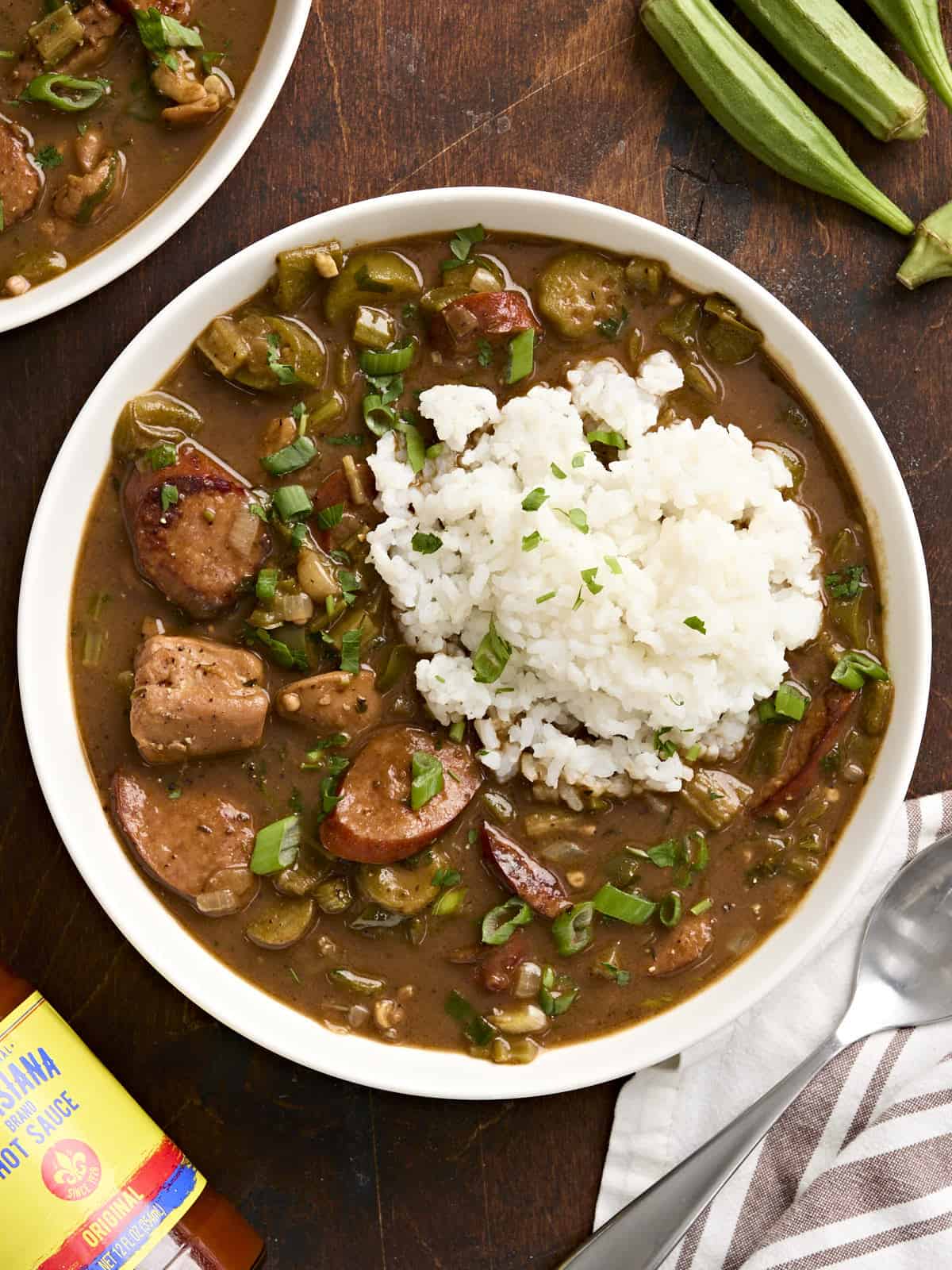
In the modern culinary landscape, gumbo is generally categorized into two primary branches: Cajun and Creole. Creole gumbo, often found in New Orleans, frequently incorporates tomatoes and a wider variety of seafood. Cajun gumbo, originating from the rural prairie and bayou regions of Southwest Louisiana, typically eschews tomatoes in favor of a darker roux and a focus on poultry and smoked meats. The Nashville Test Kitchen’s recent iteration follows the Cajun tradition, utilizing chicken thighs and andouille sausage to create a robust, smoke-forward profile that remains accessible to the average consumer.
The Chemistry of the Dark Roux: A Chronological Progression
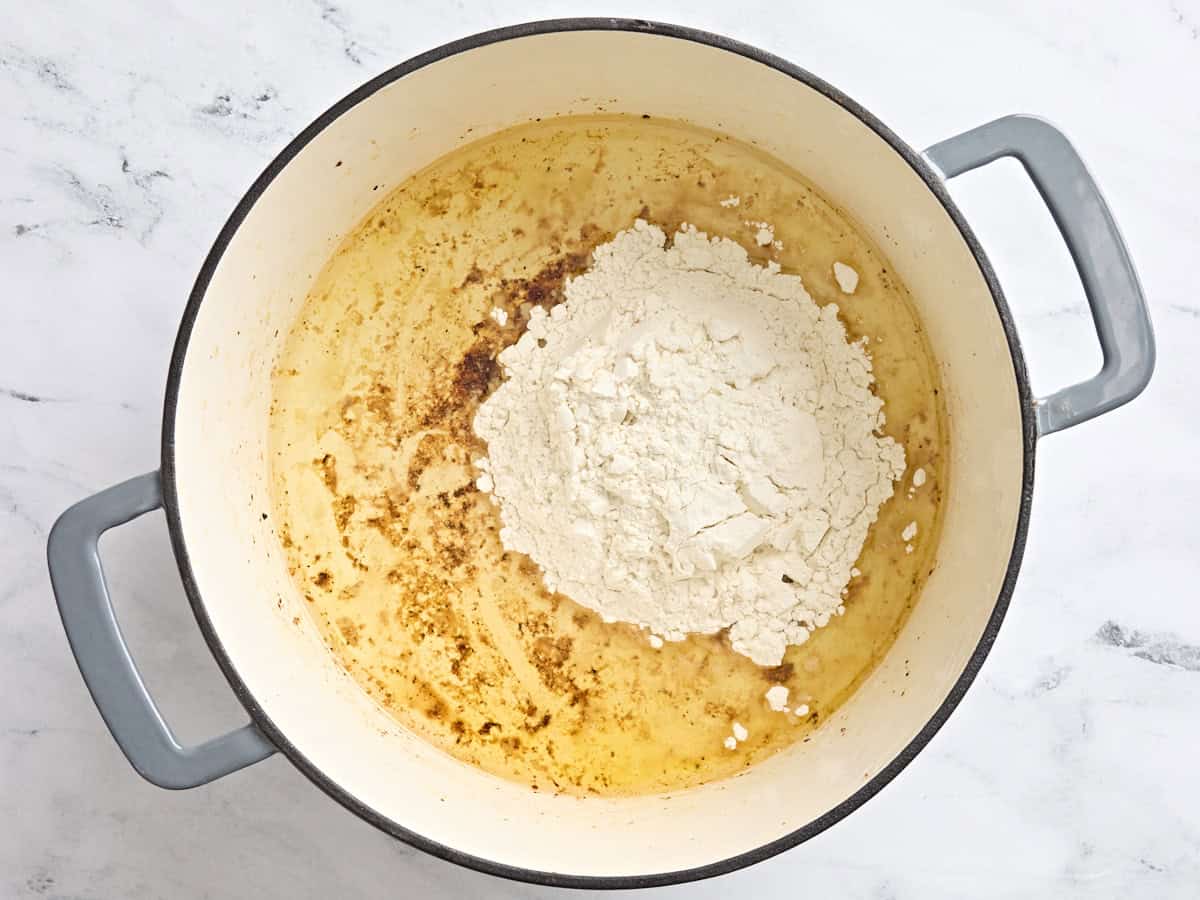
The defining characteristic of a Cajun gumbo is the roux, a mixture of fat and flour cooked to a specific degree of browning. While a standard French roux is cooked briefly to maintain its thickening power, a Louisiana dark roux is subjected to an extended thermal process that sacrifices thickening ability for intense, nutty flavor.
The chronological development of the roux is the most time-intensive phase of the preparation, often requiring up to 120 minutes of continuous stirring over medium-low heat. The process follows a distinct visual and chemical evolution:
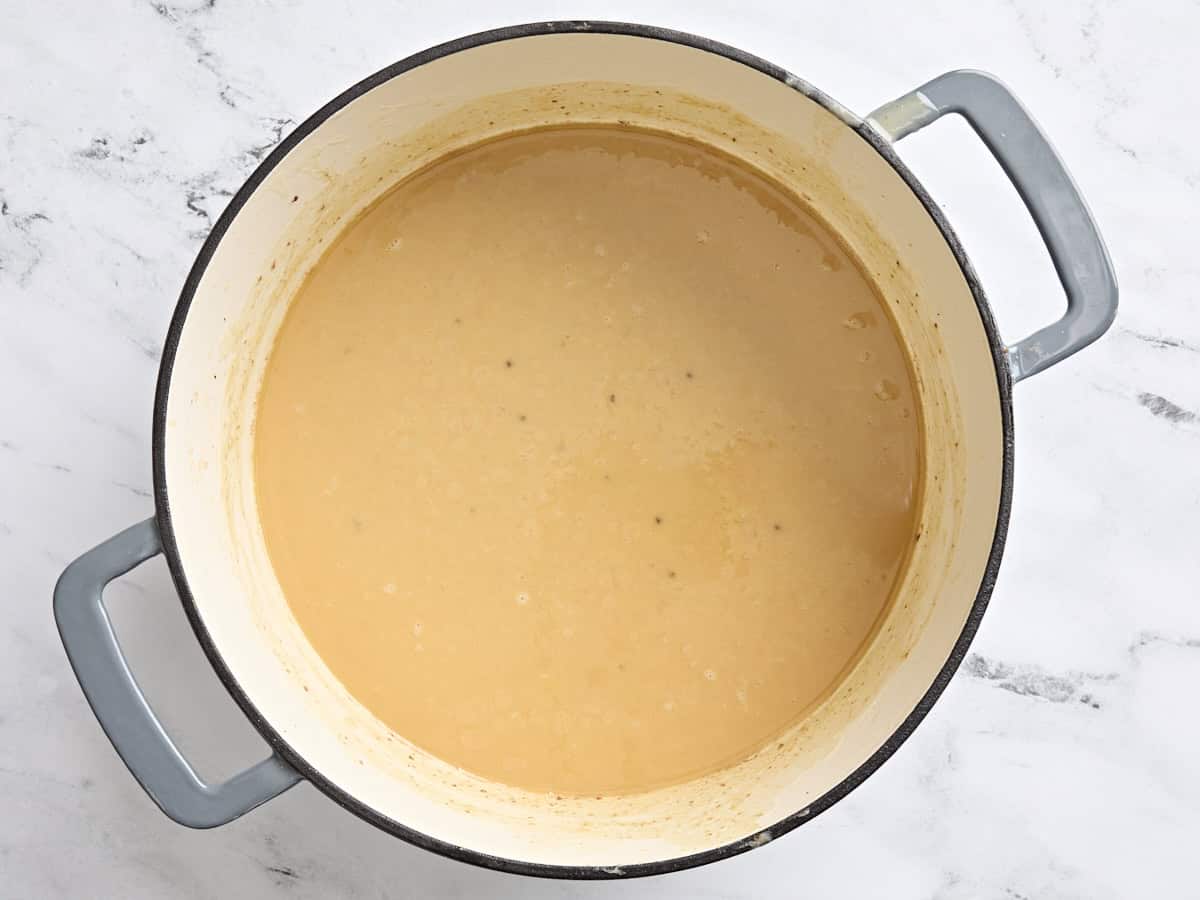
- The Blonde Phase (0–20 minutes): The flour and oil combine to form a pale, paste-like consistency. At this stage, the starch granules are fully hydrated but have not yet undergone significant Maillard reactions.
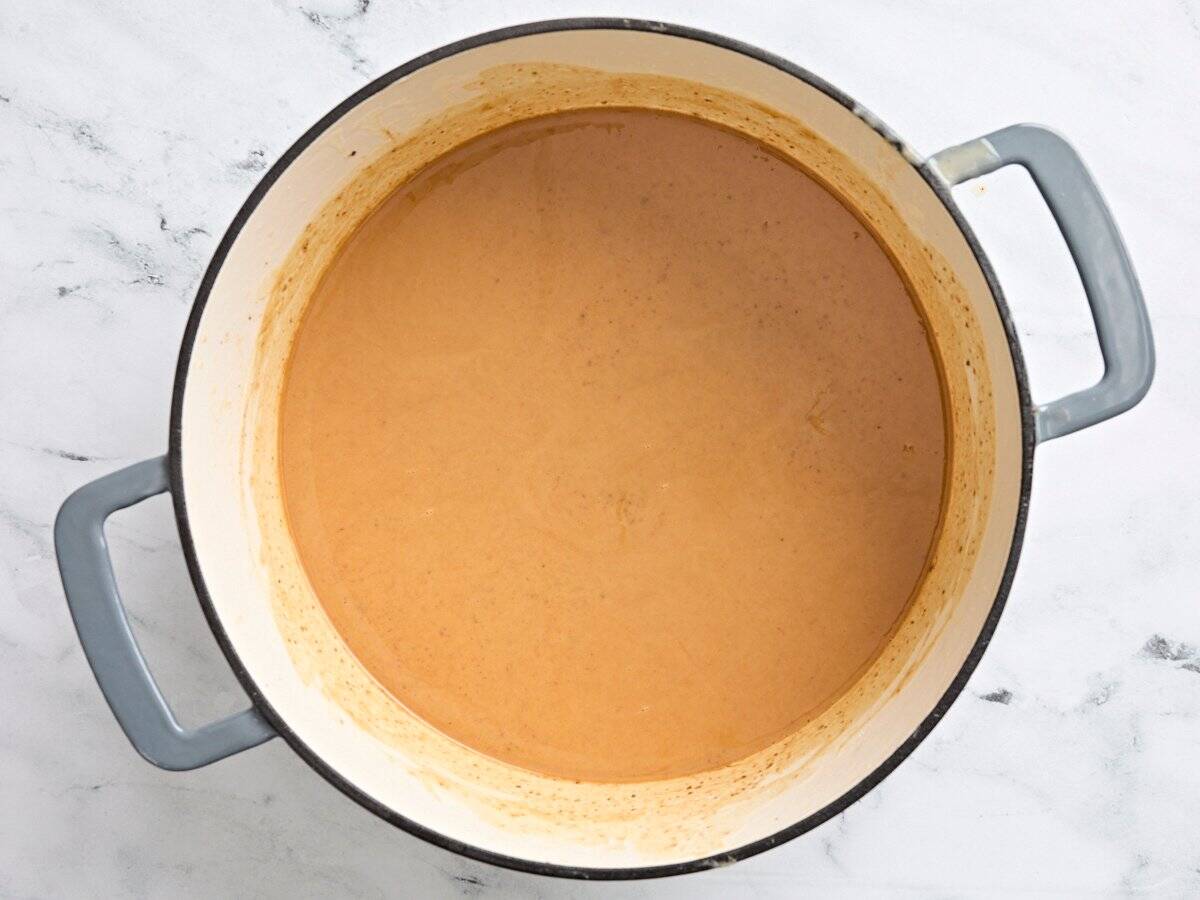
- The Peanut Butter Phase (20–50 minutes): The mixture takes on a light tan hue. The aroma begins to shift from raw flour to a toasted, nutty scent.
- The Copper Phase (50–80 minutes): The roux achieves a medium brown color, similar to a copper penny. The thickening power of the flour begins to diminish as the starches break down into dextrins.
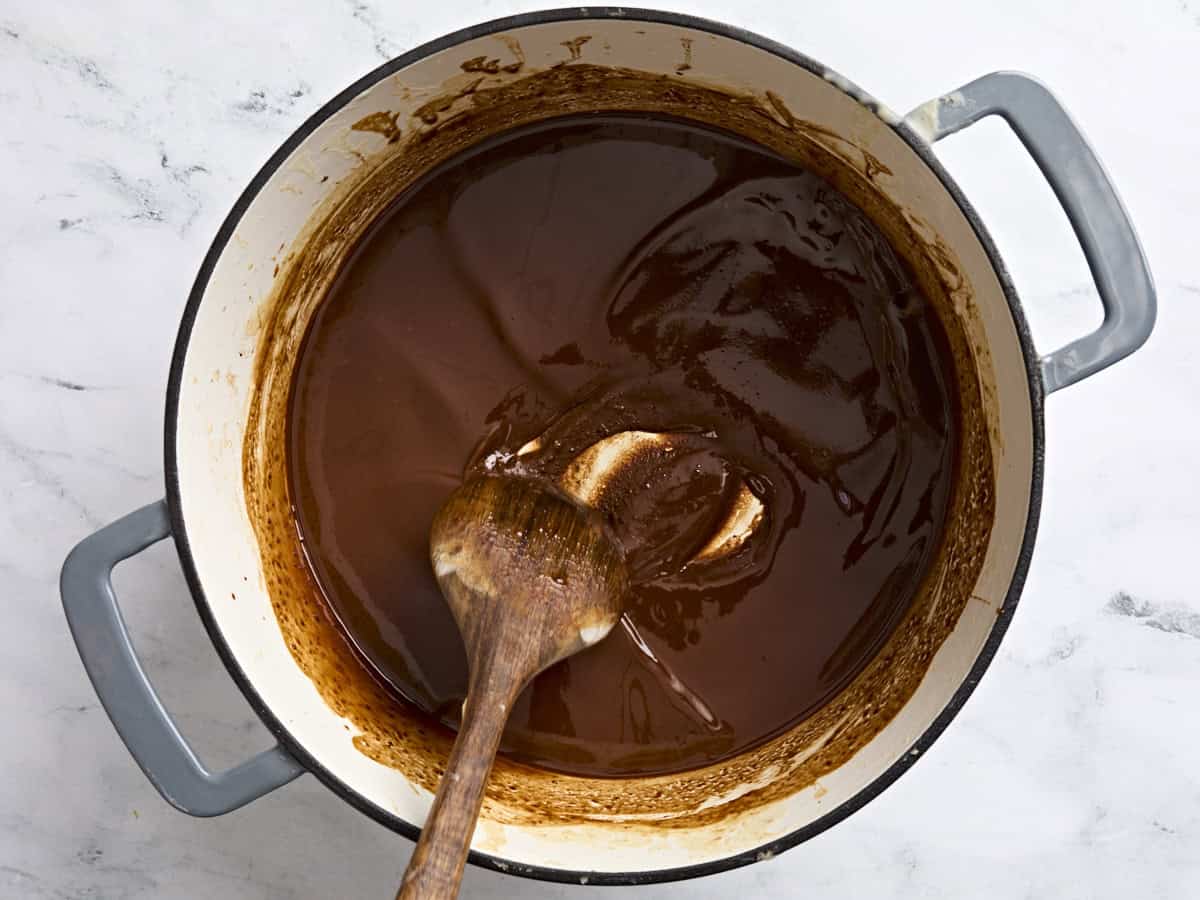
- The Chocolate Phase (80–120 minutes): The final stage produces a deep, dark brown color. This requires extreme vigilance; if the temperature exceeds the smoke point of the oil or if the flour particles remain stationary for too long, the roux will "break" or burn, necessitating a complete restart.
Chef Nolan notes that the patience required for this stage is what differentiates a "fast" stew from a traditional gumbo. The dark roux provides the base note upon which all other flavors—the bitterness of the peppers, the sweetness of the onions, and the salt of the sausage—are built.
Economic Analysis: Achieving Quality on a Budget
In an era of significant food price inflation, the Nashville Test Kitchen’s report provides a vital data point for domestic meal planning. The total cost for a batch yielding eight generous servings was calculated at $15.06. This economic efficiency is achieved through several strategic ingredient choices:
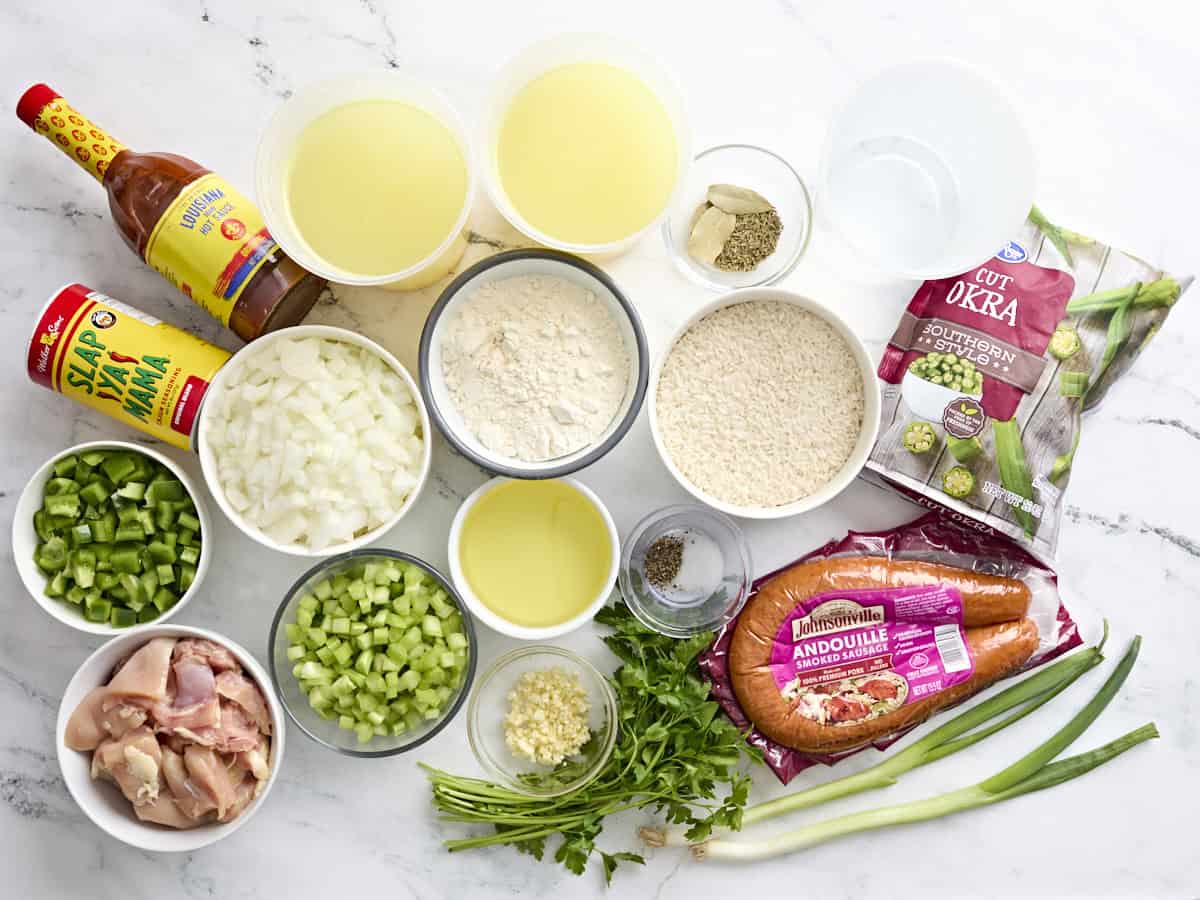
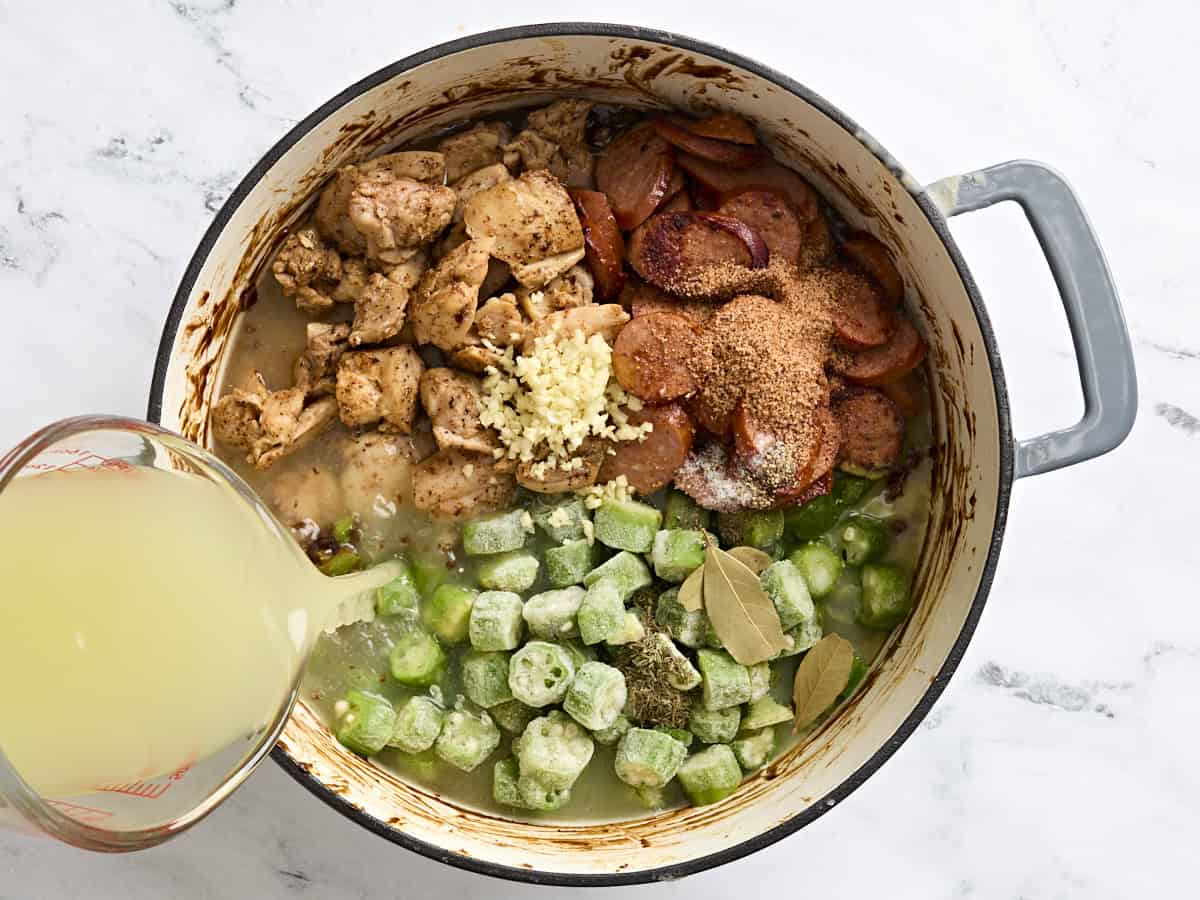
- Protein Selection: Chicken thighs are utilized over breasts due to their higher fat content and resistance to drying out during long simmer times, while also being significantly cheaper per pound. Andouille sausage, while a specialty item, provides enough concentrated smoke and spice that fewer additional seasonings are required.
- The Trinity: Onions, green bell peppers, and celery—the "Holy Trinity" of Cajun cooking—remain some of the most affordable produce items in the North American market.
- Frozen vs. Fresh: The study found that utilizing frozen okra significantly reduces costs without compromising the structural integrity of the stew. Okra serves a dual purpose: it provides a unique earthy flavor and acts as a secondary thickener due to its mucilaginous properties.
- Broth Optimization: To keep costs at the $1.88 per serving mark, the kitchen utilized bouillon bases (specifically "Better Than Bouillon") rather than pre-packaged liquid stocks, which often carry a 300% markup for essentially water and sodium.
Technical Specifications and Nutritional Profile
The resulting gumbo is a calorie-dense, nutrient-rich meal designed for sustenance. According to the nutritional analysis provided by the Nashville team, a single serving (including a standard portion of white rice) contains:
- Calories: 673 kcal
- Protein: 27g
- Total Fat: 37g
- Carbohydrates: 58g
- Sodium: 1280mg
- Fiber: 4g
The high sodium content is typical of the dish, stemming from the cured andouille sausage and the Cajun seasoning blends. However, the report suggests that home cooks can customize these levels by using low-sodium broths or creating bespoke spice blends to meet specific dietary requirements.
Chronology of Assembly and Simmering
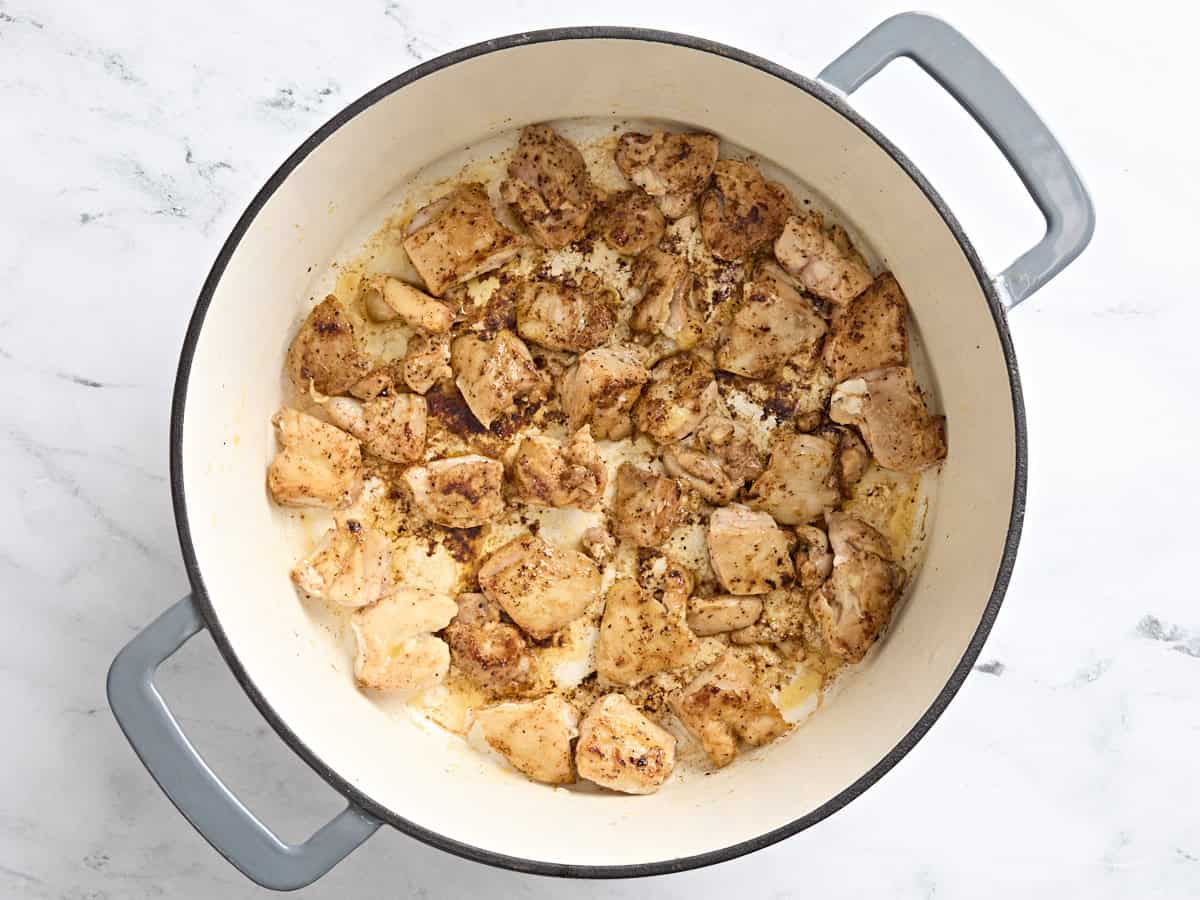
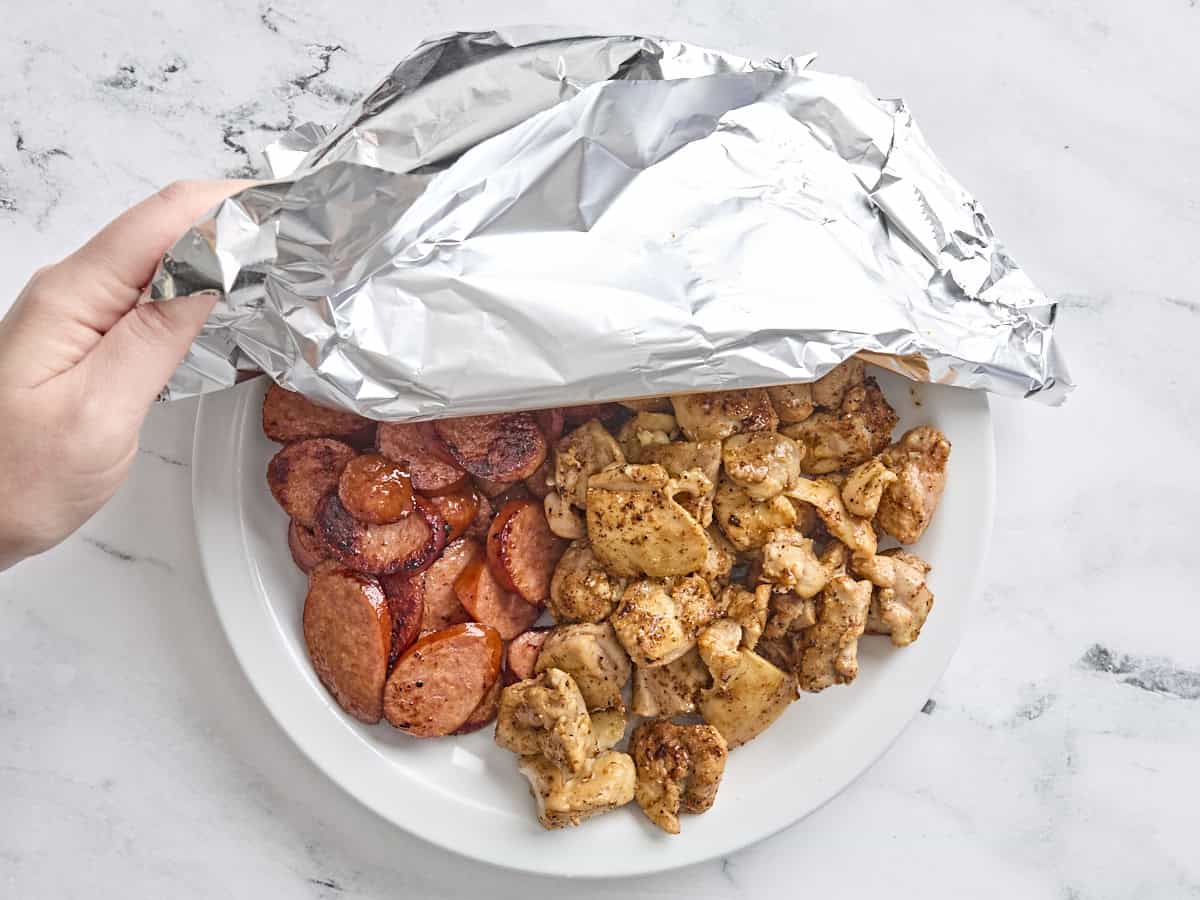
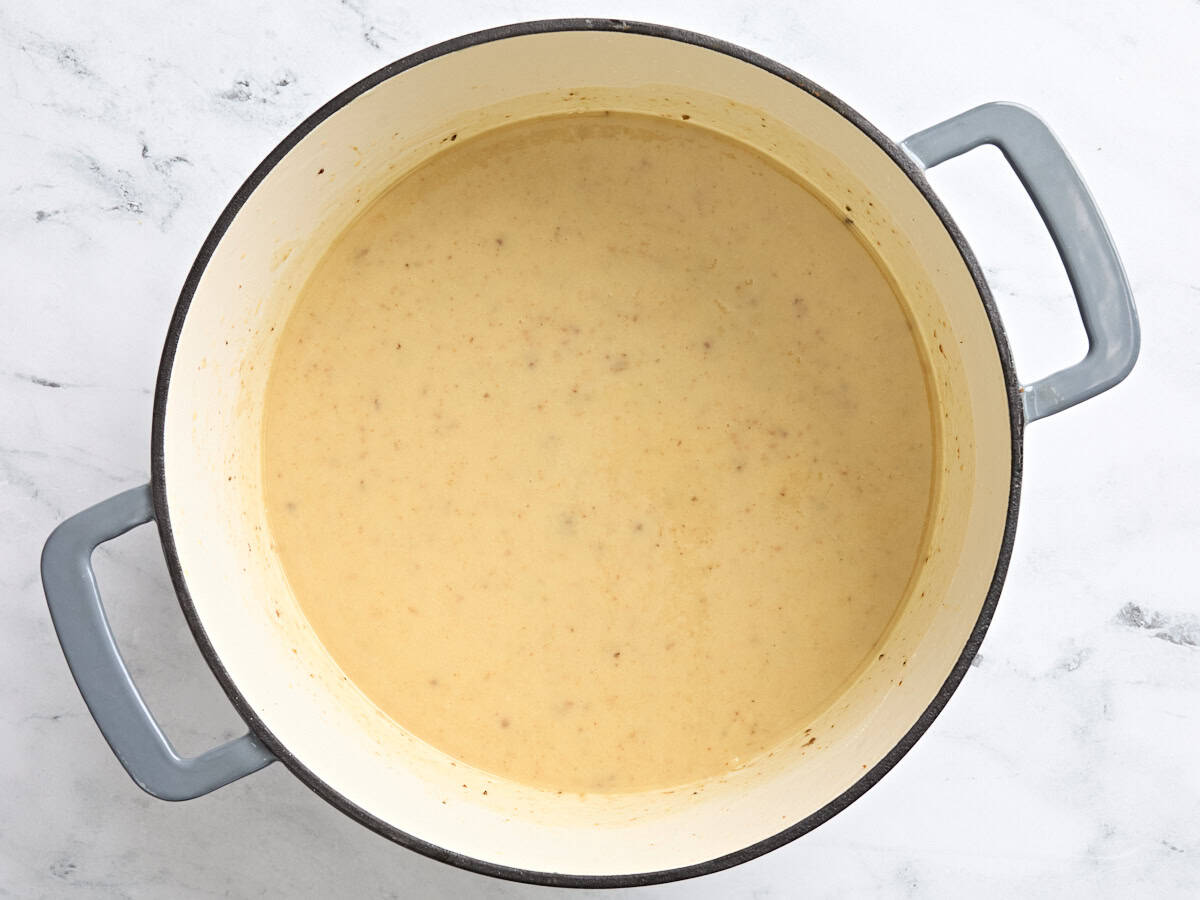
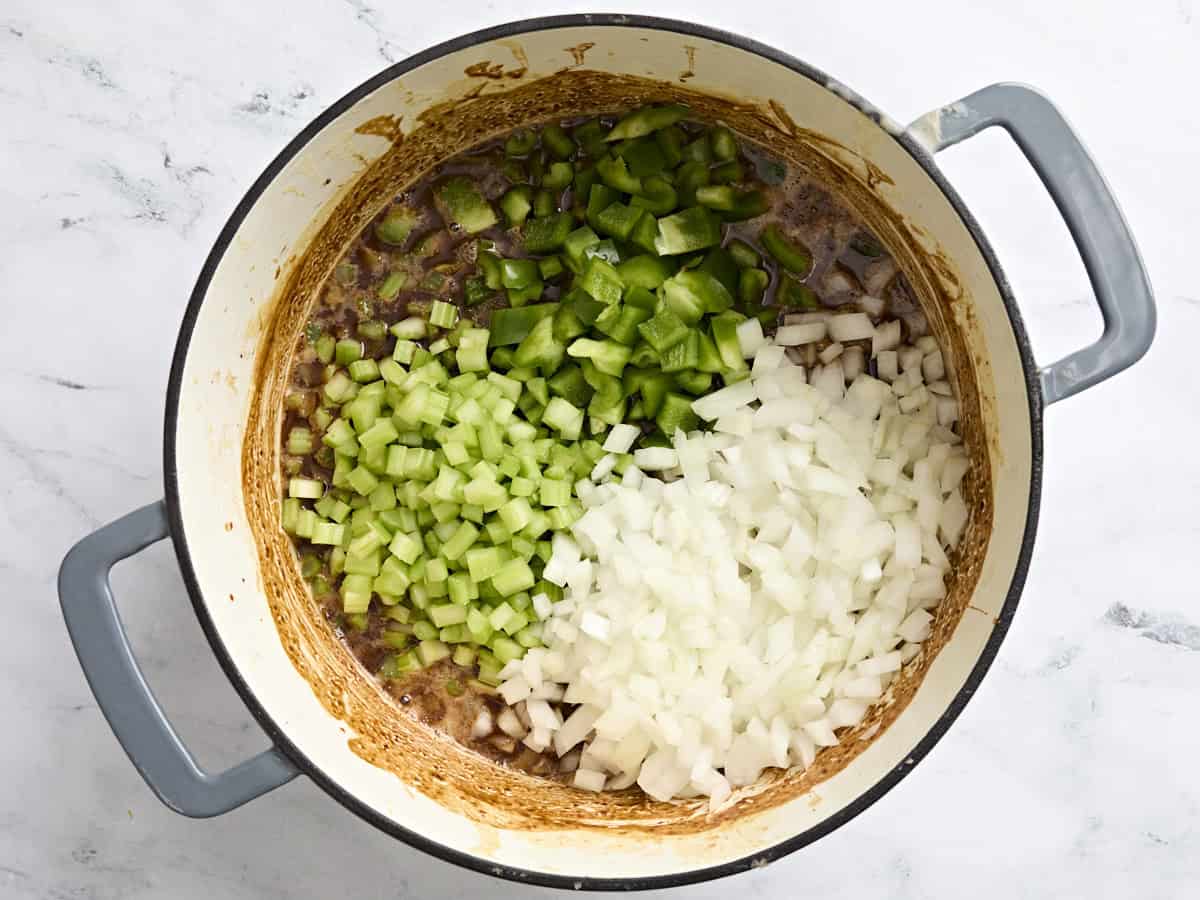
Beyond the roux, the assembly of the gumbo follows a precise order to ensure texture and flavor retention. The meat is first browned in a separate skillet to develop a crust (the fond), which adds further depth to the final stew. Following the two-hour roux preparation, the "Trinity" is added directly to the hot flour-oil mixture. This "shocks" the vegetables, immediately stopping the cooking of the roux and releasing the moisture from the onions and celery to create a thick, aromatic base.

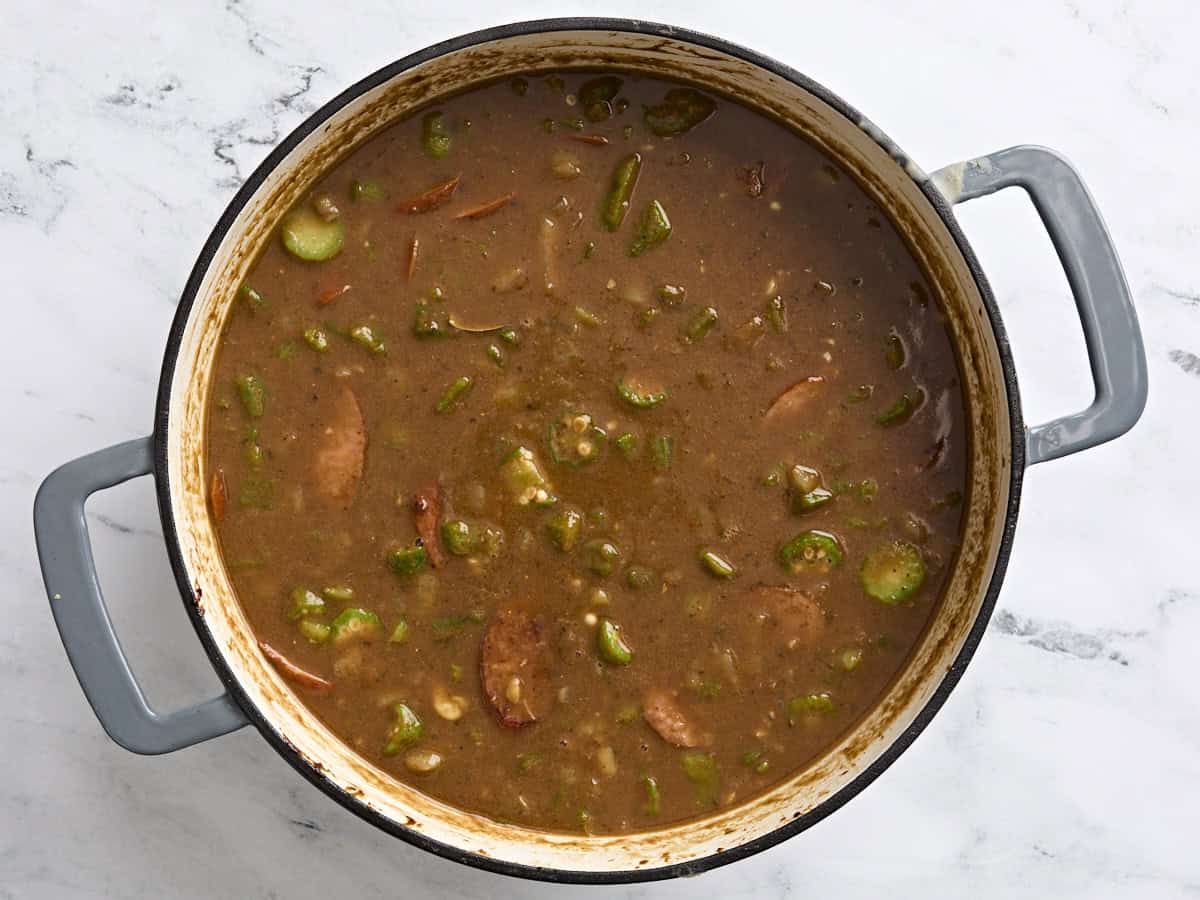
The subsequent addition of the chicken broth, seared meats, and okra initiates a 30-minute simmering period. This duration is sufficient for the flavors to meld and for the okra to soften. In the final five minutes, fresh elements—parsley, green onions, and Louisiana-style hot sauce—are introduced to provide a bright, acidic contrast to the heavy, toasted notes of the roux.
Regional Reactions and Culinary Standards
The release of this standardized recipe has sparked discussion among culinary traditionalists. In Louisiana, gumbo recipes are often treated as family heirlooms, with "MawMaws" (grandmothers) across the state maintaining strict adherence to their specific methods.
"When it comes to gumbo, it’s personal," Nolan stated during the recipe’s unveiling. "Ask a dozen gumbo aficionados for their recipe, and you will get twelve passionate, different answers."
Despite these variations, the Nashville Test Kitchen’s version has been praised for its "fail-proof" approach to the roux, which is often the primary barrier for novice cooks. By providing a clear visual timeline and emphasizing the use of medium-low heat, the kitchen has demystified a process that is frequently viewed as intimidating.
Broader Implications for the American Diet
The revitalization of slow-cooked, traditional dishes like gumbo suggests a shift in consumer behavior. As the "fast-casual" dining sector sees price increases, the value proposition of a three-hour home-cooked meal becomes more attractive. Gumbo, specifically, offers the benefit of being "better the next day," as the complex proteins and starches continue to interact and mellow during refrigeration.

Furthermore, the storage and reheating data included in the report indicate that gumbo is an ideal candidate for "batch cooking." It can be refrigerated for up to four days or frozen for three months, making it a sustainable option for busy households seeking to maintain a high standard of nutrition and flavor without daily kitchen labor.

In conclusion, the Nashville Test Kitchen’s exploration of Louisiana Gumbo serves as both a culinary guide and an economic blueprint. By prioritizing technique over expensive ingredients and honoring the historical necessity of the dish—which was originally designed to stretch meager resources into a feast—modern cooks can preserve a vital piece of American heritage while navigating the financial pressures of the current economy. The dark roux remains not just a cooking base, but a symbol of the patience and cultural synthesis that defines the American South.
