

The Bell Pepper and Potato Frittata stands out as a remarkably versatile and economically viable meal solution, adaptable for breakfast, lunch, or dinner. This dish, celebrated for its simplicity and nutritional profile, offers an accessible answer to the contemporary demand for convenient, wholesome, and budget-friendly home cooking. Its inherent flexibility allows it to transition effortlessly from a hearty morning meal to a light luncheon or a complete dinner when paired with appropriate accompaniments, such as fresh berries or a crisp green salad.
Culinary Origins and Enduring Appeal of the Frittata
The frittata, an Italian egg-based dish, shares a lineage with the omelet and quiche but distinguishes itself through its preparation and texture. Unlike an omelet, which is typically folded and cooked quickly, a frittata is often started on the stovetop and finished in the oven, resulting in a thicker, more robust dish that can be easily sliced into wedges. This method allows for a greater incorporation of various fillings, from vegetables and cheeses to meats, making it an ideal canvas for utilizing seasonal produce or leftover ingredients. Historically, frittatas served as a practical and nourishing meal for Italian households, embodying the principles of cucina povera—"poor cooking"—which emphasizes resourceful and flavorful dishes made from simple, readily available ingredients. Its enduring appeal lies in this very adaptability and the comforting satisfaction it provides.
Seasonal Significance: The "Four-Leaf Clover" Frittata
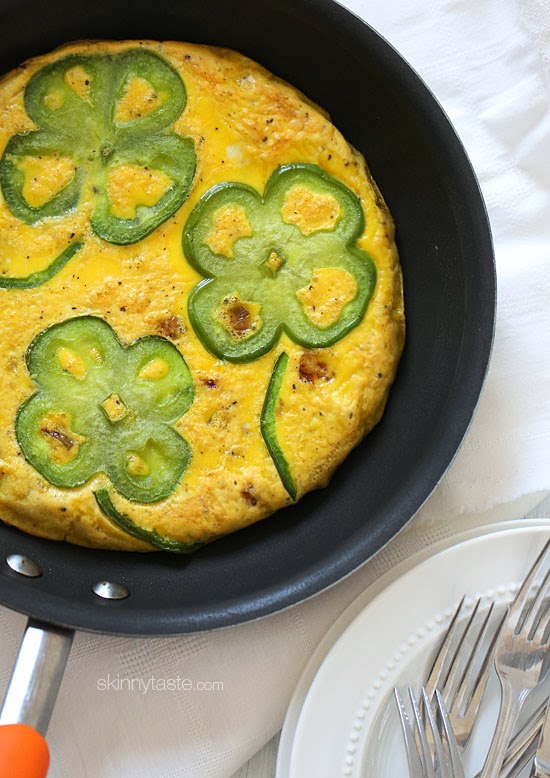
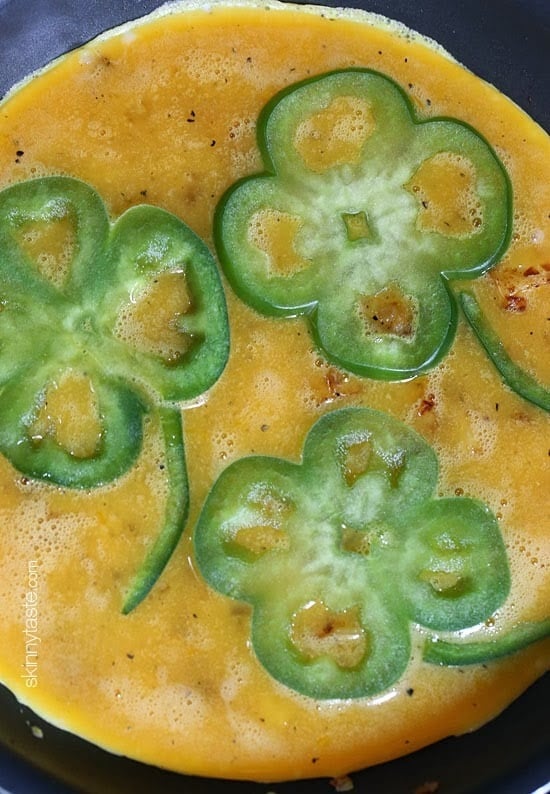
While a year-round staple, the Bell Pepper and Potato Frittata garners particular attention during specific periods, notably around St. Patrick’s Day. This seasonal relevance is cleverly highlighted by the aesthetic presentation of sliced bell peppers, which, when cut crosswise, bear a striking resemblance to four-leaf clovers. This whimsical visual element transforms a straightforward dish into a festive centerpiece, perfectly suited for St. Patrick’s Day brunches and celebrations. The incorporation of tender potatoes and sweet bell peppers, cooked together in a skillet before being bound with eggs, creates a cozy and inviting meal. Culinary figures like Gina of Skinnytaste.com emphasize this festive presentation, noting that while the clover shape adds a special touch for holidays, the dish’s fundamental appeal remains constant, allowing for diced peppers to be used at any time of the year without diminishing its taste or nutritional value. This playful nod to tradition demonstrates how simple culinary techniques can elevate a dish for specific cultural observances, enhancing the dining experience beyond mere sustenance.

Nutritional Profile and Dietary Adaptability
The Bell Pepper and Potato Frittata aligns well with several contemporary dietary preferences and health-conscious eating patterns. Its composition naturally renders it vegetarian, offering a substantial protein source from eggs without requiring meat. Furthermore, it is inherently gluten-free, making it suitable for individuals with celiac disease or gluten sensitivities. The recipe’s design also allows for a dairy-free preparation, catering to those with lactose intolerance or specific dietary choices.
A single serving, approximately one-fourth of the prepared frittata, provides a balanced nutritional intake. According to detailed nutritional analyses, each serving typically contains around 147 calories, with 12 grams of carbohydrates, a significant 11 grams of protein, and 6 grams of fat. This fat content is composed of 2 grams of saturated fat, 1 gram of polyunsaturated fat, and 3 grams of monounsaturated fat, with a minimal 0.02 grams of trans fat. Cholesterol content is around 186 mg, and sodium is approximately 421 mg. The dish also offers valuable micronutrients, including 388 mg of potassium, 2 grams of fiber, 2 grams of sugar, 336 IU of Vitamin A, 12 mg of Vitamin C, 42 mg of calcium, and 2 mg of iron. This comprehensive nutritional profile underscores its suitability as a wholesome and energy-sustaining meal, supporting overall health and well-being.

Preparation Methodology: A Step-by-Step Overview
The preparation of the Bell Pepper and Potato Frittata follows a straightforward, two-stage cooking process that maximizes flavor and texture. The initial phase involves stovetop cooking, followed by a brief finish in the oven, ensuring a uniformly cooked and perfectly set frittata.
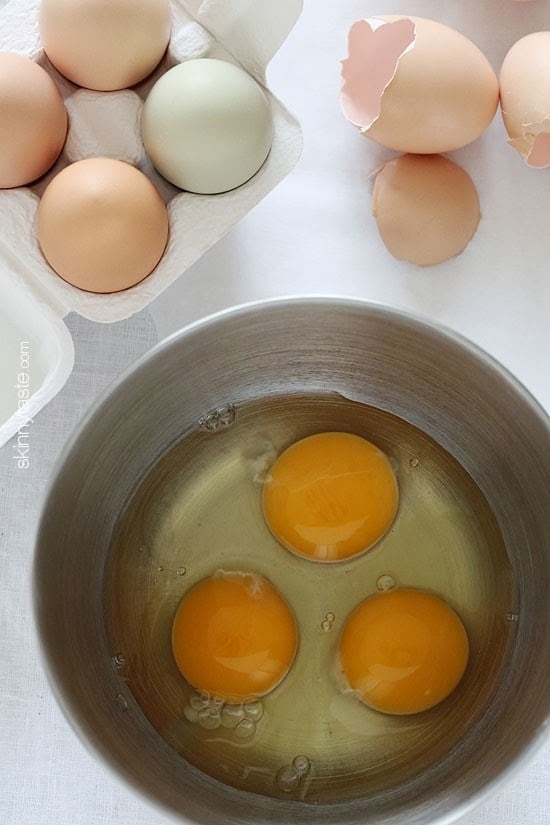
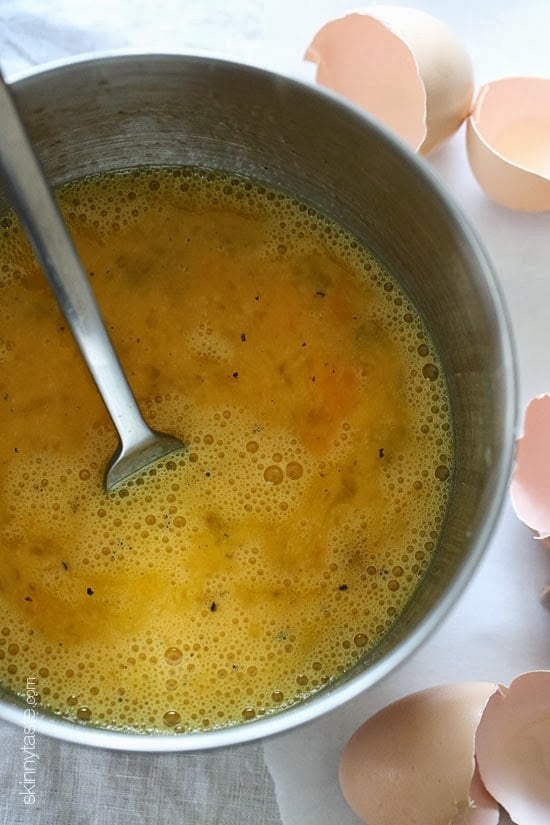
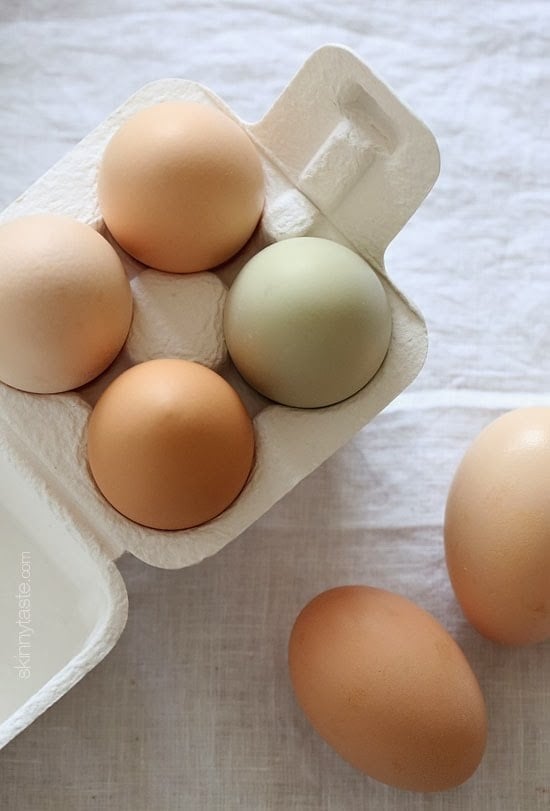
The culinary journey begins with preheating the oven to 400°F (200°C), preparing the environment for the final bake. Concurrently, a large bowl is utilized to whisk together whole eggs and egg whites, seasoned meticulously with salt and freshly cracked black pepper. The combination of whole eggs and egg whites is a common technique to achieve a lighter texture while maintaining structural integrity, though the recipe allows for the exclusive use of whole eggs based on preference.
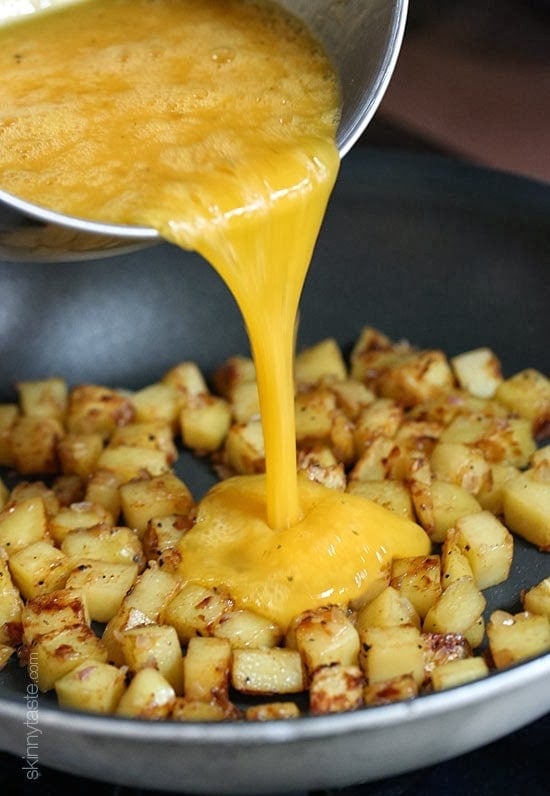
Following the egg mixture preparation, a 10-inch nonstick, oven-safe skillet is heated over medium heat. A small amount of oil is added, followed by the potatoes. These are seasoned generously with salt, garlic powder, paprika, and black pepper, ingredients chosen to impart a depth of flavor that complements the earthy notes of the potatoes. The potatoes are then covered and cooked over medium-low heat for approximately 12 to 15 minutes, with occasional stirring, until they achieve a tender interior and a lightly crisp exterior. This slow cooking process is crucial for developing the potatoes’ texture and absorbing the seasoning. During the final 2 to 3 minutes of this stage, sliced shallots are introduced into the skillet. The residual heat and moisture from the potatoes soften the shallots, releasing their aromatic compounds and integrating them seamlessly into the potato base. The option to use leftover cooked potatoes can significantly reduce the initial cooking time, highlighting the dish’s adaptability for efficient meal preparation.
Once the potatoes and shallots are perfectly cooked, the whisked egg mixture is poured evenly into the skillet, enveloping the prepared vegetables. This is the stage where the artistic arrangement of the bell pepper slices takes place, particularly for those aiming for the "four-leaf clover" presentation. The skillet is then returned to the stovetop, and the heat is reduced to low, allowing the edges of the frittata to gradually set, a process that typically takes between 6 to 8 minutes. This gentle cooking on the stovetop initiates the setting process without overcooking the bottom layer.
The final stage involves transferring the skillet from the stovetop directly into the preheated oven. Baking continues for approximately 8 to 10 minutes, during which the frittata fully sets and cooks through, achieving a golden-brown top and a firm yet tender consistency. Upon removal from the oven, the frittata is allowed to cool slightly before being inverted onto a large plate, sliced into individual wedges, and served. This method ensures an evenly cooked dish with a delightful balance of textures and flavors.
Strategic Meal Planning and Leftover Management
The Bell Pepper and Potato Frittata excels as a component of strategic meal planning due to its excellent keeping qualities. Leftover slices can be stored efficiently in an airtight container within the refrigerator for up to four days without compromising quality or flavor. This makes it an ideal candidate for batch cooking, providing quick and healthy options for subsequent meals throughout the week. Its convenience for quick breakfasts, lunches, or even as a substantial snack further enhances its utility in busy households.
Reheating options are equally versatile. A slice can be warmed efficiently in a microwave for 30 to 60 seconds, offering a rapid solution for individual servings. Alternatively, heating in a skillet over low heat until thoroughly warmed through can restore some of its initial crispness. The frittata is also palatable when served cold or at room temperature, which expands its utility for brunch spreads, picnics, or packed lunches, minimizing the need for reheating and maximizing portability. This flexibility in serving temperature underscores its broad appeal and practicality.
Variations and Customization for Diverse Palates
The intrinsic versatility of the frittata allows for extensive customization, enabling home cooks to adapt the recipe based on available ingredients, seasonal produce, or specific dietary preferences. This adaptability is a key factor in its enduring popularity.
To enhance the vegetable content, additions such as fresh spinach, sliced mushrooms, or grated zucchini can be incorporated. These ingredients cook down effectively within the egg mixture, adding fiber and nutrients without overpowering the core flavors. For those seeking an additional layer of richness or flavor, a sprinkle of shredded cheese, such as cheddar, Gruyère, or Parmesan, can be added to the top of the frittata before it is transferred to the oven for baking. This creates a golden, melted crust that complements the eggs and vegetables.
For individuals looking to boost the protein content beyond what the eggs provide, diced ham or cooked turkey sausage can be folded into the potato and shallot mixture before the eggs are added. These additions transform the frittata into an even more substantial meal, suitable for athletes or those following higher-protein diets. The beauty of the frittata lies in its forgiving nature, encouraging culinary experimentation and allowing for a truly personalized dining experience that caters to individual tastes and nutritional requirements.
Broader Culinary Trends and Implications
The rise of dishes like the Bell Pepper and Potato Frittata reflects several broader culinary and societal trends. There is a growing emphasis on home cooking as a means to control ingredients, manage costs, and ensure healthier eating. Versatile, single-pan dishes that require minimal fuss but deliver maximum flavor are increasingly sought after by time-strapped consumers. The frittata, with its "breakfast for dinner" or "brinner" appeal, perfectly encapsulates this desire for flexible meal timing and simplified preparation.
Furthermore, the increasing awareness of sustainable eating practices and the reduction of food waste find a natural ally in the frittata. Its ability to incorporate various leftover vegetables or proteins makes it an excellent choice for minimizing discarded food, aligning with eco-conscious culinary principles. The demand for plant-forward, gluten-free, and dairy-free options also positions this frittata as a relevant and timely dish that caters to a diverse range of dietary needs and ethical considerations. As consumers continue to prioritize health, convenience, and value, dishes that offer such a comprehensive solution are likely to maintain and even grow their prominence in everyday cooking. The Bell Pepper and Potato Frittata, therefore, is not merely a recipe but a culinary archetype that addresses many of the contemporary challenges and aspirations in the modern kitchen.
