
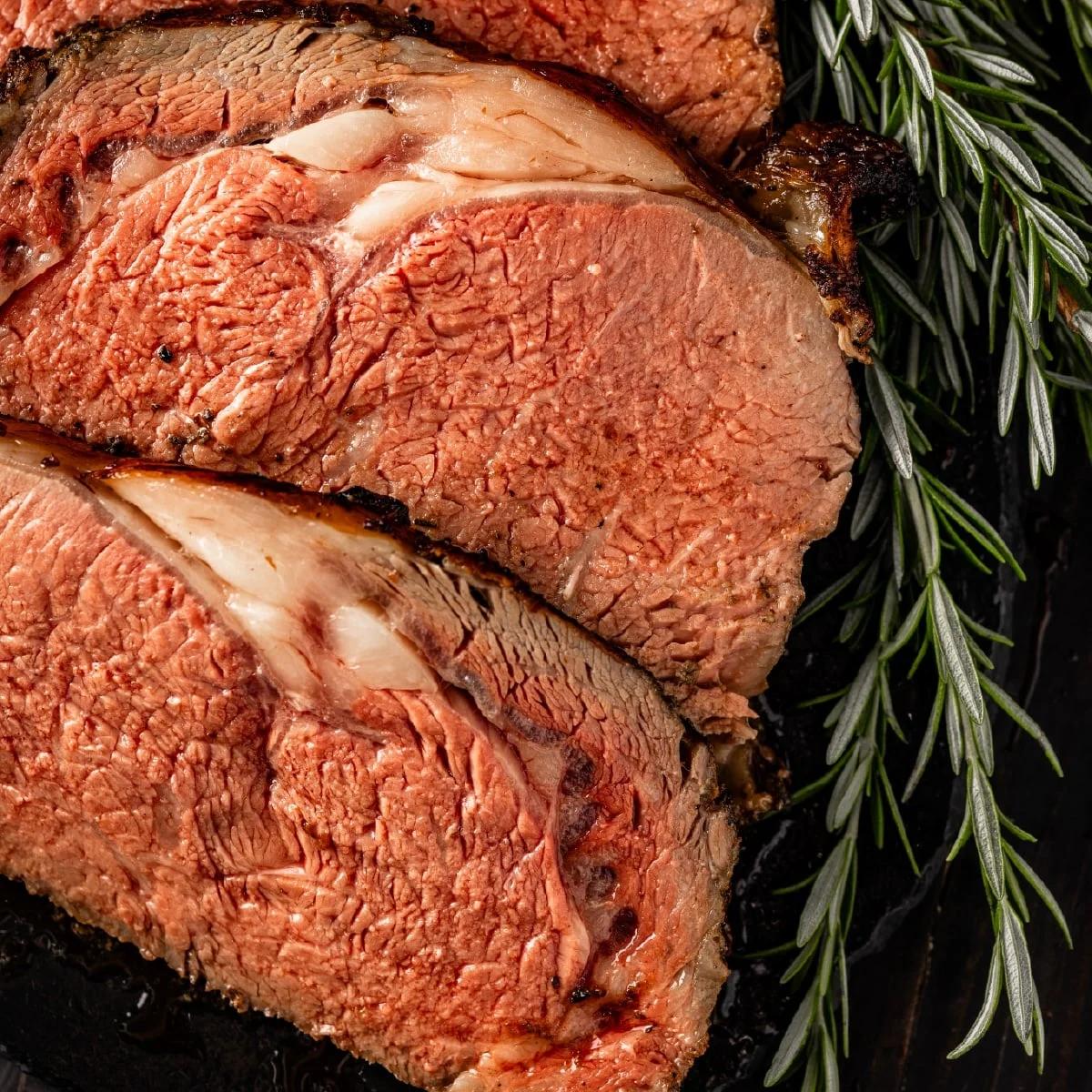
The culinary landscape of holiday dining is undergoing a significant transformation as home cooks increasingly adopt professional-grade technology to manage high-stakes preparations, most notably the prime rib roast. Traditionally considered one of the most challenging and expensive cuts of beef to prepare, the standing rib roast is now being mastered through the application of sous vide—a method involving vacuum-sealing food and cooking it in a precisely regulated water bath. By utilizing this technique, enthusiasts are able to achieve a consistent medium-rare doneness from edge to edge, effectively eliminating the margin of error associated with traditional dry-heat roasting. This shift toward precision gastronomy reflects a broader trend in the multi-billion dollar barbecue and outdoor cooking industry, where the focus has moved from "low and slow" fire management to the integration of high-tech thermal control.
The Technical Foundations of Sous Vide Gastronomy
The term "sous vide" is derived from the French for "under vacuum," a reference to the process of sealing ingredients in airtight bags before immersion. While the technique was pioneered in laboratory settings and later adopted by French chefs like Georges Pralus in the 1970s to reduce food shrinkage, its migration to the domestic kitchen was accelerated by the advent of affordable immersion circulators in the early 21st century.

For a prime rib roast, the objective of sous vide is the uniform denaturation of proteins. Unlike a traditional oven, which relies on air—a poor conductor of heat—to transfer energy to the meat, a sous vide bath uses water to provide constant, surrounding thermal energy. This ensures that the exterior of the meat never exceeds the desired internal temperature, preventing the "gray band" of overcooked protein that often characterizes oven-roasted beef. For a standard medium-rare finish, a temperature of 129 degrees Fahrenheit (53.9 degrees Celsius) is maintained for several hours, allowing the collagen in the connective tissues to soften without tightening the muscle fibers.
Chronology of the Sous Vide Prime Rib Process
The preparation of a sous vide prime rib follows a rigorous timeline that prioritizes flavor infusion and thermal stability over speed. The process typically begins 24 hours to eight hours before the intended serving time, depending on the size of the roast and the desired depth of seasoning.
- Seasoning and Encapsulation: The roast is heavily coated in a specialized dry rub—often a blend of kosher salt, coarse black pepper, garlic powder, and dried herbs like rosemary and thyme. Once seasoned, the meat is placed in a heavy-duty plastic bag. For optimal results, a vacuum sealer is used to remove all oxygen, which ensures maximum contact between the water and the meat and prevents the bag from floating.
- The Thermal Bath: The sealed roast is submerged in a water bath preheated to 129 degrees Fahrenheit. For a six-pound roast, the immersion period typically lasts eight hours. During this time, the immersion circulator moves the water constantly to prevent "cold spots," ensuring the meat reaches a state of thermal equilibrium.
- The Resting Phase: Upon removal from the water bath, the meat is technically fully cooked and pasteurized, but it lacks the aesthetic and textural appeal of a traditional roast. It is removed from the bag and patted completely dry. This step is critical; moisture on the surface of the meat will inhibit the Maillard reaction during the final searing phase.
- The High-Heat Finish: To develop the "bark" or crust, the roast is subjected to intense heat for a brief period. This can be achieved on a high-temperature grill, in a cast-iron skillet, or under a broiler. The goal is to brown the exterior within two to three minutes per side to avoid raising the internal temperature of the perfectly cooked core.
Supporting Data: The Science of the Sear and Thermal Conductivity
Culinary data suggests that the sous vide method reduces meat "shrinkage" or weight loss by up to 15-20% compared to traditional roasting. This is due to the sealed environment preventing the evaporation of juices. Furthermore, the Maillard reaction—the chemical reaction between amino acids and reducing sugars that gives browned food its distinctive flavor—requires temperatures above 300 degrees Fahrenheit. Because the sous vide process happens at low temperatures, the final sear is not merely for aesthetics but is chemically necessary to provide the complex flavor profile expected of a prime rib.

Market research within the kitchen appliance sector shows that the global sous vide machine market was valued at approximately $435 million in 2022 and is projected to grow at a compound annual growth rate (CAGR) of 5.8% through 2030. This growth is driven by consumers who seek to replicate "steakhouse quality" results at home while mitigating the financial risk of overcooking premium cuts like prime rib, which can cost upwards of $20 to $30 per pound.
Equipment Requirements and Alternative Methodologies
While professional-grade equipment has become more accessible, the barrier to entry for sous vide cooking remains a topic of discussion among culinary experts. A standard setup includes:
- Immersion Circulator: A device that heats and moves water to a precise degree.
- Vacuum Sealer: Utilized for long-term storage and efficient heat transfer.
- Insulated Container: Often a polycarbonate vessel or a large stockpot.
However, industry analysts note that the "displacement method" serves as a viable alternative for those without vacuum sealers. This involves using the natural pressure of water to force air out of a heavy-duty zip-top freezer bag as it is lowered into the bath. While less efficient than vacuum sealing for long-duration cooks (over 12 hours), it is sufficient for an eight-hour prime rib roast. For temperature control without a circulator, some home cooks use deep, heavy-bottomed pots on stovetops monitored by digital instant-read thermometers, though this requires constant manual adjustment and is generally discouraged for large, expensive roasts.

Food Safety and Storage Implications
From a food safety perspective, sous vide offers unique advantages in terms of pasteurization. According to USDA guidelines, food held at 129 degrees Fahrenheit for several hours undergoes a reduction in pathogens such as Salmonella and E. coli, provided the thickness of the meat and the duration of the cook are correctly calculated.
The storage and reheating of leftovers represent another area where sous vide excels. Traditional reheating methods—such as the microwave or oven—often result in the further cooking of the meat, turning a medium-rare roast into a well-done, rubbery product. Journalistic observation of culinary trends indicates that "Taste Test" protocols favor reheating sliced prime rib in a sous vide bath at 120 degrees Fahrenheit. This temperature is high enough to melt fats and warm the protein without triggering further coagulation of muscle fibers, effectively preserving the original texture of the holiday meal.
Broader Cultural and Economic Impact
The rise of sous vide prime rib is indicative of a broader shift in how modern families approach holiday hosting. By moving the bulk of the cooking process to a controlled water bath, the "host anxiety" associated with timing a large roast to coincide with side dishes and guest arrivals is significantly diminished. The meat can remain in the water bath for an extra hour or two without any negative impact on quality, providing a "buffer" that traditional ovens cannot offer.

Furthermore, this method reflects the democratization of culinary expertise. Platforms like "Hey Grill Hey," founded by Susie Bulloch, have played a pivotal role in translating complex laboratory techniques into accessible instructions for the average backyard griller. This community-driven approach to cooking has fostered a "revol-que-tion," where the boundaries between professional chefs and home enthusiasts are increasingly blurred.
In conclusion, the sous vide prime rib roast is more than a recipe; it is a synthesis of 18th-century French culinary theory and 21st-century technological convenience. As food prices fluctuate and the value of home-based experiences increases, the reliance on precision instruments to ensure the "perfect bite" is likely to become a permanent fixture of the modern holiday tradition. By prioritizing consistency, moisture retention, and flavor development, sous vide has effectively redefined the standards of the domestic feast.
