
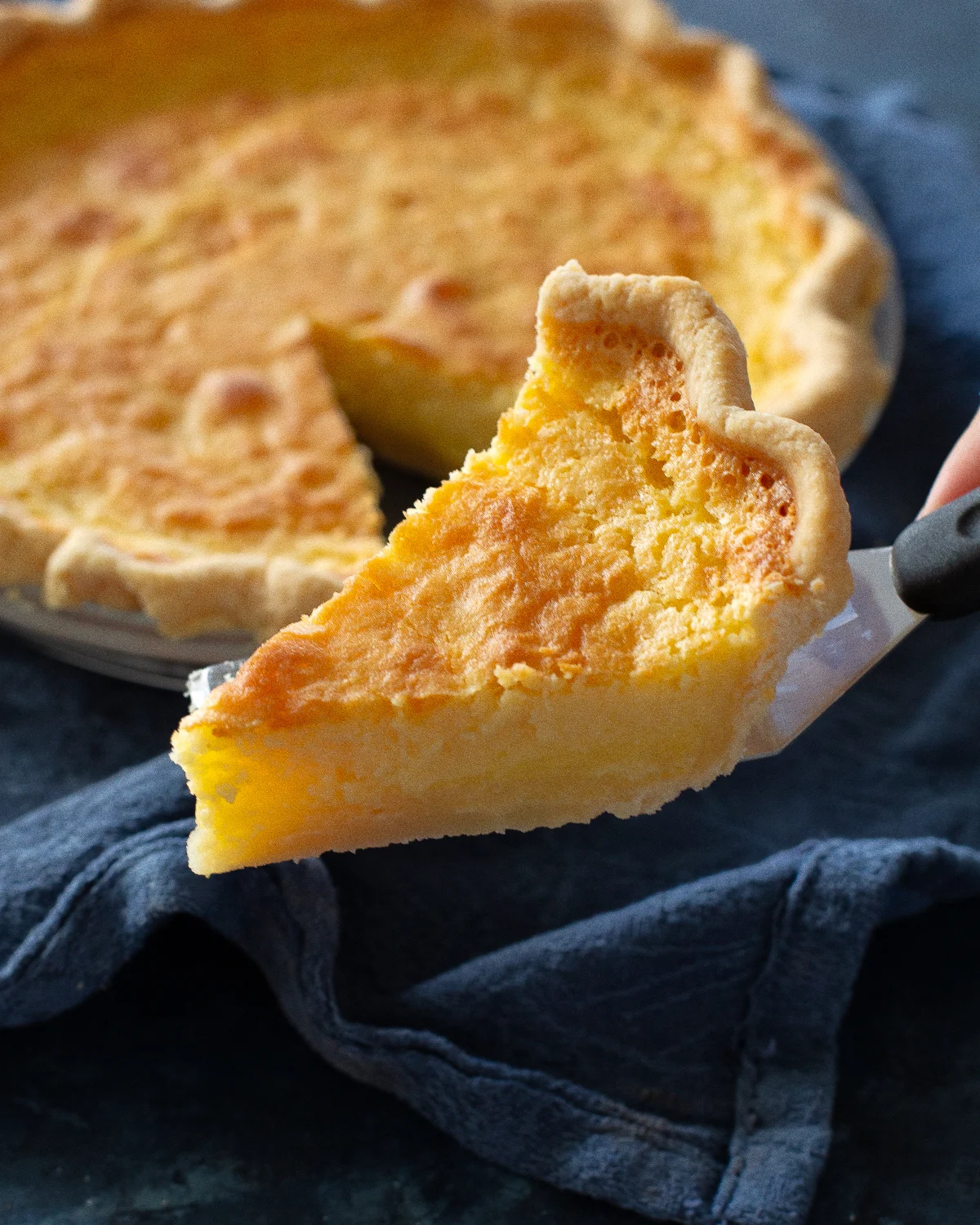
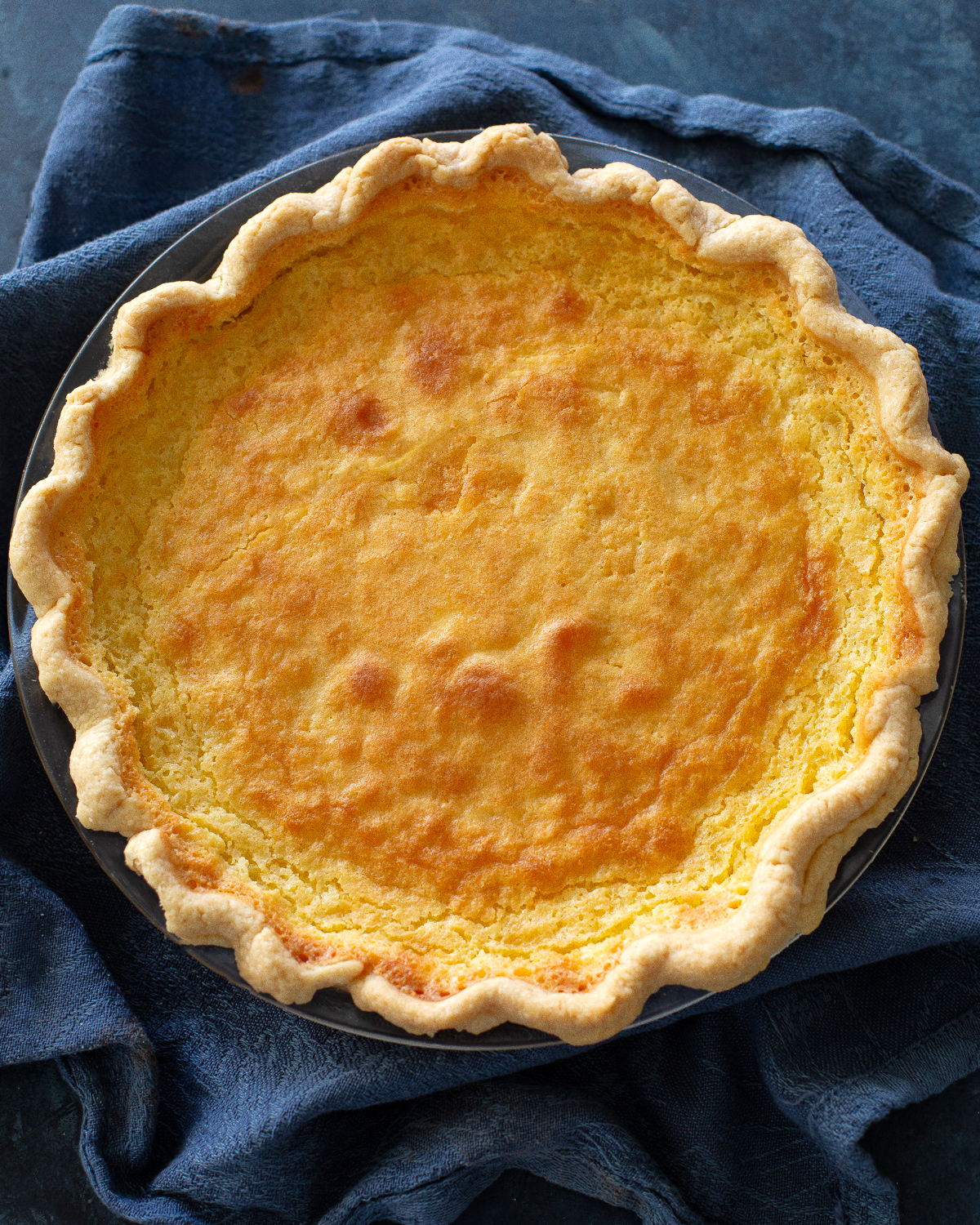
Buttermilk pie is a sweet custard pie with just a hint of lemon. This traditional Southern dessert recipe is beloved for its creamy texture, buttery flavor, and subtle tang from buttermilk. Best of all, it’s incredibly easy to make with pantry staples. A great pie for Thanksgiving.
The origins of buttermilk pie are deeply rooted in the culinary traditions of the American South, where ingredients like buttermilk, a byproduct of butter production, were readily available and utilized in a variety of dishes. While an exact inventor or date of origin is elusive, its presence is well-documented in Southern cookbooks and family recipes spanning generations. It emerged as a resourceful and delicious way to transform simple ingredients into a comforting dessert, particularly during times when more elaborate ingredients might have been scarce. Its popularity has endured, making it a familiar and cherished presence on dessert tables across the region and beyond, especially during holiday gatherings like Thanksgiving.
What is Buttermilk Pie?
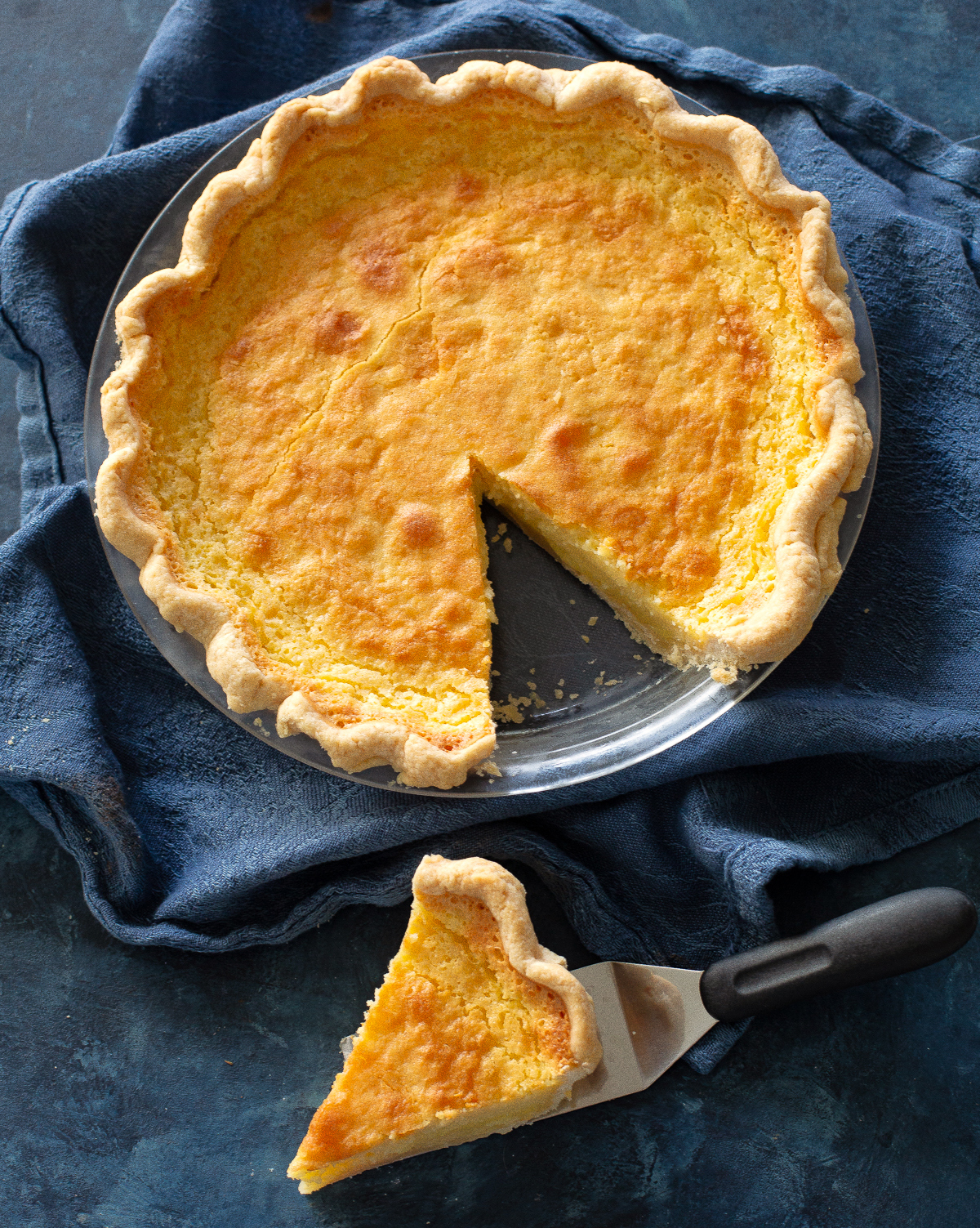
Buttermilk pie is a classic Southern dessert characterized by its creamy, custard-like filling baked within a flaky pie crust. The core ingredients typically include buttermilk, eggs, sugar, butter, and a thickening agent such as flour or cornmeal. This combination, when baked, creates a filling that is both rich and surprisingly light. The unique tang of the buttermilk provides a subtle counterpoint to the sweetness, while a hint of lemon zest often brightens the overall flavor profile. This delicate balance distinguishes it from other custard pies, offering a nuanced taste experience.
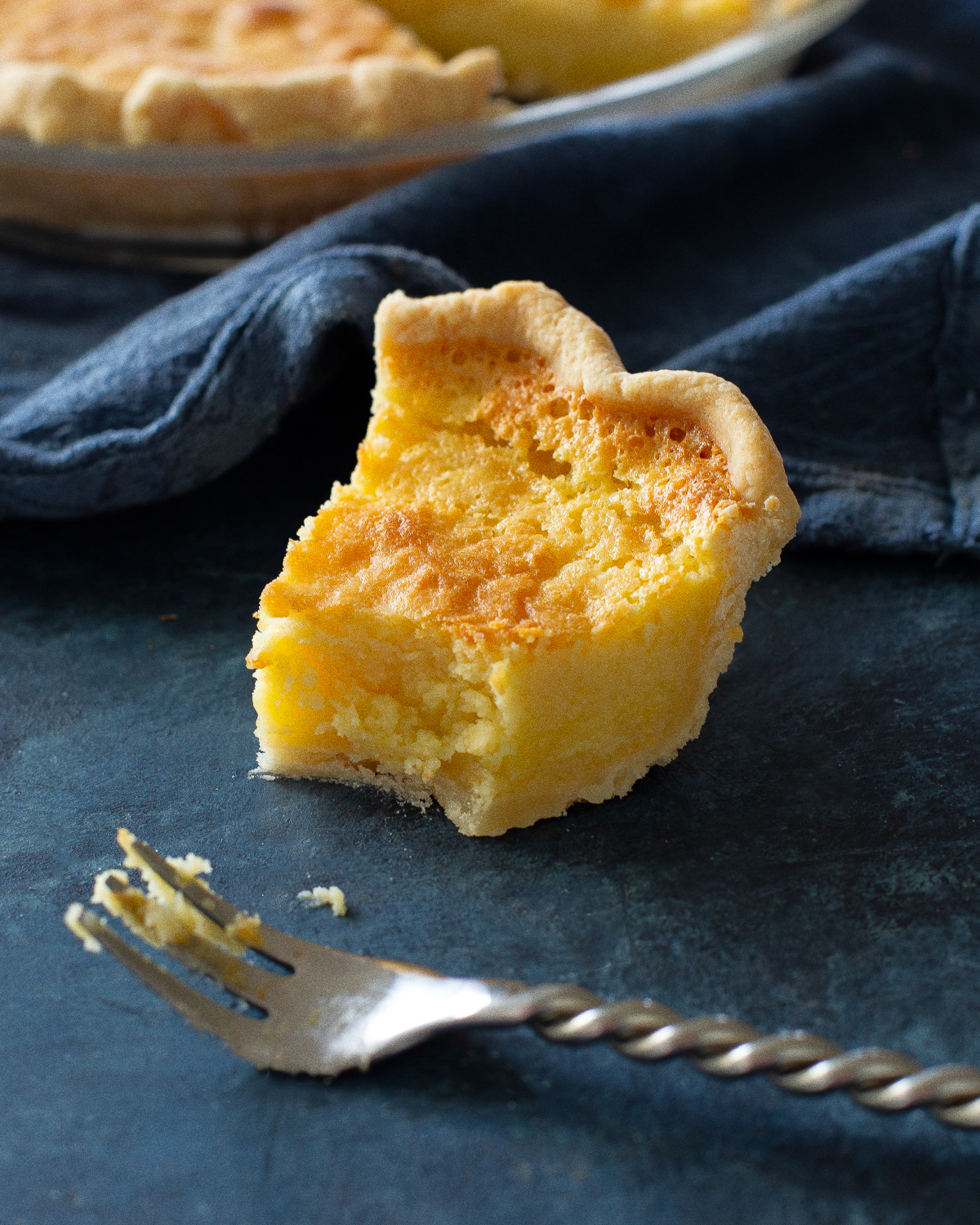
The texture of a well-made buttermilk pie is a key element of its appeal. Upon baking, the filling typically forms a smooth, creamy custard layer, often with a slightly caramelized or browned surface. Some variations may develop a delicate, almost jelly-like layer beneath the browned top, adding another dimension to its mouthfeel. This combination of creamy interior and subtly crisp topping is a hallmark of the dessert.
Comparisons are often drawn between buttermilk pie and chess pie, another popular Southern confection. Both feature a rich, sweet filling baked in a pie crust. However, the defining characteristic of buttermilk pie is the inclusion of buttermilk, which introduces a distinct tanginess and a lighter overall flavor compared to the often denser, richer profile of a traditional chess pie. This subtle acidity from the buttermilk is what elevates buttermilk pie, preventing it from becoming overly sweet and adding a layer of complexity that many find irresistible.
Simple Ingredients, Profound Flavor
The beauty of buttermilk pie lies in its use of common, accessible ingredients, making it a staple in home kitchens. The primary components are:
- Buttermilk: The star ingredient, providing its characteristic tang and tenderizing qualities to the filling.
- Eggs: Act as a binder and contribute to the custard’s rich texture.
- Sugar: Provides sweetness and aids in the caramelization of the filling’s surface.
- Butter: Adds richness and a smooth, buttery flavor.
- Flour or Cornmeal: Used as a thickener to achieve the desired custard consistency.
- Vanilla Extract: Enhances the overall flavor profile.
- Lemon Zest (optional but recommended): Adds a bright, citrusy note that complements the richness of the pie.
- Pie Crust: A pre-made or homemade flaky pie crust serves as the foundation for the filling.
The simplicity of these ingredients underscores the pie’s origins as a thrifty yet delicious dessert, readily made with items commonly found in a pantry. This accessibility has contributed to its widespread popularity and enduring status as a comfort food.
Serving Suggestions and Pairings
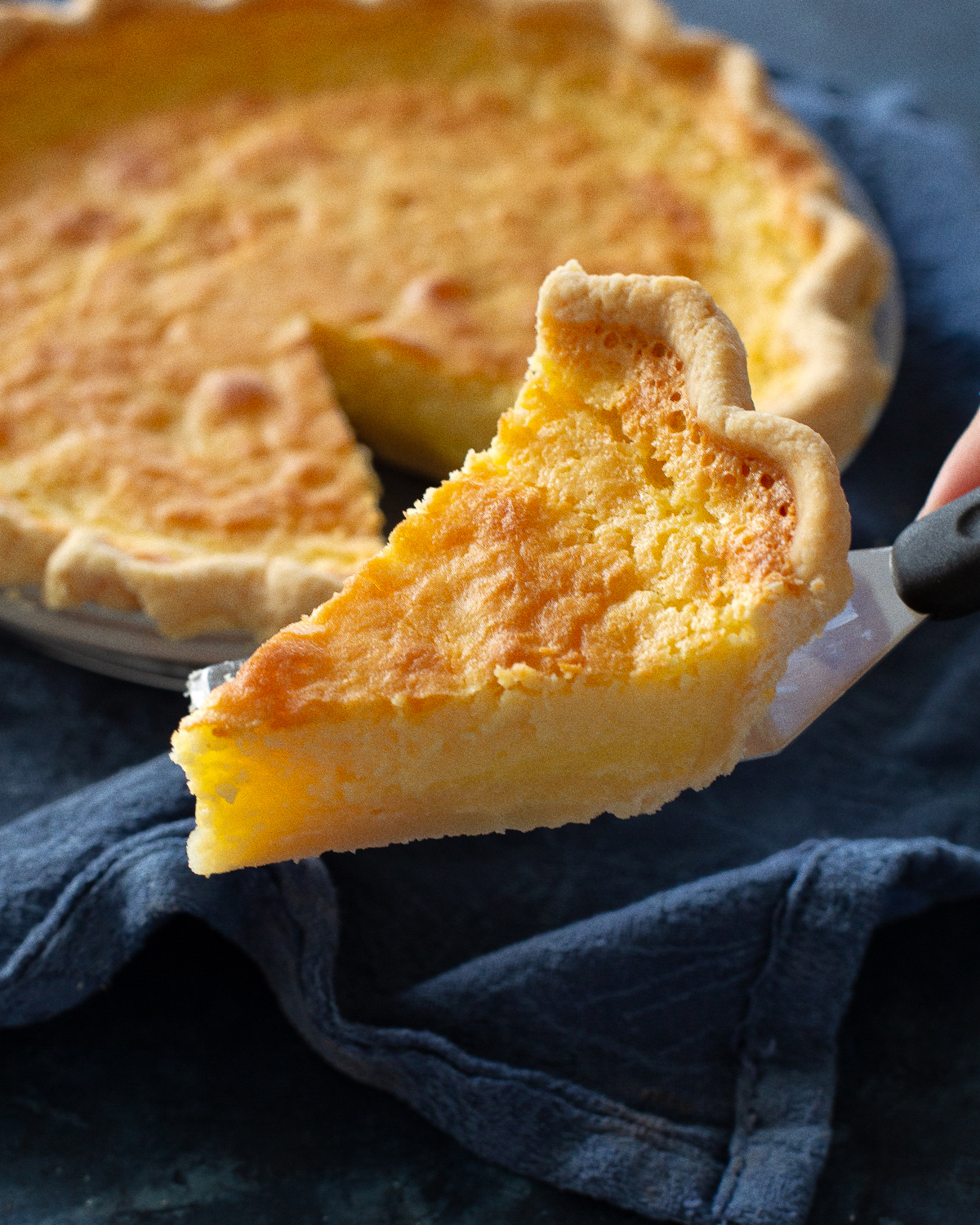
Buttermilk pie is often served chilled or at room temperature, allowing its flavors and textures to fully develop. While delicious on its own, it pairs exceptionally well with a variety of accompaniments that can further enhance the tasting experience.
Fresh berries, such as strawberries, raspberries, or blueberries, offer a burst of freshness and a slight tartness that cuts through the pie’s richness. A dollop of freshly whipped cream provides an additional layer of creamy indulgence and a touch of sweetness. For a more elaborate presentation, a dusting of powdered sugar or a drizzle of fruit coulis can add visual appeal and an extra flavor dimension.
The subtle tang of the buttermilk also makes it a versatile accompaniment to various beverages. A cup of hot coffee or tea provides a warm contrast, while a glass of cold milk or a sweet dessert wine can complement its sweetness.
The Enduring Legacy of Buttermilk Pie
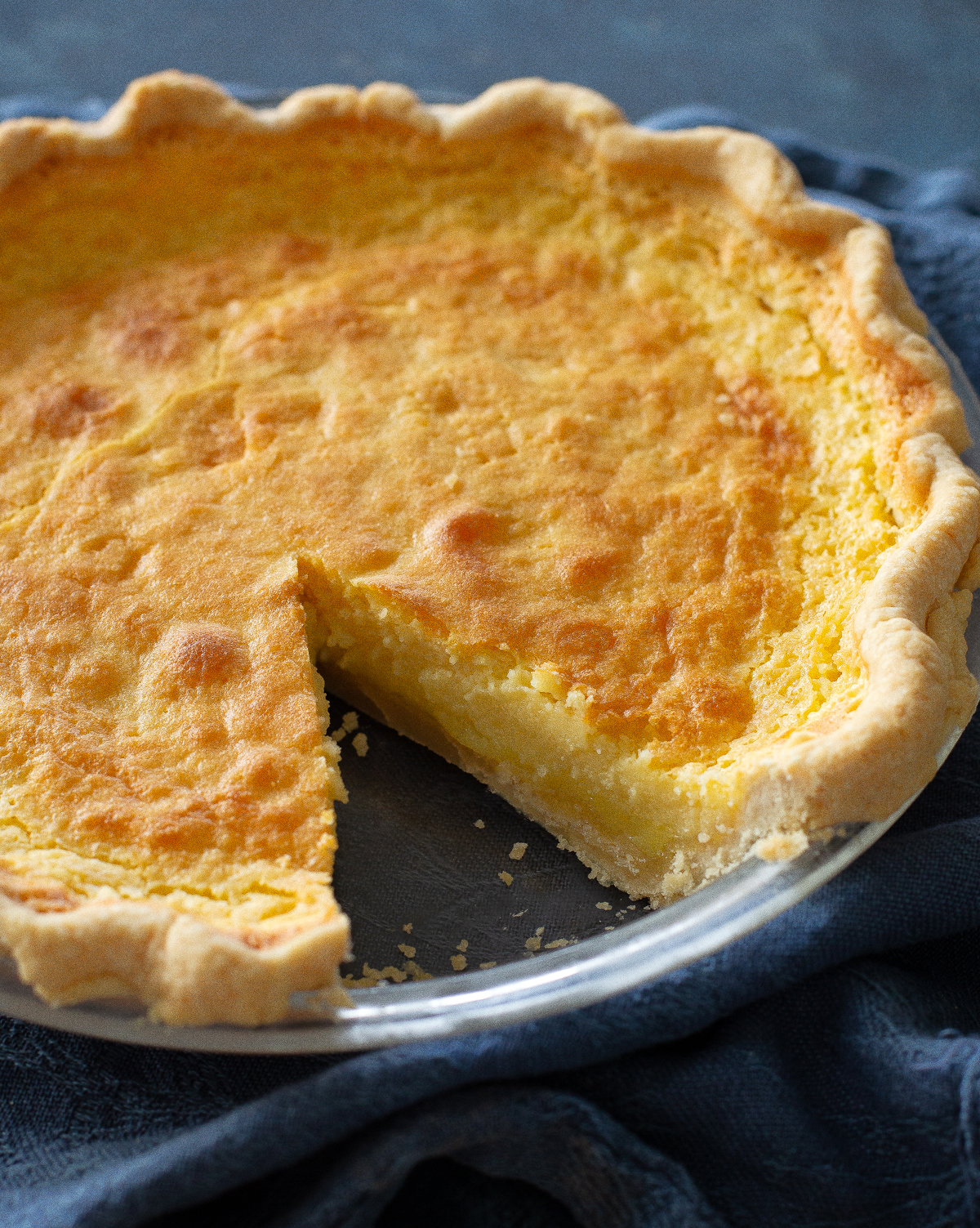
In an era of culinary trends and fleeting fads, buttermilk pie stands as a testament to the power of timeless, comforting flavors. Its presence on Thanksgiving tables is particularly significant, often representing a connection to tradition and family heritage. As families gather to express gratitude, the familiar taste of buttermilk pie evokes memories of past celebrations and the warmth of shared meals.
The ease of preparation also makes it an attractive option for home bakers, regardless of their skill level. The straightforward recipe allows even novice bakers to create a dessert that is both impressive and deeply satisfying. This democratizing aspect of buttermilk pie ensures its continued relevance in contemporary kitchens.
Beyond Thanksgiving, buttermilk pie is a welcome addition to any occasion, from casual potlucks to more formal gatherings. Its adaptable nature and universally appealing flavor profile have cemented its status as a beloved classic in the pantheon of American desserts. The continued availability of its core ingredients and the enduring appreciation for its simple yet profound taste suggest that buttermilk pie will remain a cherished staple for generations to come. Its unassuming appearance belies a depth of flavor and a comforting essence that continues to win hearts and palates.
Other Pie Recipes to Explore
For those who have fallen in love with the charms of buttermilk pie, a world of other delectable pie recipes awaits exploration. The Southern culinary landscape is rich with variations and complementary desserts that share similar roots and appeal.
- Chess Pie: As mentioned, chess pie is a close relative. Exploring its variations, such as lemon chess pie or chocolate chess pie, offers a deeper understanding of this category of rich, sweet custard pies.
- Pecan Pie: A quintessential Southern holiday dessert, pecan pie offers a delightful contrast with its nutty texture and sweet, caramel-like filling.
- Sweet Potato Pie: Another Thanksgiving staple, sweet potato pie provides a different kind of creamy sweetness, often spiced with cinnamon and nutmeg.
- Fruit Pies: From classic apple and cherry to regional favorites like blackberry or peach, fruit pies showcase the bounty of seasonal produce and offer a different spectrum of flavors and textures.
- Cream Pies: Options like banana cream pie, chocolate cream pie, or coconut cream pie present a silky, smooth filling often topped with meringue or whipped cream, offering a lighter yet equally decadent experience.
Each of these pies, like buttermilk pie, tells a story of regional history, available ingredients, and the universal desire for comforting and delicious desserts. They represent a continuation of the culinary traditions that have made Southern baking so renowned.
Buttermilk Pie Recipe
(While the provided content does not include specific recipe instructions, a typical buttermilk pie recipe would involve the following general steps, which would be elaborated upon in a full recipe format.)
Yields: 8 servings
Prep time: 15 minutes
Bake time: 45-55 minutes
Ingredients:
- 1 unbaked 9-inch pie crust
- 2 cups granulated sugar
- 3 tablespoons all-purpose flour
- 1/2 teaspoon salt
- 1 cup buttermilk
- 4 large eggs, lightly beaten
- 1/2 cup unsalted butter, melted
- 1 teaspoon vanilla extract
- 1 teaspoon lemon zest (optional)
Instructions:
- Preheat your oven to 350°F (175°C).
- In a large bowl, whisk together the sugar, flour, and salt.
- In a separate bowl, whisk together the buttermilk, lightly beaten eggs, melted butter, vanilla extract, and lemon zest (if using).
- Gradually add the wet ingredients to the dry ingredients, whisking until smooth and well combined.
- Pour the filling into the unbaked pie crust.
- Bake for 45-55 minutes, or until the center is set and a knife inserted near the center comes out clean. The top should be golden brown.
- Let the pie cool completely on a wire rack before slicing and serving.
This foundational recipe provides the framework for the beloved buttermilk pie, a dessert that continues to delight with its simplicity and exquisite flavor.
