
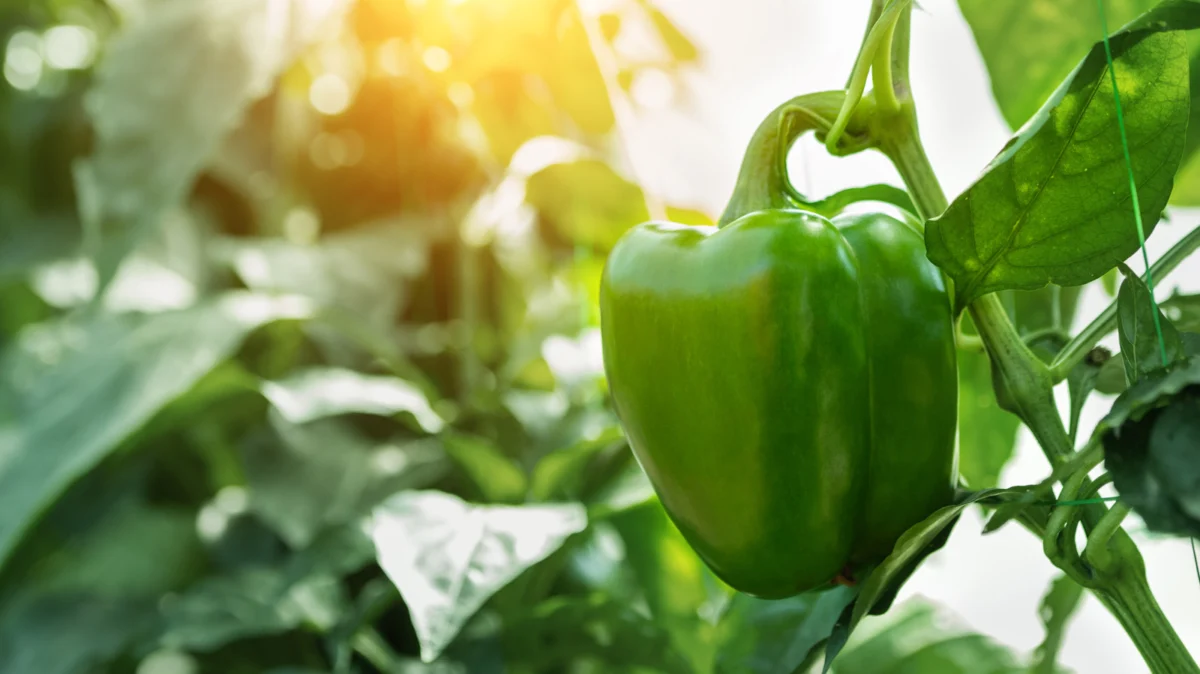
Growing perfect peppers is an art that requires understanding their unique needs, particularly for gardeners in temperate climates where these tropical natives may face challenges. While not overly technical, achieving a bountiful harvest of vibrant peppers – whether sweet bell peppers, zesty jalapeños, or fiery habaneros – hinges on specific care and attention throughout the growing season. Drawing on years of experience cultivating peppers in the United Kingdom, this guide distills essential, practical advice to ensure healthy plants and delicious yields, moving beyond common gardening myths to offer proven strategies.
The Importance of Early Planting and Consistent Warmth
Starting Seeds Indoors: A Head Start for Success
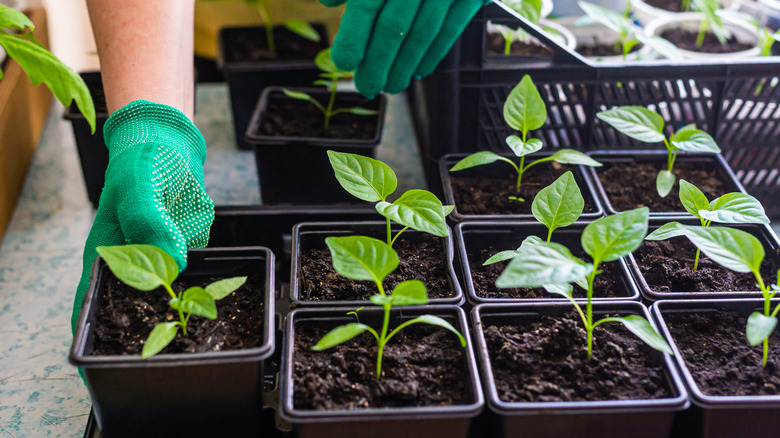
For those cultivating peppers from seed, beginning the process in late winter, ideally between February and April, is crucial. Peppers are slow growers, and an early start maximizes the potential for a substantial harvest, especially in regions with shorter growing seasons. Unlike some plants that require immediate sunlight for germination, pepper seeds are remarkably tolerant of darkness. The primary drivers for successful germination are consistent warmth and moisture.
Optimal Germination Conditions: Heat, Time, and Patience
Pepper seeds thrive when soil temperatures are maintained between 80 and 90 degrees Fahrenheit. While slight variations are acceptable, this warmth is critical. For novice gardeners, a heated propagator can be an invaluable tool to ensure stable temperatures, preventing the fluctuations often experienced on a windowsill. Even a consistently warm room within a home can yield high germination rates. The germination period for pepper seeds can be lengthy, often taking up to three weeks. To mitigate the risk of a single seed failing to sprout, planting two to three seeds per cell is a recommended practice, guaranteeing at least one viable seedling. Patience is key during this phase; once the optimal conditions of heat and moisture are established, it’s a waiting game.
Cultivating Healthy Growth: Soil, Water, and Environment
The Foundation of Flavor: Well-Draining and Nutrient-Rich Soil
The success of pepper plants is intrinsically linked to the quality of their soil. Well-draining soil is paramount, preventing waterlogged conditions that can suffocate roots and lead to rot. For container gardening, this is relatively straightforward to manage with pots equipped with adequate drainage holes. When planting directly into the ground, however, extra diligence is required. Incorporating a generous amount of high-quality compost is essential. Compost not only provides a rich source of organic matter and natural nutrients but also improves soil structure, ensuring that excess water can effectively drain away and preventing the formation of water-retaining "bowls" in compacted or clay-heavy soils. This organic matter also acts as a reservoir for additional nutrients that can be supplied to the plant over time.
The Art of Watering: Moisture Balance is Key
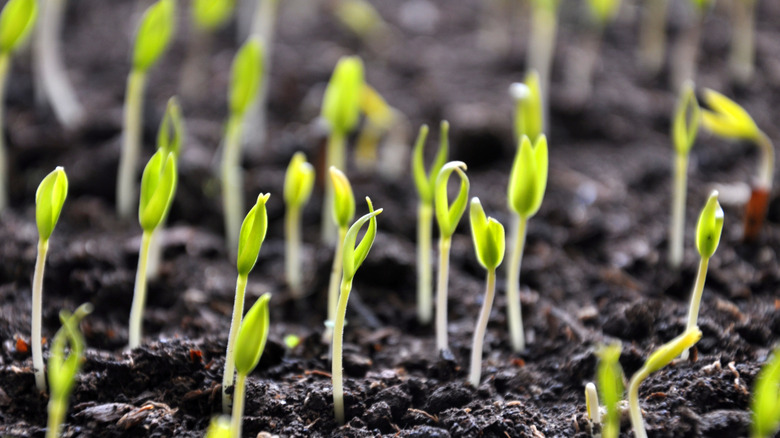
Watering pepper plants, from seedlings to established flora, requires a nuanced approach. The goal is to maintain soil that is consistently moist but never waterlogged. A simple test for adequate moisture is the "squeeze test": the soil should feel damp to the touch, and when squeezed firmly, no water should drip out. While frequent, small waterings might seem intuitive, they often only saturate the surface layer. Instead, it’s more beneficial to provide deep waterings whenever the soil begins to feel dry. The frequency of watering will fluctuate significantly based on environmental conditions. Potted peppers in the peak of summer might require watering twice daily, while plants in the ground during mild, rainy periods may not need watering at all. A reliable indicator for watering is when the soil feels dry about two inches below the surface. Developing a routine and learning to gauge the plant’s needs will become second nature with practice.
The Crucial Transition: Gradual Acclimatization to Outdoor Conditions
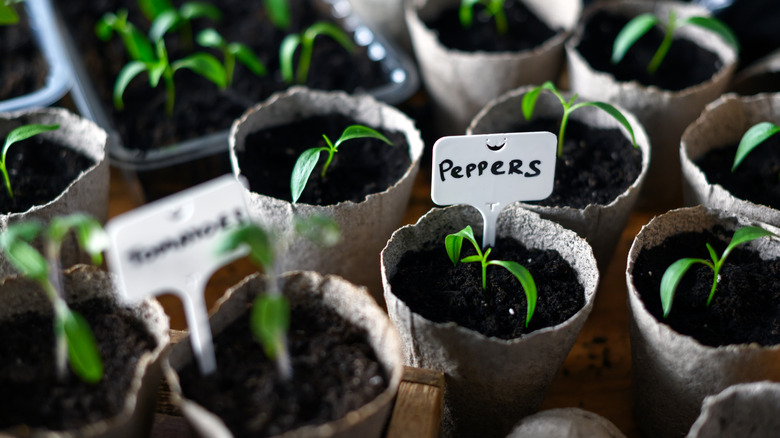
Peppers, originating from tropical climates, are inherently sensitive to cold. Rushing young plants outdoors after they’ve sprouted can lead to "cold shock," a condition that can cause significant structural damage to leaves, stems, and roots, and in severe cases, can be fatal. To prevent this, a process known as cold hardening is indispensable. This involves gradually introducing seedlings to the outdoor environment over a period of 10 to 14 days. The initial step involves placing seedlings on a windowsill with an open window, followed by short periods outdoors on mild days. Gradually increasing the duration of outdoor exposure, eventually including mild nights, allows the plants to adapt. It’s critical to note that temperatures below 40 degrees Fahrenheit can still be damaging, even for hardened plants. Any signs of stress, such as wilting, should prompt a return to indoor protection until the plant recovers.
Sunlight: The Engine of Pepper Growth
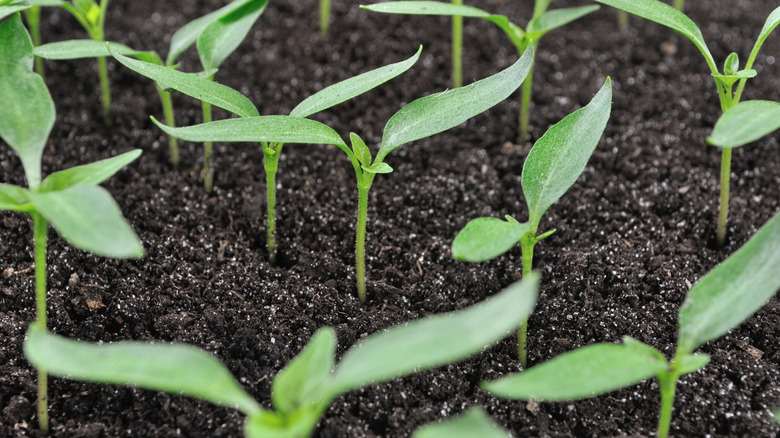
Among fruiting plants, peppers are exceptionally demanding when it comes to sunlight, rivaling even tomatoes. While sunlight is not a requirement for germination, it becomes absolutely vital once the seedlings emerge. Insufficient light will result in leggy, weak seedlings that stretch desperately towards any available light source. For established plants, a lack of adequate sun will directly impact the abundance and size of the peppers produced. Ideally, pepper plants should be situated in a location that receives maximum sunlight exposure, often a south-facing spot, though this can be influenced by surrounding structures or foliage. For gardeners concerned about insufficient natural light, supplemental grow lights can be a beneficial investment. Similarly, a mini greenhouse can enhance light capture for outdoor plants. A deficit in sunlight is one of the most significant factors that can negatively affect the final harvest.
Planting Depth: Anchoring for Stability and Growth
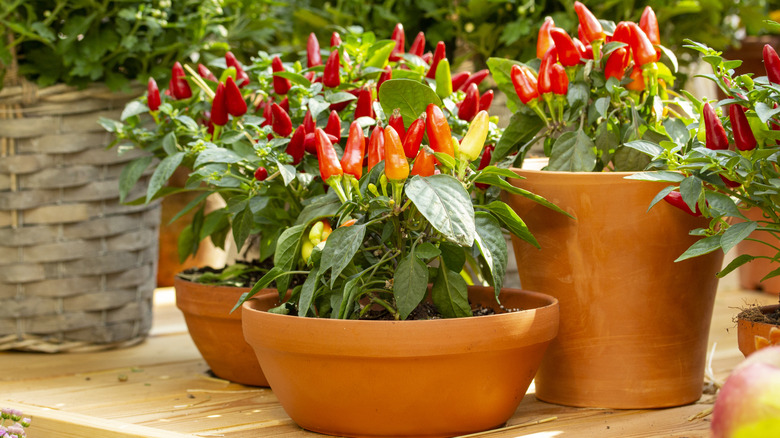
When transplanting pepper seedlings, planting them slightly deeper than they were in their original container offers significant advantages. While peppers do not possess the same root-generating stem capability as tomato plants, this deeper planting provides crucial stability, particularly as the plants mature and their fruits develop, making them top-heavy. This increased stability helps the young plants better withstand outdoor conditions, especially wind. However, it is important not to overdo it; burying them too deeply can increase the risk of rot. An inch or so deeper than their previous pot is generally sufficient. This practice supports the plant’s structural integrity, allowing it to focus its energy on fruit production, especially vital for larger varieties like bell peppers.
Nourishing and Protecting Your Pepper Plants
Strategic Fertilization: Beyond General Purpose
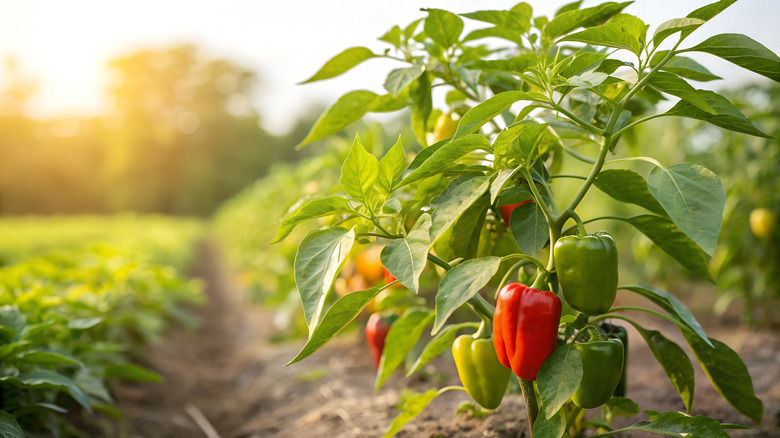
While general-purpose fertilizers are suitable for seedlings and young plants, their use should be discontinued once the plants begin to flower. General fertilizers, with their balanced NPK ratios, promote growth across all plant parts. For flowering and fruiting plants like peppers, a shift to a fertilizer higher in potassium, often marketed as "tomato feed" or a similar fruiting plant formula, is recommended. This specialized feed still supports leaf and stem development but prioritizes the nutrients necessary for larger and more developed fruits. It is essential to follow the specific instructions on the fertilizer packaging for frequency and dosage. As soon as white flowers begin to appear, indicating the transition to fruit production, make the switch to a potassium-rich fertilizer. Furthermore, ensuring adequate calcium and magnesium through amendments like bone meal or Epsom salts can contribute to the development of healthy fruits.
Facilitating Pollination: A Natural Process with Potential Hiccups
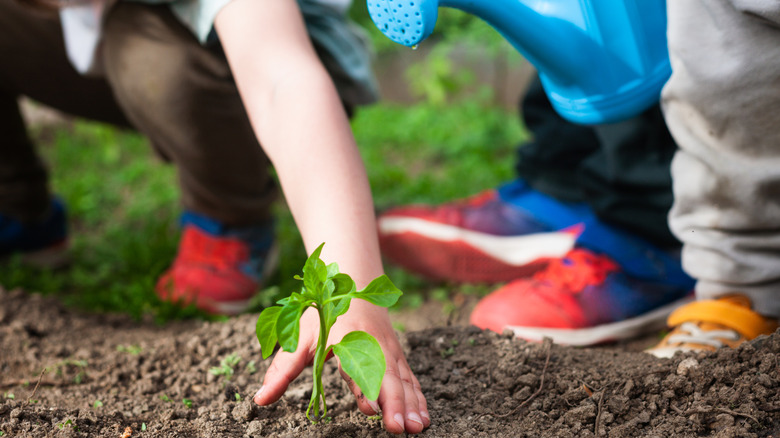
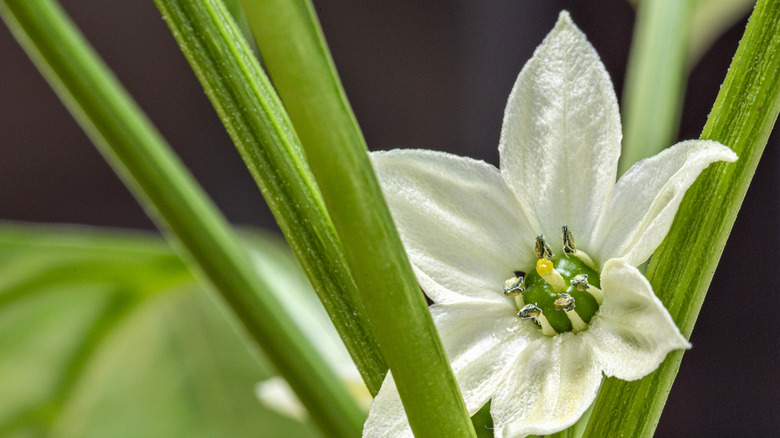
Pepper flowers are inherently self-pollinating, possessing both male and female reproductive parts. However, the transfer of pollen, crucial for fruit development, relies on external factors like wind or the activity of insects such as bees. For peppers grown indoors or in greenhouses, where natural air circulation and insect populations are limited, pollination can become a challenge. This can result in flowers dropping off without producing fruit. To overcome this, manual intervention is often necessary. Gently shaking the plant or tapping its stems can help to dislodge pollen. In larger greenhouse environments, introducing a fan to improve air circulation can mimic natural wind currents and encourage pollination. Even a slight disturbance is enough to get the pollen airborne and facilitate fertilization.
Providing Structural Support: Aiding Fruit Development
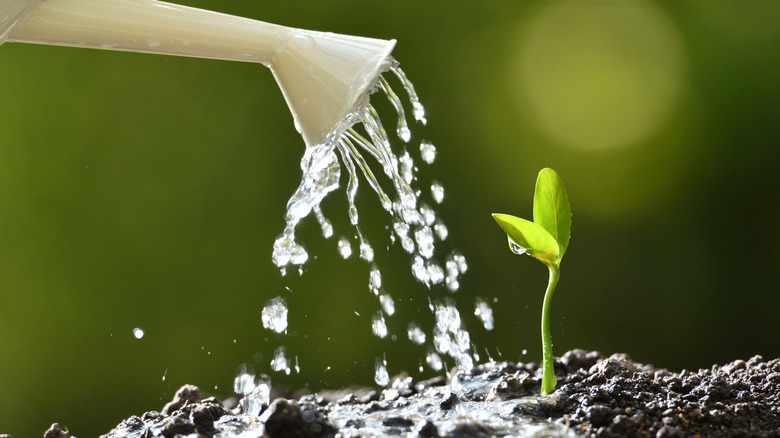
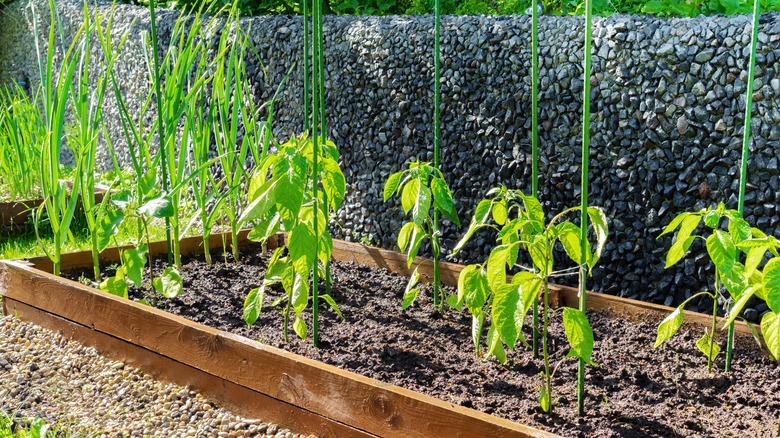
As pepper plants mature and their fruits develop, they can become significantly top-heavy. Without adequate support, the plant may perceive it lacks the structural capacity to support large fruits, potentially limiting its own growth potential. Furthermore, the weight of the fruit can cause branches to snap or make the plant more vulnerable to wind damage. Therefore, providing support with canes, stakes, or other structures is highly beneficial. However, it’s important not to support seedlings too early, as this can hinder the development of strong stems. The optimal time to introduce support is during transplanting to their final location, typically when they reach 6 to 12 inches in height. Once supported, the plant can dedicate more energy to fruit production, benefiting from improved circulation and light exposure without the stress of sagging or bending.
Proactive Disease and Pest Management: Vigilance is Key
Peppers are generally resilient to disease, but complacency can be detrimental. Many of the issues that affect pepper plants are similar to those of tomatoes and are often easily rectified if caught early. Regular inspection of plants for any signs of stress is crucial. Prevention is always more effective than cure. Ensuring good airflow around the plants helps leaves dry quickly, reducing the risk of fungal infections and mildew. Avoiding overwatering is critical in preventing root rot and maintaining a healthy humidity level. Crop rotation, planting peppers in different locations each season, is also important for preventing the buildup of soil-borne diseases.
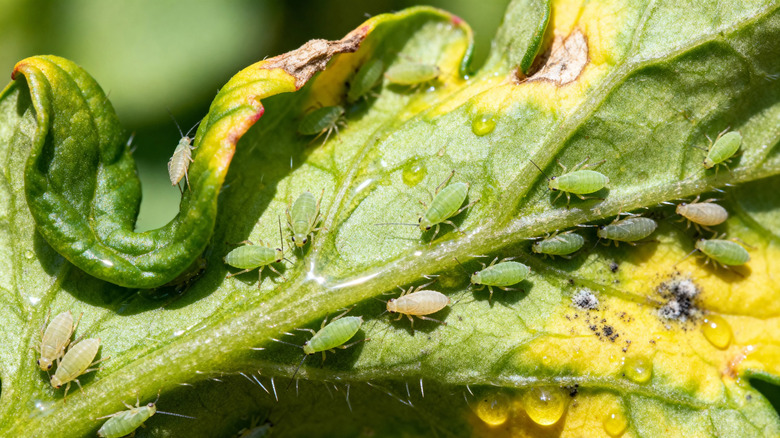
Daily checks for pests are equally vital. While some insects, like bees and ladybugs, are beneficial, others such as aphids, spider mites, whiteflies, and thrips can cause significant damage if left unchecked. Small infestations can often be managed by wiping pests off or blasting them with water. For larger populations, a solution of soapy water can be effective. Larger pests like slugs, snails, and caterpillars, often more active at night, can also be a problem. Physical barriers and manual removal are typically sufficient, as they tend to damage leaves rather than the fruit. Early detection of both diseases and pests is paramount for effective management.
Interpreting Leaf Color: Diagnosing Plant Stress
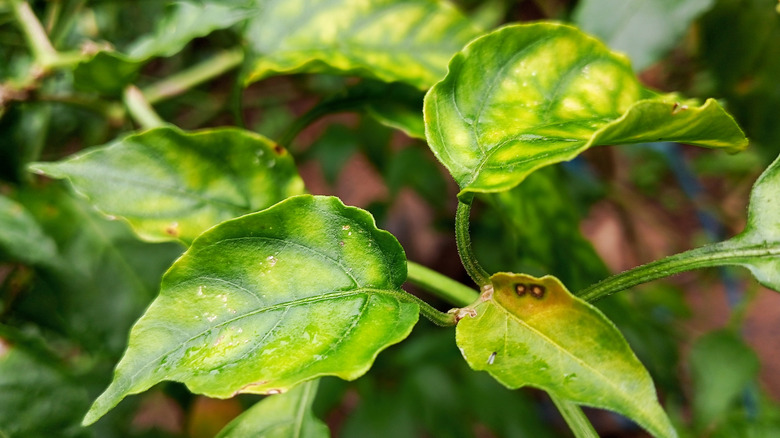
The color of a pepper plant’s leaves often serves as the first indicator of an underlying issue. However, not all yellowing leaves signal a problem. In large, healthy plants, older lower leaves may naturally shed if they are not receiving adequate sunlight. In such cases, simply removing these leaves is sufficient, provided the yellowing does not spread upwards. Widespread yellowing is more commonly indicative of a feeding issue. This could stem from overwatering, which suffocates the roots, underwatering, which starves the plant of nutrients, or a general lack of fertilizer leading to a nutrient deficiency. Consistency in watering and feeding practices is the first line of defense. Beyond nutrition and hydration, consider other potential stressors such as insufficient sunlight, temperature fluctuations, or pest infestations. Yellow leaves, while not always a sign of a severe problem, often point to stress that, if left unaddressed, can negatively impact the plant’s long-term health and productivity.
Harvesting Technique: Precision for Continued Production
When harvesting peppers, it is advisable to avoid pulling them directly from the branch. This method can lead to the snapping of branches, damage to the main stem, and create larger wounds that the plant must heal. Instead, using sharp, sterile pruning shears or scissors ensures a clean cut that minimizes damage to the plant. Sterilizing tools, even by simply wiping them with disinfectant or rinsing them in hot water, is crucial to prevent the introduction of diseases. Harvesting peppers as soon as they reach ripeness is also important. Overripe fruit can signal to the plant that its reproductive cycle is complete, potentially slowing down further production. Regular harvesting encourages the plant to continue producing fruit throughout the season. Peppers generally freeze well, allowing gardeners to enjoy their homegrown harvest throughout the winter months.
The Virtue of Patience: Trusting the Pepper’s Pace
Peppers are often lauded for their relative ease of cultivation, making them an excellent choice for novice gardeners. However, the most significant challenge growers face is often patience. Pepper plants can be slow to germinate, slow to grow, and may not yield a harvest until later in the growing season. This can lead gardeners to interfere unnecessarily or to assume they are doing something wrong, especially when comparing them to faster-growing plants like tomatoes. The temptation to overwater, overfeed, disturb seeds, or constantly relocate the plant can be strong. However, by adhering to the fundamental principles of consistent care, the right conditions, and established practices, gardeners will be rewarded with excellent peppers. Once the plant is established and the conditions are optimal, peppers will begin to emerge rapidly, and the gardener’s patience will be amply rewarded. In essence, with peppers, consistent care and a trust in the natural growth process are key to success.
