
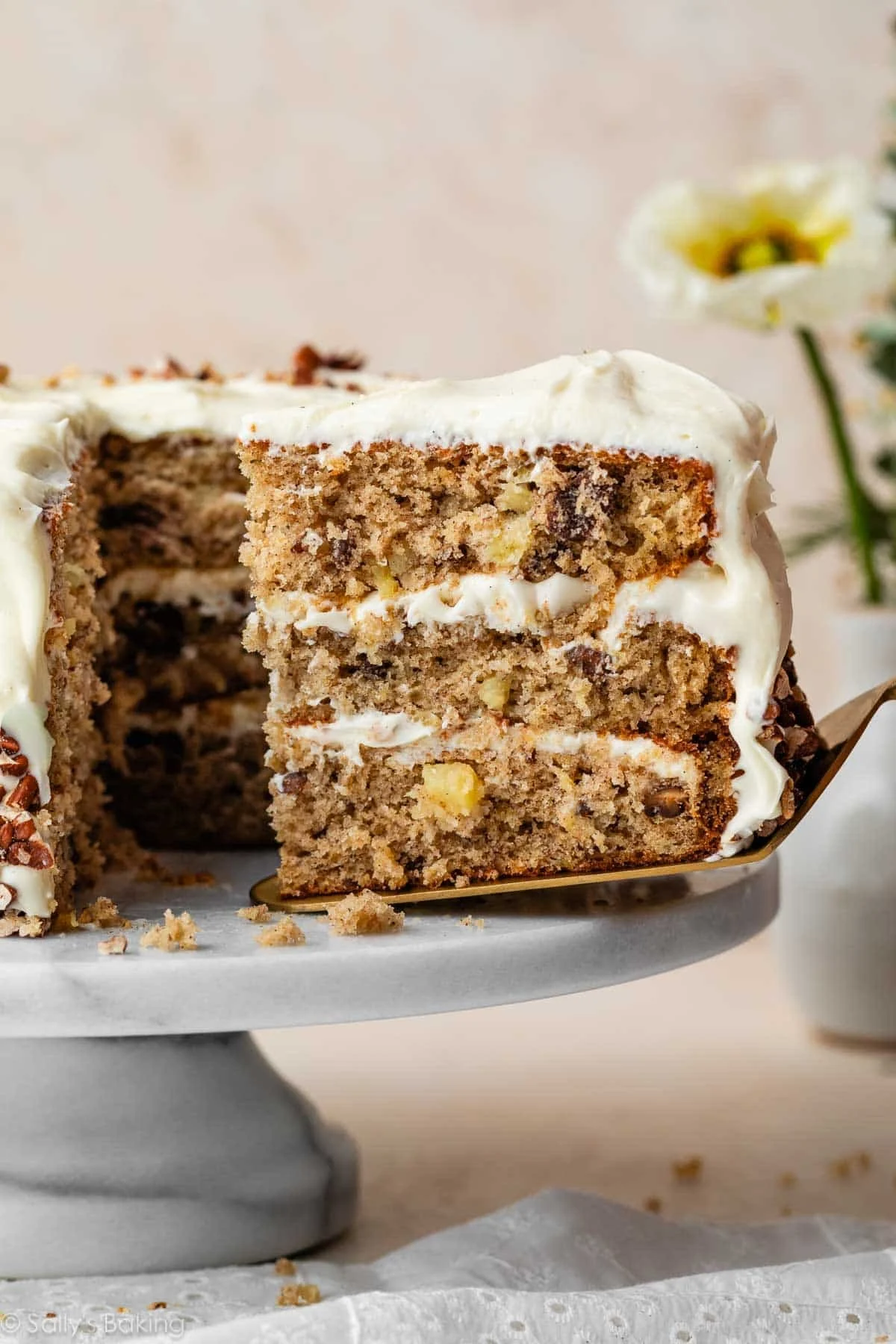
A culinary masterpiece that marries the vibrant flavors of the tropics with the comforting traditions of Southern baking, the Hummingbird Cake has long held a cherished place in American dessert culture. Renowned for its unparalleled moistness and a delightful symphony of ripe bananas, crushed pineapple, warm spices, and toasted pecans, all crowned with a tangy cream cheese frosting, this layer cake offers a unique experience that transcends typical sweet treats. Often described as a sophisticated cousin to carrot cake and banana bread, the Hummingbird Cake has cultivated a dedicated following, embodying the spirit of hospitality and culinary innovation.

The Allure of the Hummingbird Cake: A Symphony of Flavors and Textures
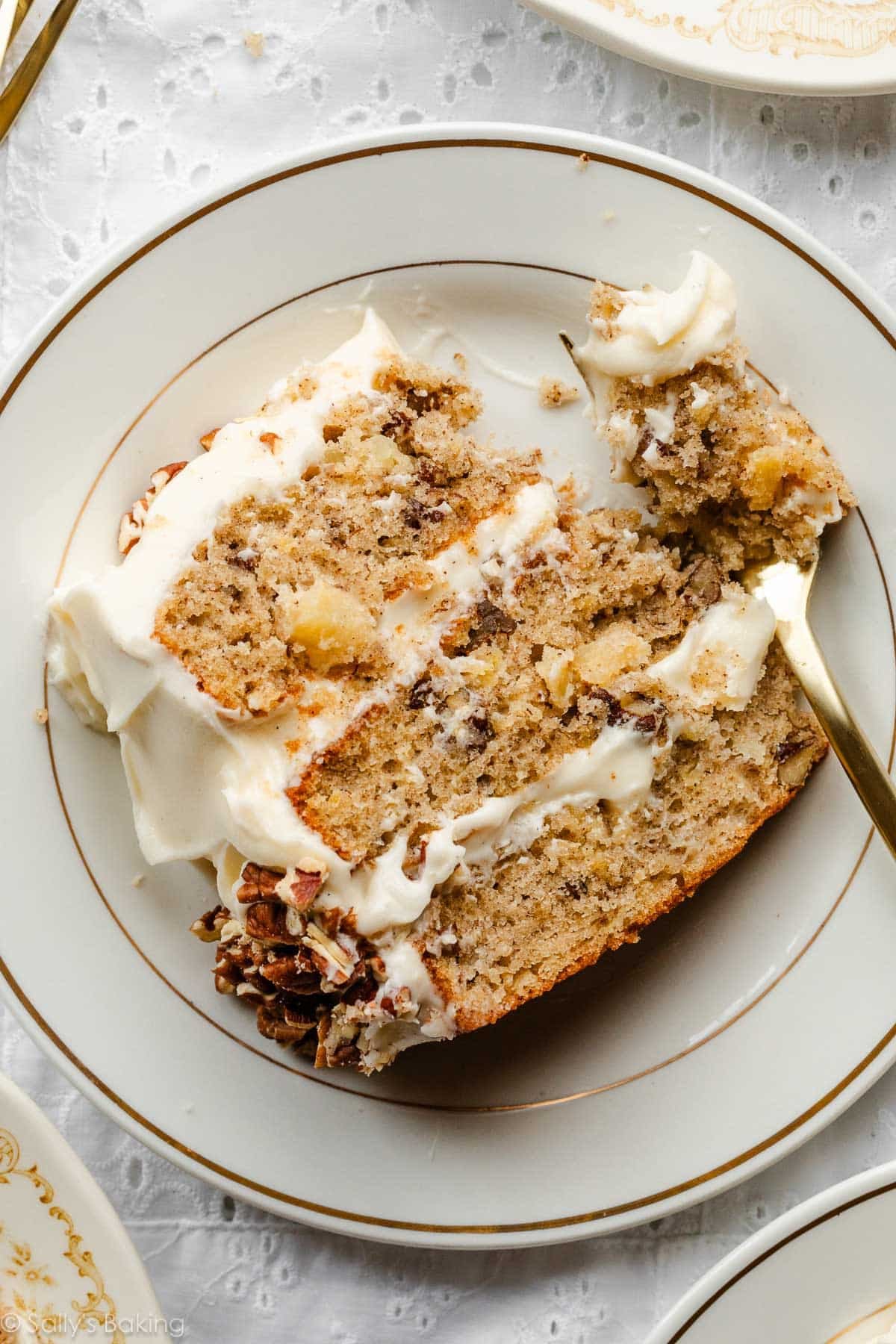
The distinctive appeal of Hummingbird Cake lies in its intricate yet harmonious flavor profile and its remarkably moist texture. Unlike many other cakes that rely heavily on butter for richness, this cake often utilizes oil, contributing to its exceptional tenderness and prolonged freshness. The inclusion of ripe bananas provides natural sweetness and a dense, tender crumb, while crushed pineapple introduces a bright, acidic counterpoint and additional moisture, preventing the cake from becoming overly heavy. The subtle warmth of spices, typically cinnamon and allspice, weaves through the fruit notes, adding depth and a comforting aroma that evokes classic Southern baking. Finally, the toasted pecans are not merely an addition but an integral component, offering a crucial textural contrast and a nutty earthiness that grounds the tropical sweetness.
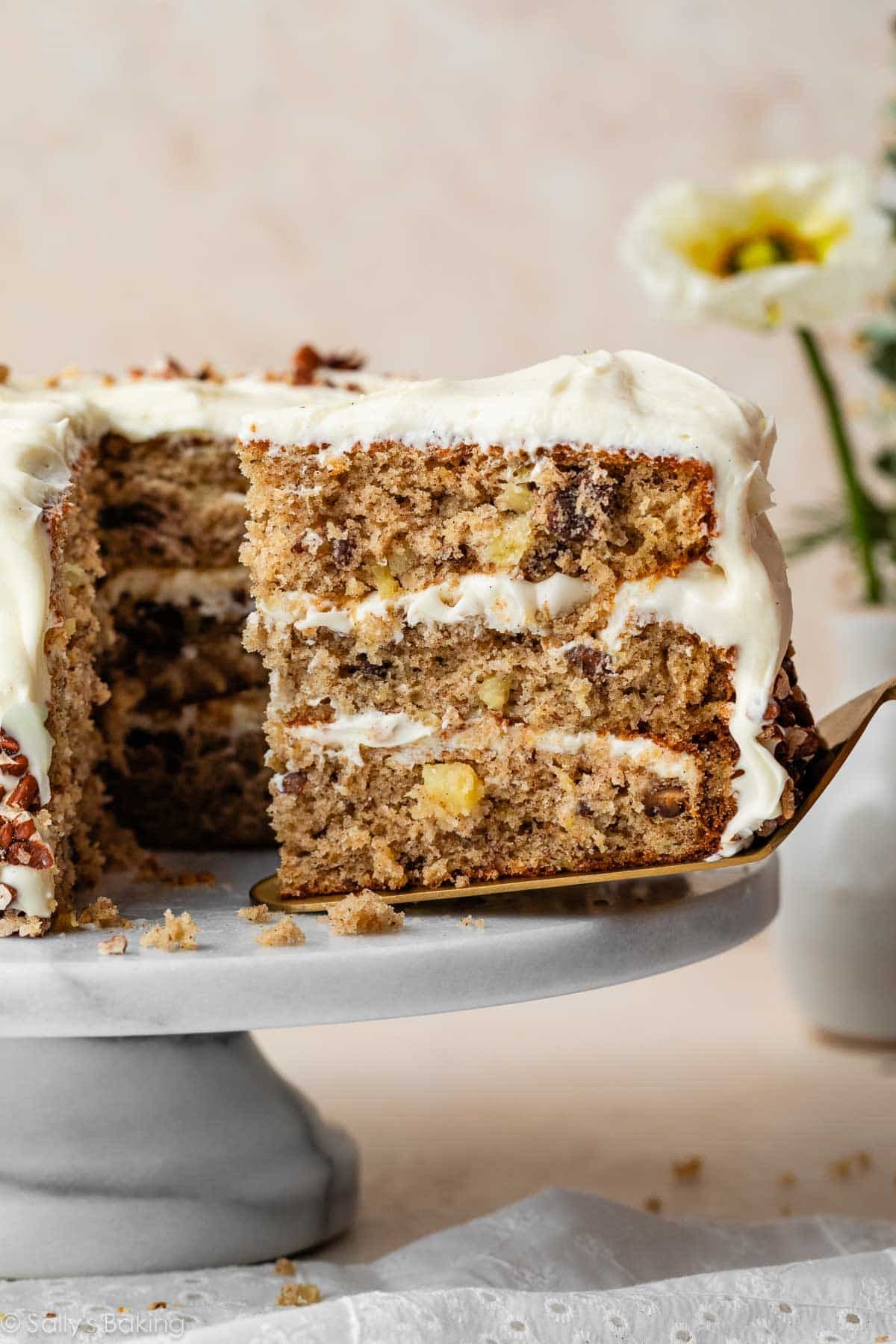
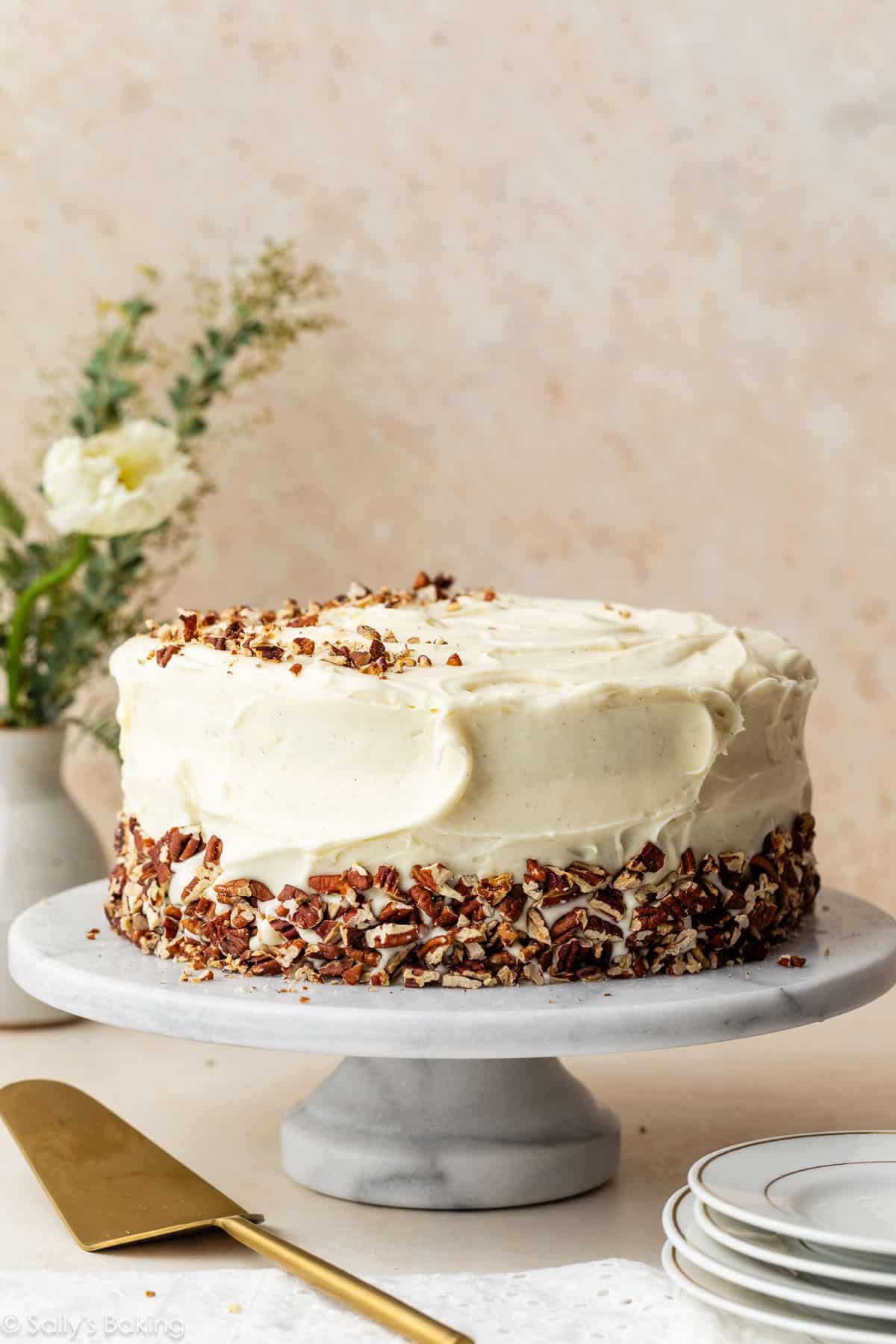
The cake’s signature topping, a rich and tangy cream cheese frosting, serves as the perfect foil to the sweet, spiced layers. Its creamy texture and characteristic slight tartness cut through the cake’s richness, balancing the overall sensory experience. This combination ensures that each bite is complex and satisfying, making it a memorable dessert for any occasion. The visual presentation, often a tall, elegant three-layer creation, further enhances its celebratory appeal, making it a popular choice for special gatherings, holidays, and family events.
Tracing its Origins: From "Doctor Bird" to Southern Icon
The history of the Hummingbird Cake is as rich and layered as the dessert itself, tracing a fascinating journey from its likely Caribbean roots to its widespread adoption in the American South. Culinary historians generally agree that the cake’s precursor originated in Jamaica, where it was known as "Doctor Bird Cake." The "doctor bird" is the local name for the Red-billed Streamertail, Jamaica’s national bird, a type of hummingbird. The cake, brimming with tropical fruits like banana and pineapple, reflected the island’s abundant produce and culinary traditions. It is believed to have been a staple for celebrations and gatherings, much like its modern iteration.
The precise timeline of its migration to the United States remains somewhat anecdotal, but it is widely accepted that the recipe made its way to the Southern states, likely carried by travelers or through cultural exchanges. Its formal introduction to a broader American audience, however, is unequivocally linked to Southern Living magazine. In 1978, the magazine published a recipe for Hummingbird Cake, and it quickly became an unprecedented sensation. Within months, it garnered more reader requests than any other recipe in the magazine’s history, solidifying its status as a quintessential Southern dessert. This surge in popularity transformed a regional curiosity into a national phenomenon, cementing its place in the American culinary lexicon. The name "Hummingbird Cake" itself is often theorized to come from its sweetness, so irresistible that it makes people "hum" with delight, or perhaps because it disappears as quickly as a hummingbird’s wings beat.
The Recipe’s Evolution and Enduring Popularity
While the core essence of Hummingbird Cake has remained consistent, recipes have naturally evolved over time, reflecting changing tastes and culinary advancements. A notable example of this evolution can be seen in various published versions of the recipe, which are periodically updated to refine ingredients and techniques for optimal results. For instance, a recipe originally published in 2017 underwent significant revisions to enhance its consistency and appeal.
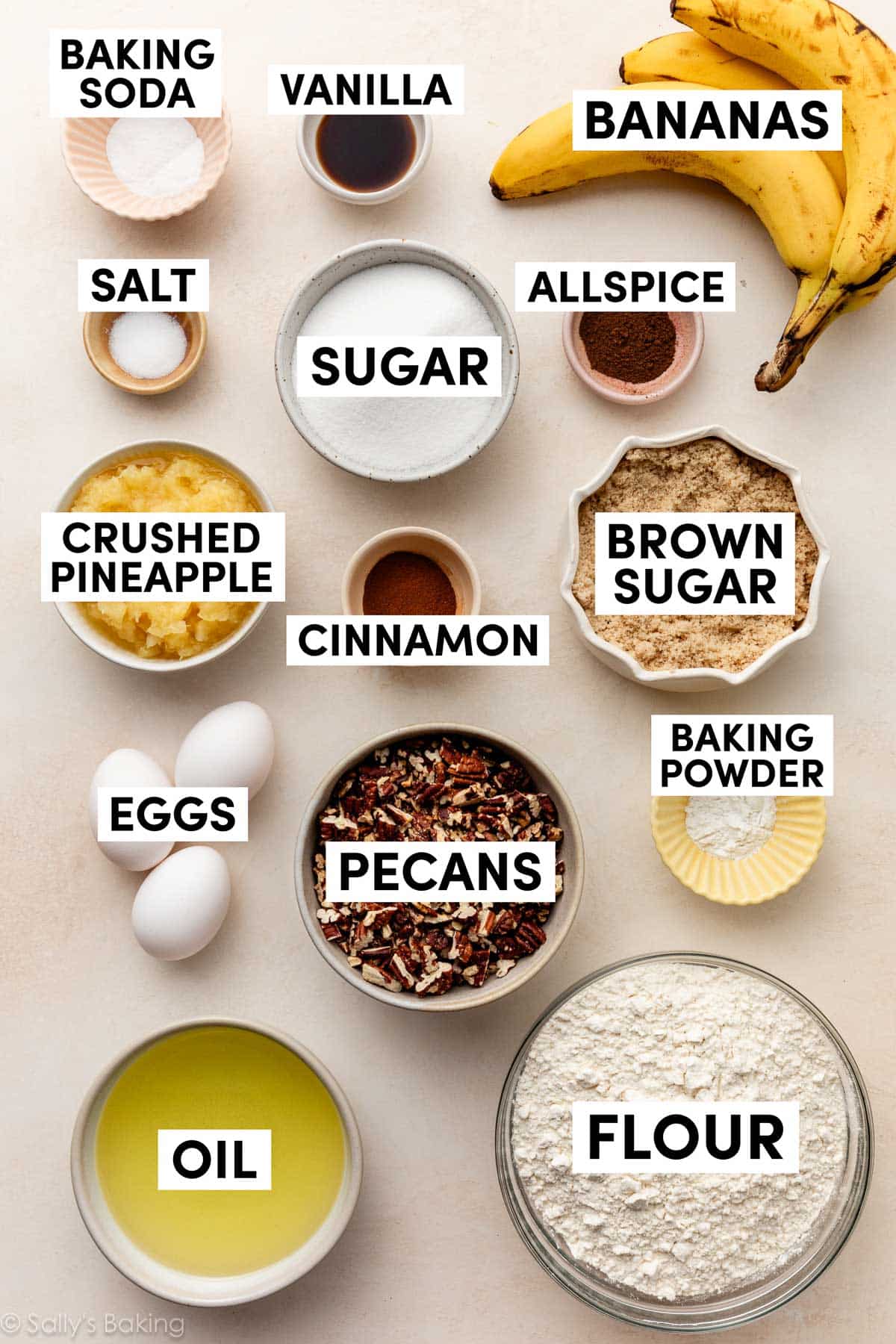
Key modifications included a slight reduction in the amount of oil and banana, aiming for a more balanced moisture content and less dense texture. To compensate and improve the cake’s rise, an increase in leavening agents was incorporated. The addition of more vanilla extract served to amplify the cake’s aromatic complexity, while a careful adjustment to the overall sugar content, specifically by introducing brown sugar, deepened the caramel notes and contributed further to its moistness. The inclusion of allspice alongside traditional cinnamon was another strategic enhancement, providing a richer, more nuanced spice profile that complements the tropical fruits beautifully. These iterative improvements underscore a continuous effort within the culinary community to perfect classic recipes, ensuring they remain relevant and consistently delightful for new generations of bakers.
The enduring popularity of Hummingbird Cake is not merely a testament to its deliciousness but also to its adaptability and the emotional connection it fosters. Reader testimonials frequently praise its "delicious" flavor and "easy to follow" preparation, highlighting its accessibility even for novice bakers. Its reputation for being a crowd-pleaser makes it a go-to for spring gatherings, Easter celebrations, and other special occasions, symbolizing warmth and celebratory spirit. Furthermore, the cake’s ability to improve over time, with flavors melding and deepening after a few hours or even a day, makes it an ideal dessert for advance preparation, a practical benefit often lauded by hosts and hostesses.
Key Ingredients and Culinary Science
Understanding the role of each key ingredient provides insight into the Hummingbird Cake’s unique structure and flavor.
- Ripe Bananas: Crucial for both moisture and natural sweetness, ripe bananas also contribute to the cake’s dense yet tender crumb. Their high sugar content caramelizes slightly during baking, adding depth.
- Crushed Pineapple: Beyond providing a burst of tangy, tropical flavor, pineapple introduces significant moisture. The acidity of the pineapple also plays a role in activating the baking soda, contributing to the cake’s rise and tender texture.
- Vegetable Oil: Unlike butter-based cakes that can become dry, oil-based cakes like the Hummingbird Cake retain moisture exceptionally well, contributing to its signature "unbelievably moist" characteristic. Oil also helps create a finer, more tender crumb.
- Pecans: Toasted pecans are essential for adding a delightful crunch and a nutty, earthy flavor that beautifully contrasts with the sweetness of the fruit and spices. They are typically folded into the batter and often used as a garnish.
- Warm Spices (Cinnamon, Allspice): These spices are critical for imparting the cake’s comforting, aromatic quality. Cinnamon provides a classic sweetness and warmth, while allspice, with its complex notes of clove, nutmeg, and cinnamon, adds a sophisticated depth.
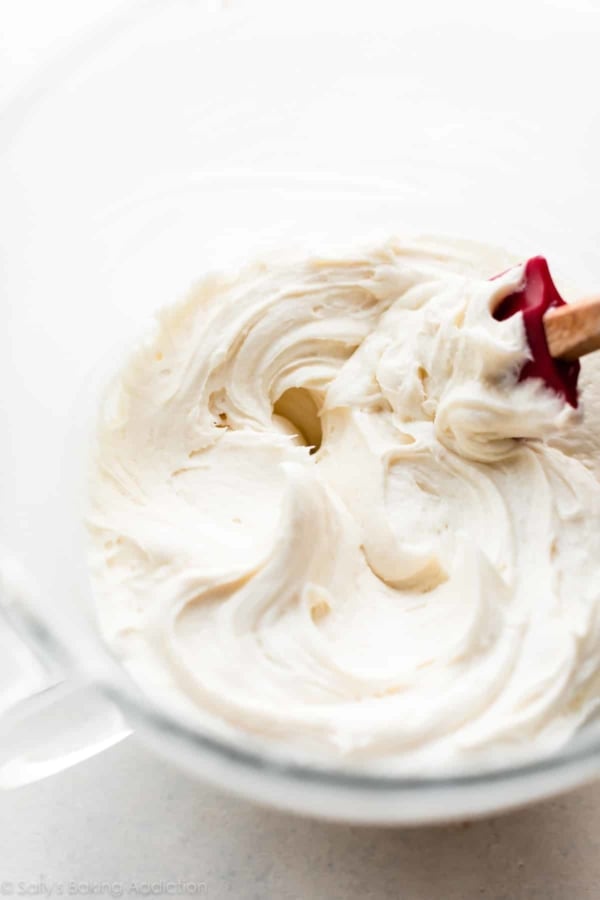
- Cream Cheese Frosting: This iconic frosting is made from full-fat brick-style cream cheese, unsalted butter, confectioners’ sugar, and vanilla extract. The cream cheese provides a signature tangy counterpoint to the sweet cake, while the butter and sugar create a rich, smooth, and spreadable consistency. A pinch of salt enhances all the flavors. Achieving the perfect frosting consistency sometimes benefits from a brief chill, especially if it appears too thin, ensuring it holds its shape beautifully when spread between layers and over the cake’s exterior.
Simplicity Meets Sophistication: The Preparation Process
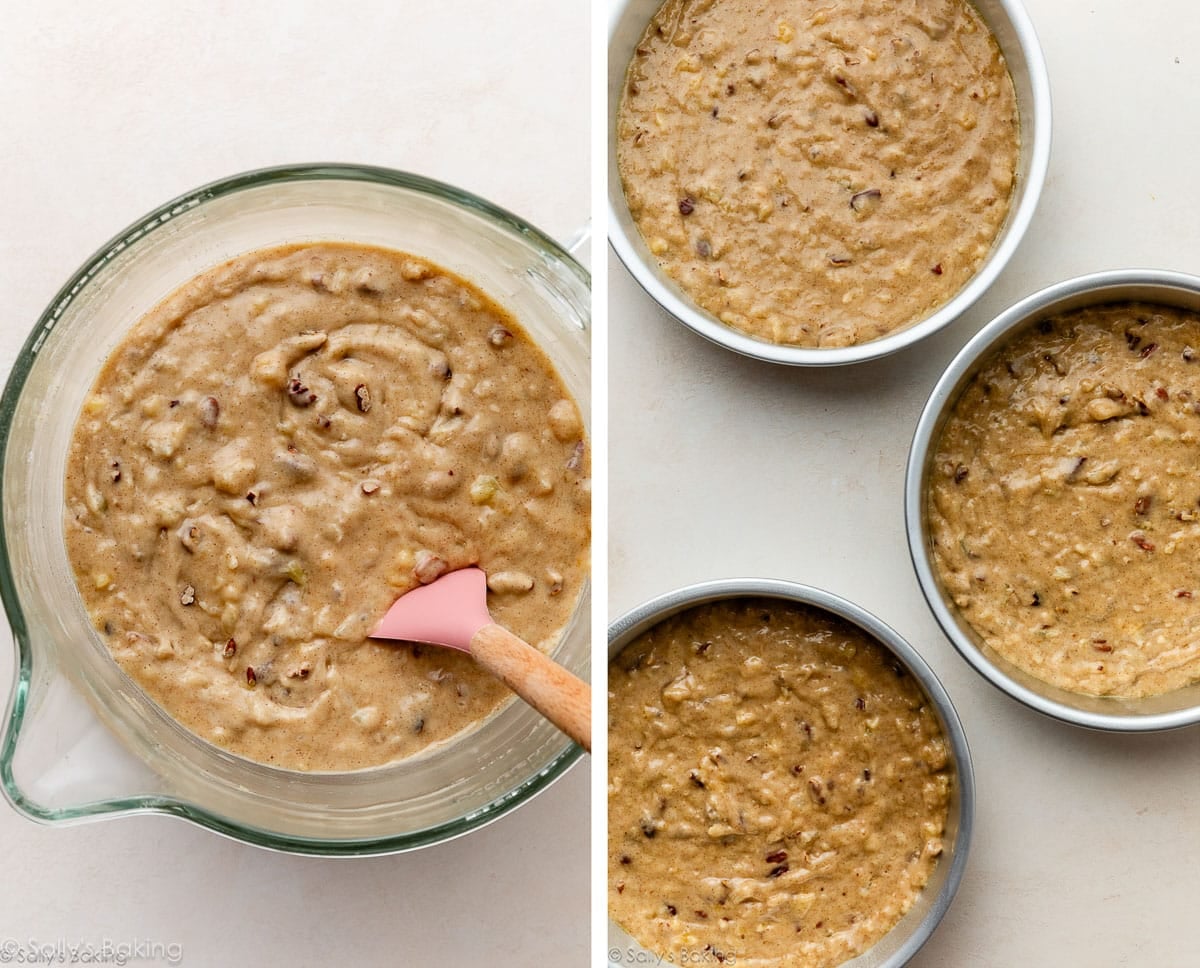
Despite its impressive appearance and complex flavor profile, the Hummingbird Cake is remarkably accessible to home bakers. Many recipes emphasize a "no mixer required" approach for the cake batter itself, simplifying the process and making it less intimidating. The method typically involves whisking dry ingredients (flour, sugars, leavening, spices, salt) in one bowl and wet ingredients (oil, mashed bananas, crushed pineapple, eggs, vanilla) in another. These are then combined gently, often with the final addition of pecans, ensuring the batter remains light and aerated.
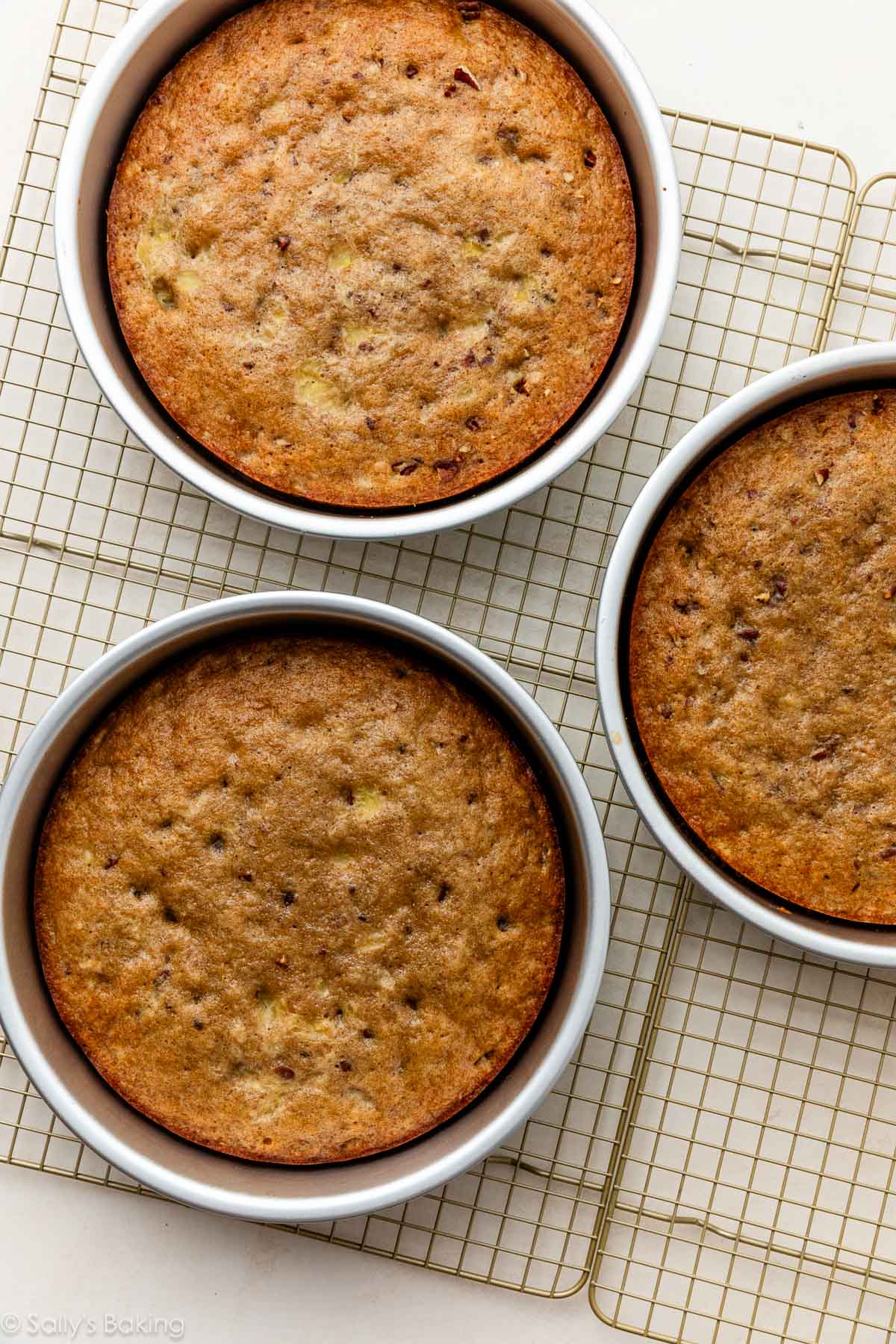
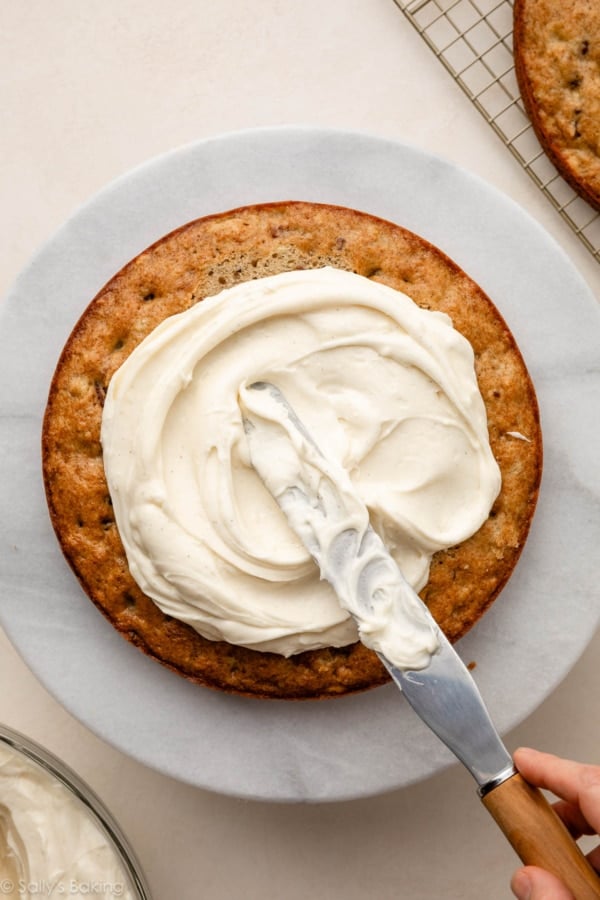
For ideal results, the cake batter is usually divided between two or three 8-inch round cake pans, which yield thick, lofty layers. While 9-inch pans can be used, bakers should anticipate thinner layers. After baking, the cakes require complete cooling before frosting to prevent the cream cheese frosting from melting. The application of cream cheese frosting is typically straightforward; its naturally soft and creamy texture allows it to glide onto the cake effortlessly, often negating the need for an initial crumb coat. Specialized tools like a large flat icing spatula aid in achieving a smooth, even finish. One of the most celebrated qualities of the Hummingbird Cake is that its flavors are known to "settle, mingle, and marry" over time, meaning the cake often tastes even better a few hours after assembly, or even the next day. This makes it an excellent candidate for make-ahead preparation, further adding to its convenience and appeal for entertainers.
Broader Culinary Impact and Cultural Significance
The Hummingbird Cake transcends its role as a mere dessert; it has become a symbol of Southern hospitality, comfort, and the ability of regional cuisine to embrace global influences. Its blend of tropical fruits with traditional cake elements speaks to a broader trend in American culinary arts—the fusion of diverse flavors to create something new yet comforting. It stands alongside other iconic Southern desserts like pecan pie and peach cobbler, not just as a sweet treat, but as a narrative of cultural exchange and culinary evolution.
Its consistent presence on dessert menus across the South and beyond, from casual family dinners to elaborate wedding receptions, underscores its universal appeal. The cake’s success also highlights the significant influence of food media, particularly publications like Southern Living, in shaping and popularizing regional culinary traditions nationwide. As a dish that continues to garner rave reviews and inspire new variations—such as Hummingbird Bundt cakes or cupcakes—the Hummingbird Cake remains a vibrant and cherished part of the American dessert landscape, promising a delightful taste of history and innovation with every slice.
