
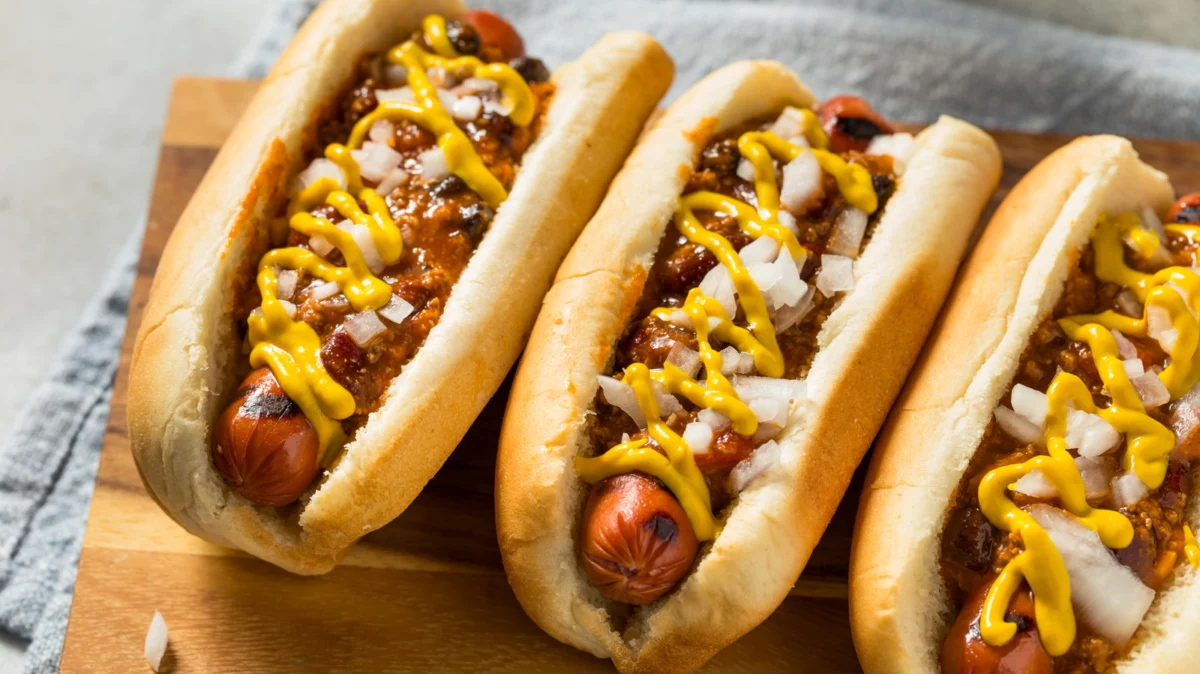
The iconic Coney Island chili dog, a culinary staple synonymous with boardwalk nostalgia and the vibrant energy of summer days, has long been shrouded in a veil of culinary mystery. While its roots are firmly planted in the bustling streets of Coney Island, New York, its influence has spread far and wide, with cities like Detroit, Michigan, now fiercely proud of their own distinct versions. This beloved street food, a simple yet deeply satisfying combination of a hot dog nestled in a bun and smothered in a rich, savory chili, owes much of its enduring appeal to its signature chili sauce. Yet, the precise concoction of this flavorful topping has remained a closely guarded secret by generations of vendors and restaurateurs. However, recent culinary detective work by home cooks and food enthusiasts online suggests a simple, yet potentially game-changing, ingredient may hold the key to unlocking that authentic boardwalk flavor: crushed crackers.
The quest to replicate the perfect Coney Island chili dog has taken many forms. For years, food bloggers and home chefs have engaged in a form of culinary archaeology, poring over ingredient lists from commercially available chili products and sharing their findings on platforms like Reddit. These amateur investigations have led to a fascinating discovery: the inclusion of crushed soda crackers in the chili base. While never officially confirmed by the legendary establishments that have perfected the art of the Coney Island chili dog, this revelation offers a compelling explanation for the unique texture and subtle flavor profile that sets this chili apart. One particular recipe circulating on Reddit, while acknowledging its experimental nature, claims to have successfully emulated the taste and texture of authentic Coney Island chili by incorporating oyster crackers, a variety of cracker known for its mild, slightly salty flavor and ability to absorb liquids.
The process of creating Coney Island chili often begins with a base of ground beef. Many traditional recipes eschew water in favor of creating a slurry with ground beef and water. This technique is crucial for developing the fine-grained texture that is characteristic of authentic Coney Island chili. Once the beef is cooked and drained, the rendered fat is often used to create a roux, a thickening agent made by cooking flour and fat together. In the case of cracker-enhanced chili, it is at this stage that the crushed crackers are introduced. The crackers, when cooked into the roux, not only contribute to the chili’s thickness but also impart a subtle, almost imperceptible flavor that complements the savory notes of the beef and spices. The remaining ingredients, including a carefully selected blend of seasonings, are then added, and the chili is simmered to perfection, allowing the flavors to meld and the sauce to achieve a smooth, rich consistency. This method results in a chili that is not merely thick but possesses a desirable cling, ensuring it adheres perfectly to the hot dog without becoming overly watery or dense.
The Art of Chili Thickness: Beyond the Cracker
The challenge of achieving the ideal chili consistency for a chili dog has long been a point of discussion among home cooks. Many find their homemade chili to be too thin, lacking the satisfying texture that characterizes the best Coney Island offerings. The cracker-based approach offers one solution, but it is not the only method employed. Some renowned chili dog establishments, when sharing their recipes, omit crackers altogether. In these instances, the desired thickness is achieved through a process of reduction. This involves simmering the chili for an extended period, allowing excess liquid to evaporate and the flavors to concentrate. This natural reduction process is aided by the beefy, fatty emulsion created during the initial cooking stages, particularly when a cold-water slurry is used to initiate the cooking of the ground beef.
For those who prefer to avoid crackers or wish to explore alternative thickening methods, patience and the right tools can be invaluable. Utilizing a potato masher during the simmering process can help to break down the fat and collagen from the beef, further contributing to a smoother, thicker chili. This mechanical action encourages the emulsification of the rendered fats and liquids, leading to a more cohesive sauce.
Classic Toppings and Creative Variations
The traditional Coney Island chili dog experience is often enhanced by a simple yet effective trio of toppings: a generous spoonful of the signature chili, a scattering of finely diced white onion, and a squiggle of yellow mustard. This classic combination offers a delightful interplay of textures and flavors – the savory depth of the chili, the sharp bite of the onion, and the tangy zest of the mustard.
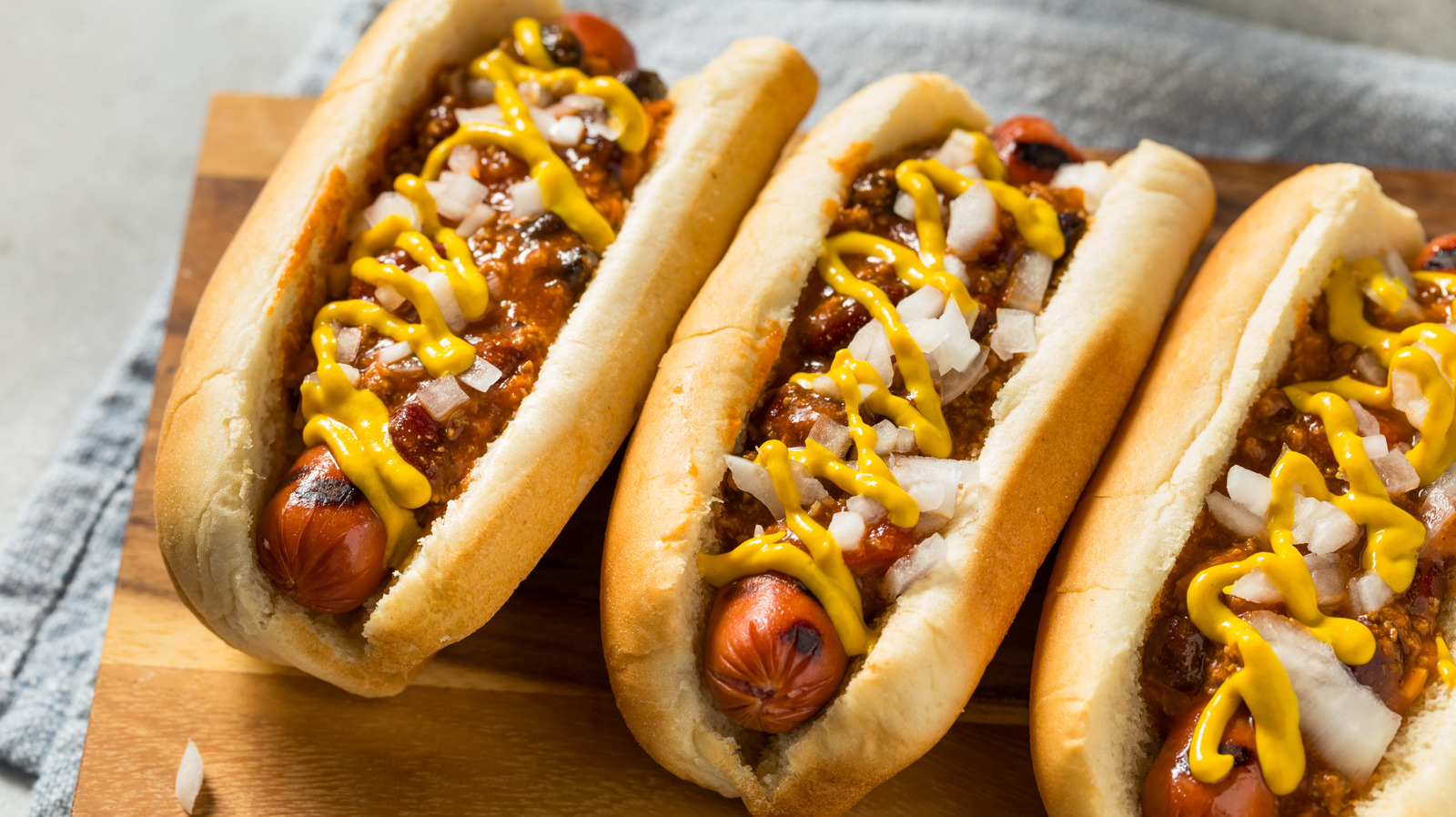
However, the versatility of the Coney Island chili dog extends far beyond its traditional presentation. One of the most popular and indulgent upgrades is the chili cheese dog. Here, the chili is complemented by a generous helping of shredded cheddar cheese, which melts into a gooey, delicious layer. For those seeking a more sophisticated cheesy experience, a spicy queso sauce can provide a creamy, flavorful counterpoint that perfectly matches the chili’s texture.
The canvas of a Coney Island chili dog is ripe for culinary creativity, allowing for a wide array of flavor combinations. For an added layer of crunch and an explosion of salty, cheesy flavor, a topping of Fritos corn chips is a beloved choice. This simple addition transforms the chili dog into a textural masterpiece. Another inspired variation is the BBQ Chili Dog, which incorporates barbecue sauce for a smoky, sweet, and tangy profile, often elevated by the addition of crispy fried onions for extra crunch.
For those looking to create a more substantial meal, the chili dog can be reimagined as a Chili Mac Dog, where a hearty serving of macaroni and cheese replaces the bun, creating a decadent fusion of comfort foods. Furthermore, by adding a dollop of creamy coleslaw, the Coney Island chili dog can be transformed into a dish reminiscent of a classic North Carolina-style chili dog, offering a refreshing contrast to the richness of the chili. Ultimately, the beauty of the Coney Island chili dog lies in its adaptability; almost any topping that can enhance a hot dog can be employed to elevate this beloved street food to new heights of deliciousness.
The Enduring Legacy of the Coney Island Chili Dog
The journey of the Coney Island chili dog from its New York origins to its widespread embrace across America is a testament to the power of simple, flavorful food to capture the public imagination. The story often begins with Greek immigrants who, upon arriving in the United States, were captivated by the American hot dog. They not only adopted the food but also began to innovate, infusing it with their own culinary traditions and flavors. As they migrated westward, they brought their recipes and their passion for this evolving dish, leading to the distinct regional variations that exist today.
The early 20th century saw the proliferation of these chili dog stands and restaurants, particularly in industrial cities like Detroit, where they provided an affordable and satisfying meal for working-class populations. The inherent portability and deliciousness of the chili dog made it an ideal fast food, perfectly suited for quick lunches and late-night cravings. Over time, the recipes became localized, with each establishment striving to create a chili that was both unique and comforting. This competition and dedication to craft have solidified the Coney Island chili dog’s status as a culinary icon.
The economic implications of the Coney Island chili dog are also noteworthy. For many small businesses, chili dog stands have served as a viable entrepreneurial venture, requiring relatively modest startup costs compared to full-service restaurants. The enduring popularity of the dish ensures a consistent customer base, and the potential for creative variations allows businesses to adapt to changing consumer tastes and trends. Furthermore, the cultural significance of the chili dog has fostered a sense of community and shared experience, with many people recalling fond memories of enjoying chili dogs at local diners, sporting events, and family gatherings.
The ongoing discussion and experimentation surrounding the "secret ingredient" of Coney Island chili underscore a broader trend in modern food culture: the democratization of culinary knowledge. The internet and social media platforms have empowered home cooks and food enthusiasts to share their discoveries, challenge established notions, and contribute to the collective understanding of beloved dishes. This collaborative approach to recipe development not only enriches the culinary landscape but also makes iconic foods more accessible to a wider audience. The humble Coney Island chili dog, with its simple ingredients and profound flavor, continues to be a source of culinary fascination, proving that sometimes, the most delicious secrets are hiding in plain sight, perhaps even within the pantry.
