
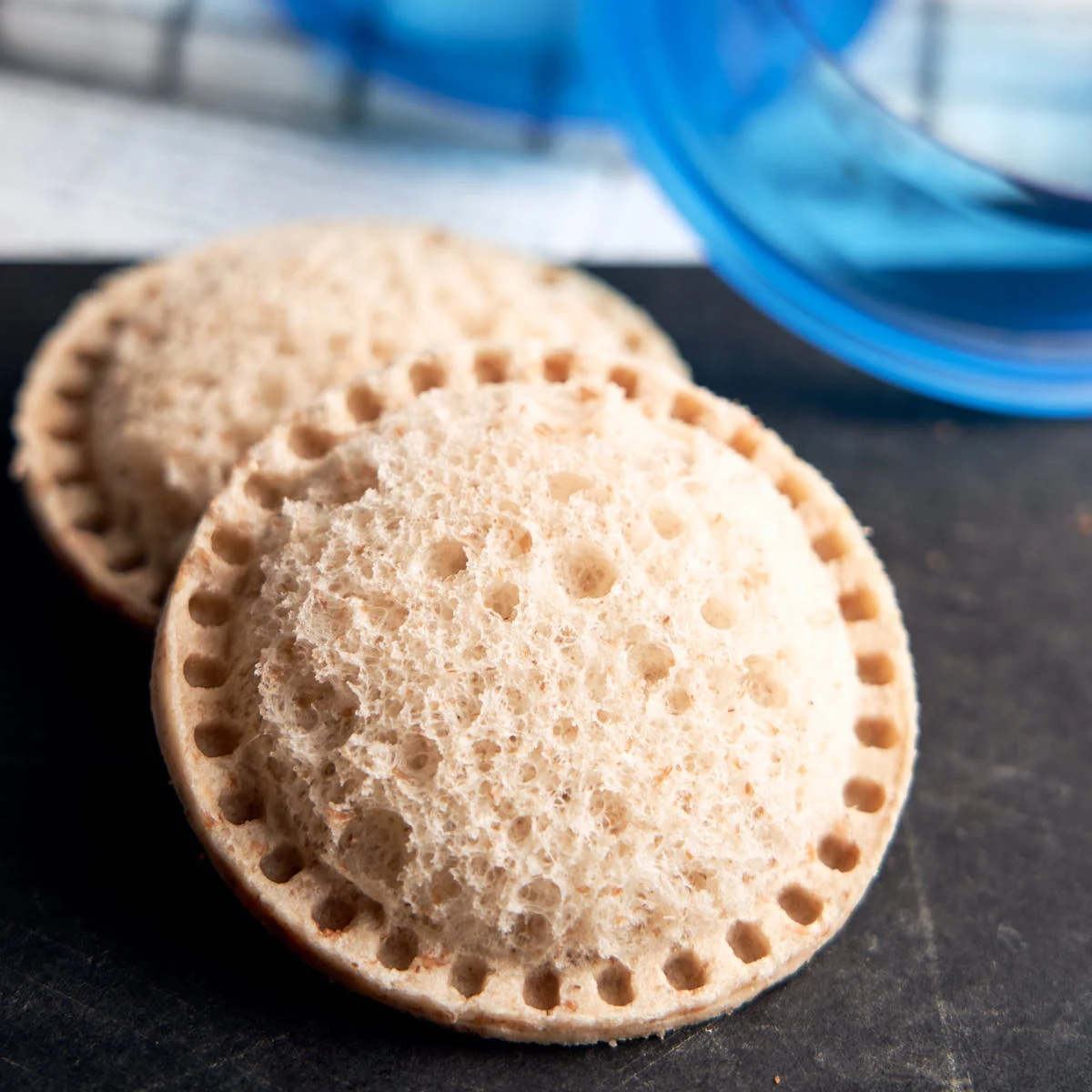
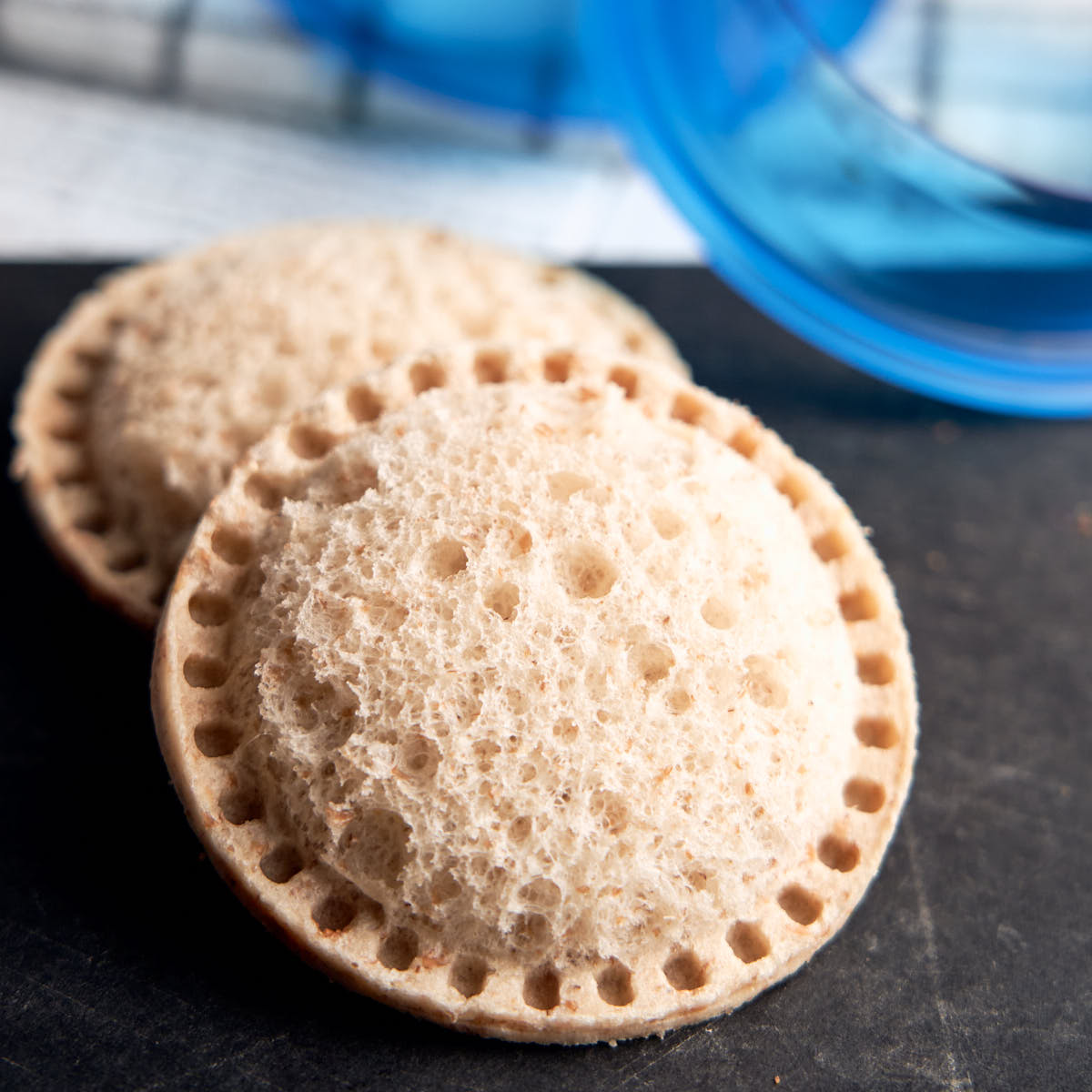
The beloved peanut butter and honey sandwich, a staple in lunchboxes and snack bags for generations, has been reimagined with a do-it-yourself approach, offering a healthier, more cost-effective, and environmentally conscious alternative to its commercially produced counterpart. This trend, championed by home cooks and parents seeking greater control over ingredients and packaging, centers around the creation of "Uncrustables" – pre-sealed, crustless sandwiches that have gained significant popularity.
The appeal of homemade Uncrustables lies in their simplicity and the ability to customize their contents. Unlike many store-bought versions, which can contain added sugars in both the peanut butter and the "honey spread," homemade recipes allow for the selection of natural peanut butter with no added sugar and pure honey. This not only contributes to a healthier nutritional profile but also significantly reduces the overall cost of preparation. Furthermore, the environmental impact is notably lessened by avoiding the single-use plastic packaging that typically encases commercially produced Uncrustables.
The Rise of Homemade Sandwich Solutions
The movement towards homemade versions of popular pre-packaged foods is not a new phenomenon, but it has seen a resurgence in recent years, driven by increased awareness of ingredient quality, rising inflation, and a desire for more sustainable consumption habits. Families are increasingly looking for ways to replicate the convenience of store-bought items while maintaining healthier eating standards and reducing their environmental footprint.
The peanut butter and honey sandwich, in its Uncrustable form, represents a prime example of this trend. The original concept, pioneered by Smucker’s, tapped into a market need for convenient, kid-friendly snacks. However, the inherent limitations of mass-produced food products – often characterized by preservatives, artificial ingredients, and excessive packaging – have spurred innovation in home kitchens.
Healthier Ingredients, Happier Families
A key differentiator of homemade Uncrustables is the ingredient control. Store-bought peanut butter often contains added sugars and hydrogenated oils to improve texture and shelf life. Similarly, the "honey spread" in many commercial versions is primarily composed of sugar, with honey as a secondary ingredient. By contrast, homemade recipes can utilize natural peanut butter, which contains only peanuts or peanuts and salt, and 100% pure honey.
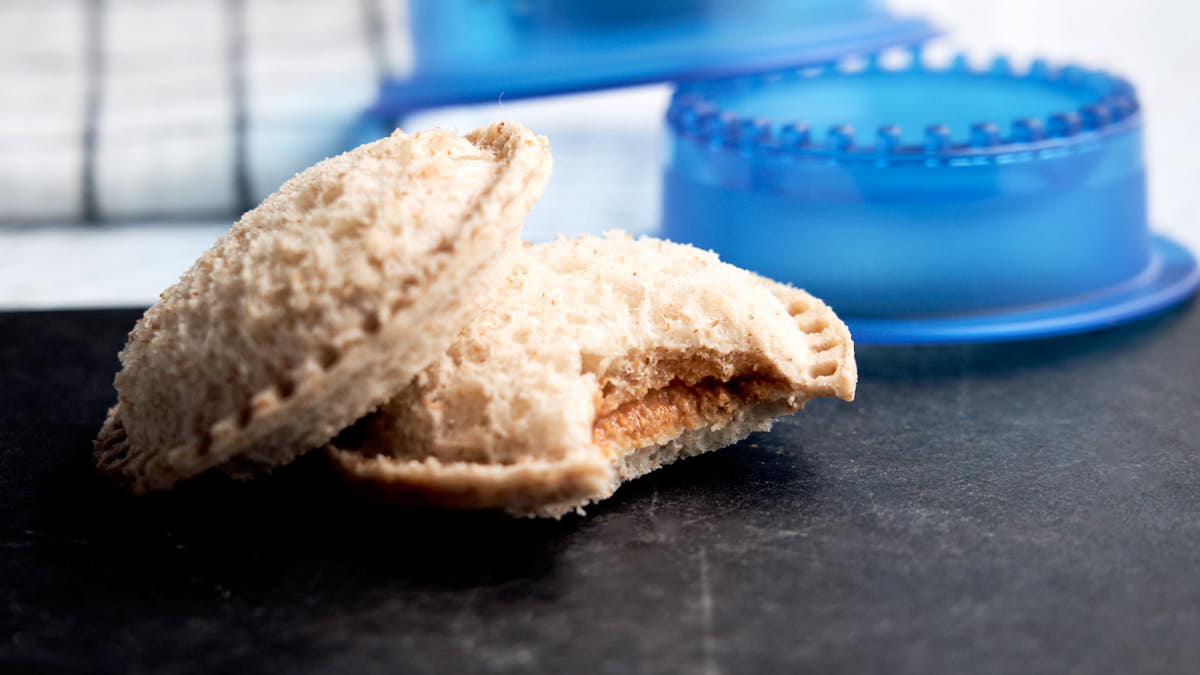
For instance, a typical store-bought Uncrustable might list sugar as the first ingredient in its honey spread. A homemade version, however, can use pure honey, which offers natural sweetness and beneficial properties without the added processed sugars. This conscious choice in ingredients can lead to a reduction in sugar intake, particularly for children, contributing to better long-term health outcomes and potentially mitigating risks associated with excessive sugar consumption, such as childhood obesity and dental issues.
The cost savings associated with homemade Uncrustables are also substantial. While the initial purchase of a sandwich cutter and sealer might represent an investment, the per-sandwich cost plummets when using bulk ingredients like bread, peanut butter, and honey. Estimates suggest that homemade Uncrustables can be made for a fraction of the price of their pre-packaged counterparts, offering significant financial relief for families, especially in times of economic uncertainty.
Environmental Benefits: Reducing Plastic Waste
The environmental implications of single-use plastics are a growing concern globally. The individually wrapped nature of commercial Uncrustables contributes to a significant amount of plastic waste. Homemade versions, on the other hand, can be prepared in batches and stored in reusable containers or wrapped in beeswax wraps, dramatically reducing the amount of plastic discarded. This aligns with a broader consumer movement towards zero-waste living and conscious consumption.
The Uncrustable Maker: A Kitchen Essential
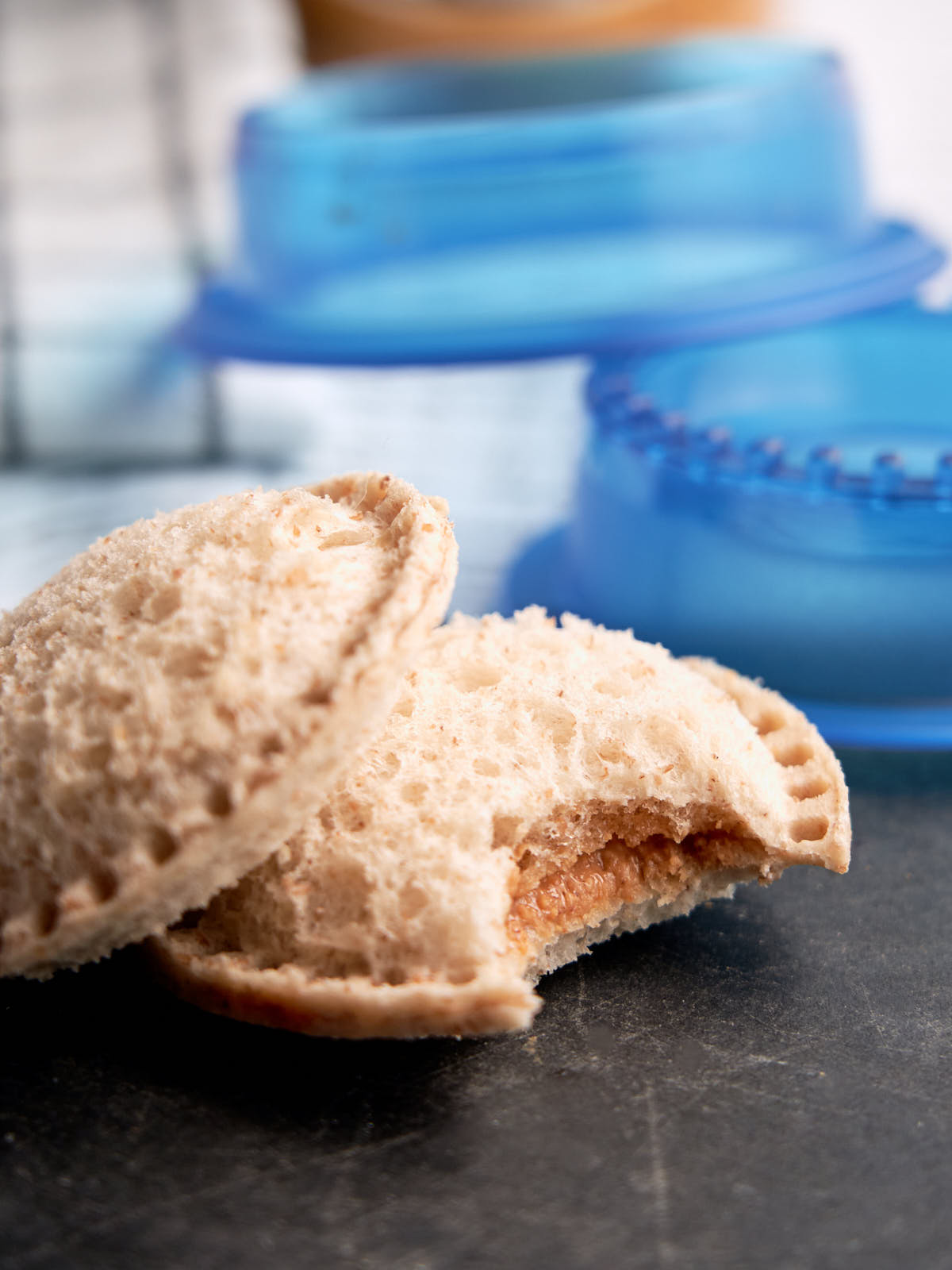
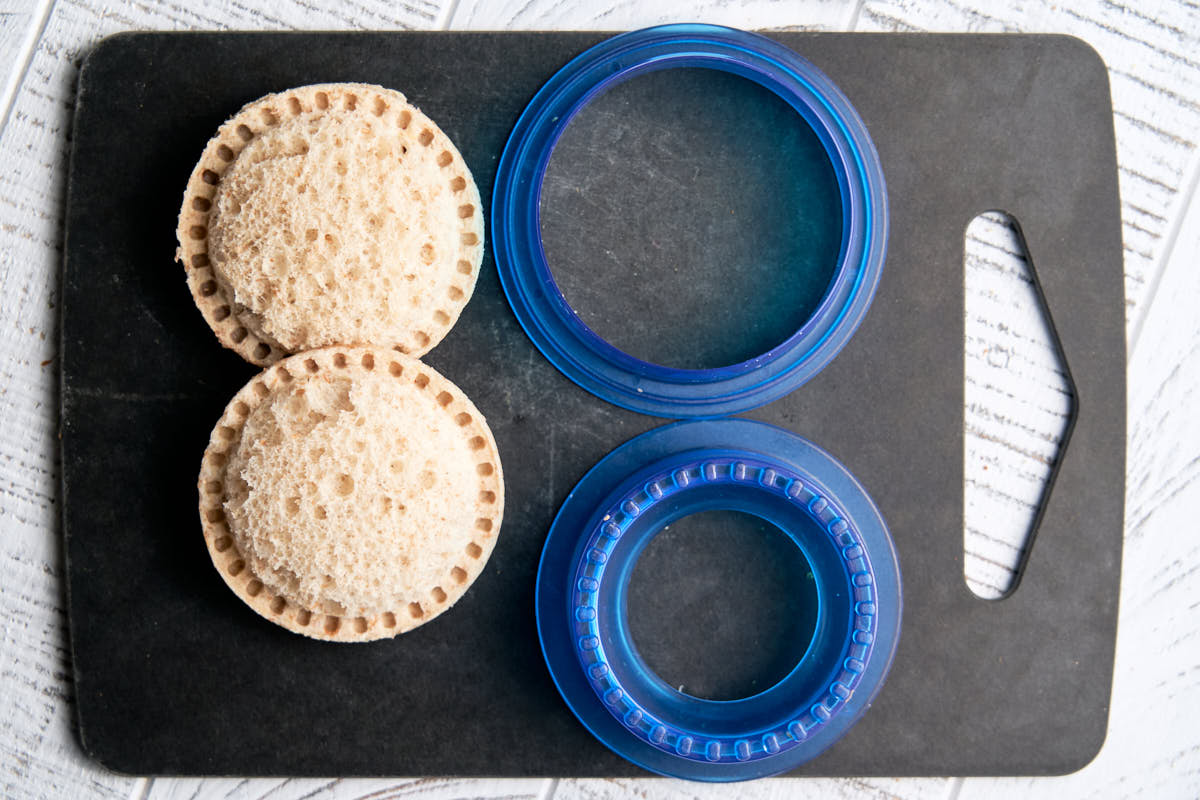
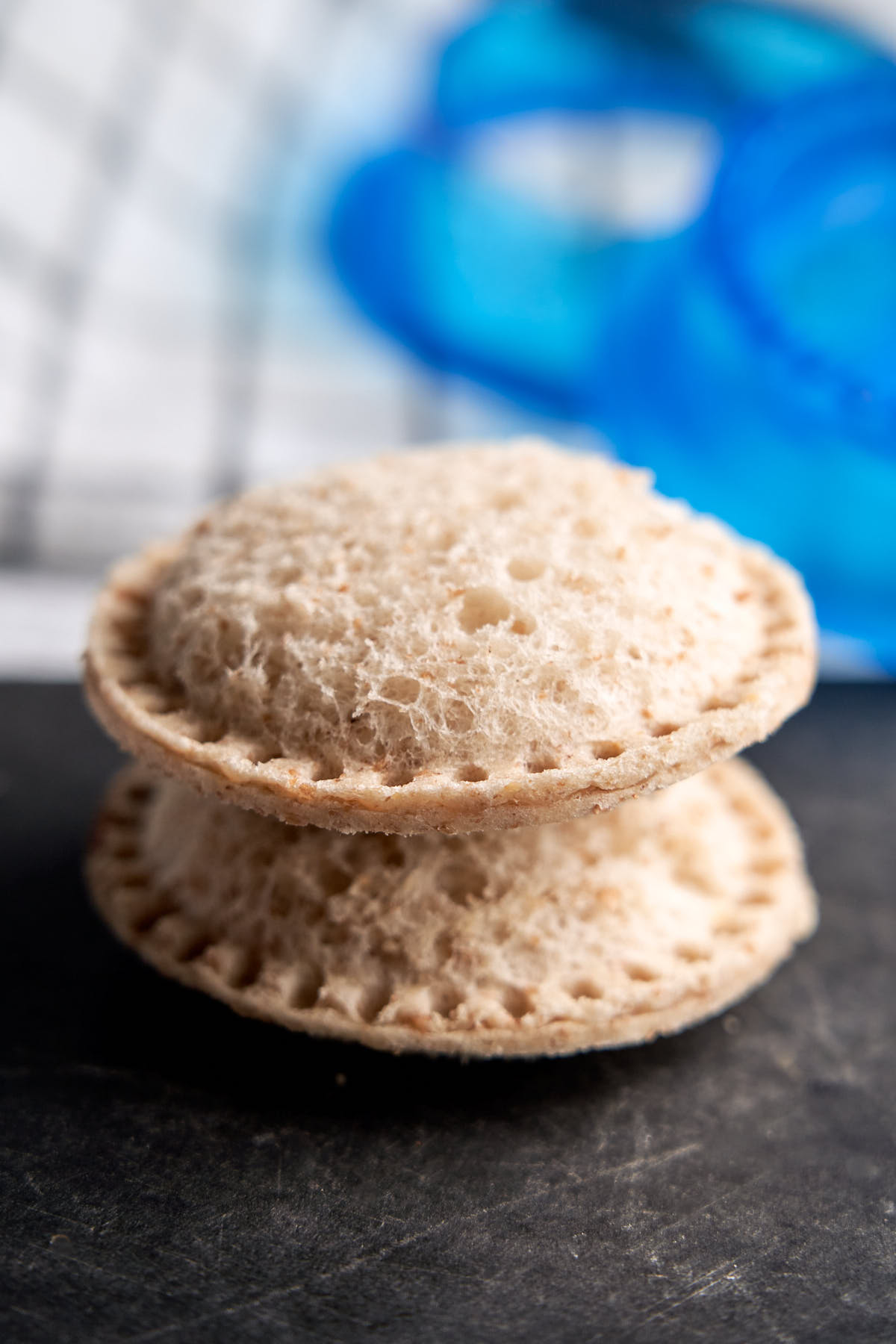
The key to achieving the signature look and seal of an Uncrustable lies in specialized sandwich cutters and sealers. These tools, readily available online, are designed to press and crimp the edges of two slices of bread together, effectively sealing the filling inside and removing the crusts. Many home cooks recommend specific models that replicate the classic Smucker’s edge, ensuring a familiar and appealing presentation for children.
One popular recommendation is a particular sandwich cutter and sealer available on Amazon, praised for its effectiveness in creating a clean, sealed edge that holds up well. The design ensures that the filling remains contained, preventing spills and making the sandwiches easy for children to handle. The availability of various designs allows consumers to choose the style that best suits their preferences, from the classic crimped edge to other decorative options.
Creative Uses for Leftover Bread Crusts
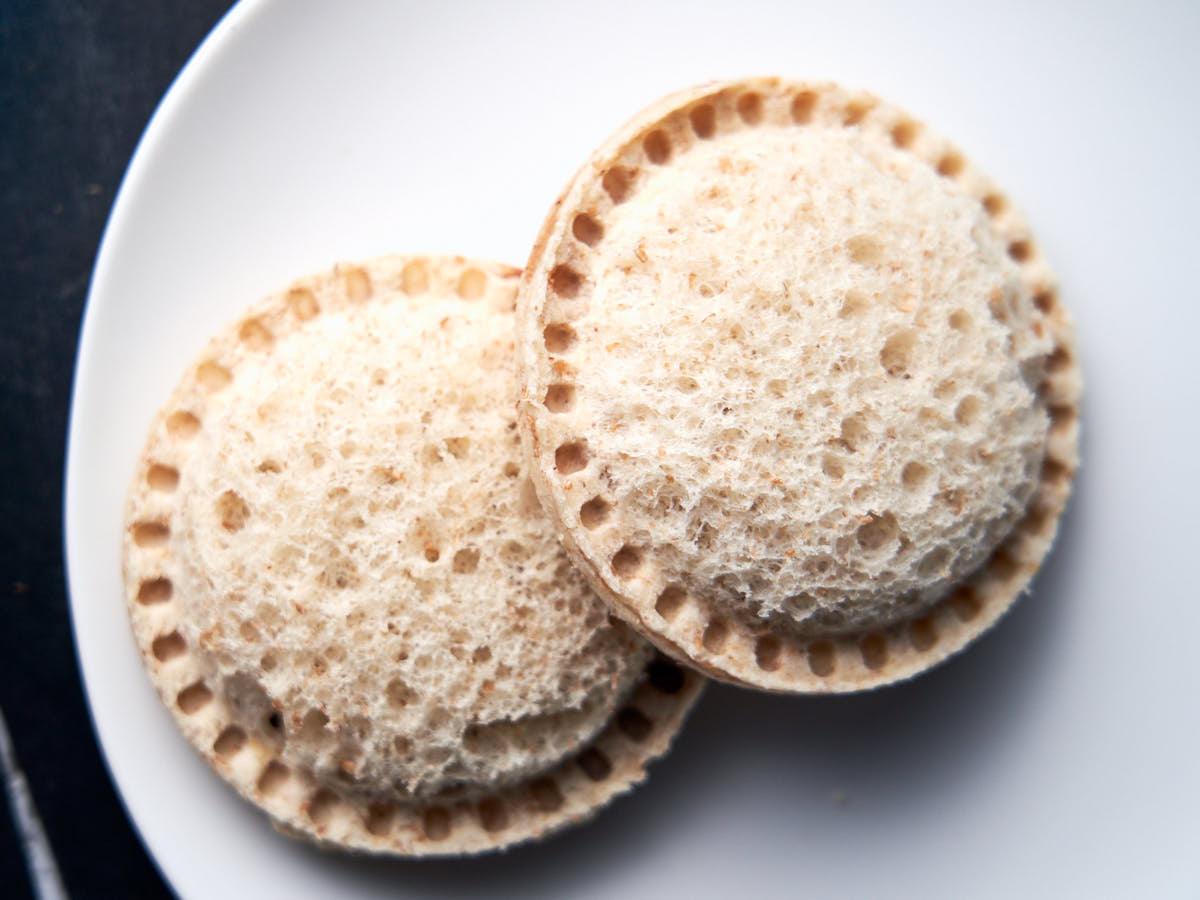
A common question that arises with the use of sandwich cutters is the fate of the leftover bread crusts. Rather than being discarded, these crusts can be repurposed in a variety of culinary applications, further enhancing the economical and sustainable nature of homemade Uncrustables.
One popular method is to transform the crusts into homemade croutons. By pan-frying them in olive oil or butter and seasoning with herbs and spices, such as garlic powder, onion powder, and paprika, families can create a delicious and healthy snack or side dish. These croutons are also excellent for dipping into hummus or adding to salads.
Another valuable use for bread crusts is to turn them into bread crumbs. This can be achieved by toasting the crusts lightly in a toaster oven and then pulsing them in a food processor or blender until they reach the desired consistency. These homemade bread crumbs can then be used in a variety of recipes, from breading chicken cutlets to topping casseroles, adding flavor and texture while minimizing food waste.
For those who prefer a simpler approach, the bread crusts can simply be eaten as is. This is particularly appealing for individuals or children who enjoy the taste and texture of bread crusts or when making a single sandwich, where the crusts can serve as a small, satisfying snack. The philosophy behind these practices is a commitment to zero food waste, maximizing the utility of every ingredient used in the kitchen.
The Versatility of Homemade Fillings
While peanut butter and honey are a classic combination, the beauty of homemade Uncrustables lies in the endless possibilities for fillings. Beyond the traditional, creative options abound. Almond butter with chocolate spread, as mentioned in some home cooking blogs, offers a decadent alternative. Other popular fillings include:
- Peanut Butter and Jelly: A timeless classic that can be made with a variety of fruit preserves.
- Cream Cheese and Fruit: A lighter option, particularly appealing for younger children.
- Nutella and Banana: A sweet and indulgent treat.
- SunButter and Jelly: An excellent option for individuals with peanut allergies.
The ability to experiment with different nut butters, seed butters, jams, jellies, and even sweet spreads allows families to cater to diverse taste preferences and dietary needs. This customization is a significant advantage over the limited options available in pre-packaged foods.
Broader Implications and Future Trends
The trend towards homemade versions of convenience foods signifies a broader shift in consumer priorities. As individuals become more discerning about what they consume and the impact of their choices, the demand for transparency in food production and sustainable practices is likely to increase. This will undoubtedly encourage more innovation in the home cooking space, with families seeking to replicate and even improve upon their favorite store-bought items.
The success of the homemade Uncrustable movement underscores the power of simple, accessible recipes and tools to empower consumers. It highlights that with a little effort and the right equipment, it is possible to enjoy familiar favorites in a way that is healthier, more economical, and more environmentally responsible. As more families embrace this DIY approach, the landscape of lunchbox preparation and snack time is likely to continue evolving, prioritizing wholesomeness and sustainability.
