
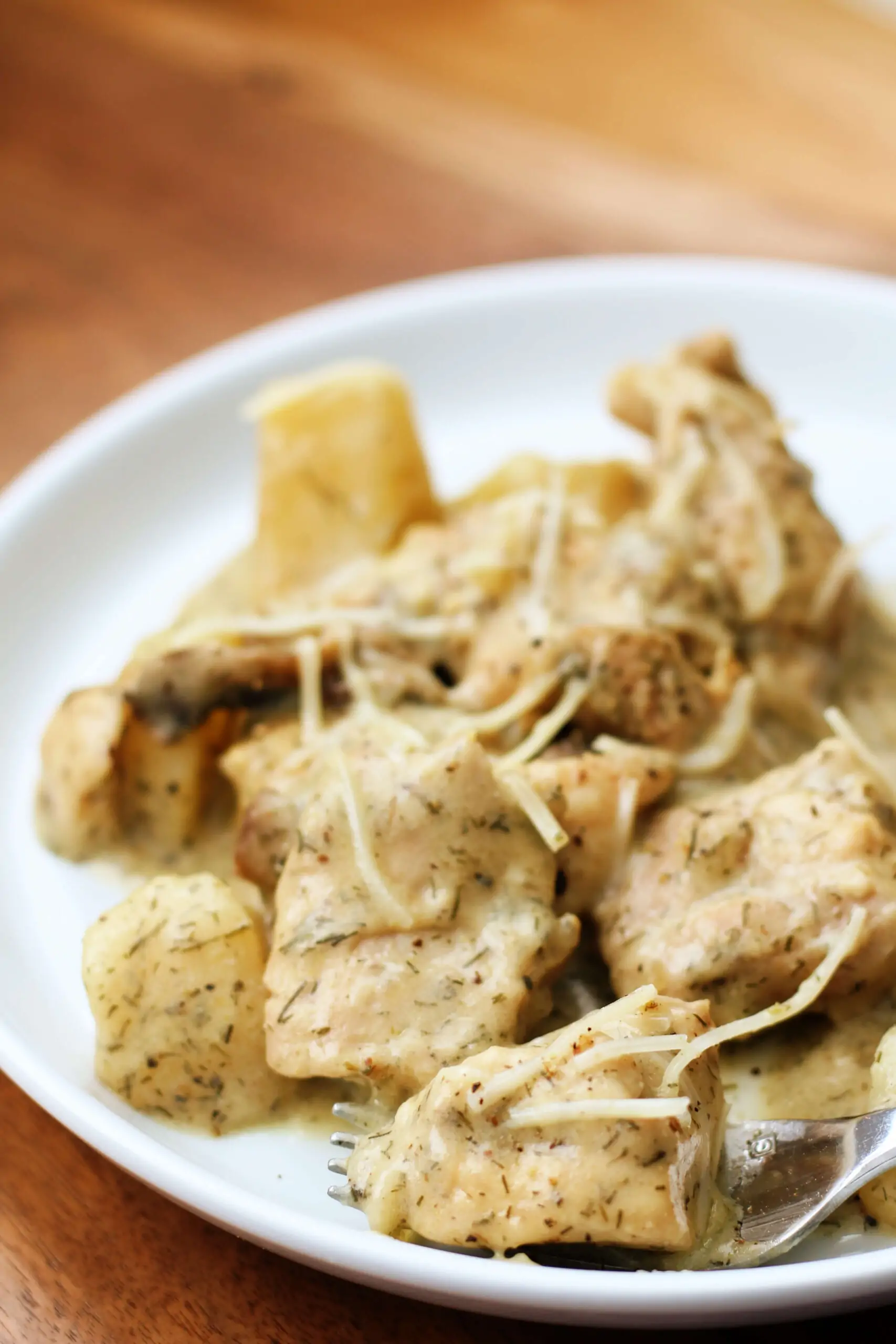
The evolution of modern home cooking has seen a significant shift toward high-efficiency, one-pot meals that prioritize both convenience and caloric density, a trend exemplified by the rising popularity of dishes such as Mississippi Mud Chicken. This culinary preparation, designed for compatibility with both electric pressure cookers and traditional slow cookers, represents a convergence of mid-century comfort food aesthetics with 21st-century appliance technology. Characterized by a foundation of poultry and root vegetables enriched with a high-fat dairy profile, the dish has become a staple for domestic cooks seeking to balance the time constraints of contemporary life with the demand for substantial, family-oriented fare.

The Technical Framework of One-Pot Preparation
The Mississippi Mud Chicken recipe utilizes two primary modalities of heat application: high-pressure steam infusion and low-temperature long-duration simmering. The Instant Pot method, which has revolutionized the "dump and go" category of recipes since its commercial ascent in the early 2010s, allows for the tenderization of fibrous chicken breast and the softening of starch-heavy potatoes in a fraction of the time required by conventional oven roasting. Conversely, the slow cooker method relies on the steady breakdown of proteins over several hours, a technique that has remained a cornerstone of American domesticity since the introduction of the Rival Crock-Pot in 1971.
Technically, the dish begins with a foundational aromatic base. In the pressure cooker variation, the "Sauté" function is employed to induce the Maillard reaction in onions and garlic. This chemical reaction between amino acids and reducing sugars is essential for developing the depth of flavor that can otherwise be lost in moisture-heavy cooking environments. Following the aromatic preparation, the introduction of chicken broth serves a dual purpose: it acts as the primary heat transfer medium and functions as a deglazing agent to incorporate browned bits from the bottom of the vessel, which is critical for preventing the "burn" warning common in modern digital pressure cookers.

Nutritional Profile and Ingredient Analysis
The ingredient composition of Mississippi Mud Chicken reflects a broader American preference for savory, high-protein, and high-fat flavor profiles. The primary components—chicken and potatoes—provide a balanced ratio of lean protein and complex carbohydrates. However, the "Mud" designation of the dish is derived from the heavy integration of finishing ingredients: sour cream, mayonnaise, and shredded cheddar cheese.
Supporting data from food consumption surveys indicate that "comfort food" recipes often see a surge in popularity during periods of economic or social volatility. The inclusion of bacon and green onions as garnishes provides a textural contrast and an aesthetic finish that mirrors restaurant-style "loaded" baked potatoes. From a food science perspective, the combination of lactic acid from the sour cream and the emulsified fats in the mayonnaise creates a stable, creamy suspension that coats the solids without breaking under the residual heat of the cooking vessel.

Key Components:
- Protein: Typically boneless, skinless chicken breasts or thighs, providing a neutral base for the sauce.
- Starch: Cubed potatoes, which act as a natural thickener as they release small amounts of starch into the cooking liquid.
- Aromatics: Fresh yellow onions and minced garlic, providing the essential sulfurous compounds that define savory dishes.
- The "Mud" Elements: A mixture of cheddar cheese, sour cream, and mayonnaise added post-cooking to preserve their texture and prevent curdling.
A Chronological Guide to Culinary Execution
The preparation of Mississippi Mud Chicken follows a strict sequence to ensure optimal texture and food safety.
- Phase One: The Aromatic Foundation (Minutes 0–5): The process commences with the heating of olive oil in the cooking vessel. Onions are sautéed until translucent, followed by a brief exposure of garlic to heat. This stage is brief to prevent the bitter notes associated with overcooked garlic.
- Phase Two: Liquid Integration (Minutes 5–7): Chicken broth is added. This stage is vital for the Instant Pot, as the sensors require a specific volume of liquid to generate the steam necessary for pressurization.
- Phase Three: Thermal Processing (Minutes 7–30): In the pressure cooker, the chicken and potatoes are subjected to high pressure for approximately four minutes. However, the total time in this phase includes the "come to pressure" period and the subsequent "natural pressure release" (NPR) of five to ten minutes. The NPR is a critical step for meat proteins; a sudden "quick release" can cause the muscle fibers to contract violently, resulting in a toughened texture.
- Phase Four: Emulsification and Finishing (Minutes 30–35): Once the vessel is depressurized and opened, the dairy components and pre-cooked bacon are stirred in. The residual heat of the chicken and potatoes is sufficient to melt the cheddar cheese and integrate the sour cream without requiring further active heating.
Market Trends and Domestic Implications
The rise of recipes like Mississippi Mud Chicken is intrinsically linked to the market performance of kitchen appliances. Industry data shows that the multicooker market, valued at approximately $4.6 billion globally in 2022, is projected to continue its expansion at a compound annual growth rate (CAGR) of over 9% through 2030. This growth is driven by the "time-poor" demographic—households where multiple adults work full-time and require meal solutions that minimize active labor.

Furthermore, the "Mississippi" branding in contemporary recipes—which often includes variations like Mississippi Pot Roast or Mississippi Mud Cake—has become a powerful SEO (Search Engine Optimization) tool. These titles signal a specific regional identity associated with richness and indulgence. While the "Mud" suffix traditionally referred to the dark, dense nature of chocolate desserts, its application to savory chicken dishes signifies a thick, velvety sauce that mirrors the comfort-centric soul food of the American South.
Comparative Culinary Analysis
In the landscape of one-pot chicken and potato dishes, Mississippi Mud Chicken occupies a specific niche. It differs from more traditional preparations, such as the French Coq au Vin or the American Chicken Pot Pie, by its reliance on modern dairy stabilizers and its omission of a flour-based roux.

Other variations within this category include:
- Dilly Dally Chicken: A lighter alternative utilizing yogurt and dill, catering to a different flavor palette while maintaining the same cooking methodology.
- Amish Underground Casserole: A preparation that prioritizes gravy and mashed textures, reflecting a more traditional midwestern agrarian influence.
- Rustic Root Chicken: A simplified version focusing on the interplay between chicken, potatoes, and carrots with minimal added fats.
The success of the Mississippi Mud variation lies in its "maximalist" approach to flavor. By combining the saltiness of bacon, the sharpness of cheddar, and the tang of sour cream, the dish hits multiple taste receptors simultaneously, a strategy frequently used by commercial food manufacturers to ensure high "craveability" ratings.

Expert Perspectives and Social Impact
Home economics experts and culinary analysts suggest that the democratization of these recipes via social media platforms like Pinterest and TikTok has created a new "digital folk cookery." Statements from online food communities indicate that the appeal of Mississippi Mud Chicken lies in its reliability. Unlike traditional roasting, which can be prone to drying out the meat, the enclosed environment of the Instant Pot or slow cooker ensures a high-moisture result regardless of the cook’s skill level.
Nutritionists, however, provide a more measured reaction. While the dish offers high satiety and essential nutrients, the caloric density—driven by the mayonnaise and cheese—suggests it is best served as a treat or balanced with high-fiber side dishes like steamed broccoli or a fresh green salad. This balance is essential for maintaining the health standards of a modern diet while still indulging in traditional comfort.

Conclusion and Broader Implications
Mississippi Mud Chicken is more than a simple recipe; it is a cultural artifact of the current era of domestic management. It represents a successful attempt to reclaim the "slow food" flavors of the past using the "fast food" technology of the present. As kitchen appliances become increasingly integrated with smart technology and automated sensors, the preparation of such dishes will likely become even more streamlined.
The enduring popularity of this flavor profile suggests a permanent place in the American culinary canon for dishes that prioritize richness and ease of preparation. As households continue to seek out ways to minimize the friction of daily chores, the "dump and go" philosophy embodied by Mississippi Mud Chicken will remain a dominant force in the evolution of home dining. The convergence of regional identity, appliance innovation, and the universal human desire for comfort ensures that this creamy, bacon-loaded staple will continue to be a subject of both culinary interest and domestic utility for years to come.
