
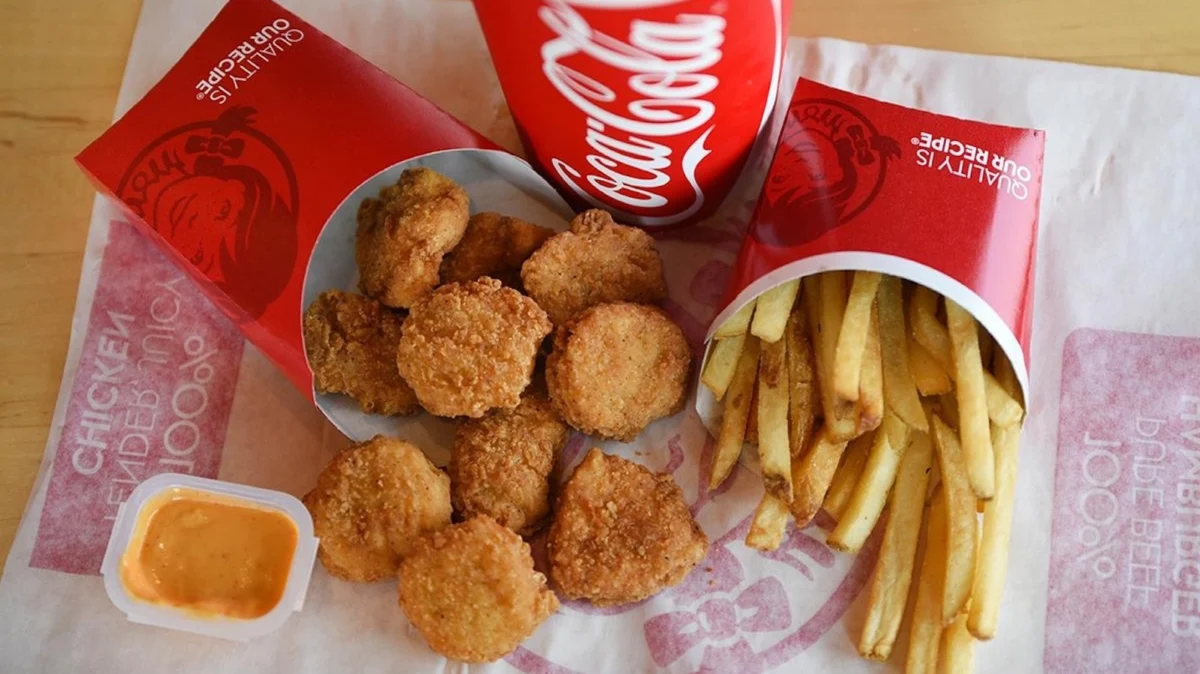
While the familiar red-haired mascot and its menu of hearty burgers and frosty desserts are a staple of fast-food culture in the United States, Wendy’s presence in the United Kingdom reveals a fascinating divergence in its most popular side item: the chicken nugget. For many American consumers, the assumption is that Wendy’s chicken nuggets, consistently ranked among the best fast-food options, are a uniform product, identical regardless of geographical location. However, a closer examination of the menu across the Atlantic demonstrates that this assumption is fundamentally incorrect, with significant differences in preparation, variety, and even the very composition of these beloved bite-sized pieces of chicken.
The most immediate distinction lies in the sheer diversity of offerings. While U.S. Wendy’s locations provide the classic and spicy variations of their all-white-meat chicken nuggets, the United Kingdom’s Wendy’s branches have expanded this offering considerably. British consumers have the option of enjoying their nuggets "drenched in different sauces," a concept largely absent from the standard U.S. menu. These saucy selections include classic buffalo, classic BBQ, spicy buffalo, and spicy BBQ flavors. This strategic menu adaptation suggests a more pronounced demand for pre-seasoned and sauced nugget options in the UK market, or a deliberate effort by Wendy’s to cater to local palate preferences and dining habits.
In the United States, Wendy’s describes its nuggets as "all-white-meat chicken breaded to crispy perfection and served with your choice of sauce." The standard U.S. offerings are typically available in 4-, 6-, or 10-piece orders, with a larger 50-piece party pack catering to group gatherings. The emphasis here is on the nugget as a vehicle for a chosen dipping sauce. In contrast, the UK menu highlights lightly breaded chicken that is then "tossed" in the customer’s preferred flavor. This fundamental difference in preparation – breaded and served plain for dipping versus pre-tossed in sauce – signals a different consumer experience and expectation. The UK also offers a broader range of count sizes for their regular and spicy nuggets, including 4-, 10-, or 20-count options, alongside the saucy varieties available in 6- or 10-count portions.
Unpacking the Culinary Discrepancies: Ingredients and Preparation
Beyond the saucy variations, the very composition and preparation methods of Wendy’s nuggets differ notably between the U.S. and the UK. In the United States, the chain utilizes a blend of chicken breast with rib meat for its nuggets. The seasoning profile for these U.S. nuggets is a specific blend that includes salt, paprika, sugar, and "natural flavors." This carefully crafted combination aims for a balanced savory flavor that complements a wide array of dipping sauces.
Conversely, Wendy’s in the United Kingdom opts for a purer form of chicken, using "solely chicken breast." This ingredient choice might contribute to a perceived difference in texture or mouthfeel. Furthermore, the UK’s seasoning blend is distinct, incorporating salt, garlic powder, onion powder, chicken powder, sugar, and smoke flavoring. This combination suggests a potentially bolder, more robust flavor profile inherent to the nugget itself, even before any additional sauce is applied. The inclusion of chicken powder and smoke flavoring, for instance, points towards a more savory and perhaps slightly richer base taste compared to the U.S. version.
Dipping Sauces: A Cross-Cultural Comparison
The divergence extends to the accompanying dipping sauces, further illustrating the tailored approach Wendy’s takes in different markets. U.S. Wendy’s patrons have a selection of sauces that includes Wendy’s Signature, Scorchin’ Hot, honey BBQ, creamy ranch, sweet chili, and honey mustard. This array offers a spectrum of sweet, savory, and spicy options designed to appeal to a broad American palate.
The United Kingdom’s sauce offerings, while sharing some common ground, present a unique set of choices. These include Wendy’s Signature, Smokin’ Hot, buttermilk ranch, honey BBQ, and sweet chili sauces. The "Smokin’ Hot" sauce in the UK could be a variation or a different product altogether from the "Scorchin’ Hot" in the U.S., hinting at differing spice tolerance levels or flavor preferences. The inclusion of buttermilk ranch in the UK lineup, while ranch is popular in the U.S., might be a specific formulation catering to British tastes. The shared availability of honey BBQ and sweet chili indicates a successful synergy of flavors that transcend borders.
Consumer Reactions and Perceptions: A Digital Dialogue
The differences between Wendy’s nuggets in the U.S. and the UK have not gone unnoticed, particularly within the digital sphere. Social media platforms like TikTok have become a hub for direct consumer comparisons and reviews. In early 2024, one American TikTok user shared a comparative review, describing the UK version of Wendy’s nuggets as more "posh" and drawing a parallel to the popular Chick-fil-A nuggets. The user expressed a strong preference for the UK offering, stating, "They’re a lot better than the U.S." and deeming them "surprisingly good." This sentiment suggests a perception of higher quality or a more refined taste profile in the UK product, potentially attributable to the ingredient choices and preparation methods.
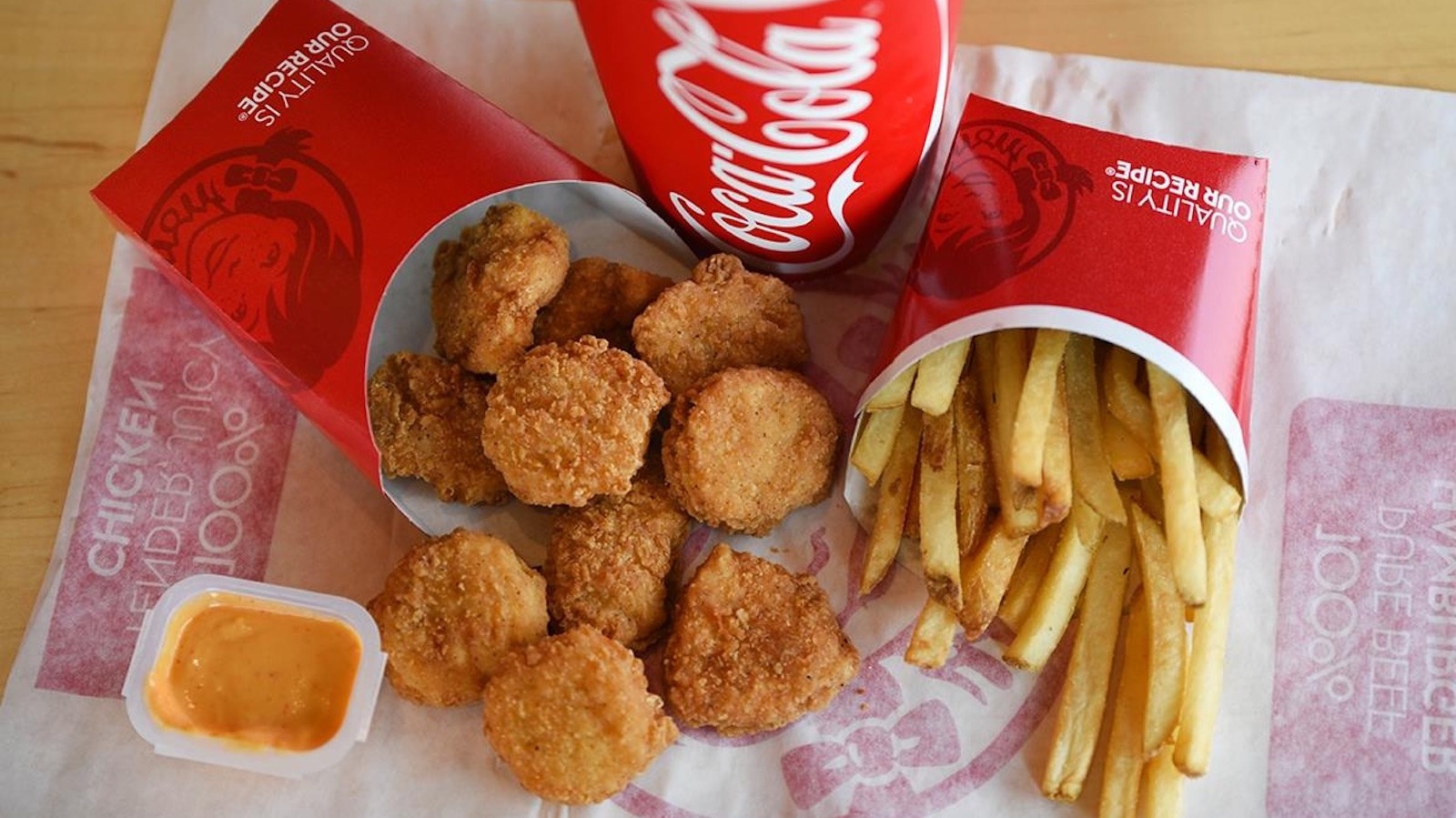
Conversely, a group of British TikTok users, in a separate video, offered a less enthusiastic assessment of the U.S. offerings. They lamented that the American nuggets were "tiny" and, in their opinion, more suited for children. This observation aligns with broader discussions about "shrinkflation" in the fast-food industry, where product sizes may decrease while prices remain the same or increase. The British consumers’ critique implies that the U.S. nuggets may be perceived as less substantial or offering less value compared to their expectations or the UK product. These contrasting viewpoints highlight the subjective nature of taste and the impact of cultural expectations on food perception.
Strategic Menu Adaptation: A Global Fast-Food Phenomenon
The variations in Wendy’s chicken nuggets between the U.S. and the UK are not isolated incidents but rather a reflection of a broader strategic approach employed by multinational fast-food corporations. Companies like Wendy’s often conduct extensive market research to understand local consumer preferences, dietary habits, and culinary traditions. These insights then inform menu development and adaptation to ensure maximum appeal and competitive advantage in each distinct market.
In the case of the UK, the introduction of saucy nuggets and a different seasoning blend likely stems from a recognition of the British market’s receptiveness to flavored chicken dishes and perhaps a lower tolerance for overly spicy options, necessitating a broader range of milder yet flavorful sauces. The emphasis on "lightly breaded" chicken in the UK might also align with perceived healthier eating trends or a preference for a less heavy coating compared to some American fast-food products.
The U.S. menu, on the other hand, remains focused on the classic nugget experience, allowing consumers to customize their flavor profiles through a robust selection of dipping sauces. This approach caters to a market where individual choice and the act of dipping are integral to the enjoyment of chicken nuggets. The availability of larger party packs also addresses the U.S. cultural inclination towards communal dining and larger family-style orders.
Potential Implications and Future Trends
The observed differences in Wendy’s nuggets underscore the dynamic nature of the global food industry. For consumers, it highlights the importance of looking beyond brand familiarity to understand the nuanced offerings available in different regions. For Wendy’s, these menu adaptations are crucial for maintaining relevance and market share in diverse international landscapes.
The positive reception of the UK nuggets by some American consumers, as seen on TikTok, could potentially influence future menu considerations for Wendy’s in the U.S. There might be an opportunity to introduce limited-time offers or expanded sauced nugget options to gauge further consumer interest. Conversely, the critiques from British consumers about the U.S. nuggets could prompt a re-evaluation of portion sizes or ingredient sourcing for the UK market, especially if "shrinkflation" concerns are indeed a significant factor.
As the fast-food landscape continues to evolve, driven by changing consumer tastes, health consciousness, and global culinary trends, such cross-cultural menu comparisons will likely become even more pronounced. The success of a fast-food brand in the 21st century hinges not only on brand recognition but also on its agility in adapting its core products to resonate with the specific preferences and expectations of consumers worldwide. The humble chicken nugget, in this context, serves as a compelling case study in globalized yet localized food service strategies.
