
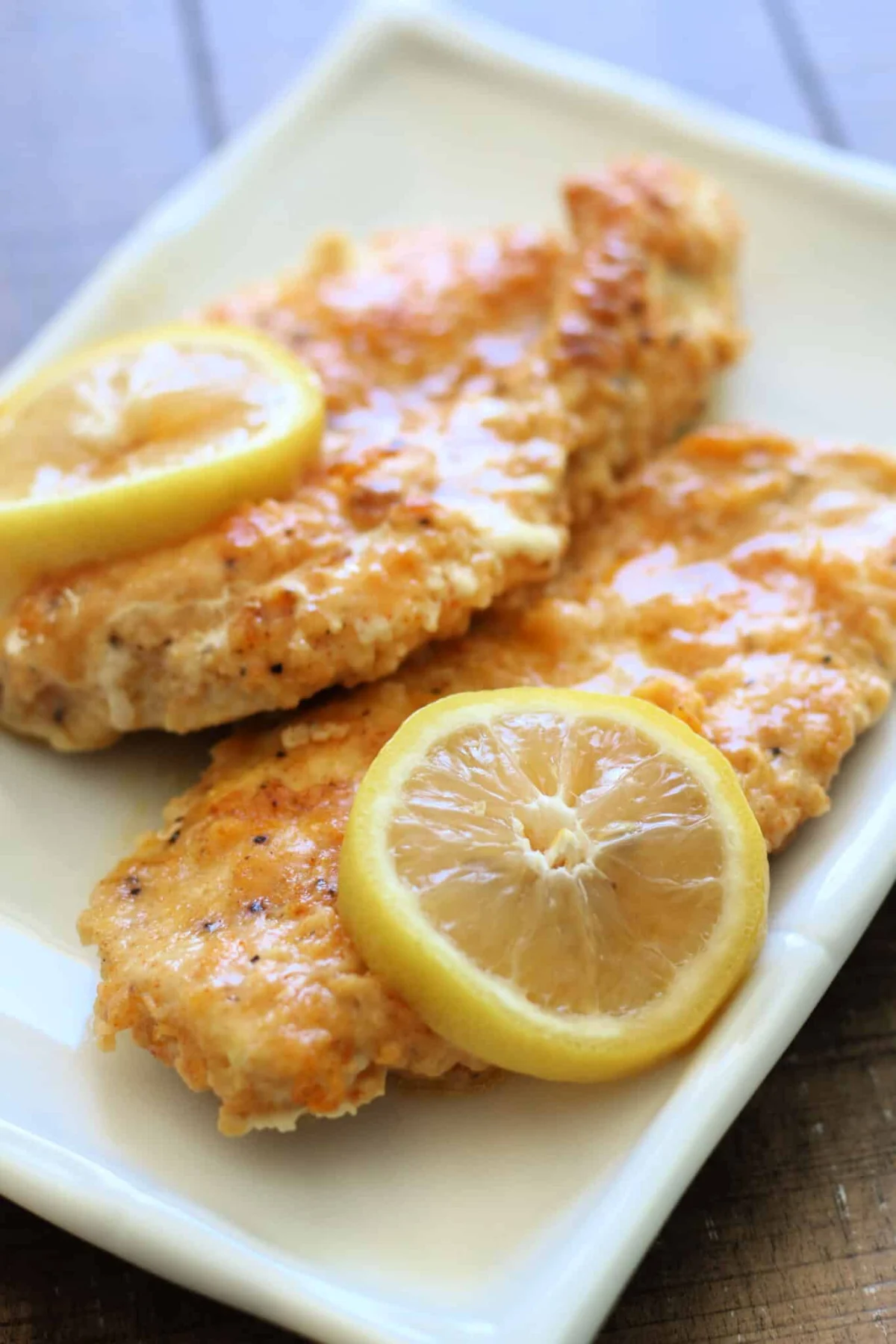
The culinary landscape of home-cooked meals is currently undergoing a significant transformation as traditional restaurant-style techniques are increasingly adapted for slow-cooker technology, a trend exemplified by the rising popularity of Crockpot Chicken Francese. This dish, an Italian-American staple traditionally prepared through a meticulous sautéing process, has been reimagined for the modern household, prioritizing both depth of flavor and logistical convenience. By utilizing a slow cooker to simmer lightly breaded chicken in a sophisticated lemon-butter emulsion, home cooks are achieving a level of tenderness often reserved for professional kitchens while significantly reducing active labor time.

The Evolution of an Italian-American Classic
Chicken Francese—sometimes referred to as Chicken Francaise—occupies a storied position in the pantheon of Italian-American cuisine. While its exact origins are debated, culinary historians generally agree that the dish rose to prominence in the mid-20th century, particularly within the vibrant Italian immigrant communities of New York City. It is a variation of the classic Vitello alla Francese (Veal Francese), which utilized veal medallions. As chicken became a more accessible and cost-effective protein in the post-war United States, it supplanted veal in many households and restaurants.
The hallmark of a "Francese" preparation is the specific order of the dredging process. Unlike many breaded dishes that dip the protein in flour then egg then breadcrumbs, Francese stops after the egg wash. The chicken is first dusted in seasoned flour and then submerged in a beaten egg mixture, creating a delicate, crepe-like coating that absorbs the lemon-butter sauce during the cooking process. Transitioning this delicate balance to a slow cooker requires a strategic approach to ensure the coating remains intact and the citrus notes do not become overly bitter during the extended heating cycle.

Technical Methodology: The Chronology of Preparation
The successful execution of Crockpot Chicken Francese relies on a specific sequence of operations designed to maximize texture and ensure food safety. The process begins with the preparation of the protein.
Phase I: Protein Modification and Dredging
The initial step involves slicing large chicken breasts in half lengthwise to create thinner cutlets. This increases the surface area for the sauce to penetrate and ensures even cooking within the slow cooker’s environment. Following the preparation of the meat, a dual-station dredging area is established. The dry station consists of all-purpose flour seasoned with paprika, garlic powder, salt, and black pepper. The wet station contains whisked eggs. The chicken is systematically coated in the flour mixture, then the egg, preparing it for the crucial searing stage.

Phase II: The Maillard Reaction and Initial Searing
A critical distinction in high-quality slow cooker recipes is the inclusion of a searing step. Culinary experts emphasize that placing raw, breaded chicken directly into a slow cooker often results in a soggy, unappealing texture. By searing the chicken in a pan over medium-high heat for one to two minutes per side, the cook initiates the Maillard reaction—a chemical reaction between amino acids and reducing sugars that gives browned food its distinctive flavor. This step sets the egg-and-flour coating, ensuring it adheres to the meat throughout the simmering process.
Phase III: The Simmering Cycle
Once seared, the chicken is transferred to the slow cooker. The sauce base is constructed using chicken broth and a bright acid, such as white vinegar or white wine. To achieve the signature "rich buttery" finish, cold butter is cut into pieces and distributed across the chicken, alongside fresh lemon slices. The appliance is set to a "low" heat setting for a duration of approximately two hours. This controlled environment allows the connective tissues in the chicken to soften without the protein fibers becoming tough, a common pitfall of high-heat stovetop cooking.

Supporting Data: The Rise of Slow Cooking in Modern Gastronomy
The shift toward recipes like Crockpot Chicken Francese is supported by broader economic and social data regarding domestic habits. According to market research reports, the global slow cooker market has seen a steady compound annual growth rate (CAGR) as consumers seek energy-efficient alternatives to traditional ovens. A slow cooker typically uses between 0.7 and 2.0 kilowatt-hours of electricity over an eight-hour period, making it significantly more cost-effective than a standard electric oven.
Furthermore, the "set-it-and-forget-it" nature of these appliances aligns with the needs of dual-income households. Data from the Bureau of Labor Statistics suggests that the average American spends approximately 30 minutes per day on food preparation and cleanup. Recipes that allow for the "dump-and-go" or "sear-and-simmer" workflow enable families to enjoy complex, multi-layered dishes like Chicken Francese on weeknights, rather than reserving them for weekends or restaurant outings.

Culinary Analysis of Ingredients and Substitutions
The flavor profile of Crockpot Chicken Francese is a delicate balance of fat, acid, and salt. The following components are essential to its success:
- The Acid Component: While the original recipe utilizes lemon slices and white vinegar, many chefs suggest substituting the vinegar with a dry white wine, such as Pinot Grigio or Sauvignon Blanc. The alcohol in the wine acts as a flavor carrier, enhancing the aromatics of the garlic and lemon.
- The Emulsifier: Butter is not merely a fat in this dish; it acts as an emulsifier that thickens the chicken broth into a velvety sauce. The slow melting of the butter pieces ensures that the sauce remains stable and does not "break" or separate.
- The Seasoning: Paprika is often added to the flour not just for flavor, but for color. In a slow cooker, where the intense heat of a broiler is absent, paprika helps the chicken maintain an appetizing golden hue.
Food Safety and Internal Temperature Standards
A primary concern in slow cooking is the maintenance of safe internal temperatures. The United States Department of Agriculture (USDA) mandates that poultry must reach an internal temperature of 165°F (74°C) to be considered safe for consumption. Because slow cookers vary in their heat output, the use of a digital meat thermometer is recommended.

The "low" setting on most modern slow cookers reaches a simmer point of approximately 209°F, but it takes time to reach this threshold. For Chicken Francese, which uses lean white meat, the two-hour window is often the "sweet spot." Cooking white meat for too long—even on a low setting—can lead to a stringy texture as the moisture is squeezed out of the muscle fibers.
Reactions from the Culinary Community
Culinary influencers and home cooks have reacted positively to the adaptation of Francese for the slow cooker. Reviews often highlight the "ultra-tender" quality of the meat compared to traditional pan-frying. Professional chefs note that while the coating in a slow-cooker version is less "crispy" than a stovetop version, the trade-off is a much more flavorful and moist interior, as the chicken essentially poaches in the lemon-butter broth.

Feedback from home meal planners, such as those following the "365 Days of Crockpot" methodology, suggests that the dish’s versatility is a major selling point. The ability to pair the chicken with a variety of sides—from traditional mashed potatoes to roasted green beans or even a light pasta—makes it a high-utility recipe for diverse dietary preferences.
Broader Implications and Nutritional Context
From a nutritional perspective, Chicken Francese provides a high-protein meal with a significant dose of Vitamin C from the fresh lemon. While the butter content contributes to the saturated fat count, the use of chicken breasts keeps the overall caloric density lower than beef or pork-based slow cooker meals.

The broader implication of the Crockpot Chicken Francese trend is the democratization of "gourmet" flavors. Traditionally, dishes requiring an egg-wash sauté were considered labor-intensive and required a certain level of stovetop proficiency to prevent the coating from burning or sticking. By moving the secondary cooking phase to the slow cooker, the margin for error is significantly widened, allowing novice cooks to produce results that mimic high-end Italian-American bistros.
As the trend of "elevated slow cooking" continues to grow, it is expected that more classic European and Mediterranean techniques will be adapted for the crockpot. This evolution reflects a persistent desire among consumers to balance the high-speed demands of modern life with the timeless satisfaction of a slow-simmered, flavorful meal. Crockpot Chicken Francese stands as a prime example of this balance, proving that with the right chronological approach and technical adjustments, convenience does not have to come at the expense of culinary excellence.
