
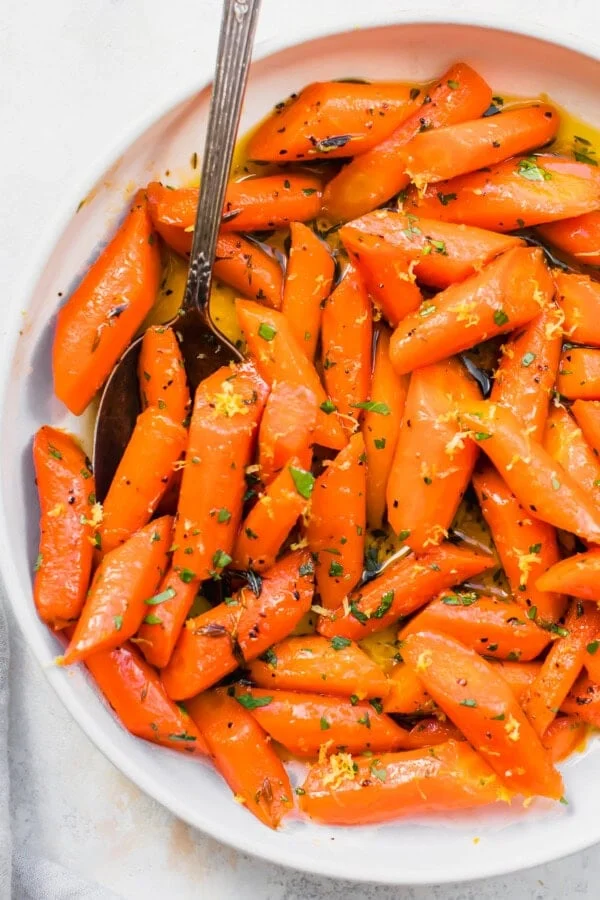
The enduring appeal of honey butter glazed carrots as a versatile and beloved side dish continues to resonate across culinary landscapes, particularly during significant holiday gatherings such as Easter and Thanksgiving. This stovetop preparation, characterized by its tender texture, subtle sweetness, and glossy finish, offers a practical and delectable alternative to oven-intensive preparations, making it a favored choice for home cooks seeking efficiency without compromising flavor. Originating from a traditional approach often seen at family feasts, this dish exemplifies the timeless allure of simple ingredients elevated through classic cooking techniques.

The Enduring Popularity of a Classic Side
Carrots, with their natural sweetness and vibrant color, have long been a staple in global cuisine. Their transformation into a glazed delicacy through the combination of butter and honey is a testament to culinary traditions that prioritize enhancing natural flavors with rich, comforting elements. The specific preparation discussed, involving a gentle simmer on the stovetop for approximately 20 minutes, results in carrots that are both tender and lightly coated in a flavorful glaze. The addition of fresh thyme during the cooking process infuses an earthy, aromatic depth, while a final garnish of fresh parsley and lemon zest introduces a bright, zesty counterpoint, preventing the dish from becoming overly sweet. This balance of sweet, savory, and fresh notes contributes significantly to its widespread acceptance and consistent presence on dinner tables.

Culinary experts and home cooks alike frequently highlight the adaptability of glazed carrots. Its ability to complement a wide array of main courses, from roasted poultry and baked salmon to heartier meats, underscores its utility in diverse meal planning. The ease of preparation, requiring minimal active cooking time and basic pantry ingredients, further solidifies its position as a go-to recipe, especially when oven space is at a premium during holiday meal preparation. This aspect is particularly relevant in modern kitchens where multi-course meals often demand efficient use of all available cooking appliances.
Historical Context and Culinary Evolution of Carrots

Carrots (Daucus carota subsp. sativus) boast a rich history spanning millennia. Originating in Central Asia, where purple and yellow varieties were first cultivated, carrots were initially valued more for their aromatic leaves and seeds than their roots. It wasn’t until the 10th century that the root gained prominence, and the familiar orange carrot, rich in beta-carotene, was developed in the Netherlands in the 17th century, purportedly in honor of the House of Orange.
The culinary application of carrots has evolved considerably. Early preparations often involved boiling or stewing. The concept of "glazing" vegetables, particularly with sugar or honey, emerged as a method to enhance flavor, add an appealing sheen, and sometimes to preserve. This technique became more refined in European haute cuisine, where vegetables were treated with the same care as main proteins. The combination of butter and honey specifically for carrots capitalizes on the vegetable’s inherent sweetness, creating a harmonious blend that appeals to a broad palate. This method is a descendant of classic French techniques, where glacer (to glaze) refers to cooking vegetables in a small amount of liquid, butter, and sugar until the liquid reduces to a syrupy coating.

Nutritional Profile and Dietary Considerations
Beyond their appealing taste, carrots offer a significant nutritional contribution. They are an excellent source of beta-carotene, a precursor to Vitamin A, which is crucial for vision, immune function, and skin health. They also provide dietary fiber, Vitamin K1, potassium, and antioxidants. While the addition of butter and honey contributes to the calorie and sugar content, a serving of honey butter glazed carrots typically remains a nutritionally valuable component of a balanced meal. For instance, a 3/4 cup serving is reported to contain approximately 138.5 kcal, 20.5 g carbohydrates, 1.5 g protein, 6.5 g fat (with 3g saturated fat), 10 mg cholesterol, 159 mg sodium, 4.5 g fiber, and 13 g sugar. These figures highlight the energy and nutrient density of the dish, making it a satisfying addition without being excessively heavy. The fiber content, in particular, aids in digestive health and satiety.

Preparation Methodology and Culinary Science
The stovetop method for preparing honey butter glazed carrots leverages several culinary principles to achieve its desired texture and flavor. The initial gentle simmering of carrots with butter and oil ensures even cooking, gradually tenderizing the vegetable without allowing it to become mushy. The fat in the butter and oil acts as a flavor carrier and contributes to the silky mouthfeel.

As the cooking progresses, the addition of honey and the reduction of the liquid create the characteristic glaze. Honey, a natural humectant and sweetener, not only imparts its distinct flavor but also contributes to the glossy finish. The sugars in the honey, when heated, undergo caramelization, albeit subtly in this gentle cooking process, which deepens the flavor profile of the carrots. The inherent moisture in the carrots, combined with a small amount of added water or broth, creates steam that aids in cooking while preventing the carrots from drying out. The final touches of fresh herbs like thyme and a citrus element like lemon zest are critical. Thyme’s volatile compounds release during heating, infusing the carrots with an herbaceous aroma. Lemon zest provides a burst of citrus oil that brightens the overall taste, cutting through the richness of the butter and honey.
Variations and Customization

The base recipe for honey butter glazed carrots is highly amenable to customization, allowing cooks to tailor the dish to specific preferences or dietary needs.
- Sweetener Alternatives: While honey is traditional, maple syrup or brown sugar can be substituted to achieve a similar glaze with different nuanced flavors. Maple syrup offers an earthier sweetness, while brown sugar provides a deeper, molasses-like note.
- Herb Combinations: Beyond thyme and parsley, other herbs such as rosemary, sage, or dill can introduce distinct aromatic profiles. Rosemary pairs well with savory meats, while dill offers a fresher, slightly tangy note.
- Spice Integration: A pinch of cinnamon, nutmeg, or even a hint of chili flakes can add complexity. Cinnamon or nutmeg can amplify the sweetness, while chili flakes can introduce a subtle warmth and counterpoint.
- Citrus Enhancements: Orange zest or a splash of orange juice can replace lemon for a different citrus brightness, complementing the sweetness of the carrots and honey.
- Carrot Varieties: Utilizing rainbow carrots (purple, yellow, white, and orange) can add visual appeal and subtle flavor differences, making the dish more vibrant and engaging, especially for festive occasions.
- Preparation Method: For those who prefer a deeper caramelization and crispier edges, an oven-roasted version is an excellent alternative. Roasting at higher temperatures causes sugars to caramelize more intensely, creating a more robust flavor and different texture. This offers a contrast to the stovetop method’s focus on tenderness and a lighter glaze.
Make-Ahead and Storage Solutions

The practicality of honey butter glazed carrots extends to its make-ahead and storage capabilities, a significant advantage for holiday meal planning or busy weeknights.
- Make-Ahead: The carrots can be prepared up to two days in advance. After cooking, they should be cooled completely and then stored in an airtight container in the refrigerator. Reheating is straightforward: gently warm on the stovetop over medium-low heat, adding a splash of water or broth if needed to restore moisture and consistency to the glaze. This flexibility allows hosts to manage their time effectively, focusing on other dishes closer to serving time.
- Storage: Leftovers should be stored in an airtight container in the refrigerator for up to three to four days. While the texture may soften slightly upon reheating, the flavors generally remain robust.
- Freezing: Freezing is not typically recommended for glazed carrots, as the freezing and thawing process can significantly alter their texture, making them mushy. The high water content in carrots makes them particularly susceptible to ice crystal formation, which damages cell walls.
Serving Suggestions and Broader Implications

Honey butter glazed carrots serve as an exemplary side dish that seamlessly integrates into various meal settings, from casual family dinners to elaborate holiday feasts. Their balanced flavor profile allows them to pair harmoniously with a multitude of main courses.
For holiday meals, they are a natural accompaniment to traditional roasts such as:

- Air Fryer Rotisserie Chicken: The savory, crispy chicken provides an excellent contrast to the sweet, tender carrots.
- Baked Salmon: The richness of salmon is beautifully balanced by the brightness and sweetness of the glazed carrots.
- Roasted Turkey or Ham: Classic holiday proteins find a perfect partner in this vibrant side, adding color and flavor to the plate.
- Pork Tenderloin: The lean meat benefits from the moisture and sweetness provided by the carrots.
Beyond holiday fare, these carrots elevate everyday meals, complementing dishes like meatloaf, grilled chicken breasts, or even vegetarian mains like lentil loafs. Their ease of preparation also makes them a strong candidate for weekly meal rotations, encouraging the consumption of vegetables in a palatable and appealing format.
The continued prominence of simple yet refined recipes like honey butter glazed carrots underscores a broader culinary trend: the appreciation for foundational techniques and quality ingredients. In an era where complex gastronomic innovations often dominate headlines, the sustained popularity of such a straightforward dish speaks to a fundamental desire for comforting, familiar, and reliably delicious food. This recipe, rooted in tradition and adaptable to modern palates, serves not just as a side dish but as a symbol of accessible culinary excellence that enriches both everyday dining and special occasions. Its versatility, nutritional value, and ease of preparation ensure its place as a perennial favorite in kitchens worldwide.
