
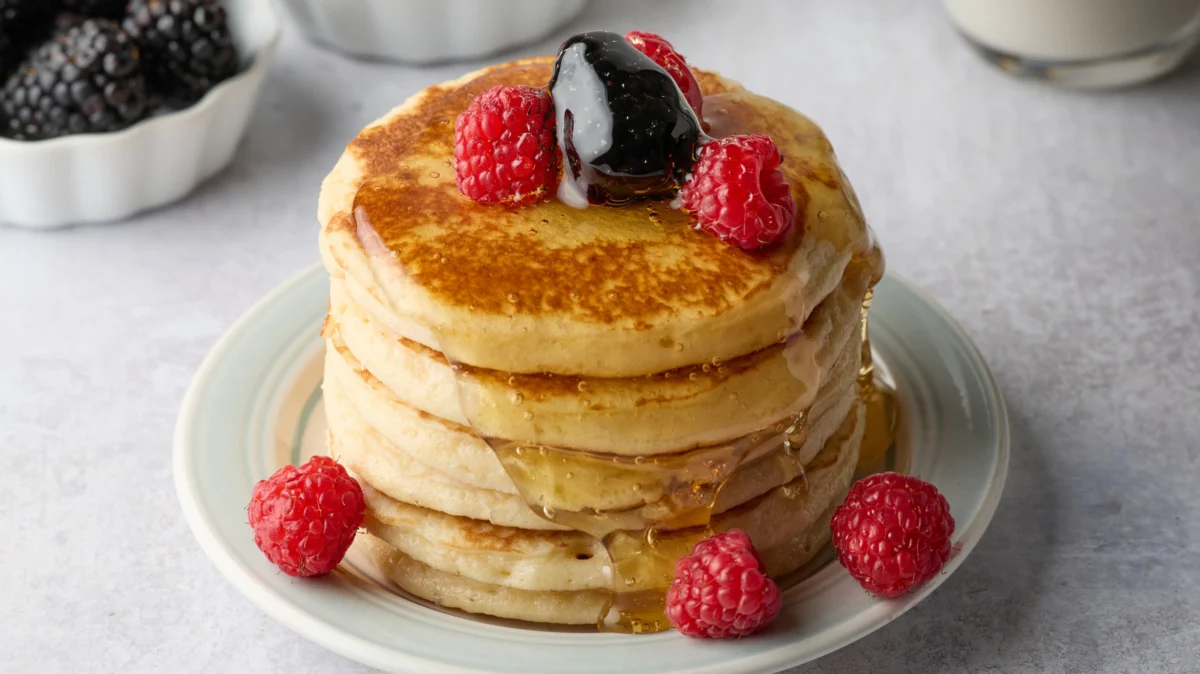
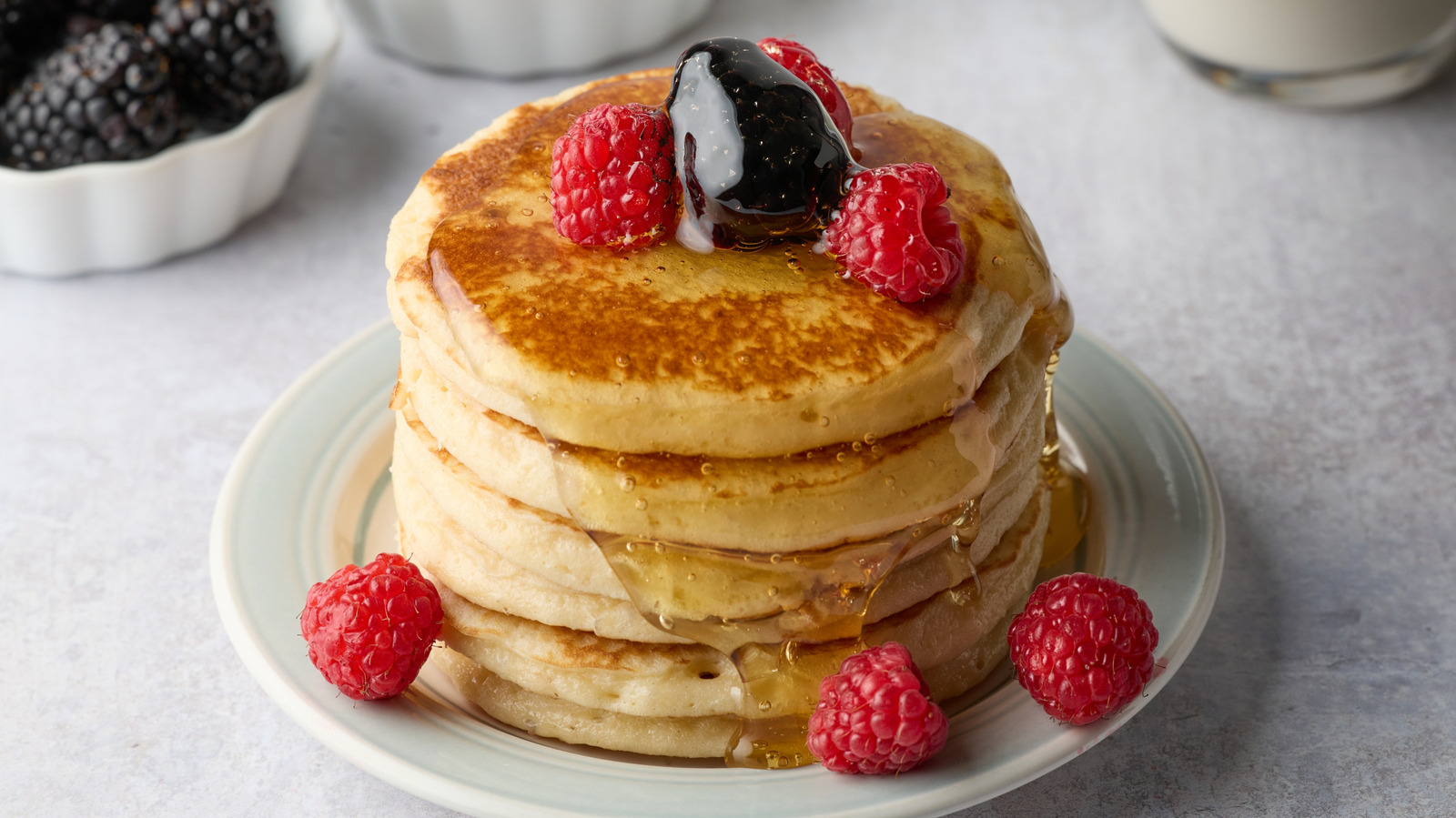
Pancakes, a beloved breakfast staple, have long been associated with the comforting simplicity of milk as their primary liquid binder. However, culinary innovators and content creators are now advocating for a surprising yet effective substitute: yogurt. Chef and content creator Violet Witchel, a proponent of this method, asserts that incorporating yogurt into pancake batter can yield exceptionally fluffy and tender results, surpassing those made with traditional milk. This shift in ingredient preference is rooted in the inherent properties of yogurt, particularly its lower liquid content and the presence of acidity, which can significantly enhance the leavening process.
The Science Behind Yogurt’s Fluffiness
The key to yogurt’s superior performance in pancake batter lies in its composition. Unlike milk, which is predominantly water, yogurt has a thicker, more concentrated consistency due to its straining process. This reduced liquid content means less moisture needs to evaporate during cooking, allowing the leavening agents, such as baking powder and baking soda, to work more efficiently. Witchel explains, "There’s less liquid and the acid in the yogurt can help activate the leavening agents a bit more." This acidic nature of yogurt is comparable to buttermilk, a well-known ingredient for producing tender baked goods. The acid reacts with the alkaline leavening agents, creating more carbon dioxide gas bubbles. These bubbles expand when heated, resulting in a lighter, airier pancake with a desirable soft texture.
Witchel specifically recommends using "traditional plain or vanilla unsweetened yogurt." Plain yogurt, when used, imparts a subtle tang that complements the sweetness of the pancake, much like buttermilk. Vanilla-flavored yogurt, on the other hand, offers an added layer of sweetness and aromatic complexity, enhancing the overall flavor profile without the need for additional sweeteners in the batter itself. While Greek yogurt is a popular choice for its thickness and protein content, Witchel cautions that it can make the batter excessively dense. However, she acknowledges a workaround: "Greek yogurt will make the batter too thick," she notes, "though you can always use it in conjunction with a splash of milk to thin it out." This adaptability means that even if Greek yogurt is the only option available, it can still be incorporated with minor adjustments.
The Crucial Role of Batter Resting
Beyond the choice of liquid, Witchel emphasizes another critical step that significantly contributes to achieving the fluffiest pancakes: resting the batter. This technique, often overlooked or even misunderstood in the context of pancake making, is vital for gluten development and starch hydration. While resting cake batter can sometimes lead to a flatter cake due to overdevelopment of gluten, the opposite is true for pancakes. Witchel states, "Allowing your pancake batter to rest in the fridge for 30 minutes prior to cooking will make softer and fluffier pancakes, since the gluten can relax and the starches can hydrate."
This resting period allows the flour’s gluten proteins to relax, making the batter more pliable and less prone to becoming tough during cooking. Simultaneously, the starches in the flour absorb more liquid, leading to a more cohesive batter that holds its structure better. This hydration process ensures that the leavening agents have a more stable environment to produce their airy effect. The principle behind resting batter is not unique to pancakes; it’s a well-established practice in baking, particularly for cookie dough, where chilling allows the fats to solidify and the gluten to relax, resulting in a better texture and spread.
Optimizing Yogurt Pancakes: Ratios and Variations
When substituting milk with yogurt in a standard pancake recipe, a general guideline suggests using approximately one cup of yogurt for every cup of all-purpose flour. This ratio ensures adequate moisture and binding without making the batter too thick. For those seeking gluten-free options, yogurt can also be a valuable addition to oat flour or other gluten-free flour blends, contributing to improved texture and moisture retention in these often drier alternatives.
For individuals following a vegan diet, plant-based yogurts offer a direct substitute for dairy-based yogurt. Coconut yogurt, almond yogurt, or soy yogurt can be used, though it’s important to note that their consistency and acidity levels might vary. As with dairy yogurt, these plant-based alternatives will likely require thinning with water or a plant-based milk to achieve the desired batter consistency.
The amount of additional liquid needed to thin the yogurt-based batter will depend on the type of yogurt used. Whole milk yogurts are typically thicker than non-fat varieties, requiring slightly more liquid. Generally, between a fourth and a third of a cup of liquid (water or milk) is sufficient to adjust the consistency.
Flavor Enhancements and Creative Combinations
While plain and vanilla yogurts are Witchel’s preferred choices for their neutral flavor profiles, the culinary world offers a spectrum of flavored yogurts that can introduce exciting new dimensions to pancakes. Yogurts infused with fruit compotes, for instance, can serve as both a flavoring agent and a convenient mix-in. These fruit-infused yogurts can offer a delightful burst of flavor and a pleasant textural contrast within the pancake. This approach can be more advantageous than adding whole fruit pieces, as the yogurt itself provides the flavor without potentially weighing down the batter or creating uneven cooking.
This opens up a world of creative possibilities for pancake recipes. Imagine a blueberry-yogurt pancake, where the yogurt is subtly flavored with blueberry essence, or a lemon-zest yogurt pancake for a brighter, more citrusy breakfast. The key is to balance the added flavors from the yogurt with the other ingredients in the batter to avoid an overpowering taste.
Advanced Techniques for Ultimate Fluffiness
Beyond the primary ingredients and resting periods, several other techniques can elevate pancake fluffiness to cloud-like perfection. One of the most impactful methods involves separating the egg whites from the yolks and whipping the whites into stiff peaks. These whipped egg whites are then gently folded into the batter as the final step before cooking. This technique incorporates a significant amount of air into the batter, which expands dramatically during cooking, resulting in an exceptionally light and airy pancake. This method is often referred to as a "game-changing" technique for achieving "cloud-like fluff."
Ensuring the freshness of leavening agents is also paramount. Baking powder and baking soda lose their potency over time. Checking their expiration dates and conducting a simple test (dissolving baking soda in vinegar or baking powder in hot water to check for fizzing) can guarantee they are active. Furthermore, sifting dry ingredients, including flour, baking powder, and salt, before combining them helps to aerate the mixture. This process breaks up any clumps and introduces air, contributing to a lighter batter.
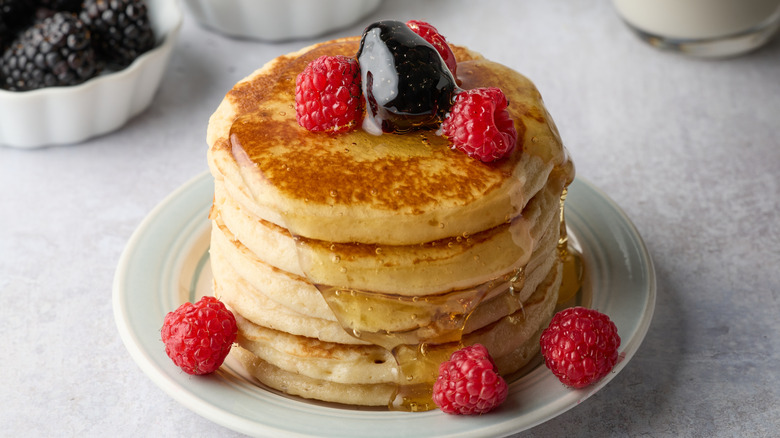
Finally, a crucial piece of advice that applies across most pancake recipes, including those made with yogurt, is to avoid overmixing the batter. Overmixing develops the gluten in the flour too much, leading to tough and dense pancakes. A few lumps in the batter are perfectly acceptable and often preferable to a completely smooth, overmixed batter. The goal is to just combine the ingredients until they are incorporated.
Broader Implications for Home Cooking
The advocacy for using yogurt in pancake recipes highlights a broader trend in home cooking: the exploration and popularization of ingredient swaps and culinary hacks that enhance familiar dishes. As home cooks become more adventurous and seek to optimize their culinary outcomes, ingredients like yogurt, which offer functional benefits beyond their primary role, gain prominence. This shift is fueled by a wealth of information shared across digital platforms, from recipe blogs and cooking websites to social media channels.
The accessibility of such advice means that home cooks can easily experiment with these techniques, leading to a wider variety of enjoyable and expertly prepared breakfasts. The underlying principle—that simple substitutions can yield significant improvements—empowers cooks to be more creative and efficient in their kitchens. The emphasis on techniques like batter resting and egg white whipping also underscores a growing appreciation for the science behind cooking, demystifying complex culinary concepts and making them approachable for the average home cook.
The implications extend beyond just better-tasting pancakes. By encouraging the use of ingredients like yogurt, which are often readily available in most refrigerators, this culinary advice promotes reducing food waste and maximizing the utility of common pantry staples. It encourages a more mindful approach to cooking, where understanding ingredient properties leads to more satisfying and resourceful outcomes. As these insights continue to proliferate, the landscape of everyday home cooking is likely to become even more innovative and delightful.
