
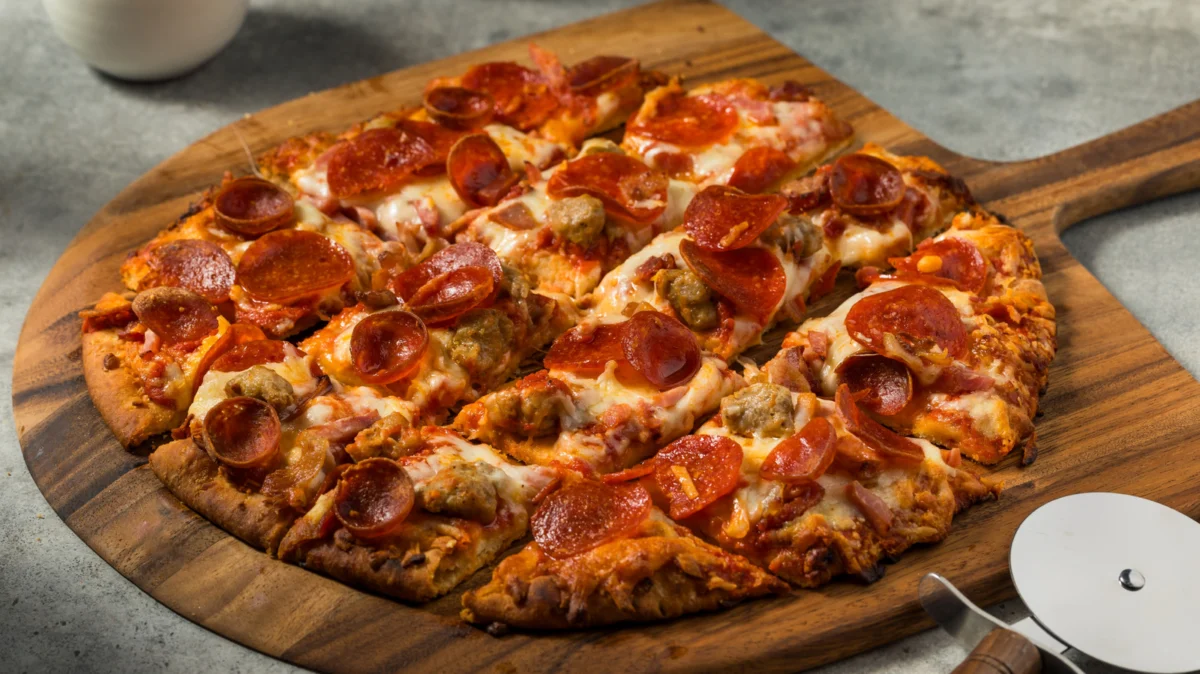
From the pantry staples of wartime necessity to a surprising culinary contender on the global stage, Spam has carved out a unique niche in food history. While its presence on American dinner plates may have waned in recent decades, its journey as a pizza topping offers a fascinating glimpse into evolving tastes, economic influences, and cultural resilience. Once a celebrated addition to the American pizza landscape, particularly in the mid-20th century, Spam has largely receded from mainstream pizza menus in the United States, yet it continues to hold a significant and cherished place in the culinary traditions of other regions, most notably Hawaii and various parts of Asia.
The story of Spam’s integration into pizza is intrinsically linked to its own rise to prominence. Introduced by Hormel Foods in 1937, Spam quickly became a symbol of affordability and convenience. Its long shelf life and high protein content made it an indispensable food item during World War II, serving as a vital ration for Allied troops and a cornerstone of home cooking in the United States and beyond. The economic realities of the Great Depression had already established canned meats as a budget-friendly option, and Spam’s distinct savory flavor, a blend of pork and ham, proved to be surprisingly versatile.
The Dawn of Spam on Pizza: A Mid-Century Innovation
The concept of topping pizzas with a diverse array of ingredients has always been a hallmark of its adaptability. While classic pepperoni and mushrooms remain perennial favorites, the mid-20th century saw a wave of experimentation. It was during this era, likely in the 1950s and 1960s, that Spam found its way onto pizzas. Its similarity to ham, a more traditional pizza topping, made its inclusion a natural progression for many home cooks and pizzerias looking for novel yet accessible options. The canned meat could be easily sliced or diced and added to pizzas before baking, offering a salty, umami-rich counterpoint to the cheese and tomato sauce.
A significant milestone in Spam’s pizza journey occurred in the 1960s when Hormel Foods collaborated with Kraft to create the "Pizzaroo." This promotional initiative, which coincided with the burgeoning popularity of the Hawaiian pizza (invented around the same time), explicitly featured Spam as a key ingredient. The Pizzaroo recipe showcased sliced Spam atop a pizza, layered with cheese and other toppings before being baked. This partnership solidified Spam’s status as a "vintage pizza topping," embedding it in the culinary consciousness of the time. The Pizzaroo concept, while perhaps not a lasting mainstream hit, underscored the perception of Spam as a viable and even desirable pizza component.
The appeal of Spam on pizza during this period can be attributed to several factors. Its affordability made it an attractive option for families and individuals seeking to stretch their food budgets. Furthermore, its robust flavor profile, characterized by its saltiness and a subtle porky richness, offered a distinct taste experience that resonated with palates accustomed to its presence in other dishes like sandwiches and casseroles. For many, adding Spam to a pizza was a simple, no-fuss way to enhance the meal with a familiar and satisfying protein.
The Shifting Tides: Decline in Continental Popularity
The trajectory of Spam’s popularity, however, was not linear. While it enjoyed widespread adoption in the mid-20th century, its prominence began to fade in the continental United States around the 1970s. This decline can be attributed to a confluence of factors. As the American economy evolved and consumer preferences diversified, more "premium" or "gourmet" toppings gained traction. The perception of Spam began to shift, with some viewing it as a less desirable, lower-tier food item compared to freshly prepared meats or more exotic ingredients.
This shift in perception was not necessarily a reflection of Spam’s inherent quality but rather a change in cultural zeitgeist and evolving culinary landscapes. The rise of fast-casual dining and a greater emphasis on "fresh" ingredients further contributed to the marginalization of canned meats on mainstream American menus. While Spam remained a staple in many households for its convenience and value, its presence on pizza menus became increasingly rare, relegated to a nostalgic memory or a niche offering.
Resilience and Renaissance: Spam’s Global Appeal and Hawaiian Embrace
Despite its diminished role in continental American pizzerias, Spam’s story did not end there. In fact, its culinary significance found a powerful and enduring resurgence in regions where it had become a vital part of the food supply chain and cultural identity. Hawaii stands as a prime example. Due to its island geography and historical trade routes, Spam became an integral part of the Hawaiian diet, particularly after World War II. American sanctions and subsequent food shortages in Japan during post-war periods also saw Spam become a crucial protein source.
In Hawaii, Spam is not merely a food item; it’s a cultural icon. Its versatility is celebrated in numerous dishes, from the ubiquitous Spam musubi to its integration into more contemporary fare. Pizza, too, has embraced Spam with open arms in the Aloha State. Hawaiian-style pizzas often feature Spam as a topping, sometimes replacing or complementing the traditional Canadian bacon. This adaptation reflects a fusion of culinary influences, blending the familiar concept of pizza with the beloved local ingredient.
The combination of Spam with other Hawaiian-inspired ingredients creates a unique flavor profile. Think of Spam paired with sweet pineapple, savory crispy pork belly bacon, sharp onions, and a drizzle of barbecue sauce. The rich, salty notes of Spam meld harmoniously with the sweetness of the pineapple and the smokiness of the barbecue sauce, creating a balanced and deeply satisfying taste experience. This fusion demonstrates how Spam can elevate a dish by providing a distinct umami depth that complements a variety of other flavors.
Beyond the traditional Spam and pineapple pairing, variations abound. Teriyaki Spam pizza, for instance, is a popular choice, often featuring bell peppers and canned corn, creating a sweet and savory Asian-inspired flavor profile. Another creative iteration involves maple-flavored Spam, which pairs surprisingly well with the sharp tang of blue cheese, the earthy notes of kale, and roasted mushrooms, offering a sophisticated and unexpected flavor combination. These culinary explorations highlight Spam’s adaptability and its capacity to be a star ingredient in diverse gastronomic contexts.
Supporting Data and Market Trends
The enduring popularity of Spam in Hawaii and other parts of Asia can be substantiated by market data. While precise figures for Spam’s consumption specifically on pizzas are not readily available, its overall sales in regions like Hawaii far outpace those in many mainland states. Hormel Foods has consistently reported strong performance for its Spam products in international markets and specific U.S. territories. For example, Hawaii has been cited as having one of the highest per capita consumption rates of Spam in the world.
Furthermore, the continued presence of Spam on menus at local eateries and even chain restaurants in Hawaii, such as limited-edition offerings at Pizza Hut locations within Hawaii Targets, underscores its ongoing cultural and culinary relevance. These initiatives are not merely novelty acts; they reflect a genuine demand and appreciation for Spam as a pizza topping.
The global reach of Spam extends beyond Hawaii. In countries like South Korea, Spam is a highly valued gift item and a key ingredient in many dishes, including budae jjigae (army base stew), which often incorporates sliced Spam. While not directly a pizza topping, its widespread acceptance in various culinary applications points to its versatility and appeal across different cultures. This global embrace of Spam as a protein source indirectly supports its potential and continued use in pizza, especially in regions where it is a culinary staple.
Broader Impact and Implications
The story of Spam as a pizza topping offers several insightful implications. Firstly, it highlights the dynamic nature of food trends and consumer preferences. What might be considered passé in one region can be a beloved staple in another, influenced by history, economics, and cultural exchange. The decline of Spam on American pizzas is a testament to how rapidly tastes can evolve, driven by globalization, marketing, and a desire for novelty.
Secondly, it underscores the resilience of certain food products. Despite facing challenges to its reputation, Spam has maintained a significant market presence and cultural relevance, particularly in Hawaii. This resilience is a testament to its affordability, versatility, and the deep-seated connections it has forged with specific communities.
Thirdly, the phenomenon of Spam on pizza serves as a case study in culinary adaptation and fusion. As globalized food cultures intersect, ingredients and dishes are constantly reinterpreted and integrated. The Hawaiian adaptation of pizza with Spam is a prime example of how local ingredients and preferences can shape and redefine even the most iconic international dishes.
Finally, the enduring appeal of Spam in certain contexts suggests a broader appreciation for comforting, familiar, and affordable food options. In an era of increasingly sophisticated and often expensive culinary trends, there remains a significant segment of the population that values the straightforward, satisfying flavors that Spam provides. Its continued presence on pizzas in Hawaii and its potential for resurgence in other experimental culinary settings indicate that Spam, and by extension, other "old-school" ingredients, still have a place in the modern food landscape. The journey of Spam from wartime necessity to a celebrated pizza topping, even if only in select regions, is a rich narrative of culinary history, adaptability, and enduring taste.
