
This culinary innovation represents a significant evolution in contemporary American home-cooking efficiency, merging two quintessential comfort food staples into a single, high-protein, multi-textured dish. By integrating the traditional oven-baked meatloaf with a modern, pressure-cooked macaroni and cheese, the Mac and Cheese Meatloaf Casserole addresses a growing demand for "fusion comfort" meals that prioritize both flavor density and time management. This specific preparation method leverages the strengths of diverse kitchen appliances—the dry heat of the oven for browning proteins and the rapid, moist heat of the Instant Pot for emulsifying dairy and pasta—to create a meal that would traditionally require significantly more active labor and cleanup time.
The Evolution of Hybrid Comfort Foods
The emergence of the Mac and Cheese Meatloaf Casserole is not an isolated event but rather part of a broader trend in the domestic culinary landscape. For decades, meatloaf and macaroni and cheese have existed as separate entities on the "blue-plate special" menus of American diners and in the weekly rotations of household kitchens. Meatloaf, a dish that rose to prominence during the Great Depression as a way to stretch expensive protein with fillers like breadcrumbs and oats, provides a savory, umami-rich base. Macaroni and cheese, popularized in the United States by Thomas Jefferson and later commodified by Kraft during the late 1930s, offers a creamy, high-carbohydrate counterpoint.
Market analysts suggest that the combination of these two dishes reflects a "maximalist" approach to home dining that gained momentum during the early 2020s. As consumers spent more time cooking at home, there was a documented surge in the desire for meals that offered psychological comfort and "restaurant-style" novelty. The hybrid casserole format allows for a vertical integration of flavors, where the juices from the meatloaf interact with the cheese sauce, creating a complex flavor profile that is difficult to achieve when the components are served side-by-side.
Technical Chronology of Preparation
The efficiency of the Mac and Cheese Meatloaf Casserole is predicated on a synchronized cooking timeline that utilizes parallel processing. Unlike traditional casseroles that may require sequential cooking of every ingredient before assembly, this method optimizes the user’s time through a two-pronged approach.
Phase I: The Protein Foundation
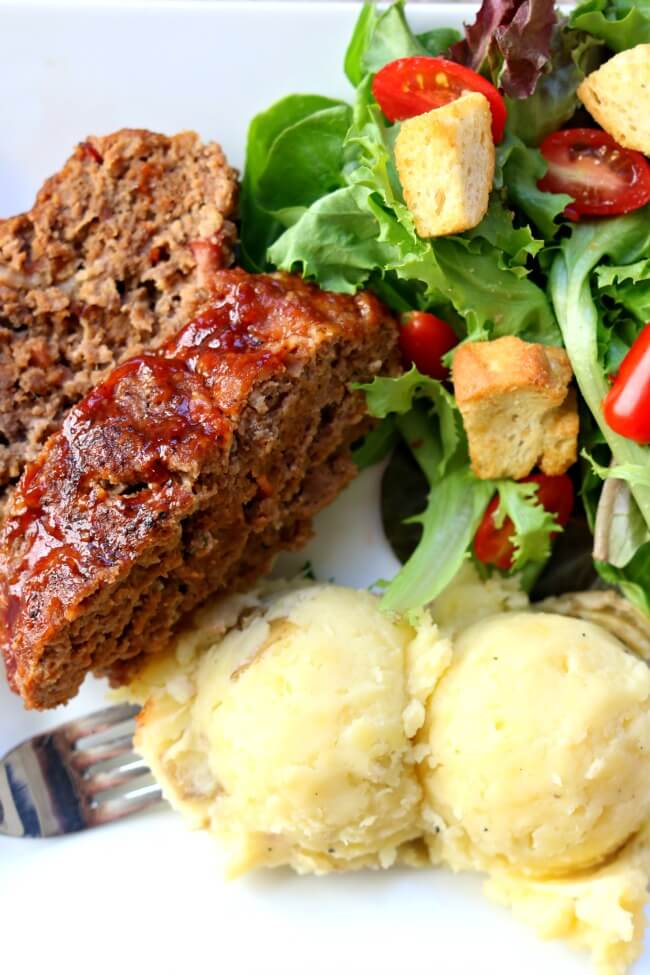
The process begins with the preparation of the meatloaf base. A standard mixture—typically involving ground beef or a blend of meats, binders such as eggs and breadcrumbs, and aromatics—is pressed into an 8×8 inch baking dish. The use of a square dish rather than a traditional loaf pan is a strategic choice; it increases the surface area for the topping and ensures a uniform thickness that promotes even cooking. The meatloaf is placed in a preheated oven to begin the Maillard reaction, the chemical process that browns the meat and develops its characteristic savory flavor.
Phase II: The Instant Pot Intervention
While the meatloaf is undergoing its primary bake, the secondary component is prepared using an Instant Pot or similar electric pressure cooker. This stage is critical for the "speed prep" aspect of the recipe. Traditional stove-top macaroni and cheese requires boiling water, draining pasta, and creating a separate roux-based sauce. In contrast, the pressure cooker allows for a "one-pot" emulsification where the pasta, water, and fats are cooked under pressure, resulting in a creamy consistency in a fraction of the time.
Phase III: Integration and Finishing
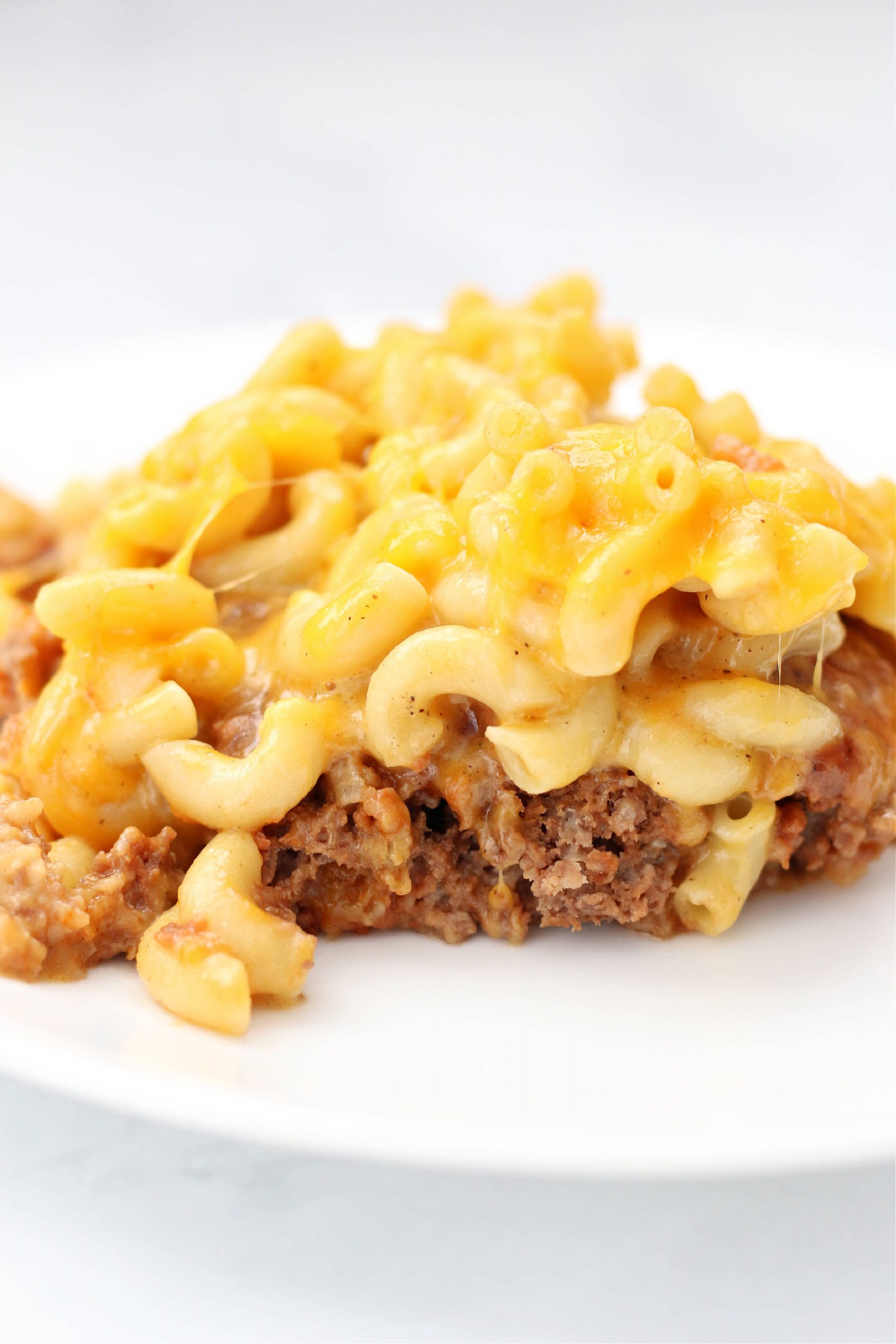
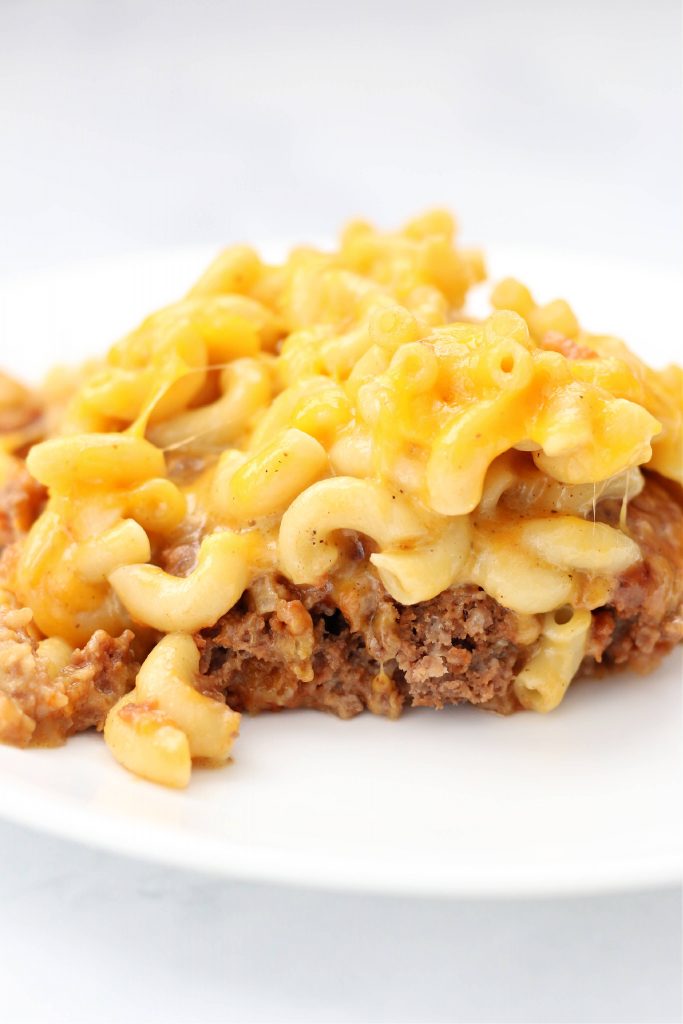
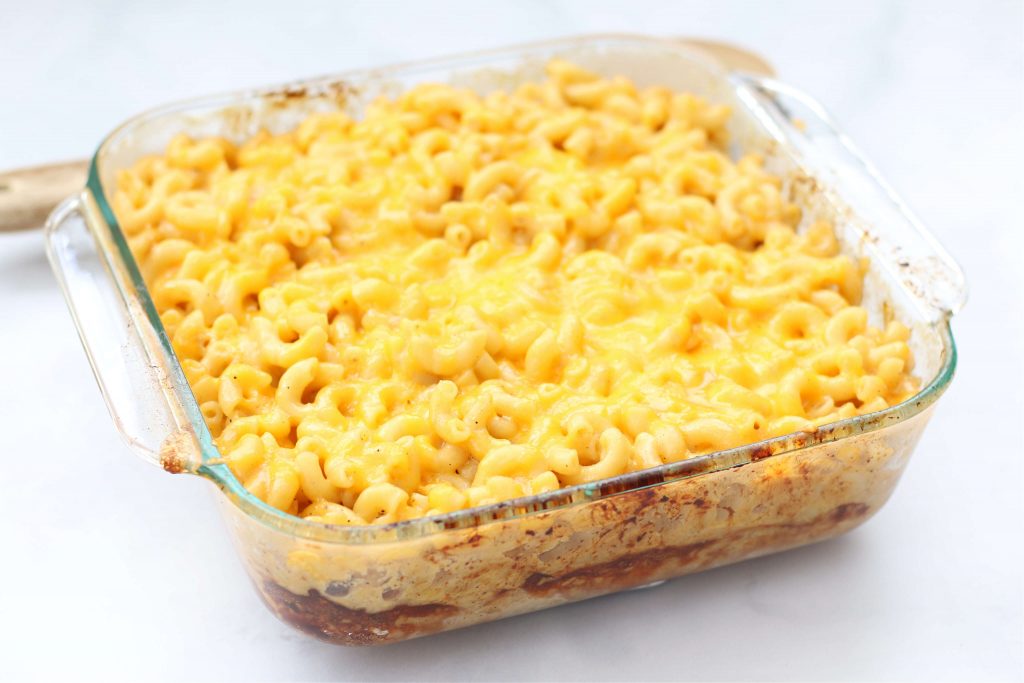
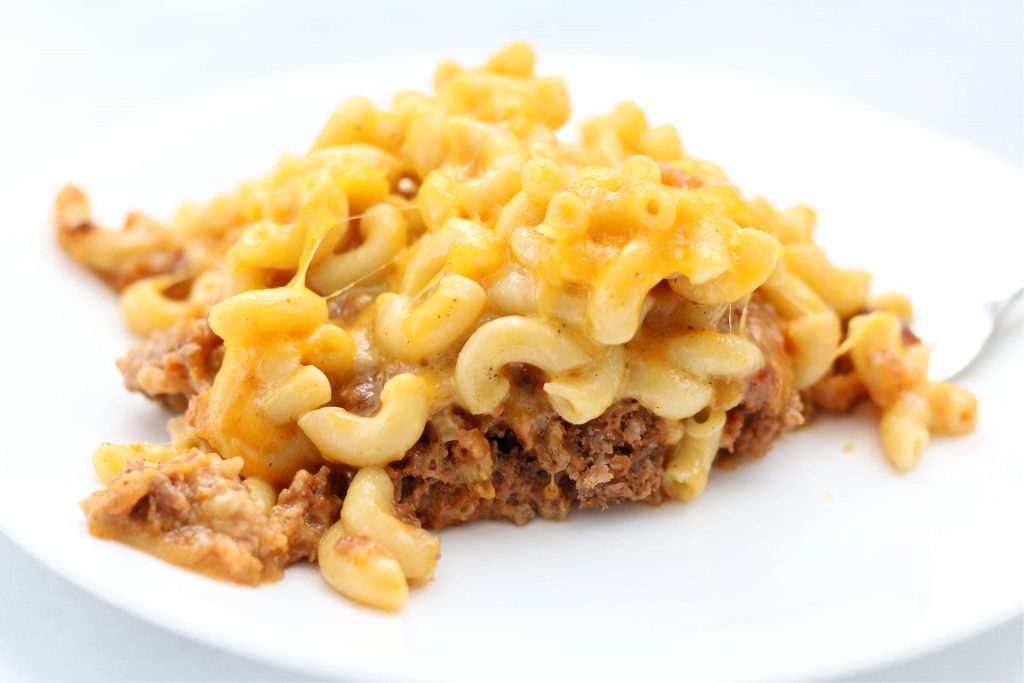
The final stage occurs when the meatloaf is nearly fully cooked. The freshly prepared macaroni and cheese is spooned directly over the meatloaf base. The dish is then returned to the oven for a brief period. This final exposure to dry heat serves two purposes: it sets the cheese sauce, creating a cohesive "casserole" structure, and allows for a slight crisping of the top layer of pasta, providing a textural contrast to the soft interior.
Supporting Data on Kitchen Technology and Efficiency
The adoption of recipes like the Mac and Cheese Meatloaf Casserole is supported by data regarding the saturation of multi-cookers in the global market. According to industry reports, the global electric pressure cooker market was valued at approximately $1.2 billion in 2021 and is projected to grow at a compound annual growth rate (CAGR) of 9.1% through 2028. This growth is driven by a consumer base that is increasingly "time-poor" but "flavor-conscious."
Data from home-cooking surveys indicate that the average household spends approximately 37 minutes on meal preparation during weeknights. By utilizing the Instant Pot for the pasta component while the oven handles the meat, the Mac and Cheese Meatloaf Casserole fits within this window, despite being a "from-scratch" meal. Furthermore, the use of a single baking dish for the final assembly reduces post-dinner labor, a factor that 68% of home cooks identify as a primary consideration when selecting new recipes.
Culinary Analysis and Flavor Synergy
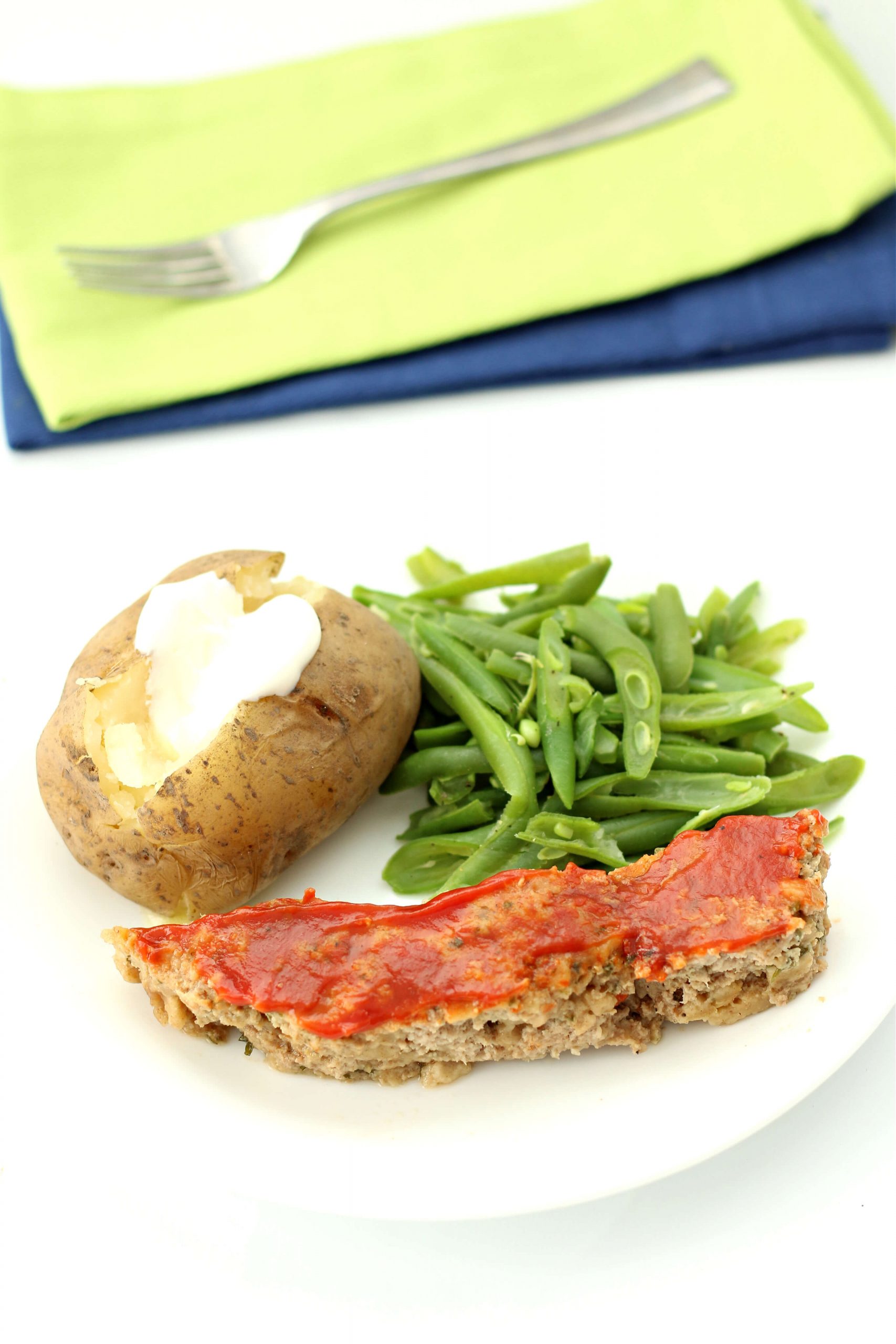
From a gastronomic perspective, the success of this dish lies in the balance of fats, acids, and textures. Meatloaf provides a dense, chewy texture and a deep saltiness, often enhanced by a tangy glaze. The macaroni and cheese introduces a luxurious mouthfeel and a mild, creamy saltiness from the cheddar or processed cheese blends typically used in pressure cooker recipes.
The integration of these two dishes also addresses a common critique of meatloaf: its tendency to become dry. By capping the meatloaf with a layer of cheesy pasta, the cook creates a moisture barrier that traps steam within the meat layer, resulting in a more succulent final product. Conversely, the meatloaf acts as a sturdy "crust" for the macaroni, solving the structural issues often found in soft pasta bakes.

Broader Impact on Meal Planning and Variations
The Mac and Cheese Meatloaf Casserole serves as a gateway to a variety of other "all-in-one" pressure cooker and oven hybrids. Industry influencers, such as Karen Petersen of the "365 Days of Crockpot" platform, have noted that once consumers master the timing of the Instant Pot-to-oven transition, they are more likely to experiment with other complex pairings.
Related recipes that have gained traction following the success of this hybrid include:

- Instant Pot Bacon Barbecue Meatloaf: A variation that incorporates smoky elements and utilizes the pressure cooker for both the meat and side dishes like mashed potatoes simultaneously.
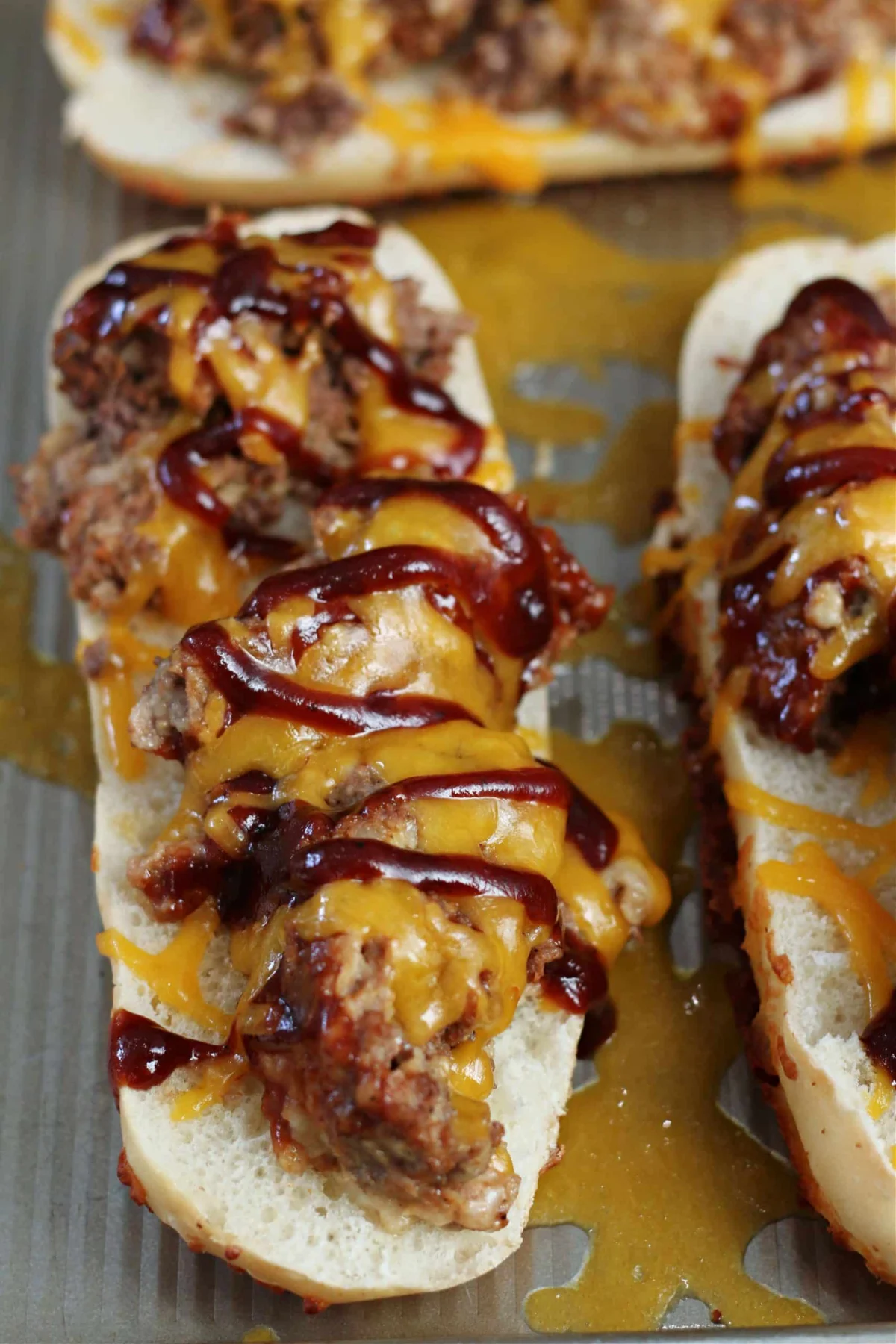
- Meatloaf Melts: A deconstructed version of the casserole served as an open-faced sandwich, further emphasizing the trend toward "comfort-on-comfort" pairings.
- Vegetable-Integrated Macaroni: Versions of the topping that include broccoli or spinach to provide a nutritional balance to the calorie-dense meat base.
Community Response and Economic Implications
While formal "official statements" from culinary institutes on hybrid casseroles are rare, the "social proof" found in digital cooking communities suggests a high rate of adoption. User feedback across food blogs and social media platforms highlights the dish’s appeal to multi-generational households. Parents report that the inclusion of macaroni and cheese makes the meatloaf more "approachable" for children, while the meatloaf provides the satiety required by adults.
From an economic standpoint, the casserole format is highly efficient. It allows for the use of bulk-purchased ground meats and pantry staples like dried pasta. As food inflation continues to impact household budgets, the ability to create a "showstopper" meal from relatively low-cost ingredients is a significant advantage. The Mac and Cheese Meatloaf Casserole represents a modern iteration of the "casserole culture" of the 1950s, updated for the technological capabilities and flavor preferences of the 21st century.
Conclusion: The Future of the American Dinner Table
The Mac and Cheese Meatloaf Casserole is more than a simple recipe; it is a case study in the optimization of the modern kitchen. It demonstrates how traditional flavors can be reimagined through the lens of new technology to meet the demands of contemporary life. As the line between "fast food" and "home-cooked" continues to blur, dishes that offer the speed of the former and the soul of the latter will likely dominate the domestic landscape. This casserole stands as a testament to the enduring appeal of comfort food and the innovative spirit of the home cook who refuses to choose between quality and convenience.
