
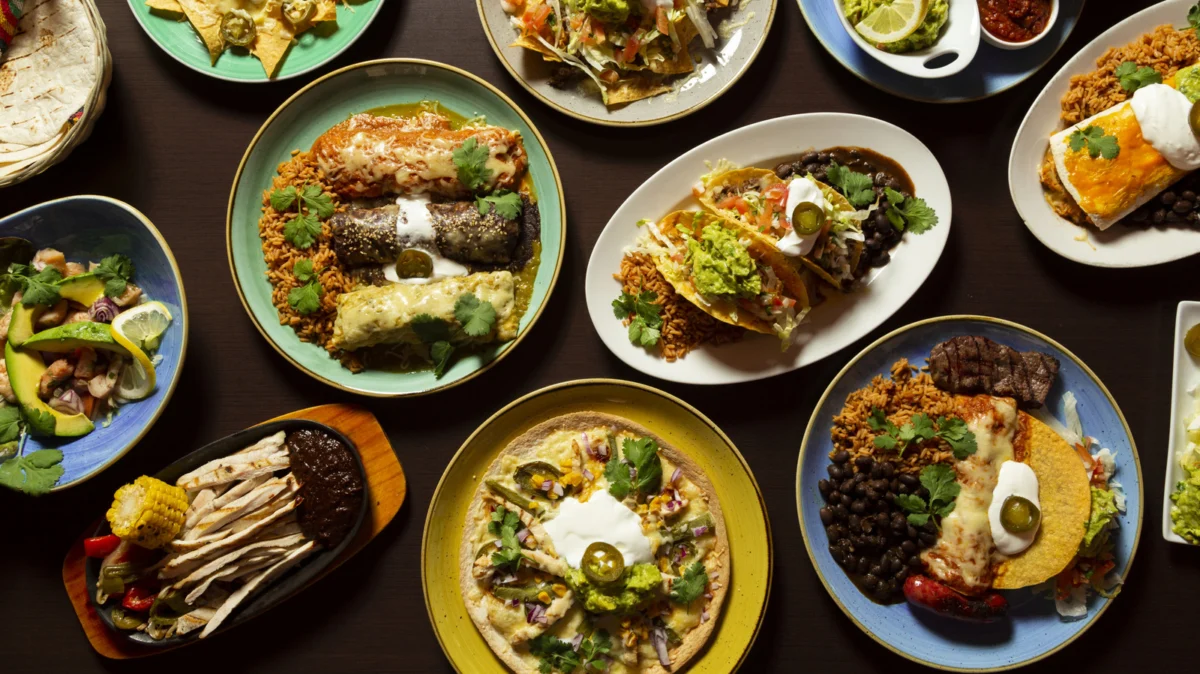
Mexican cuisine, a vibrant tapestry of flavors and traditions, has firmly established itself as a culinary powerhouse in the United States. Its widespread popularity, rivaling that of Italian and Chinese fare, has led to its ubiquitous presence on American dining landscapes, with tacos now as commonplace as burgers. However, despite this familiarity, a significant number of diners often fall into a predictable pattern, overlooking the vast culinary diversity that Mexican restaurants have to offer. This tendency, according to acclaimed Chef Aarón Sánchez, is the most prevalent mistake patrons make when dining out.
Chef Sánchez, a prominent figure in the culinary world, host of "Talking Sabor," and executive producer, shared his insights during a recent appearance at the Nassau Paradise Island Wine & Food Festival. The festival, a highly anticipated annual event that typically convenes in late October, showcases a spectrum of global cuisines and celebrated chefs, drawing food enthusiasts and industry professionals alike. It was in this esteemed setting that Chef Sánchez highlighted a missed opportunity for many diners: the failure to venture beyond the most commonly known dishes.
"I think one of the things that people make the biggest mistake with is they go for things that are very traditional, whether it be an enchilada, tacos," Chef Sánchez stated. This reliance on the familiar, while understandable, means that many are missing out on a rich array of regional specialties and lesser-known delicacies that define authentic Mexican gastronomy.
The Depth and Breadth of Mexican Regional Cuisine
The misconception that Mexican food is monolithic is a disservice to a culinary heritage that spans 32 distinct states, each boasting its own unique ingredients, cooking techniques, and flavor profiles. Mexico’s culinary landscape is not a singular entity but rather a collection of regional cuisines, shaped by indigenous traditions, colonial influences, and local agricultural bounty. From the complex moles of Oaxaca and the rich seafood of the Yucatán Peninsula to the hearty stews of the North and the vibrant street food of Mexico City, the diversity is staggering.
Chef Sánchez acknowledged the inherent challenge restaurants face in representing this vastness. "Sometimes the pressure of Mexican restaurants is to include all 32 regions of dishes, and you can’t do that," he explained. This limitation, however, does not diminish the potential for exploration. Instead, it places the onus on the diner to be more adventurous and to engage with the menu beyond the well-trodden paths.
Beyond tacos and enchiladas, diners are encouraged to explore dishes like birria, a rich, slow-cooked meat stew traditionally made with goat or lamb, often served in its own consommé. Another area ripe for discovery is the realm of moles, a category of complex sauces that can feature dozens of ingredients, including chilies, spices, nuts, seeds, and even chocolate. The subtle nuances and profound depth of flavor in a well-crafted mole can be a revelation for those accustomed to simpler preparations.
Beyond the Staples: Uncovering Underrated Delicacies
Many Mexican restaurants, even those not specializing in a particular region, offer a broader selection than diners often realize. Hidden gems can be found in sections dedicated to tortas, substantial Mexican sandwiches served on a crusty roll, or in spicy pork stews. Seafood sections, too, often feature underappreciated delights such as chili-coated shrimp, a testament to Mexico’s extensive coastlines and its rich tradition of coastal cooking.
When prompted for a specific recommendation to encourage diners to break their usual order, Chef Sánchez pointed to the Chile Relleno. This classic dish, typically consisting of a roasted poblano pepper stuffed with cheese, battered, and fried, is a staple in many Mexican American restaurants. However, its preparation and ingredients can vary significantly.
"I think for me, it would have to say something like a good Chile Relleno," he suggested. While the poblano pepper and cheese filling is common, regional variations exist, utilizing different peppers like Anaheim. Furthermore, the filling itself can be adapted, incorporating shredded chicken, ground beef, or other ingredients, offering a different textural and flavor experience. The appeal of the Chile Relleno lies in its satisfying combination of smoky pepper, melted cheese, and a crisp, golden exterior.
Navigating the Heat: A Server’s Guidance
A common apprehension that might deter diners from exploring dishes like Chile Relleno, particularly those sensitive to spice, is the perceived heat level. Chef Sánchez offered a practical solution: open communication with restaurant staff. He emphasized that servers are invaluable resources for navigating the menu and understanding the nuances of spice.
"If you love Italian cuisine and you’ve been to Calabria and you love chili, because they have Calabrian chili, is that spice level something similar to that?" he posed as an example. By drawing parallels to familiar flavor profiles and spice levels, diners can gain a better understanding of what to expect. Servers, with their knowledge of the menu and ingredient preparation, should be able to guide patrons toward dishes that align with their preferences, even if they are trying something new.
This proactive approach to communication can unlock a world of culinary experiences. The vastness of Mexican cuisine means that for every diner who loves a spicy kick, there is a dish that offers it, and for those who prefer milder flavors, there are equally compelling options. The key is to engage with the available information and trust the expertise of those who prepare and serve the food.
The Broader Impact of Menu Exploration
The implications of diners embracing a more adventurous approach to Mexican restaurant menus extend beyond individual satisfaction. For restaurants, particularly those owned and operated by families or small businesses, it represents an opportunity to showcase their authentic culinary heritage and the unique recipes passed down through generations. When diners consistently order only a few familiar items, it can create a perception of limited offerings, potentially impacting the restaurant’s ability to highlight its full range of dishes.
Furthermore, encouraging exploration contributes to a deeper appreciation of the cultural richness embedded in Mexican cuisine. Each dish tells a story, reflecting the history, geography, and traditions of its region of origin. By stepping outside of comfort zones, diners not only expand their palates but also gain a more nuanced understanding of Mexican culture.
The growth of Mexican food in America is a testament to its adaptability and enduring appeal. However, as it becomes increasingly integrated into the mainstream, there is a risk of its intricate regional variations being overshadowed by a generalized perception. Chef Sánchez’s advice serves as a timely reminder that the true essence of Mexican cuisine lies in its remarkable diversity, and that a little curiosity at the table can unlock a world of delicious discovery. By engaging with the full spectrum of offerings, diners can transform their restaurant experiences from routine to remarkable, celebrating the depth and breadth of this beloved culinary tradition. The next time you find yourself in a Mexican restaurant, consider looking beyond the familiar favorites and embarking on a culinary adventure – your taste buds will thank you.
