
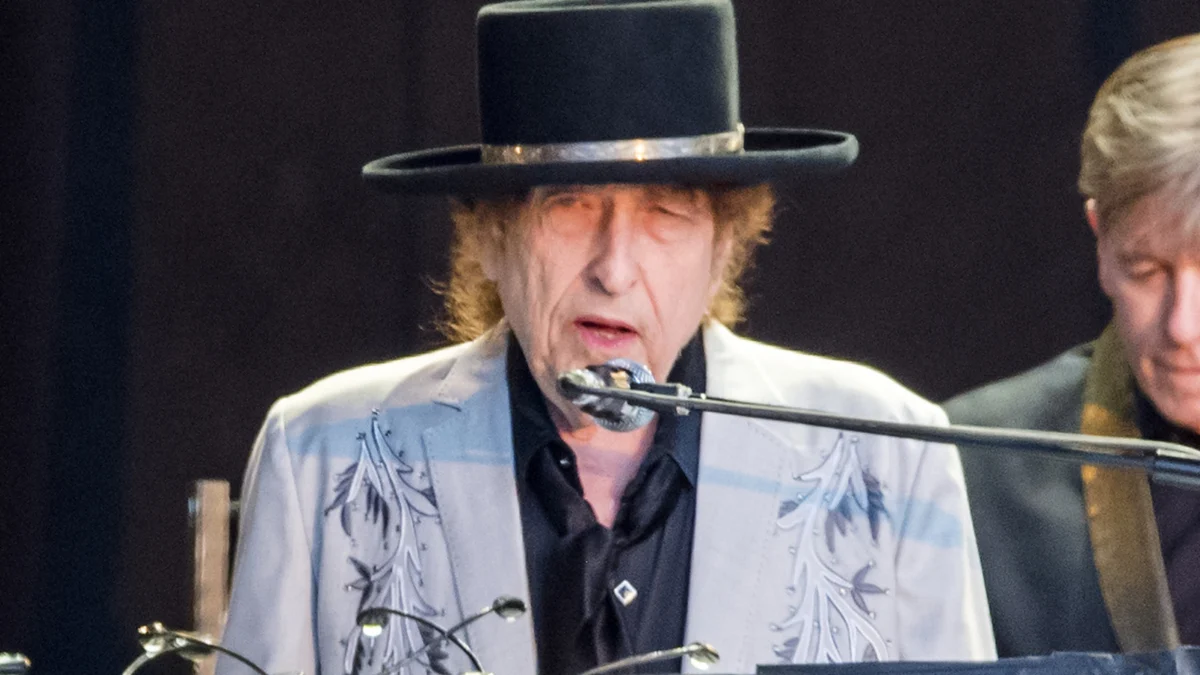
The legendary Bob Dylan, a figure synonymous with lyrical innovation and a Nobel Prize in Literature, has revealed a surprising connection to a ubiquitous American coffee and donut chain: Dunkin’. In his 2022 book, "The Philosophy of Modern Song," Dylan offered a dedication that has caught the attention of fans and cultural observers alike. On the dedication page, amidst the profound reflections on music and artistry, he extended his gratitude to "all the crew at Dunkin’ Donuts." This seemingly understated acknowledgement has sparked curiosity, inviting a deeper look into the iconic musician’s relationship with the popular eatery and the potential layers of meaning behind such a public, yet unconventional, tribute.
The inclusion of Dunkin’ Donuts in a dedication for a book exploring the intricacies of modern songwriting is a juxtaposition that underscores Dylan’s unique approach to expression, both in his music and his prose. While many celebrities, such as actors Matt Damon and the Affleck brothers, have publicly aligned themselves with the brand, even starring in high-profile Super Bowl advertisements, Dylan’s nod comes through a more personal and literary channel. This subtle endorsement, embedded within the foundational acknowledgements of a significant literary work, suggests a more personal and perhaps even philosophical connection than a typical celebrity endorsement.
A Literary Legacy and an Unexpected Acknowledgement
Bob Dylan’s career, spanning over six decades, has been marked by a constant evolution and a profound impact on the landscape of popular music and literature. His Nobel Prize in Literature, awarded in 2016, cemented his status as a literary giant, recognizing his ability to create new poetic expressions within the grand American song tradition. His literary output, while perhaps less prolific than his musical discography, has consistently showcased his distinctive voice and intellectual depth.
"The Philosophy of Modern Song," published in November 2022, is a testament to this literary prowess. The book features over 60 essays that delve into the works and musical styles of a diverse range of artists, from the foundational country sounds of Hank Williams to the sophisticated lyricism of Elvis Costello and the soulful power of Nina Simone. Dylan’s analysis often focuses on the craft of songwriting, dissecting the nuances of melody, rhythm, and lyrical content that contribute to enduring musical pieces. The book even includes an in-depth examination of Marty Robbins’ classic ballad "El Paso," a testament to Dylan’s broad and eclectic appreciation for musical storytelling.
It is within this context of serious artistic contemplation that the Dunkin’ Donuts dedication appears. While Dylan’s earlier work, such as the experimental prose in "Tarantula" (1971), demonstrated a willingness to push boundaries and adopt unconventional voices, his later writings, like "Chronicles: Volume One" (2004), have offered more introspective and narrative accounts of his experiences. The dedication in "The Philosophy of Modern Song" seems to bridge these aspects of his writing, offering a moment of unexpected familiarity within a deeply analytical work.
Tracing the Roots of a Potential Affinity
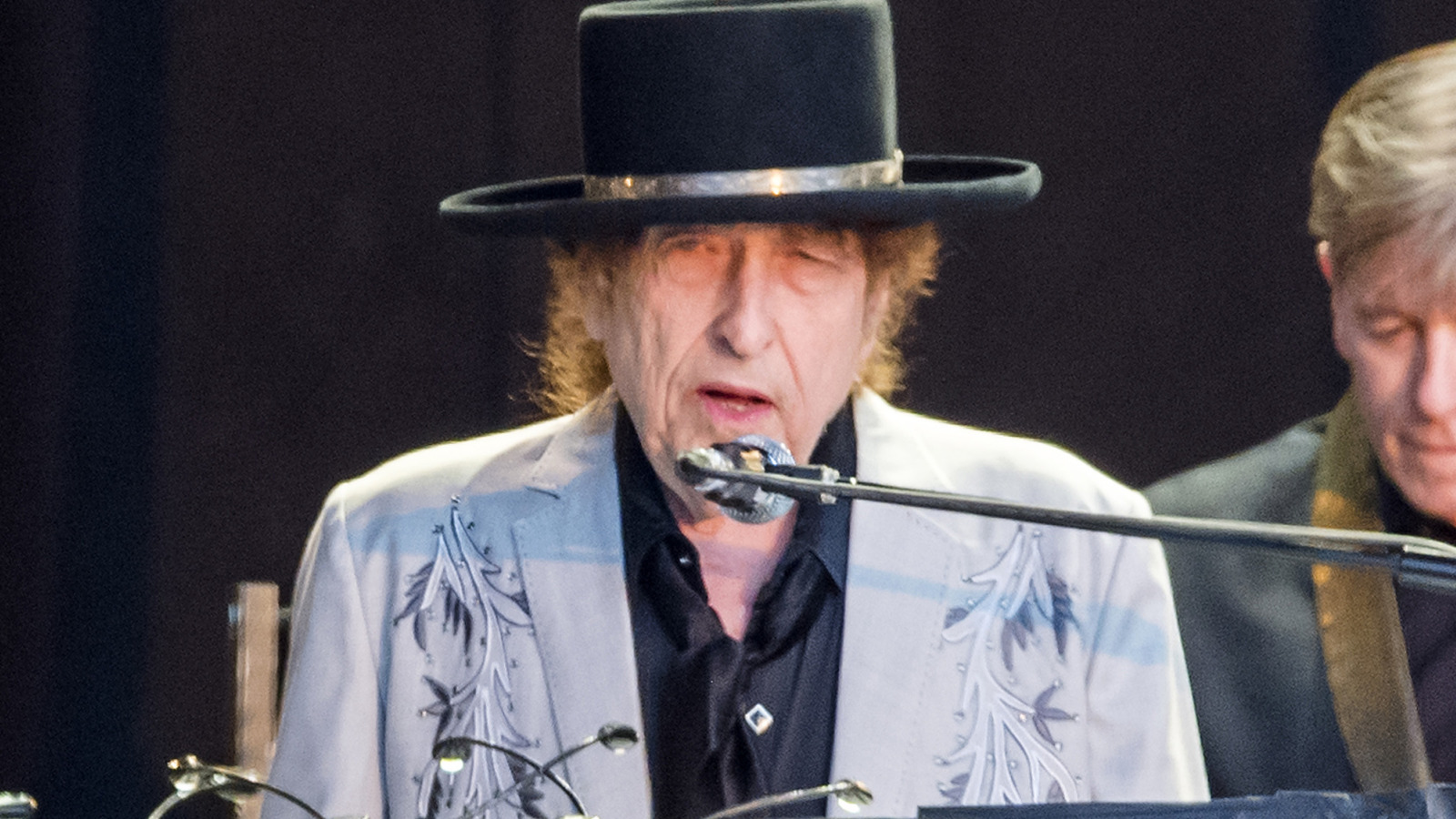
The mention of Dunkin’ Donuts isn’t entirely out of the blue when considering Dylan’s known preferences. Reports and past statements suggest a fondness for various sweet treats. Notably, in 2006, during his weekly radio show, "Theme Time Radio Hour," which ran until 2009, Dylan expressed a particular fondness for figgy pudding, describing it as one of his all-time favorite foods. This appreciation for traditional, often festive, baked goods hints at a palate that might find appeal in the offerings of a bakery-centric establishment like Dunkin’.
The specific context of the Dunkin’ shoutout was further elaborated upon in a December 2022 interview with The Wall Street Journal. At the age of 81, Dylan explained his reasoning for thanking the Dunkin’ crew: "because they were compassionate, supportive, and they went the extra mile." This statement, delivered in Dylan’s characteristically enigmatic style, leaves much to the imagination. It raises questions about the nature of his interactions with the Dunkin’ staff. Was he a regular at a particular location, perhaps one near his home or a frequent touring stop? Did he encounter a specific act of kindness or exceptional service that resonated with him during the writing process of "The Philosophy of Modern Song"? The "extra mile" could refer to anything from accommodating a late-night order to a particularly friendly interaction that provided a moment of solace or inspiration.
While Dylan’s explanation is characteristically open to interpretation, it suggests that his appreciation stems from the human element of service and support, rather than simply the products themselves. This aligns with his broader artistic ethos, which often emphasizes the human condition and the importance of connection, even in seemingly mundane interactions.
Broader Implications and Fan Speculation
The revelation of Dylan’s Dunkin’ dedication has naturally led to a wave of speculation and discussion among his extensive fanbase. The image of the reclusive and often inscrutable artist seeking comfort or inspiration from a readily accessible, everyday establishment like Dunkin’ is a charming counterpoint to his larger-than-life persona. Fans have begun to ponder his potential go-to order, with discussions ranging from classic coffee and donuts to more specific regional favorites. While Dylan himself has not provided these details, the ambiguity only fuels the mystique surrounding his habits.
This unexpected connection also highlights the pervasive nature of brands like Dunkin’ in contemporary American culture. The chain has become an ingrained part of the daily routines of millions, a familiar fixture in towns and cities across the nation. For an artist as deeply embedded in the American cultural fabric as Bob Dylan, an acknowledgement of such a widespread institution, even in a personal context, speaks volumes about its place in the collective consciousness.
A Timeline of Literary and Culinary Connections
- 1971: Bob Dylan publishes "Tarantula," an experimental prose work showcasing his avant-garde literary leanings.
- 2004: Dylan releases "Chronicles: Volume One," the first installment of his autobiography, offering a more narrative and introspective voice.
- 2006-2009: Dylan hosts "Theme Time Radio Hour," during which he expresses a fondness for figgy pudding, hinting at an appreciation for baked goods.
- November 2022: "The Philosophy of Modern Song" is published, featuring a dedication to "all the crew at Dunkin’ Donuts."
- December 2022: In an interview with The Wall Street Journal, Dylan explains his Dunkin’ dedication, citing their "compassionate, supportive" service and how they "went the extra mile."
- May 2025 (Anticipated): Actor Sean Penn is reported to be recording the audiobook for Dylan’s long-awaited "Chronicles: Volume Two," further highlighting Dylan’s continued engagement with literary projects.
- December 31st, 2030 (Listed Pre-order Date): "Chronicles: Volume Two" is listed with a pre-order date, indicating ongoing literary endeavors from the artist.
The "Music Runs on Dunkin’" Phenomenon
The phrase "Music runs on Dunkin’" has become a popular tagline for the coffee chain, often associated with its role in fueling the daily lives of people from all walks of life. While Dylan’s dedication predates the widespread popularization of this specific slogan in its current form, it resonates with the underlying sentiment. His book’s exploration of songwriting, a fundamentally creative and often demanding process, is intrinsically linked to the idea of sustained energy and focus, something a cup of coffee and a quick bite can provide.
The choice of Dunkin’ over other coffee chains might also be attributed to its specific brand identity. Dunkin’ has historically cultivated an image of accessibility, affordability, and down-to-earth appeal, a stark contrast to the more premium or artisanal coffee culture. This aligns with Dylan’s own artistic trajectory, which has often been rooted in the vernacular and the everyday experiences of ordinary people.
Looking Ahead: "Chronicles: Volume Two" and Beyond
The literary world eagerly anticipates the release of "Chronicles: Volume Two," a project that has been in the works for many years. The reported involvement of actor Sean Penn in recording the audiobook adds another layer of intrigue to this highly anticipated sequel to Dylan’s 2004 memoir. While the publication date is currently listed as December 31st, 2030, the ongoing development of such projects underscores Dylan’s continued dedication to his literary pursuits.
As fans await further literary contributions, they can find a subtle connection to the legendary artist in the familiar orange and pink signage of Dunkin’ locations. The fact that "One More Cup of Coffee (Valley Below)," a song from Dylan’s 1976 album "Desire," which turns 50 this year, offers a lyrical echo to the idea of needing sustenance for a journey – perhaps even a journey to the local Dunkin’ – adds a playful layer to this unexpected literary footnote. Bob Dylan’s dedication serves as a reminder that even the most iconic and enigmatic figures can find moments of appreciation in the most ordinary corners of life, and that sometimes, inspiration, much like music, can indeed run on Dunkin’.
