
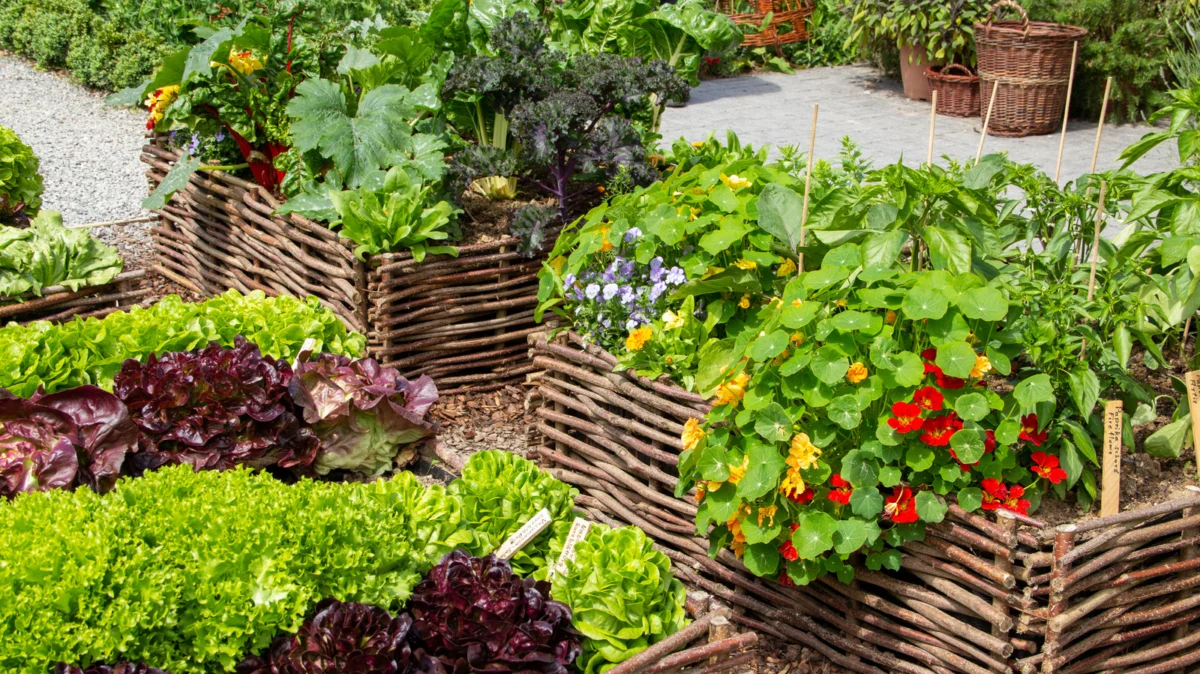
In an era marked by persistent inflation and an increasing awareness of food security, the practice of growing one’s own food has emerged as a vital strategy for enhancing sustainability and self-sufficiency. For individuals with limited outdoor space, raised garden beds offer an accessible pathway to cultivating fresh produce, including organic fruits and vegetables, at a significantly reduced cost compared to retail prices. Raised beds simplify the gardening process for home enthusiasts, providing not only a source of fresh food but also a rewarding physical activity that promotes relaxation and enhances the aesthetic appeal of yards and patios, while simultaneously attracting beneficial pollinators like bees and butterflies. However, as with any horticultural endeavor, careful planning is paramount. Overplanting and selecting inappropriate crops are common pitfalls that can lead to diminished yields and wasted effort. This guide aims to illuminate which fruits and vegetables are best suited for in-ground planting or dedicated containers, rather than sharing the confined environment of a raised bed.
Understanding the Nuances of Raised Bed Gardening
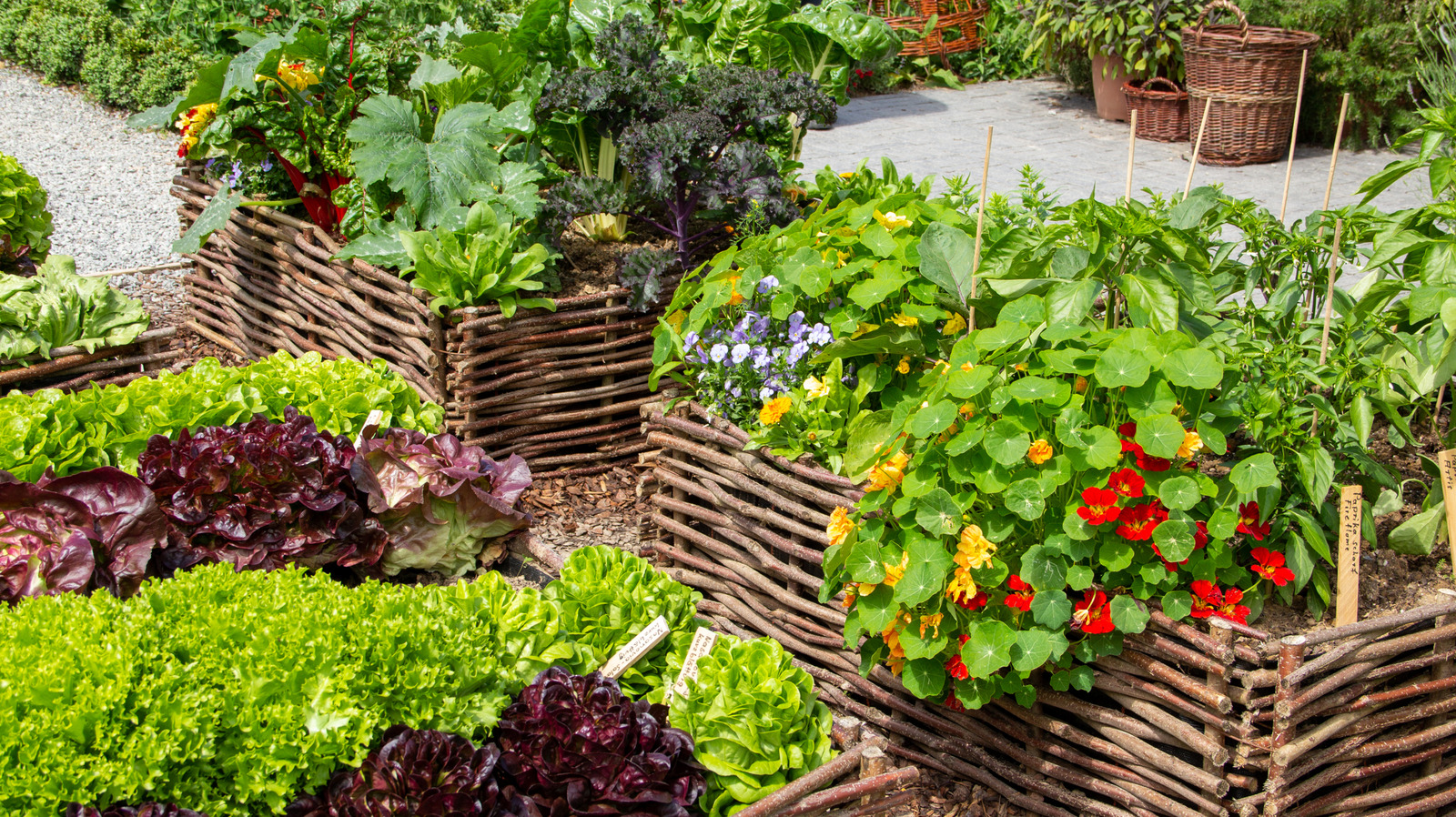
Raised garden beds have revolutionized home gardening, offering numerous advantages such as improved drainage, better soil control, and reduced strain on the gardener’s back. They allow for the cultivation of a wide variety of crops, even in areas with poor native soil. However, the success of a raised bed garden hinges on understanding the specific needs of each plant and how they interact within a shared, albeit elevated, ecosystem. Factors such as root depth, growth habit, nutrient requirements, and spatial needs play a crucial role in determining a plant’s suitability for this popular gardening method. While many plants thrive in raised beds, a select few present unique challenges that necessitate alternative planting strategies.
Artichokes: A Thorny Proposition for Confined Spaces
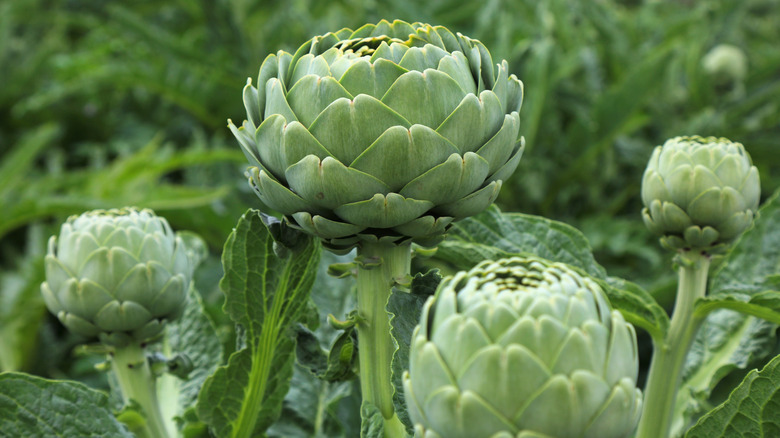
Artichokes, with their robust and somewhat intimidating appearance, are botanical wonders that are, unfortunately, ill-suited for raised beds. These plants are, in fact, the flower buds of a type of thistle, boasting a spectrum of colors from green to deep purple. When mature, they unfurl into striking, bright blue blossoms. While their visual appeal in the garden is undeniable, their extensive growth habit presents a significant obstacle. Artichokes require substantial space to flourish, and their large, thorny leaves can quickly overwhelm a raised bed, making it nearly impossible to cultivate or harvest any other plants in close proximity. Their sprawling nature and need for significant root development favor more expansive in-ground planting.
Asparagus: A Perennial Giant Requiring Deep Roots
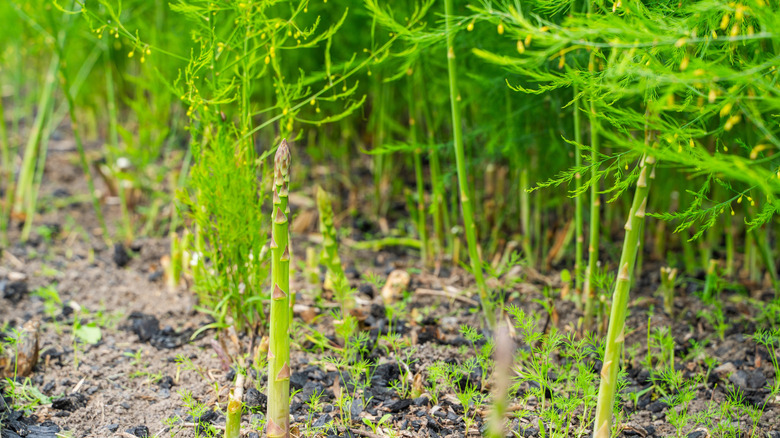
Asparagus is a beloved perennial vegetable, capable of producing harvests for 15 to 20 years. However, this longevity comes with a significant requirement: a deep and complex root system that can extend 10 to 15 feet into the soil. Raised beds, by their very nature, offer limited depth, which is insufficient to support the robust development of asparagus roots. Planting asparagus in shallow beds can result in weak, sparse spears and stunted growth. Furthermore, it typically takes several years for asparagus plants to mature to the point of providing a substantial harvest. Given these constraints, it is far more practical to purchase asparagus from the supermarket rather than dedicating precious raised bed space to a plant that will ultimately underperform.
Blueberries: Acid-Loving Shrubs Best in Solitary Confinement
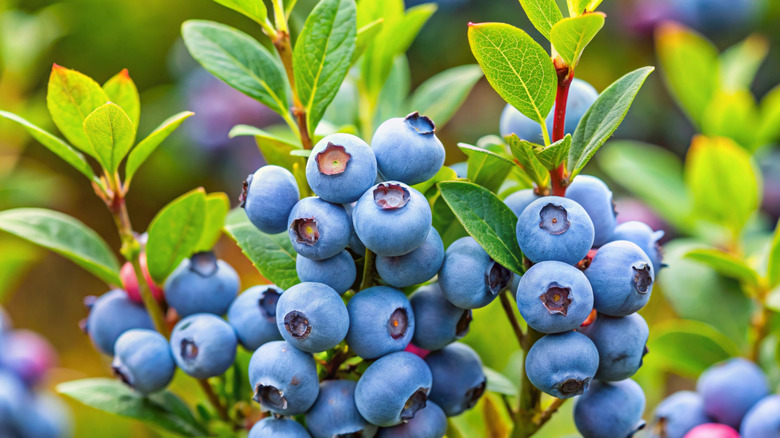
Blueberries are a popular choice for home gardeners, known for their antioxidant-rich berries. While their bushy growth habit might suggest suitability for containers, their specific soil pH requirements make them problematic for shared raised beds. Blueberries thrive in acidic soil conditions, a preference that is often incompatible with the needs of most other common garden vegetables and fruits. This natural affinity for acidity is a key reason for their abundance in regions like Maine, where the soil naturally possesses these characteristics. To ensure optimal growth and prevent soil imbalances, it is recommended to plant blueberry shrubs in large, individual pots. This allows for tailored soil amendments to create the ideal acidic environment, transforming the blueberry bush into a visually appealing and productive focal point in the garden.
Broccoli and Cauliflower: Sprawling Brassicas Demanding Room to Breathe
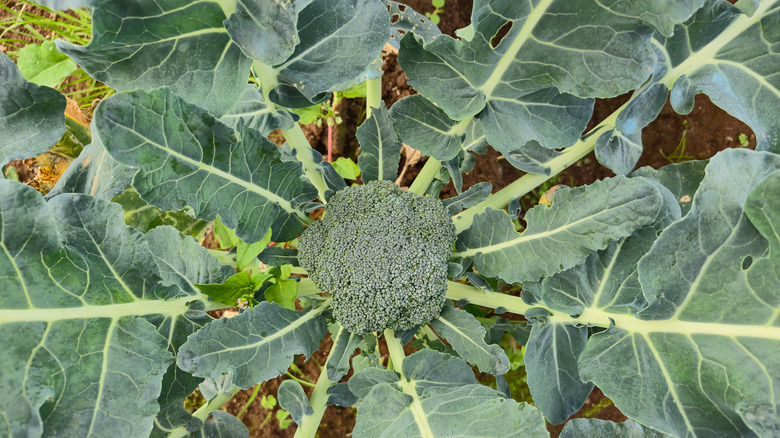
Broccoli and cauliflower, members of the brassica family, are highly sought after for their culinary versatility and nutritional value. However, these crops require ample space to develop fully. Their broad leaves spread widely, potentially shading out or crowding other plants within a raised bed. While these vegetables are undeniably rewarding to grow, they are best cultivated in their own dedicated raised bed if space permits. For a visually striking garden, consider planting a variety of cauliflower colors, including white, yellow, and purple, or the distinctive romanesco, a cousin to broccoli that produces edible florets arranged in perfect geometric spiral patterns. This dedicated approach ensures they have the necessary room to thrive without negatively impacting neighboring crops.
Cane Fruits: Thorny Canes and Sprawling Habits Unsuited for Raised Beds
Blackberries, raspberries, and other cane fruits, while generally easy to cultivate, are notably ill-suited for raised garden beds. As they mature, these plants develop into sprawling, often thorny, entities that require considerable space to grow and bear fruit. Attempting to contain them within a raised bed is often counterproductive. Instead, these fruits are best grown in their own designated area, perhaps against a fence where they can be trellised to facilitate easier harvesting and management. This dedicated space prevents their aggressive growth from encroaching on other garden plots and allows them to spread naturally without compromise.
Corn: A Wind-Pollinated Grain Needing Communal Growth
Grains, such as corn, necessitate ample space to thrive, particularly due to their unique pollination requirements. Corn is wind-pollinated, meaning the stalks must be planted in close proximity to one another to ensure successful pollination and the development of plump kernels. Consequently, corn performs best when planted in the ground in dense rows. Attempting to grow only a few corn plants in a raised bed is generally not worthwhile; the yield is often insufficient, and the space occupied could be better utilized by crops more suited to raised bed conditions. The extensive root system and above-ground growth of corn also make it an inefficient use of limited raised bed real estate.
Melons and Watermelons: Trailing Vines That Dominate
Melons and watermelons are cherished summer treats, known for their refreshing taste and relatively low maintenance. However, their vigorous trailing vines are a significant challenge for raised beds. These plants have a tendency to spread rapidly, quickly consuming all available space and potentially smothering smaller, more compact plants. While seeking out mini melon or icebox watermelon varieties, which are more compact and amenable to container growing, is an option, even these can benefit from trellising to encourage vertical growth. For optimal results and to prevent an unchecked invasion of your garden space, melons and watermelons are best grown directly in the ground or in their own dedicated large containers.
Potatoes: Underground Tubers and Above-Ground Demands
While it is technically possible to grow many varieties of potatoes in a sufficiently large container, they are generally not recommended for shared raised beds. Potatoes develop tubers underground, requiring significant space to expand and flourish. Concurrently, the plants above ground also occupy considerable room. Furthermore, potatoes are notoriously heavy feeders, meaning they can deplete the soil’s nutrient content, potentially starving other plants sharing the same raised bed. The process of harvesting potatoes, which involves digging them up, inevitably disrupts and can damage the root systems of neighboring plants, making this a challenging intercropping scenario.
Rhubarb: A Perennial with Extensive Root Systems
Rhubarb plants are relatively easy to grow and add an attractive element to any garden, yielding stalks that are versatile in both sweet and savory culinary applications. However, like asparagus, rhubarb is a perennial plant with substantial root systems that require ample space to develop properly. Ideally, rhubarb should be grown in large containers or directly in the ground to accommodate its growth needs. In a raised bed, especially when sharing space with other plants, rhubarb may produce thin, weak stalks due to root confinement, thereby diminishing its yield and overall vigor.
Winter Squash and Pumpkins: Space Invaders of the Garden
Winter squashes and pumpkins are prized for their delicious flavor, nutritional benefits, and ease of cultivation. They are excellent choices for expansive gardens where their vines have the freedom to roam and spread. However, within the confines of a raised bed, these plants quickly become dominant, taking over the entire space and leaving little room for other crops to survive. Many experienced home gardeners even question the value of growing pumpkins at home, suggesting that purchasing them from a store is a more practical approach. For raised beds, summer squash varieties are a more suitable alternative, as they tend to be more compact and can be trained vertically on a trellis, maximizing space efficiency.
Strategic Planting for Raised Bed Success
The decision of what to plant in raised beds involves a careful assessment of each plant’s growth characteristics and requirements. By understanding which vegetables and fruits are best suited for in-ground planting, dedicated containers, or trellised growth, gardeners can optimize their raised bed space for maximum yield and enjoyment. Prioritizing compact, well-behaved plants that do not have extensive root systems or aggressive vining habits will lead to a more productive and harmonious gardening experience. This thoughtful approach ensures that the investment in raised beds translates into a bountiful harvest of fresh, homegrown produce.
