
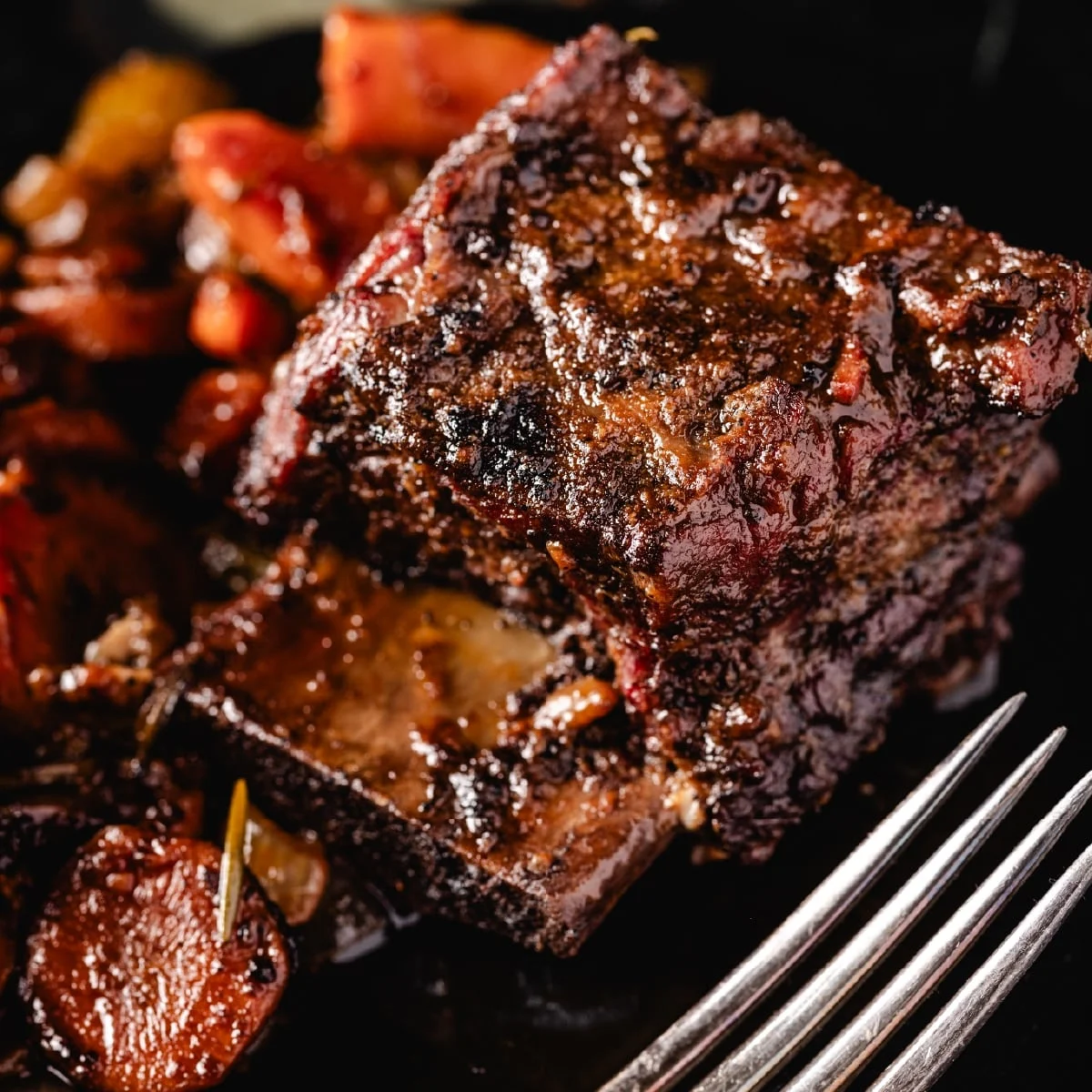
The evolution of backyard culinary practices has seen a significant shift from traditional direct-heat grilling toward complex, multi-stage cooking techniques previously reserved for professional kitchens. Central to this movement is the adaptation of braising—a moist-heat cooking method—to the outdoor grill environment. By utilizing beef short ribs, a cut characterized by high connective tissue and deep intramuscular fat, outdoor enthusiasts are redefining the "Sunday dinner" through a combination of smoke-infused searing and slow, liquid-based simmering. This methodology, popularized by culinary platforms such as Hey Grill Hey, emphasizes the importance of temperature control, flavor layering, and the chemical transformation of tough protein fibers into tender, gelatinous delicacies.
The Anatomy and Selection of the Short Rib
To understand the success of the braised short rib, one must first analyze the raw material. Short ribs are typically harvested from the chuck, plate, or rib sections of the cattle. The specific cut utilized in high-end braising is often the "English cut," where the bone is left in and the meat sits atop it, as opposed to the "flanken style" which is sliced across the bone.

The primary challenge and opportunity with short ribs lie in the presence of the serratus ventralis muscle. This muscle is heavily worked during the animal’s life, resulting in a high concentration of collagen. In a standard grilling scenario, this meat would remain prohibitively tough. However, when subjected to temperatures between 160°F and 210°F over several hours in a pressurized or liquid-submerged environment, the collagen undergoes a process called hydrolysis, transforming into gelatin. This transformation provides the "fall-off-the-bone" texture and rich mouthfeel that defines the dish.
Technical Phase I: The Maillard Reaction and Surface Development
The first critical stage in the preparation of braised short ribs involves the application of a dry rub and a high-heat sear. Professional culinary standards dictate that the meat must be seasoned aggressively to penetrate the thick muscle fibers. Using a foundation of salt, pepper, garlic powder, and onion powder—often referred to as a "Beef Rub"—the cook establishes a baseline of salinity and aromatics.
When the seasoned ribs hit the direct heat of the grill, the Maillard reaction occurs. This chemical reaction between amino acids and reducing sugars creates a complex array of flavor compounds and a characteristic brown crust. In the context of an outdoor grill, this step also introduces a subtle smokiness that cannot be replicated in a traditional indoor oven. The objective of this phase is not to cook the meat through, but to develop a "fond"—a layer of caramelized proteins that will eventually dissolve into the braising liquid, providing depth and color to the final sauce.

Technical Phase II: The Two-Zone Grilling System
Effective outdoor braising requires a sophisticated understanding of thermal management. The "two-zone" grilling method is the industry standard for this process. This configuration involves congregating the heat source (charcoal or gas burners) on one side of the unit while leaving the other side empty.
- Direct Zone: Used for the initial searing of the ribs and the softening of the mirepoix (carrots, celery, and onions).
- Indirect Zone: Used for the long-duration braise. By placing the heavy cast-iron vessel or Dutch oven in the indirect zone, the cook ensures that the liquid maintains a gentle simmer rather than a violent boil, which would toughen the protein fibers.
This spatial arrangement allows the grill to function as a convection oven, circulating hot air around the pot while the liquid inside conducts heat into the meat at a stable, controlled rate.
The Chemistry of the Braising Liquid
The composition of the braising liquid is a study in umami and acidity management. The recipe calls for a strategic blend of red wine, beef broth, and Worcestershire sauce. Each component serves a functional purpose in the flavor profile:

- Red Wine: The tannins and acidity in red wine (typically a dry variety like Cabernet Sauvignon or Merlot) act as a tenderizing agent while providing a bright counterpoint to the heavy fats of the beef.
- Beef Broth: Provides the primary volume of the liquid and reinforces the savory "beefy" notes.
- Worcestershire Sauce and Butter: These ingredients introduce fermented depth and lipid-based richness, respectively. The butter emulsifies with the rendered beef fat to create a glossy, velvet-textured sauce.
The inclusion of mirepoix—a traditional French aromatic base consisting of 50% onions, 25% carrots, and 25% celery—adds natural sugars and earthy notes that balance the salt and acidity of the liquids.
Chronology of Execution: A Timeline for Success
A successful braise is governed by time rather than a strict clock. However, the following timeline represents the standard progression for a six-serving preparation:
- 0:00 – 0:20: Grill preheating and meat preparation. The ribs are brought to room temperature and coated in the dry rub.
- 0:20 – 0:40: The Sear. Ribs are seared on all sides over direct heat until a dark crust forms.
- 0:40 – 1:00: Vegetable Sauté. The mirepoix is softened in a cast-iron pot, often utilizing some of the rendered fat from the ribs.
- 1:00 – 4:00: The Braise. The ribs are submerged in the liquid, the vessel is covered, and moved to the indirect heat zone. The grill lid is closed to maintain a steady ambient temperature.
- 4:00 – 4:15: Final Internal Check. The ribs are monitored until they reach an internal temperature of approximately 210°F.
- Post-4:15: Resting. The meat is allowed to sit in the liquid to reabsorb juices before service.
Nutritional Analysis and Dietary Impact
From a nutritional standpoint, braised short ribs are a high-protein, high-fat dish, making them a significant caloric investment. According to data provided by Hey Grill Hey, a single serving (based on a 6-serving yield) contains approximately:

- Calories: 506 kcal
- Protein: 44g
- Total Fat: 30g (with 14g of saturated fat)
- Sodium: 2,791mg
- Vitamin A: 7,376 IU (primarily from the braised carrots)
The high sodium content is a result of both the beef rub and the reduction of the braising liquid. For health-conscious consumers, this suggests that the dish is best paired with low-sodium sides, such as unseasoned mashed potatoes or steamed greens, to balance the electrolyte intake.
Market Trends and the "Backyard Hero" Phenomenon
The rise in popularity of recipes like Braised Beef Short Ribs is reflective of a broader trend in the outdoor cooking industry. Market research indicates a surge in the "premiumization" of backyard BBQ. Consumers are increasingly moving away from simple hot dogs and hamburgers toward "low and slow" barbecue and artisanal techniques.
Susie Bulloch, the founder of Hey Grill Hey and a prominent figure in the BBQ community, has noted that the goal of these recipes is to empower home cooks to achieve "restaurant-quality" results. This democratization of culinary expertise has led to increased sales in heavy-duty outdoor cookware, such as enameled cast iron and high-end pellet grills, which offer the precision temperature control necessary for successful braising.

Broader Implications for Home Entertaining
The shift toward braising on the grill also has social implications. Unlike traditional grilling, which requires the cook to remain at the station to flip and monitor food, braising is largely "set it and forget it" once the initial sear is complete. This allows the host to engage with guests for the 2.5 to 3-hour duration of the simmer, positioning the grill as a centerpiece of social interaction rather than just a utility.
Furthermore, the versatility of the final product—which can be served over starch or shredded for tacos and sandwiches—makes it a staple for large-scale family gatherings. The "nostalgia factor," often cited by culinary experts, links these modern grill techniques to ancestral methods of hearth cooking, creating a bridge between traditional comfort food and contemporary outdoor lifestyle trends.
In conclusion, the preparation of Braised Beef Short Ribs on an outdoor grill is more than a simple recipe; it is a technical exercise that combines thermodynamics, organic chemistry, and culinary artistry. By mastering the two-zone heat system and the delicate balance of the braising liquid, the modern backyard cook transitions from a hobbyist to a "Backyard BBQ Hero," capable of producing complex, nutrient-dense, and culturally resonant meals.
