
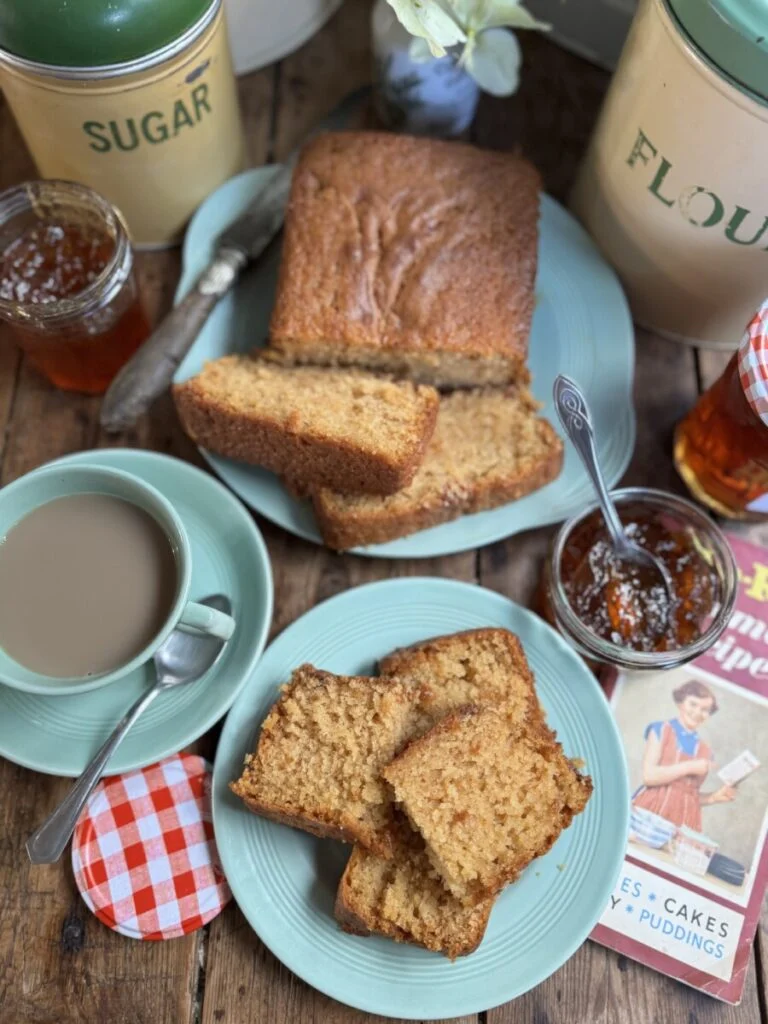
1 February 2026 – Culinary historian and prominent food blogger Karen Burns-Booth of Lavender & Lovage has unveiled an enriched adaptation of a classic British recipe: the Sticky Marmalade Tea Loaf. Drawing inspiration from her extensive collection of vintage Be-Ro cookbooks dating back to the 1940s and 1950s, Burns-Booth has reinterpreted the "Marmalade Cake" into a more contemporary tea loaf format, emphasizing flavour and heritage. This initiative highlights a growing trend among home bakers to rediscover and revitalise recipes from periods of significant culinary adaptation, such as the post-war era in Britain.

The Be-Ro Legacy: A Pillar of British Home Baking

The original recipe for Marmalade Cake, the foundation for Burns-Booth’s Sticky Marmalade Tea Loaf, originates from Be-Ro cookbooks, a series that holds a unique and significant place in British culinary history. Established in the early 20th century by Thomas Bell, Be-Ro initially focused on self-raising flour, quickly becoming a household name. Their cookbooks, first published in 1923, were more than just recipe collections; they served as essential guides for home cooks, particularly through challenging times like the Second World War and the subsequent years of rationing and austerity. During the 1940s and 1950s, when ingredients were scarce and frugality was paramount, Be-Ro recipes became a lifeline, teaching Britons how to create nourishing and delicious meals with limited resources. These cookbooks, often distributed cheaply or even free, fostered a generation of resourceful bakers and cooks. The Marmalade Cake, as featured in these vintage editions, epitomises the era’s ingenuity, leveraging readily available preserves to add flavour and moisture to simple bakes. Burns-Booth’s deliberate choice to revive such a recipe underscores its historical importance and its continued relevance in today’s culinary landscape, where comfort food and a connection to heritage are highly valued.

From Cake to Loaf: Modern Adaptation of a Classic

Burns-Booth’s adaptation transforms the traditional round Marmalade Cake into a more versatile loaf, a format widely appreciated for its ease of slicing and serving, particularly alongside a cup of tea. This seemingly minor alteration reflects a broader evolution in home baking practices, catering to modern preferences for informal enjoyment. A key modification in her rendition is the substitution of margarine, commonly specified in vintage recipes due to wartime shortages and cost-effectiveness, with butter. "The original recipe suggests using margarine, but I always use butter as it gives a better flavour," Burns-Booth states, articulating a preference shared by many contemporary bakers who prioritize taste over historical adherence to ingredient limitations. This shift highlights a return to richer, more indulgent ingredients now that they are widely accessible, moving beyond the necessities of post-war rationing. The resulting 2lb (900g) tea loaf yields approximately 12 slices, making it an ideal candidate for sharing or for extended enjoyment, given its exceptional keeping qualities.

Marmalade: A Quintessential British Preserve

At the heart of this recipe lies marmalade, a preserve deeply ingrained in British culinary identity. While often associated with breakfast, marmalade’s versatility extends far beyond toast, lending its distinctive bittersweet notes to both sweet and savoury dishes. The finest marmalades, particularly those favoured by Burns-Booth, are crafted from Seville oranges. These oranges, known for their thick, intensely bitter peel and high pectin content, are considered ideal for producing the characteristic tartness and firm set that define traditional British marmalade. The seasonal availability of Seville oranges, typically from January to February, makes homemade marmalade a cherished winter ritual for many. The choice of marmalade significantly impacts the tea loaf’s flavour profile, with Burns-Booth recommending either a high-quality commercial product or, ideally, homemade marmalade. This emphasis on ingredient quality reinforces the notion that even simple, heritage recipes can be elevated through careful selection of components, producing a superior end product that resonates with both nostalgia and gourmet appeal. The "sticky" quality of the tea loaf, a direct result of the marmalade, improves with time, becoming even more moist and flavourful days after baking, a testament to the preservative qualities of the fruit spread.

The Enduring Appeal of the Tea Loaf

Tea loaves occupy a special place in British culinary culture, embodying comfort, tradition, and the simple pleasure of an afternoon "cuppa." Unlike elaborate cakes, tea loaves are typically less formal, often fruit-laden, and designed to be enjoyed with a hot beverage. Their history is intertwined with the social ritual of afternoon tea, a practice that gained widespread popularity in the 19th century and remains a beloved tradition. Burns-Booth’s Sticky Marmalade Tea Loaf fits seamlessly into this tradition, offering a wholesome yet indulgent treat. Her practice of serving it as part of her "weekly Sunday Tea Trays" underscores the communal and cherished aspect of such bakes. The simple act of slicing a piece, buttering it or enjoying it plain, evokes a sense of timeless domesticity. The tea loaf’s ability to retain its moisture and flavour for several days makes it a practical choice for busy households, providing a readily available treat without sacrificing quality. This longevity was particularly valuable in the mid-20th century, contributing to its popularity in homes where food waste was minimised.

Preservation and Revival: The Role of Food Bloggers

The work of food bloggers like Karen Burns-Booth plays a crucial role in the preservation and contemporary revival of culinary heritage. In an era dominated by fast-paced cooking and often transient food trends, platforms like Lavender & Lovage act as digital archives, breathing new life into forgotten or underappreciated recipes. By meticulously researching, testing, and adapting vintage recipes, Burns-Booth not only shares a delicious bake but also provides invaluable historical context. This process transforms a mere recipe into a story, connecting modern audiences with the culinary practices and socio-economic conditions of past generations. The act of sharing these recipes, complete with personal insights and photographs, encourages others to engage with their own culinary past and experiment with traditional techniques. This digital dissemination ensures that recipes like the Sticky Marmalade Tea Loaf do not fade into obscurity but continue to evolve and inspire new generations of home bakers, reinforcing the idea that food is a powerful conduit for cultural memory and continuity.

Nutritional Profile and Longevity

The Sticky Marmalade Tea Loaf, as detailed by Burns-Booth, offers a transparent nutritional breakdown. Per serving, it contains approximately 198 calories, 8g total fat (5g saturated, 3g unsaturated), 51mg cholesterol, 80mg sodium, 31g carbohydrates (1g fibre, 26g sugar), and 2g protein. This information, provided for a yield of 12 slices, allows home bakers to integrate the treat consciously into their dietary plans. Beyond its nutritional data, the tea loaf’s notable longevity is a practical advantage. It keeps exceptionally well in a cake tin, maintaining its moistness and developing an even stickier texture over several days. While Burns-Booth notes she has not attempted to freeze it, she suspects it is best consumed within a week of baking to appreciate its optimal texture and flavour. This extended shelf life is a characteristic shared by many traditional British fruit and tea loaves, which were often designed to last and provide sustained sustenance, particularly in periods before widespread refrigeration. The option to make it more "pudding-like" by adding extra marmalade and serving it warm with custard further enhances its versatility, demonstrating how a single base recipe can be adapted for different occasions and preferences.

Broader Culinary Implications

The renewed interest in vintage recipes and heritage baking, exemplified by the Sticky Marmalade Tea Loaf, reflects broader shifts in contemporary culinary culture. There is a growing appreciation for authenticity, provenance, and the stories behind food. Home bakers are increasingly seeking comfort in familiar, time-tested recipes, often in response to the rapid pace of modern life. This movement also touches upon themes of sustainability, as older recipes often make resourceful use of ingredients and minimise waste. Furthermore, the act of baking a heritage recipe can be a meditative and rewarding experience, offering a tangible connection to the past. The Sticky Marmalade Tea Loaf serves as a perfect example of this trend, offering not just a delicious treat but also a slice of history, a reminder of enduring British culinary traditions, and an invitation to participate in their ongoing evolution. It underscores the profound and often understated influence of domestic cookbooks and home cooks in shaping national food identities.
