
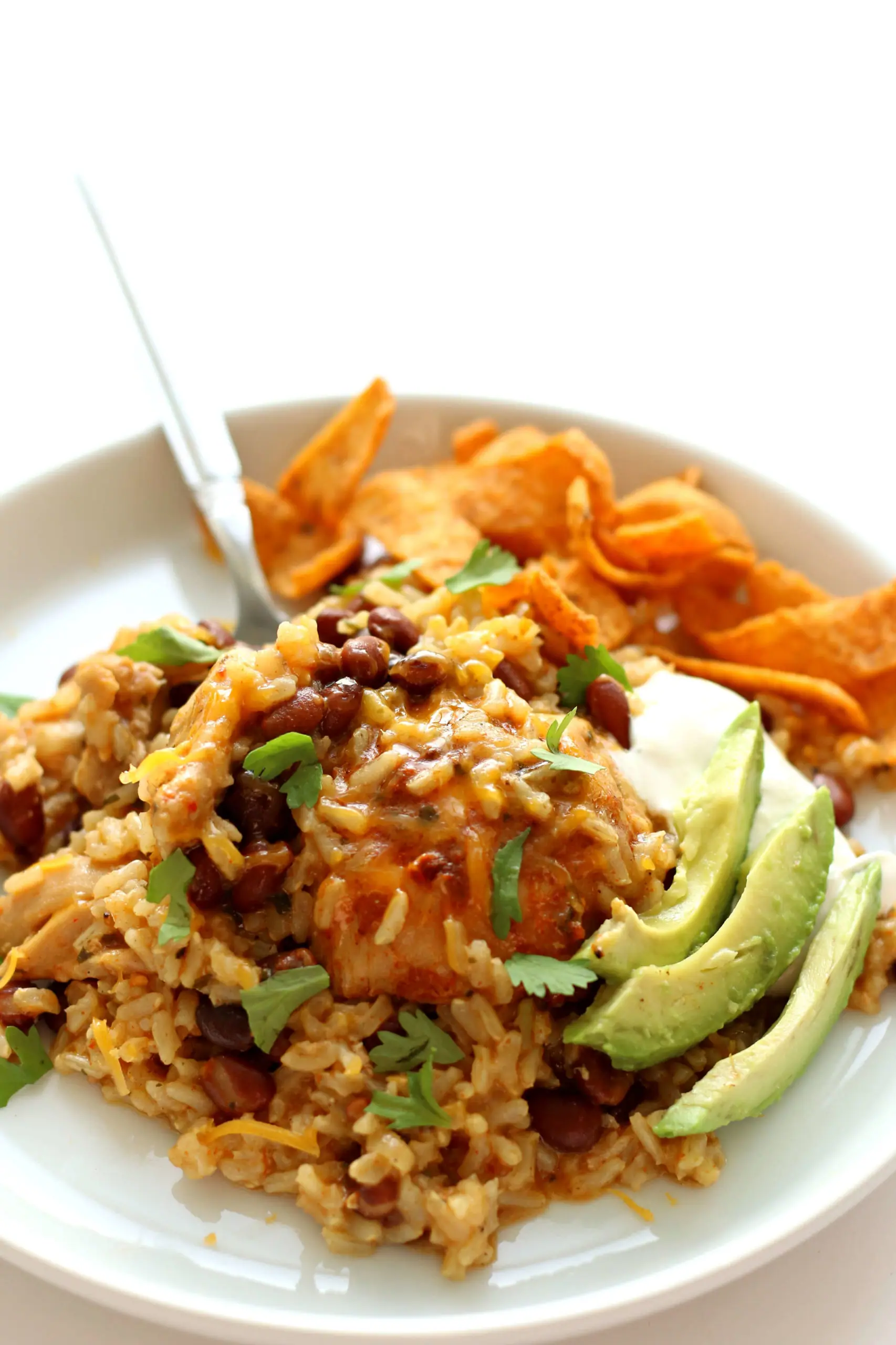
The modern culinary landscape has seen a significant shift toward "one-pot" efficiency, a movement epitomized by the Heavenly Angel Chicken Casserole, a dish that utilizes the Instant Pot to transform traditional comfort food into a streamlined, high-speed preparation. This specific iteration of the classic "Angel Chicken" recipe departs from mid-century norms by substituting condensed canned soups with a sophisticated blend of cream cheese, parmesan, and half-and-half, signaling a broader trend in home cooking toward richer, texture-focused ingredients. As household time constraints continue to influence meal preparation, the emergence of such pressure-cooker-centric recipes reflects a fusion of technological advancement and a desire for domestic nostalgia.

The Evolution of the Casserole and the "Angel" Profile
To understand the significance of the Heavenly Angel Chicken Casserole, one must examine the history of the American casserole. Emerging as a popular dietary staple in the 1950s, casseroles were designed to be economical, utilizing "stretch" ingredients like rice or noodles and shelf-stable binders such as cream of mushroom or cream of chicken soup. The term "Angel Chicken" traditionally referred to a specific flavor profile characterized by its velvety, white sauce—often achieved through butter and Italian seasoning—and its perceived "heavenly" lightness despite its caloric density.
In the contemporary kitchen, the "Angel" moniker has been adapted to include ranch seasoning, a staple of the American pantry that provides a complex flavor profile of buttermilk, garlic, onion, and herbs in a single application. By transitioning this dish to the Instant Pot, cooks have effectively reduced a multi-hour slow-cook or a 60-minute bake into a process that requires only four minutes of active pressure cooking. This transition represents a technological "leapfrogging" of traditional methods, maintaining the flavor integrity of the original dish while catering to the "fast-casual" pace of modern domestic life.

Technical Specifications and Culinary Methodology
The Heavenly Angel Chicken Casserole is constructed through a precise layering technique within the multicooker environment. The process begins with a foundation of chicken broth, followed by the introduction of chicken thighs—preferred by culinary experts for their higher fat content and ability to remain succulent under high-pressure conditions compared to leaner breast meat.
The chronology of the preparation is vital to the dish’s success:

- Foundation: Broth is added to the inner pot to provide the necessary liquid for steam generation.
- Layering: Half of the chicken is placed at the bottom, followed by a layer of long-grain rice, and topped with the remaining chicken. This "sandwiching" of the rice ensures even hydration.
- Seasoning: Ranch dressing mix, salt, pepper, and garlic powder are distributed over the protein.
- Fats and Aromatics: Butter, sweet corn, and blocks of cream cheese are added to the top. Crucially, these fats are not stirred in initially; they are allowed to melt into the rice and chicken during the cooking cycle to prevent the "burn" notice common in high-starch pressure cooker recipes.
- Pressurization: The unit is sealed and set to manual high pressure for a duration of four minutes.
- The Finishing Phase: Following a five-to-ten-minute natural pressure release (NPR)—which allows the rice to finish absorbing moisture without becoming gummy—the lid is removed. The final step involves stirring in half-and-half and grated parmesan cheese, creating an emulsified, rich cream sauce that binds the components together.
Market Trends: The Rise of the Multicooker
The popularity of recipes like the Heavenly Angel Chicken Casserole is supported by significant market data regarding kitchen appliance adoption. According to industry reports, the global multicooker market was valued at approximately $720 million in 2020 and is projected to grow at a compound annual growth rate (CAGR) of over 9% through 2027. This growth is driven by the "convenience culture" and the increasing number of working professionals seeking nutritious, home-cooked alternatives to processed frozen dinners.
The Instant Pot, specifically, has become a cultural phenomenon since its debut in 2010. It has fostered a massive online ecosystem where recipe sharing—such as the various iterations of chicken and rice casseroles—serves as a primary driver of brand loyalty. Data suggests that recipes featuring "ranch seasoning" and "creamy textures" consistently rank among the highest-searched terms in the digital food space, indicating a strong consumer preference for savory, "umami-forward" flavor profiles that require minimal manual labor.

Nutritional Analysis and Ingredient Substitution
A notable aspect of this specific casserole is the intentional omission of "cream of" soups. Historically, these canned products have been criticized for high sodium content and the presence of modified food starches. By utilizing cream cheese and real parmesan, the Heavenly Angel Chicken Casserole offers a "cleaner" label approach to comfort food.
Culinary analysts note that the use of cream cheese provides a more stable emulsion under pressure than dairy milk, which can curdle. Furthermore, the inclusion of sweet corn provides "pops" of sweetness that balance the saltiness of the parmesan and ranch seasoning. For consumers seeking a regional variation, the addition of diced green chiles—a "Southwest" modification—introduces capsaicin and acidity, which can cut through the richness of the cream sauce, providing a more complex sensory experience.

Inferred Consumer Response and Culinary Impact
While official statements from culinary institutes on specific home-style casseroles are rare, the "reaction" to this style of cooking can be measured through the lens of social media engagement and food blog traffic. Recipes that promise "one-pot" cleanup and "dump-and-start" simplicity typically see higher retention rates among millennial and Gen X demographics.
Culinary experts suggest that the "stick-to-your-ribs" nature of the Heavenly Angel Chicken Casserole serves a psychological function as well as a physiological one. In times of economic or social stress, consumers gravitate toward creamy, carbohydrate-rich foods that evoke a sense of security. The ability to produce such a meal in under 20 minutes (including pressurization time) reduces the "barrier to entry" for home cooking, potentially decreasing a household’s reliance on high-sodium fast food.

Broader Implications for the Food Industry
The success of the Heavenly Angel Chicken Casserole and its counterparts (such as the "Ridiculous Casserole" or "Peek-A-Boo Chicken") has forced the broader food industry to adapt. Grocery retailers have noted an uptick in the sale of "shortcut" ingredients like pre-shredded parmesan, bottled ranch seasoning, and frozen corn.
Furthermore, the "Instant Pot effect" has influenced how poultry is marketed. There is an increasing demand for boneless, skinless chicken thighs—the primary protein in this casserole—as consumers learn that thighs are more "forgiving" in pressure cookers than breasts. This shift in demand impacts poultry processing and pricing at the wholesale level.

Conclusion: The Future of High-Speed Comfort Food
The Heavenly Angel Chicken Casserole is more than a simple recipe; it is a case study in the intersection of tradition and technology. By taking the flavor profiles of the past and applying them to the hardware of the present, home cooks are redefining the "casserole" for a new generation. The dish’s reliance on pantry staples, its rapid cooking time, and its departure from processed canned binders reflect a sophisticated understanding of modern kitchen dynamics.
As the trend toward "all-in-one" cooking continues to evolve, it is likely that we will see further refinements in these recipes, perhaps incorporating more ancient grains or diverse vegetable profiles. However, the core appeal of the Heavenly Angel Chicken Casserole—its ability to provide a "heavenly," creamy, and satisfying meal with minimal effort—ensures its place in the permanent rotation of the contemporary American kitchen. The move toward efficiency does not, in this instance, come at the cost of flavor, but rather serves as a catalyst for culinary innovation within the home.
