
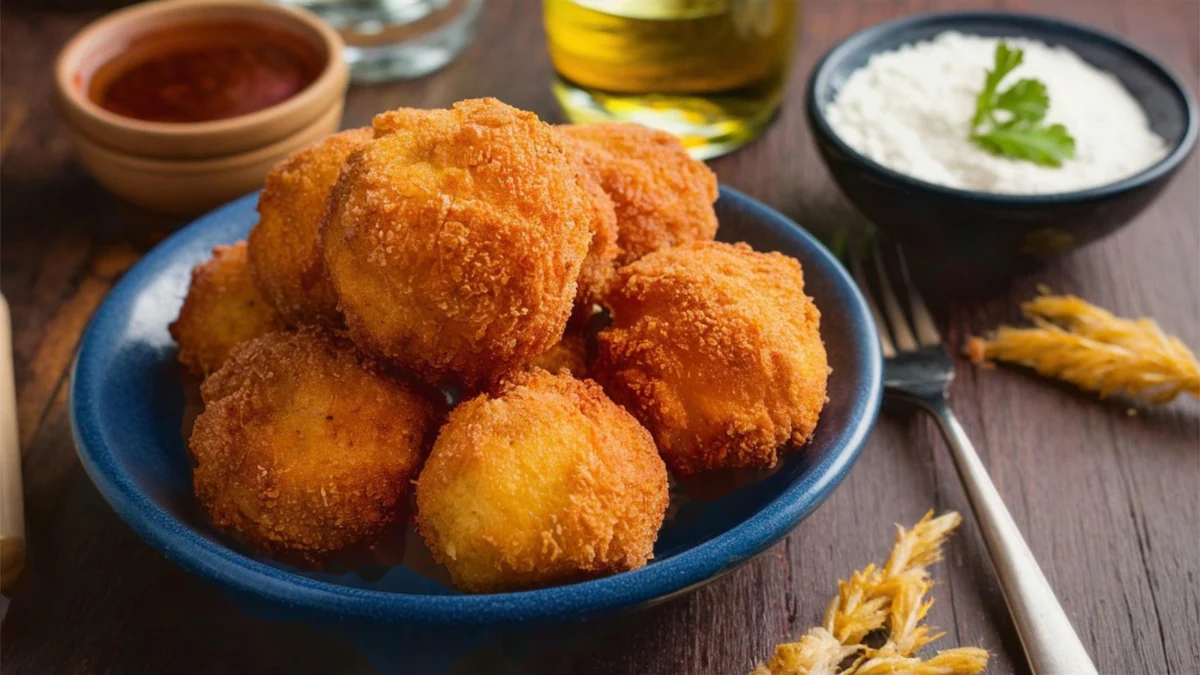
While McDonald’s is globally recognized as a titan of the burger industry, its culinary repertoire extends beyond beef, with a significant presence in both chicken and fish offerings. The iconic Chicken McNuggets stand as a testament to the chain’s success in the poultry market, yet the Filet-O-Fish has also cultivated a devoted following, with an impressive 300 million units sold annually, underscoring its enduring appeal to a substantial customer base. This consistent demand for its fish products undoubtedly prompted McDonald’s to explore further ventures into the seafood segment of its menu. However, not all seafood innovations have achieved the same level of sustained popularity. The company’s foray with Fish McBites, a bite-sized, battered, and fried fish product akin to its chicken nuggets, proved to be a fleeting chapter in McDonald’s menu history, ultimately failing to secure a permanent place.
The Fleeting Debut of Fish McBites
Introduced in February 2013, Fish McBites were launched with considerable fanfare, intended to commemorate the 50th anniversary of the beloved Filet-O-Fish. The campaign included a memorable, albeit unusual, television commercial featuring a dancing Fish McBite accompanied by a catchy tune titled "Fishy Fishy." Despite this marketing effort, the novelty and promotional push were ultimately insufficient to generate the sustained consumer interest required for the product’s longevity on the menu.
The initial reception to Fish McBites was notably lukewarm. Within a mere month of their debut, reports began to surface indicating disappointing sales figures. A CBS News article published in March 2013 highlighted the struggles of Fish McBites, noting their failure to significantly impact the company’s overall sales during a period of market challenges for McDonald’s. This trend continued, and by the end of the same month, news broke that the product was being pulled from shelves. The entire lifecycle of Fish McBites on the McDonald’s menu spanned less than three months, marking one of the chain’s shortest-lived menu items.
Reasons Behind the Discontinuation
Several factors likely contributed to the rapid demise of Fish McBites. At the time of their introduction, McDonald’s was navigating a period of sluggish sales growth. The company was under pressure to introduce menu items that could quickly capture consumer attention and drive immediate sales. Fish McBites, despite their marketing, failed to achieve this critical momentum.
The marketing campaign itself may have also played a role in its downfall. The animated dancing fish commercial, while attention-grabbing, was met with a degree of public mockery and was perceived by some as quirky or even bizarre, potentially detracting from the product’s appeal rather than enhancing it. Furthermore, for loyal patrons of the Filet-O-Fish, the taste profile of the Fish McBites did not resonate. Some consumers noted that the flavor of the Alaskan pollock used in the McBites differed significantly from the white fish used in the Filet-O-Fish, leading to a sense of disconnect and disappointment for those expecting a similar culinary experience. The smaller, more processed nature of the McBites may have also failed to satisfy the desire for a more substantial fish sandwich option.
A Pattern of Menu Experiments and Failures
The swift discontinuation of Fish McBites is not an isolated incident in McDonald’s extensive history of menu innovation. The global fast-food giant, with its vast operational scale and long-standing presence in the market, has a well-documented track record of introducing experimental products, some of which have met with less-than-ideal outcomes.
While iconic items like the Big Mac and the aforementioned Filet-O-Fish have achieved legendary status, McDonald’s has also experimented with a wide array of other offerings that have since faded into obscurity. Among these are the McPizza, McSpaghetti, and the Hula Burger, each representing different attempts to diversify the menu and cater to a broader range of tastes.
A Look at Other Notable Menu Stumbles:
- McPizza: Launched in the late 1980s and early 1990s, the McPizza was McDonald’s attempt to enter the pizza market. It was reportedly a large, thin-crust pizza cooked in a special oven. Despite its ambitious concept, the McPizza struggled to gain traction and was eventually discontinued due to logistical challenges and a lack of widespread consumer appeal, particularly in a market already saturated with dedicated pizza chains.
- McSpaghetti: Similar to the McPizza, McSpaghetti was an attempt to tap into the popularity of Italian cuisine. Introduced in some international markets, particularly the Philippines, it offered a serving of spaghetti with a sweet-style sauce. While it found a niche in certain regions, it never achieved global adoption and was eventually phased out.
- Hula Burger: This vegetarian offering, introduced in the 1960s, featured a grilled pineapple ring topped with cheese on a bun. It was an early attempt at a meat-free option but failed to capture the imagination of consumers, who were primarily seeking traditional meat-based fast food. It is often cited as one of McDonald’s earliest significant menu missteps.
Seafood Ventures Beyond McBites:
The company’s ventures into seafood have also seen their share of challenges. The McLobster roll, a premium seafood item, was available in select locations in the northeastern United States and Canada for a period. However, its discontinuation was attributed to several operational hurdles, including the complexities of sourcing, storing, and handling fresh lobster meat, as well as the inherent seasonality and niche appeal of such a product within the fast-food context. The logistical demands and cost associated with maintaining a consistent supply of high-quality lobster proved to be significant challenges for a mass-market fast-food chain.
Other Short-Lived Innovations:
- Muffin Toppers: Introduced in 2018, these were essentially the tops of muffins, intended to offer a quick, sweet treat. The concept, possibly inspired by a pop culture reference, did not resonate strongly with consumers, and they were removed from the menu by 2019.
- Mozzarella Sticks: In 2015, McDonald’s trialed mozzarella sticks as a potential addition to its appetizer and snack offerings. However, their launch was marred by significant controversy. A class-action lawsuit was filed by a customer alleging that the mozzarella sticks did not, in fact, contain actual cheese, a claim that challenged the product’s fundamental premise. The case was eventually settled, and the mozzarella sticks were discontinued, leaving a negative mark on this particular product launch.
The Strategy of Limited-Time Offers
McDonald’s approach to menu development often involves a strategic use of limited-time offers (LTOs). This strategy serves multiple purposes. Firstly, LTOs allow the company to test consumer appetite for new products without committing to a permanent menu slot. This iterative process of introduction, evaluation, and potential discontinuation helps McDonald’s gauge market response, refine product concepts, and gather valuable consumer feedback.
If an LTO product proves exceptionally popular and demonstrates strong sales potential, it may be considered for permanent inclusion on the menu. Conversely, if a product fails to gain traction or encounters significant issues, its limited run prevents the company from incurring long-term costs associated with widespread rollout and ongoing production. This approach acts as a risk mitigation strategy, allowing McDonald’s to innovate and adapt while minimizing the financial and reputational impact of failed ventures, thereby avoiding repeated "Fish McBites" scenarios. The company’s extensive menu experimentation, therefore, is not merely a series of random attempts but a calculated effort to identify future successes while learning from past challenges.
