

From its humble beginnings in medieval France to its ubiquitous presence on modern menus worldwide, the quiche stands as a testament to culinary versatility, offering a harmonious blend of eggs, dairy, and a myriad of savory fillings encased in a delicate pastry or enjoyed in its increasingly popular crustless form. This adaptable dish transcends traditional meal boundaries, effortlessly transitioning from a hearty breakfast or elegant brunch centerpiece to a satisfying lunch or a sophisticated weeknight dinner, proving its status as a foundational recipe in any home cook’s repertoire. Its simple yet profound appeal lies in its capacity for customization, allowing for an endless array of ingredient combinations that cater to diverse tastes and dietary preferences.
The Historical Roots and Evolution of Quiche
The term "quiche" itself is believed to derive from the German word "Kuchen," meaning "cake," a linguistic clue to its origins in the Lorraine region of France, which historically bordered Germany. The original "Quiche Lorraine" was a much simpler affair, traditionally featuring an open-faced pastry tart filled with a custard made from eggs and cream, lardons (small strips of cured pork fat), and sometimes cheese, though cheese was not always part of the earliest iterations. This was a peasant dish, born out of necessity, utilizing readily available ingredients like leftover bread dough for the crust and eggs from the farm.

Over centuries, as culinary traditions evolved and ingredients became more accessible, quiche began its transformation. The inclusion of Gruyère cheese became a hallmark of Quiche Lorraine, adding a nutty depth that elevated its flavor profile. By the 20th century, quiche had firmly established itself in French gastronomy, eventually making its way across the Atlantic, gaining significant popularity in North America during the 1970s. Its reputation as a sophisticated yet approachable dish solidified, making it a staple at brunches, luncheons, and casual dinners alike. This historical trajectory highlights not just its endurance but also its inherent adaptability, allowing it to absorb new ingredients and cultural influences while retaining its core identity.
Deconstructing the Quiche: Crust, Custard, and Creative Fillings
At its heart, a quiche is essentially a savory egg custard baked within a pastry shell, though contemporary interpretations frequently omit the crust. Understanding its components is key to appreciating its versatility and mastering its preparation.
-
The Crust: Traditionally, quiche relies on a shortcrust pastry, offering a buttery, flaky foundation that contrasts beautifully with the creamy filling. However, the modern culinary landscape has embraced variations. Refrigerated pie crusts offer convenience, while more adventurous cooks might experiment with phyllo dough for a lighter, crispier texture. The rise of health-conscious eating and gluten-free diets has also propelled the popularity of crustless quiches. These versions maintain the rich, savory filling without the added carbohydrates and calories of a traditional crust, making them an excellent option for those managing dietary restrictions or seeking a lighter meal. Examples like the Crustless Quiche Lorraine demonstrate that the essence of the dish remains potent even without its conventional casing, proving that the filling is truly the star.

-
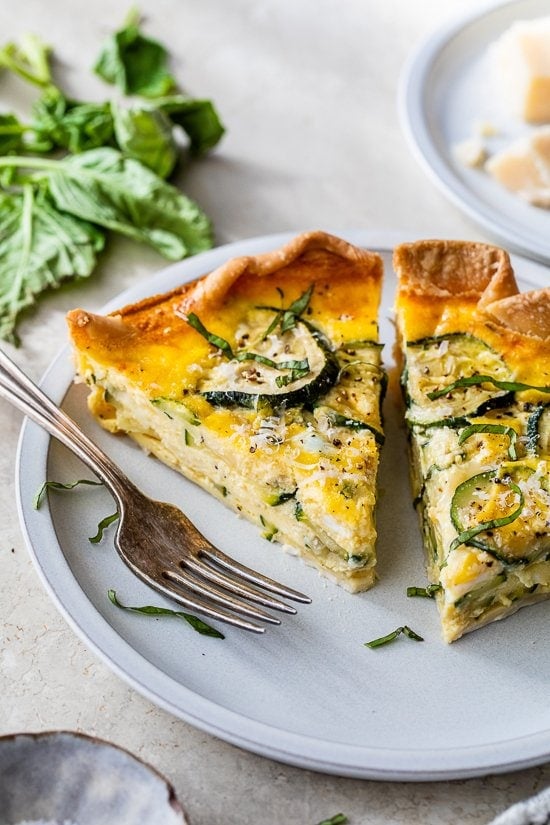
The Custard Base: The soul of any quiche is its rich, velvety custard. This typically comprises eggs, often whisked with milk, cream, or a combination of both. The ratio of eggs to dairy is crucial for achieving the perfect texture—firm enough to hold its shape when sliced, yet yielding and creamy. For lighter alternatives, some recipes utilize only egg whites or substitute full-fat cream with milk or even Greek yogurt, creating a less caloric but equally satisfying base. The Zucchini Quiche, for instance, showcases how vegetables can be integrated into a creamy, cheesy base without requiring heavy cream, relying on a blend of cheeses for richness.
-
The Fillings: This is where quiche truly shines in its adaptability. Almost anything one might include in scrambled eggs or an omelet can find a home in a quiche.
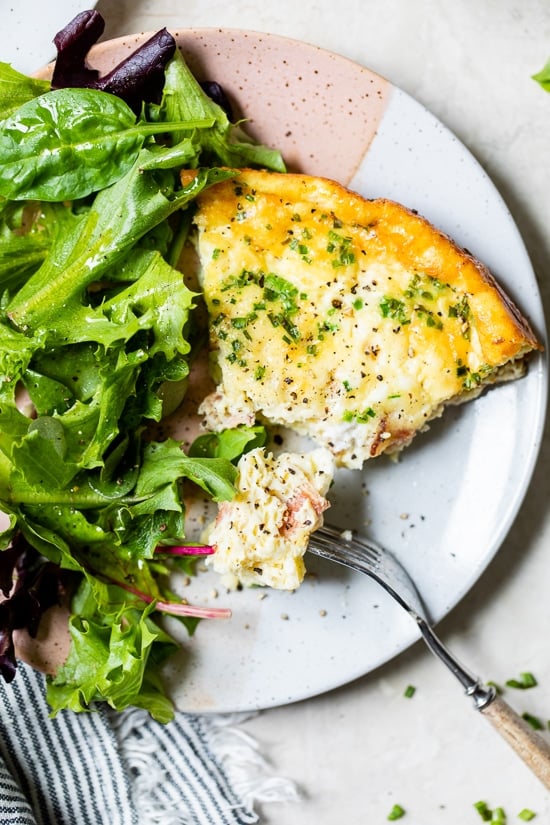
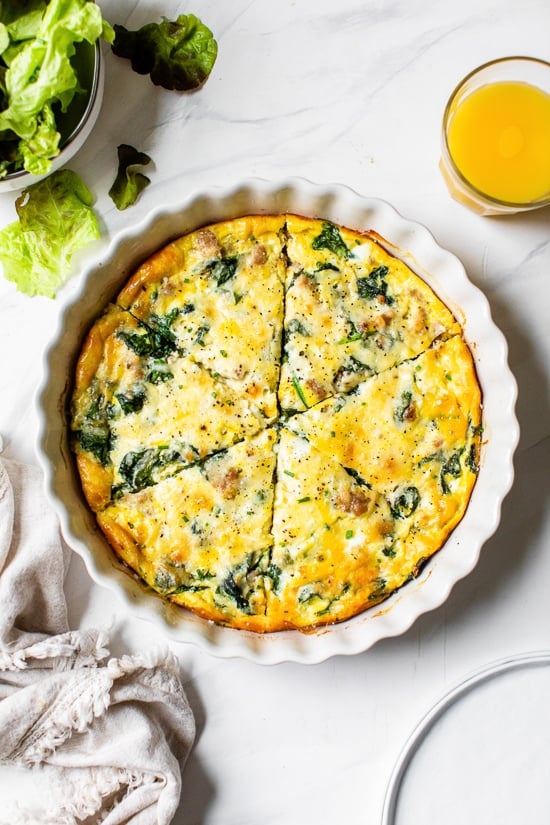
- Proteins: Classic choices include bacon (as in Quiche Lorraine) and ham, but the options extend to cooked sausage (like in a Sausage and Spinach Quiche), shredded chicken (as seen in Chicken Quiche Recipe), or even seafood like shrimp or smoked salmon. These additions provide substance and flavor, transforming the quiche into a hearty main course.
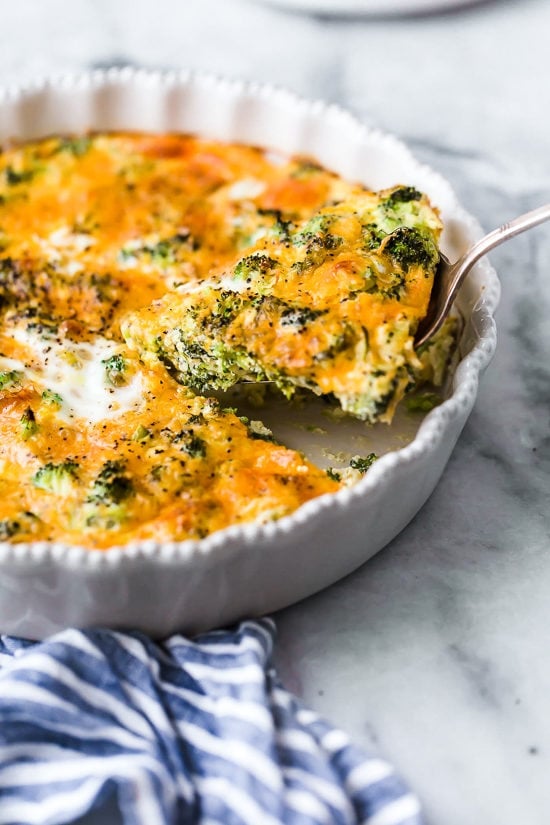
- Vegetables: Quiche is an excellent vehicle for incorporating a variety of vegetables, often serving as a clever way to use up leftover produce. Spinach, broccoli (Crustless Broccoli Cheddar Quiche), zucchini, mushrooms, onions, leeks, bell peppers, and asparagus are common choices. Their inclusion not only adds nutritional value but also introduces diverse textures and colors. Seasonal vegetables can dictate the quiche of the day, making it a dynamic and ever-fresh option.
- Cheeses: Cheese is almost always a welcome addition, contributing flavor, creaminess, and a delightful savory note. Gruyère is traditional, but cheddar, Swiss, mozzarella, feta, goat cheese, and ricotta (as in Spinach Ricotta Quiche) are frequently used, allowing for a wide range of flavor profiles from sharp to mild, tangy to creamy.
- Seasonings: Beyond salt and pepper, herbs like chives, parsley, thyme, and dill complement the savory flavors. Spices such as nutmeg, paprika, and a touch of cayenne can add warmth and subtle complexity, while a dash of hot sauce introduces a welcome kick. The Crustless Potato Jalapeño Quiche exemplifies this, blending Tex-Mex spices like chili powder and cumin with the heat of jalapeños and the heartiness of potatoes for a unique twist.
Quiche: A Culinary Chameleon for Every Meal and Lifestyle
The inherent flexibility of quiche makes it suitable for virtually any meal of the day and adaptable to various dietary needs and occasions.

- Breakfast and Brunch: Given its egg base, quiche is a natural fit for the morning meal. It offers a more substantial and elegant alternative to scrambled eggs, particularly when hosting guests for brunch. Its ability to be prepared ahead of time makes it a stress-free option for entertaining.
- Lunch: A slice of quiche, perhaps accompanied by a simple green salad, makes for a light yet satisfying lunch. It’s an excellent candidate for packed lunches, holding up well and being equally delicious served at room temperature or gently reheated.
- Dinner: When paired with a robust salad, roasted vegetables, or a light soup, quiche transforms into a complete and comforting dinner. Its versatility allows it to be as simple or as elaborate as desired, making it a go-to for both busy weeknights and more relaxed weekend evenings.
- Mini Quiches and Appetizers: Scaling down the traditional quiche into smaller, individual portions, such as Mini Quiche with Ham and Cheese or Petite Crust-less Quiche, makes them ideal for appetizers, party platters, or even as delightful components of a buffet. They offer convenient portion control and are visually appealing.
- Dietary Adaptations: The modern emphasis on healthy eating has seen quiche adapt gracefully. Crustless versions cater to low-carb and gluten-free diets, while the strategic use of vegetables and lean proteins can significantly enhance its nutritional profile. For vegetarians, options like Spinach Ricotta Quiche and Crustless Broccoli Cheddar Quiche provide flavorful and protein-rich meals without meat, demonstrating its inclusive appeal.
Nutritional Profile and Modern Culinary Trends
From a nutritional standpoint, quiche can be a remarkably wholesome dish. Eggs are a complete protein source, rich in essential amino acids, vitamins D and B12, and choline. When loaded with various vegetables, quiche becomes a fantastic way to increase fiber, vitamins, and minerals in one’s diet. The dairy component provides calcium, while cheese adds a dose of protein and fat.

Contemporary culinary trends frequently emphasize whole foods, meal prepping, and customizable options, all areas where quiche excels. Its "make-ahead" potential is a significant advantage for busy individuals. A large quiche baked on a Sunday can provide nutritious meals for several days, reducing the need for last-minute cooking. This aligns perfectly with the growing demand for convenient yet healthy food solutions. Furthermore, the inherent ability of quiche to utilize seasonal produce not only enhances flavor but also supports sustainable eating practices by reducing reliance on out-of-season or imported ingredients.
Expert Insights on Quiche’s Enduring Appeal
Culinary historians and professional chefs often point to quiche’s "culinary blank canvas" quality as the secret to its enduring popularity. "The beauty of quiche," remarks Chef Isabelle Dubois, a renowned French pastry chef, "is its inherent simplicity coupled with boundless potential. It’s a dish that respects tradition while inviting innovation, making it accessible to both novice and experienced cooks." Food critics frequently laud its ability to be simultaneously comforting and elegant, a rare combination that ensures its place on diverse restaurant menus, from casual cafes to upscale bistros. Nutritionists, too, commend quiche when prepared mindfully, highlighting its capacity to deliver a balanced meal rich in protein and micronutrients, especially when lean meats, abundant vegetables, and lighter dairy options are chosen.
Practical Considerations: Storage and Freezing

Beyond its versatility in preparation, quiche also excels in practicality, particularly concerning storage and freezing, making it an ideal candidate for meal planning.
- Refrigeration: Leftover quiche should be stored in an airtight container or tightly wrapped in plastic wrap to prevent it from drying out or absorbing other odors from the refrigerator. When properly stored, it will typically last for 3 to 4 days. It’s advisable to consult specific recipes, as certain additional ingredients might slightly alter this recommended storage period.
- Freezing: Quiche makes an excellent freezer meal, offering a convenient solution for future meals, especially when an abundance of eggs or seasonal ingredients is available. To freeze a quiche effectively, first bake it as normal and then allow it to cool completely to room temperature. This step is crucial to prevent ice crystal formation, which can compromise texture. Once cooled, wrap the entire quiche or individual slices tightly in plastic wrap, followed by a layer of aluminum foil. This double wrapping provides maximum protection against freezer burn. Properly wrapped, quiche can be stored in the freezer for up to 3 months. When ready to enjoy, thaw the quiche overnight in the refrigerator, then reheat it gently in a preheated oven (typically around 350°F or 175°C) until warmed through, often covered with foil to prevent the crust from over-browning.
In conclusion, quiche, whether a classic Lorraine or a contemporary crustless creation, embodies the pinnacle of culinary adaptability. Its rich history, straightforward preparation, and endless customization options ensure its continued relevance in kitchens across the globe. From a quick, nourishing breakfast to an elegant dinner party showstopper, quiche remains an invaluable and beloved dish, promising satisfaction and culinary delight with every wholesome bite.
