
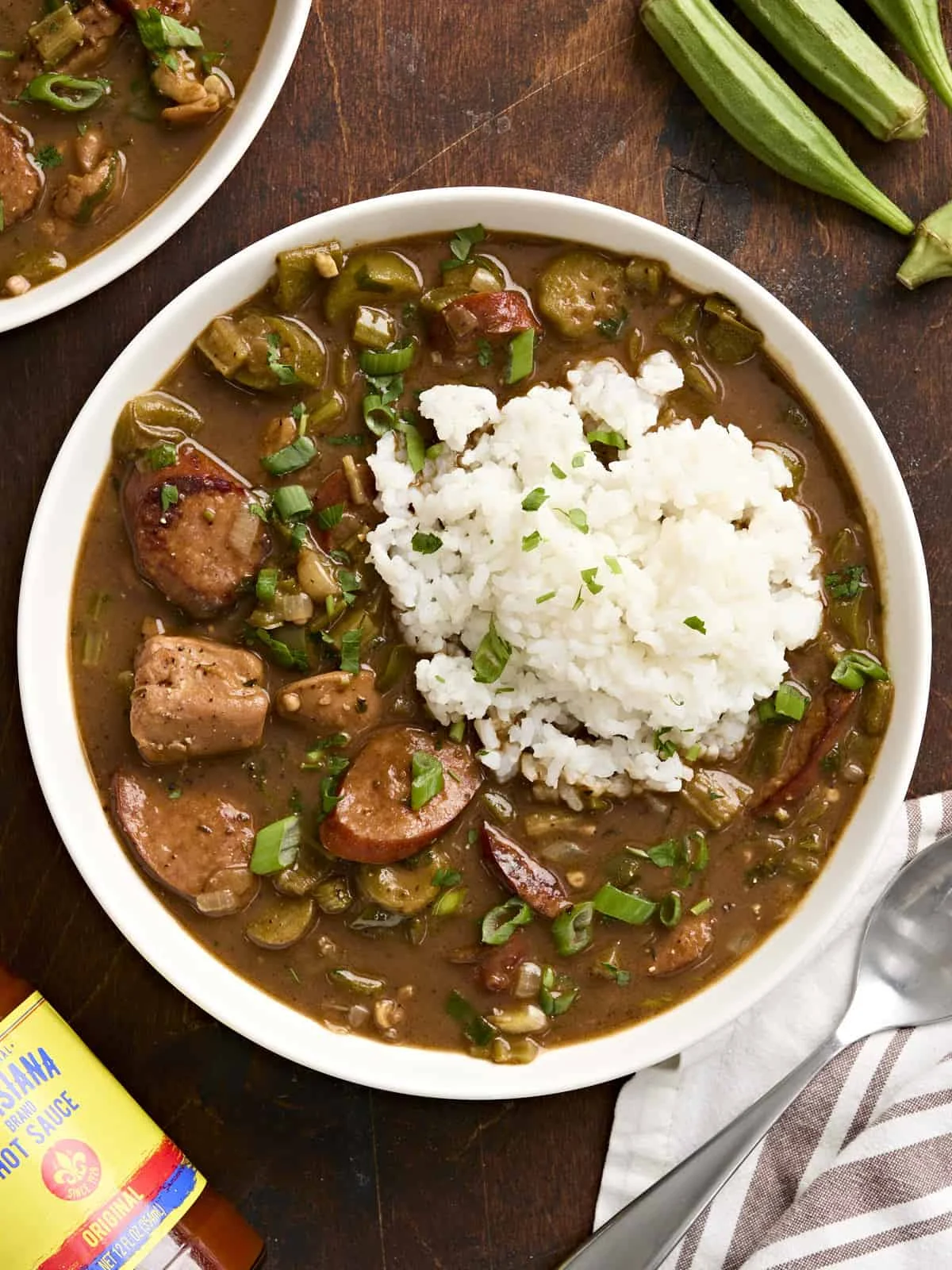
Gumbo stands as a definitive pillar of Louisiana’s culinary identity, representing a complex fusion of West African, French, Spanish, and Indigenous influences that have coalesced over centuries. Recent developments in the domestic culinary sector, specifically highlighted by research conducted at the Nashville Test Kitchen, indicate a significant shift toward making this traditionally labor-intensive dish accessible to the modern, budget-conscious household. By analyzing the structural components of the dish—ranging from the chemical transformation of the dark roux to the strategic selection of cost-effective proteins—culinary experts are demonstrating that heritage cooking can be maintained despite rising global food costs. The latest standardized recipe for Gumbo achieves a nutritional and flavorful equilibrium at a calculated cost of approximately $1.88 per serving, providing a case study in the intersection of cultural preservation and economic pragmatism.
The Cultural and Historical Foundation of Gumbo
The origins of gumbo are inextricably linked to the transatlantic slave trade and the subsequent colonial interactions in the Gulf Coast region. The name itself is widely believed to be derived from the West African Bantu word for okra, kingombo. Historically, the dish has served as a culinary map of Louisiana’s demographic history. The French contributed the foundational concept of a roux, though it was adapted from the traditional butter-based French version to an oil-based medium better suited to the high-heat requirements of a dark Cajun roux. The Spanish influence is seen in the "holy trinity" of vegetables—onions, celery, and bell peppers—which serves as a regional adaptation of the Spanish sofrito. Furthermore, the Choctaw people introduced filé powder, made from ground sassafras leaves, which serves as both a thickener and a seasoning agent in certain regional variations.
In the contemporary landscape, gumbo is categorized into two primary styles: Cajun and Creole. Cajun gumbo, typically found in the rural Acadiana region, generally utilizes a dark roux and focuses on smoked meats and poultry, often omitting tomatoes. Creole gumbo, centered in New Orleans, frequently incorporates tomatoes and a wider variety of seafood. The version recently optimized for home kitchens follows the Cajun tradition, emphasizing deep, smoky flavors through the use of andouille sausage and chicken thighs, while utilizing okra as a primary thickening agent.
Economic Analysis of Ingredient Procurement
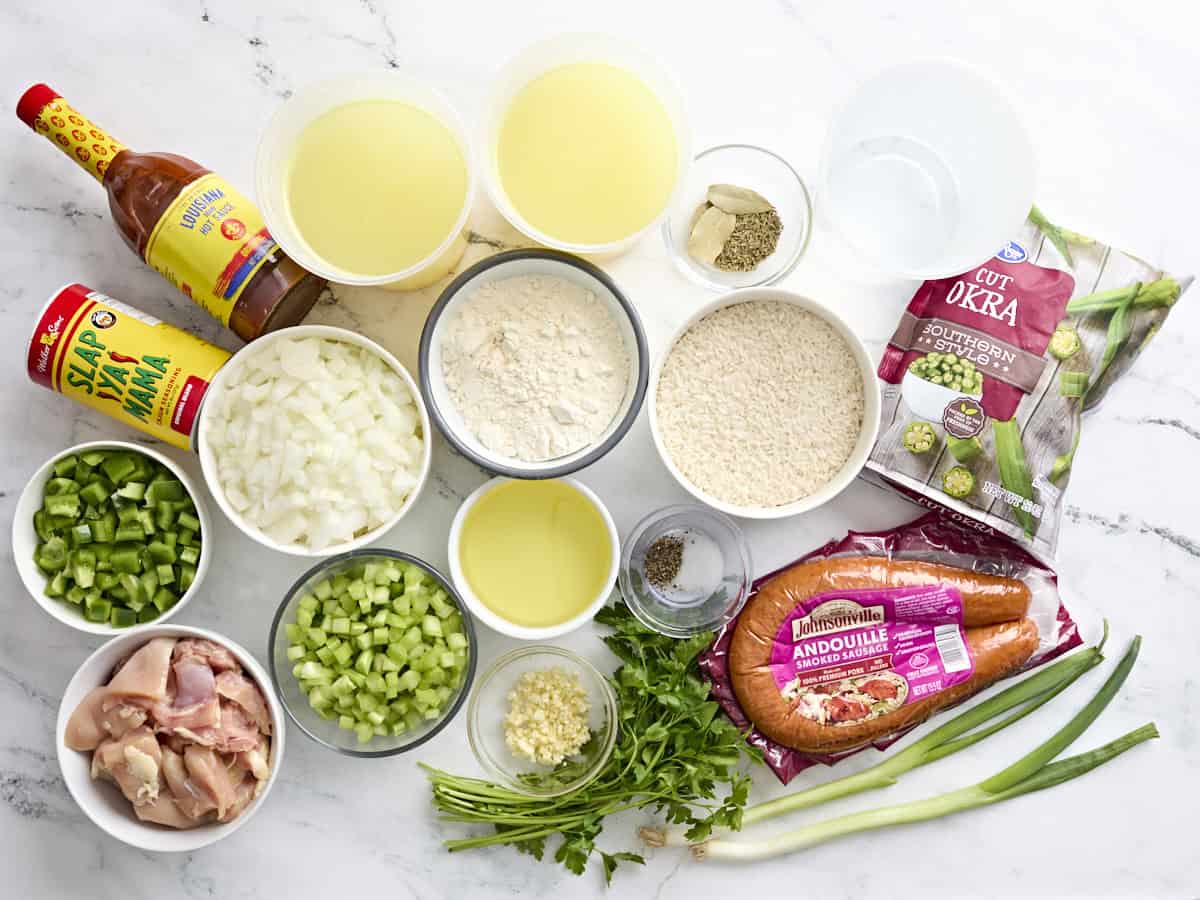
The Nashville Test Kitchen’s recent assessment of the dish highlights a total recipe cost of $15.06, yielding eight substantial servings. This economic efficiency is achieved through several strategic procurement choices.
Protein Optimization
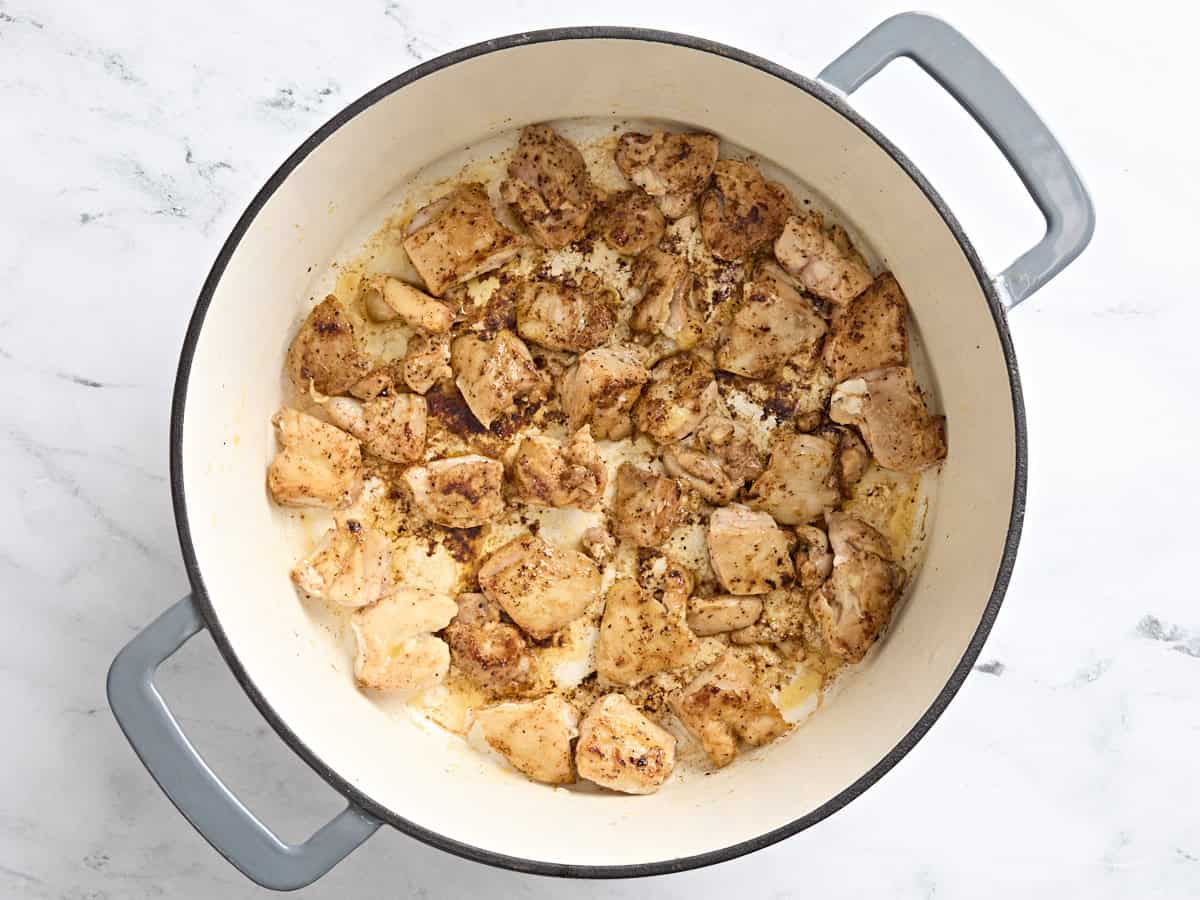
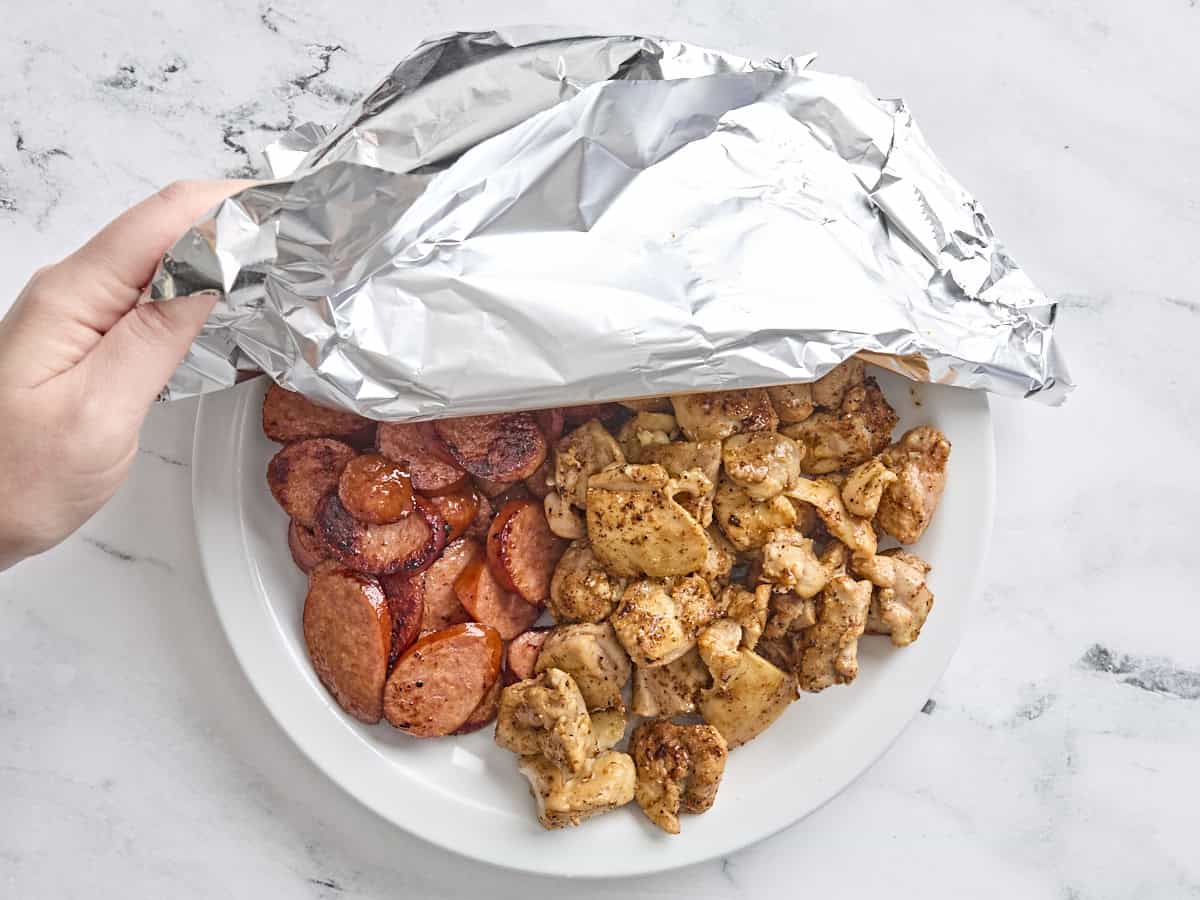
The selection of chicken thighs over breasts is a deliberate choice based on both cost and culinary performance. Chicken thighs are historically less expensive per pound and possess a higher fat content, which prevents the meat from becoming desiccated during the extended simmering process required for a traditional gumbo. The inclusion of andouille sausage, a heavily smoked pork product seasoned with garlic and pepper, provides the essential "smoke" profile of the dish without the need for expensive liquid smoke additives or specialized smoking equipment.
Cost-Saving Substitutions
To maintain a price point under $2.00 per serving, the Nashville Test Kitchen recommends several industrial-standard substitutions that do not compromise the final flavor profile:
- Frozen Okra: While fresh okra is seasonally dependent and can be subject to price volatility, frozen okra provides a consistent price point and maintains the mucilaginous properties necessary for thickening the stew.
- Concentrated Bouillon: Utilizing products such as "Better Than Bouillon" significantly reduces the cost per cup compared to purchasing pre-packaged liquid stocks, while allowing the cook to control the sodium concentration more effectively.
- Vegetable Oil Base: By utilizing vegetable oil instead of butter for the roux, the recipe achieves a higher smoke point, allowing for the development of a darker color and more complex flavor without the risk of burning the milk solids found in dairy fats.
The Technical Methodology of the Dark Roux
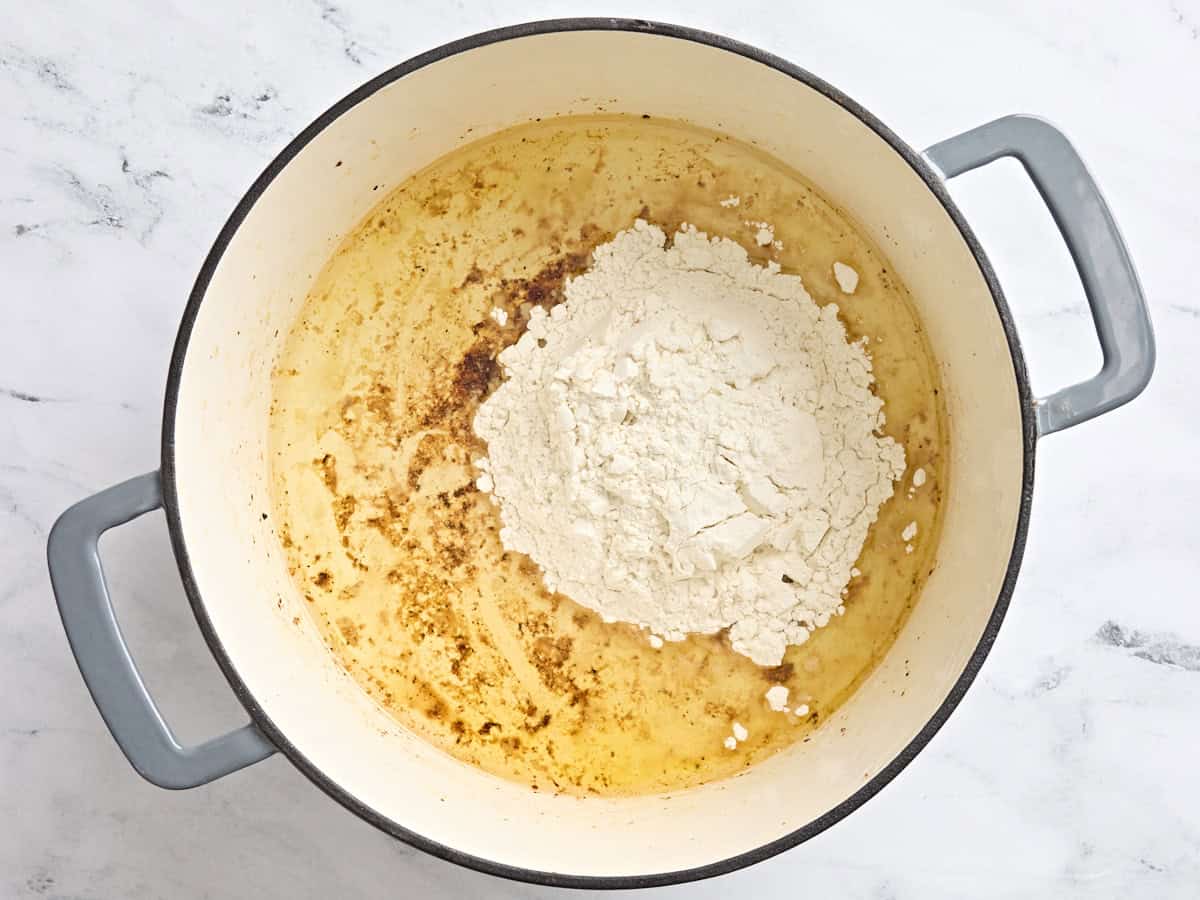
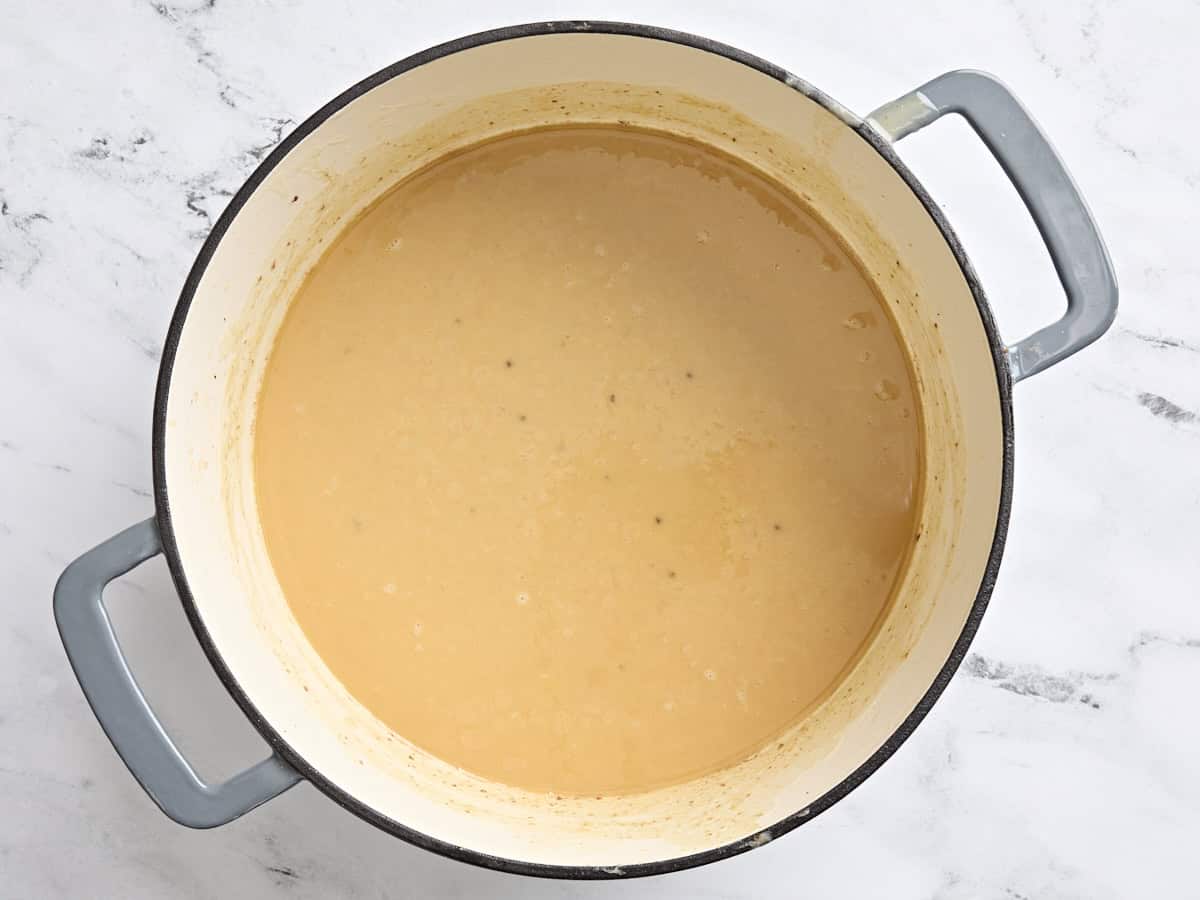
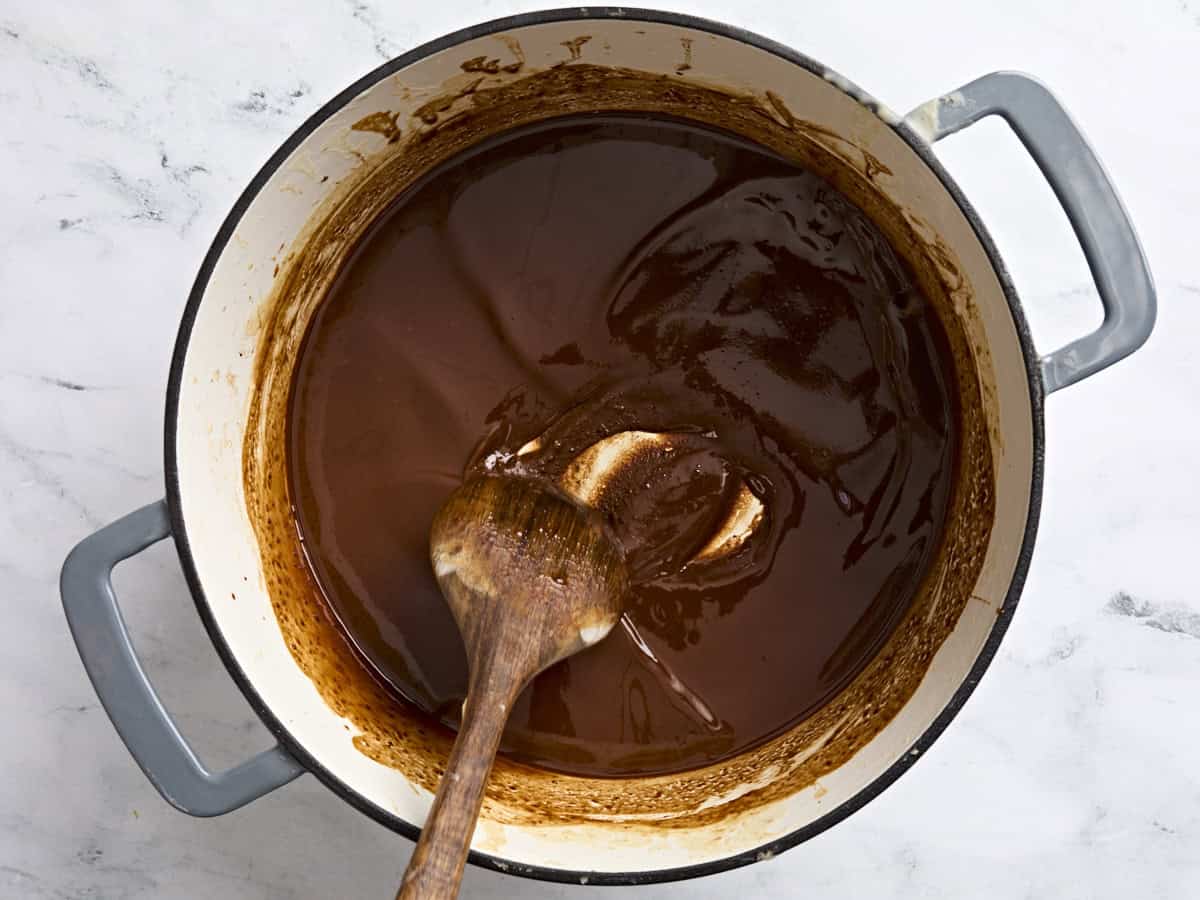
The heart of any gumbo lies in the roux, a mixture of fat and flour cooked to varying degrees of darkness. In this specific formulation, the roux is described as a "labor of love," requiring a cooking duration of approximately two hours. This process involves the Maillard reaction on an extended scale; as the flour is heated in the oil, the starch molecules break down and the proteins undergo a chemical transformation that results in a nutty, toasted flavor and a deep chocolate-brown color.
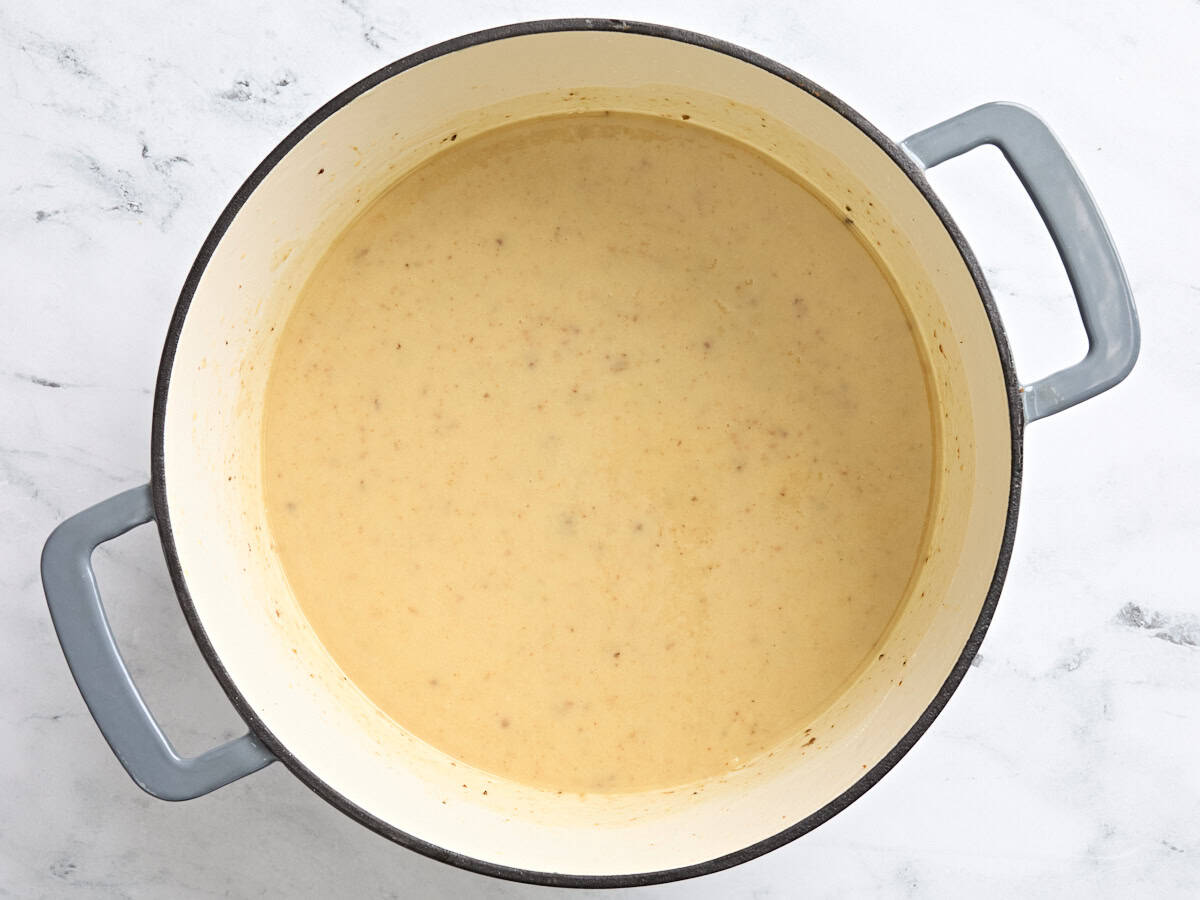
According to technical specifications from the Nashville Test Kitchen, the roux must be stirred constantly over medium-low heat. Rushing this process by increasing the temperature can lead to "speckling," where the flour burns before it can develop flavor, necessitating a complete restart. As the roux darkens, its thickening power decreases, which is why gumbo often requires secondary thickeners such as okra or filé. The successful execution of a dark roux is considered the benchmark of a proficient Cajun cook, as it provides the base note upon which all other flavors are built.
Standardized Chronology of Preparation
The preparation of gumbo is a sequential process that requires strict adherence to timing to ensure the integrity of each ingredient. The Nashville Test Kitchen outlines the following operational timeline:
- Protein Preparation (0:00–0:20): The process begins with the browning of the sliced andouille sausage and seasoned chicken thighs. This step is critical not only for cooking the meat but for creating "fond"—the browned bits of protein that adhere to the pan—which is later deglazed into the stew.
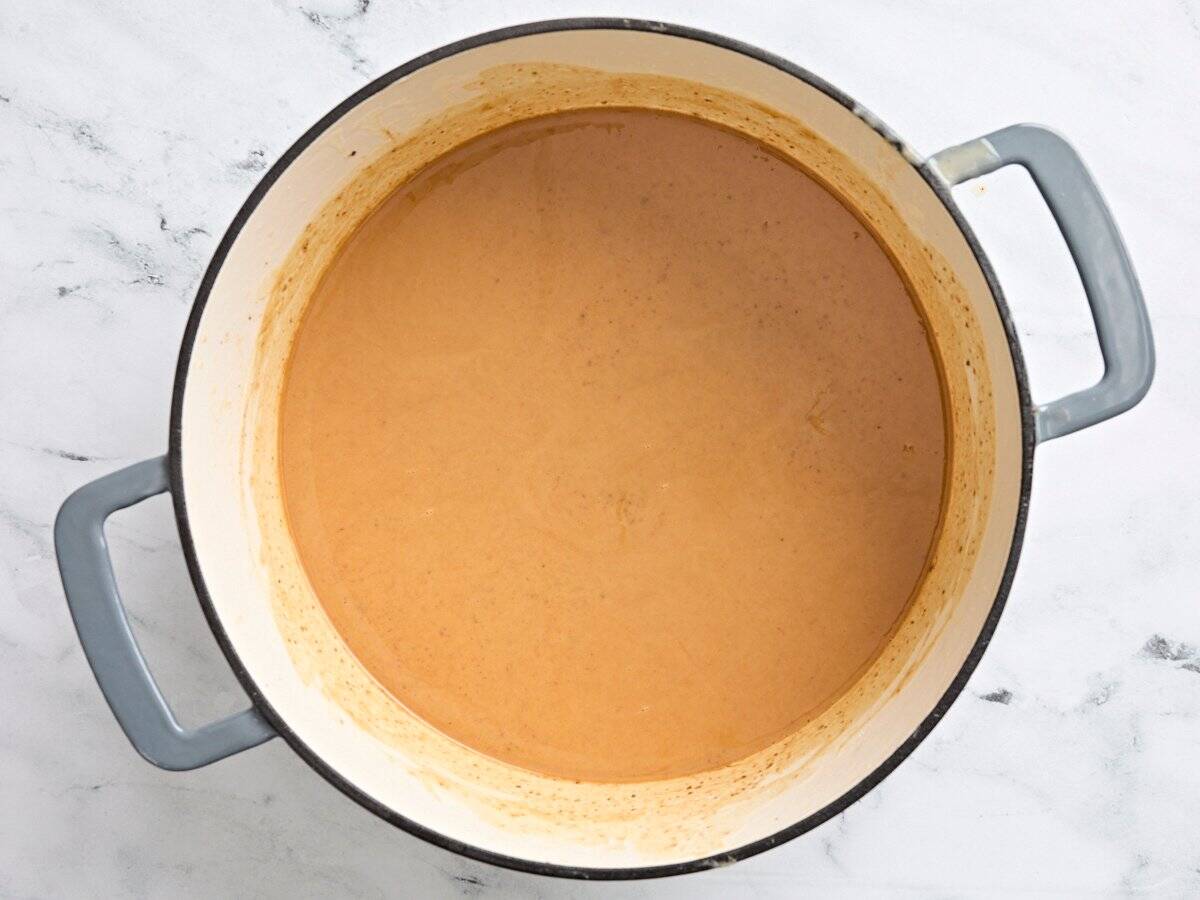
- The Roux Development (0:20–2:20): This is the most time-intensive phase. The oil and flour are combined and stirred continuously for two hours. The color transition moves from "blonde" to "peanut butter" to "milk chocolate" and finally to a "dark chocolate" or "espresso" hue.
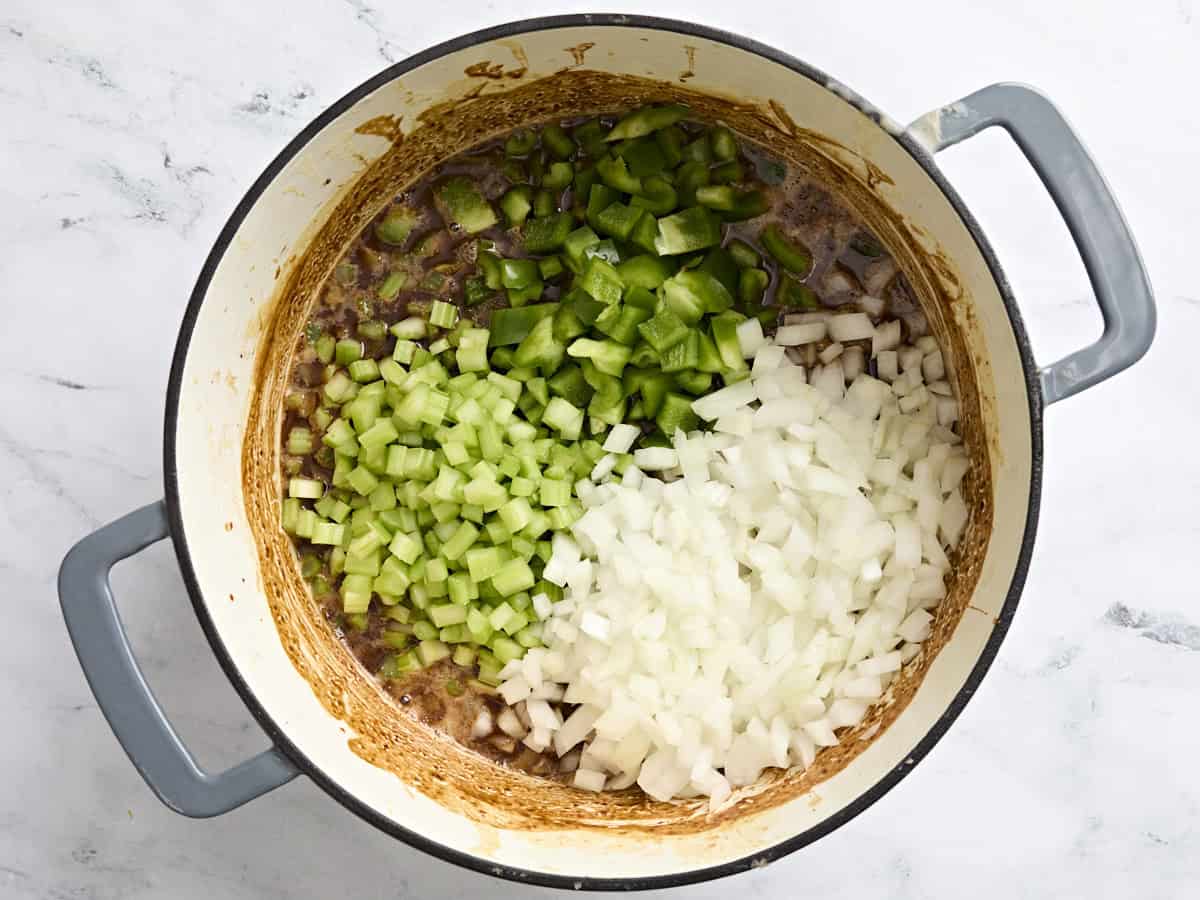
- Vegetable Integration (2:20–2:30): The "holy trinity" (onions, green peppers, and celery) is added to the hot roux. The moisture from the vegetables serves to instantly halt the cooking process of the roux, preventing it from burning while simultaneously softening the aromatics.
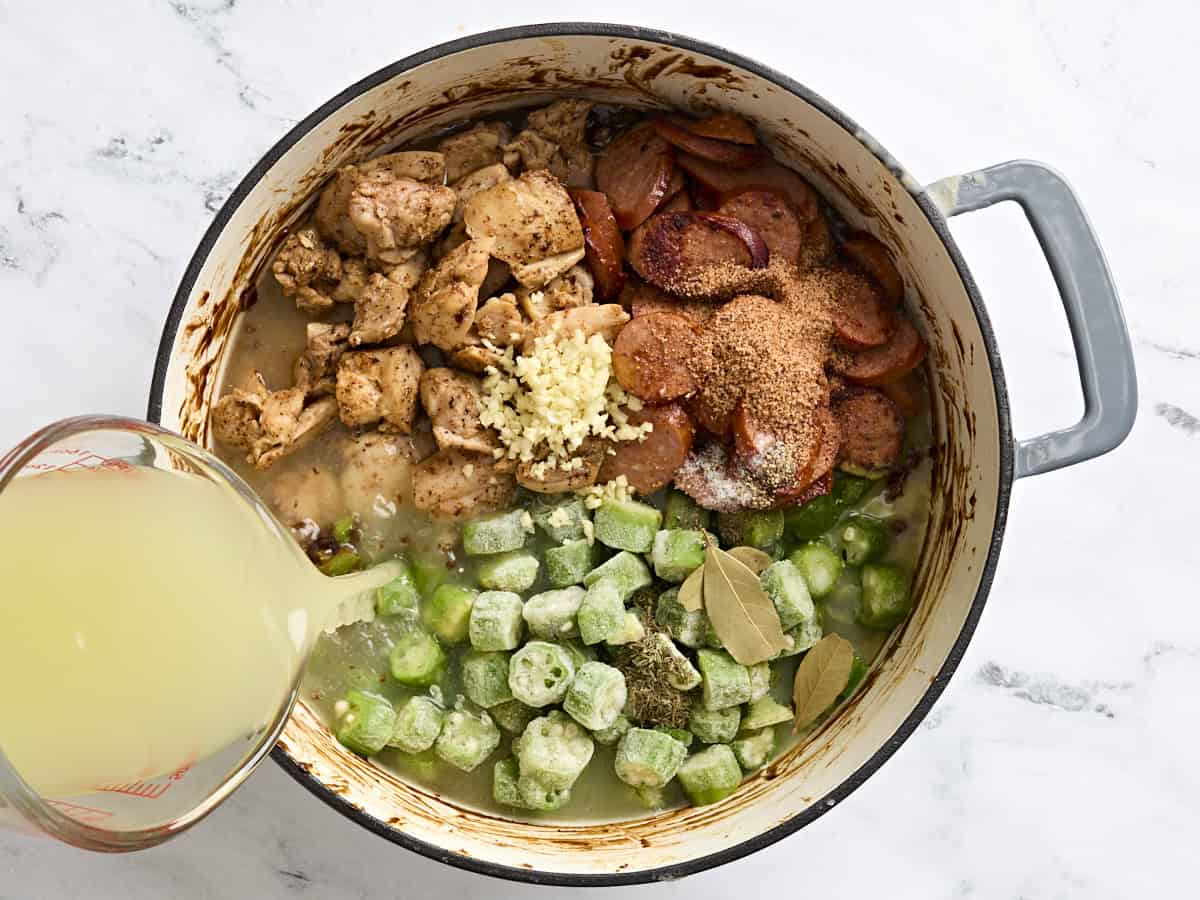
- Liquid Incorporation and Simmering (2:30–3:00): Chicken broth, the browned meats, garlic, okra, and seasonings (including thyme, bay leaves, and Cajun spice blends) are introduced. The mixture is brought to a boil and then reduced to a simmer.
- Final Seasoning and Service (3:00–3:15): In the final five minutes of cooking, fresh elements such as parsley, green onions, and hot sauce are added to provide a bright contrast to the deep, heavy flavors of the stew.
Nutritional Profile and Food Safety Standards
A single serving of this gumbo formulation, including a standard portion of white rice, contains approximately 673 calories. The nutritional breakdown reflects a hearty meal designed for satiety: 27 grams of protein, 37 grams of fat, and 58 grams of carbohydrates. While the sodium content is relatively high at 1,280 mg (56% of the recommended daily value), this is characteristic of traditional Cajun cuisine, which relies heavily on cured meats and spice blends.

From a food safety perspective, the high fat content and acidity from the hot sauce contribute to the dish’s stability, but standard refrigeration protocols apply. The Nashville Test Kitchen advises that leftovers be cooled to room temperature before being sealed in airtight containers. The dish remains viable in a refrigerated state for three to four days and can be frozen for up to three months. Reheating should be conducted on a stovetop to a gentle boil to ensure the roux-based sauce maintains its emulsified consistency.
Broader Implications for the Culinary Arts
The release of this refined gumbo recipe by the Nashville Test Kitchen has broader implications for how traditional recipes are adapted for the digital age. By providing step-by-step photographic evidence and rigorous cost-per-serving breakdowns, culinary developers are democratizing complex heritage dishes. This approach counters the "gourmetization" of regional food, which often makes traditional dishes seem inaccessible or overly expensive.
Furthermore, the emphasis on patience and technique—specifically regarding the two-hour roux—highlights a growing interest in "slow food" movements within the home. In an era dominated by rapid-cook technology and instant meals, the advocacy for a three-hour cooking process represents a return to culinary mindfulness. As Melissa Nolan, recipe developer at Budget Bytes, notes, the goal is to make a "MawMaw proud," suggesting that the ultimate metric of success for these digital recipes is their ability to pass the scrutiny of the cultural gatekeepers of Louisiana’s kitchens.
In conclusion, the modern adaptation of Louisiana Gumbo serves as a vital link between historical tradition and contemporary economic reality. By mastering the technical requirements of the roux and utilizing strategic ingredient substitutions, home cooks can preserve one of America’s most significant culinary legacies for less than two dollars a serving. The success of this model suggests that the future of heritage cooking lies not in its simplification, but in its economic optimization and technical transparency.
