
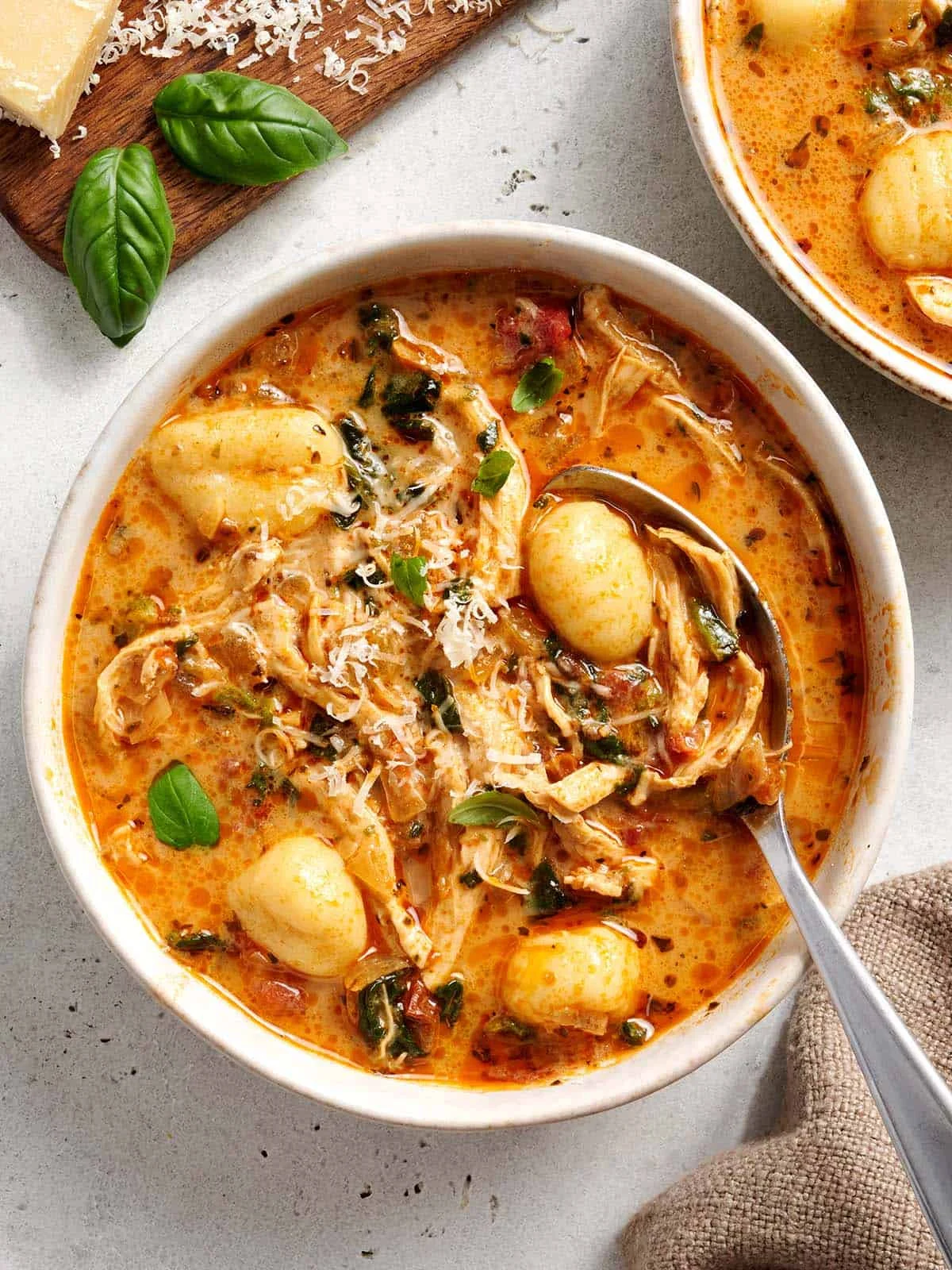
The modern culinary landscape is increasingly defined by viral trends that bridge the gap between professional gastronomy and home-kitchen practicality. One of the most enduring of these phenomena is the "Marry Me" flavor profile—a rich combination of heavy cream, Parmesan cheese, sun-dried tomatoes, and Italian herbs. Originally popularized as a chicken skillet dish, this concept has undergone a significant transformation within the Nashville Test Kitchen. The result is a Marry Me Chicken Soup that integrates tender shredded poultry and pillowy potato gnocchi into a cohesive, cost-effective meal. By prioritizing affordability without sacrificing depth of flavor, this recipe adaptation addresses the growing consumer demand for "restaurant-quality" comfort food that can be prepared in under 40 minutes for less than $2.00 per serving.
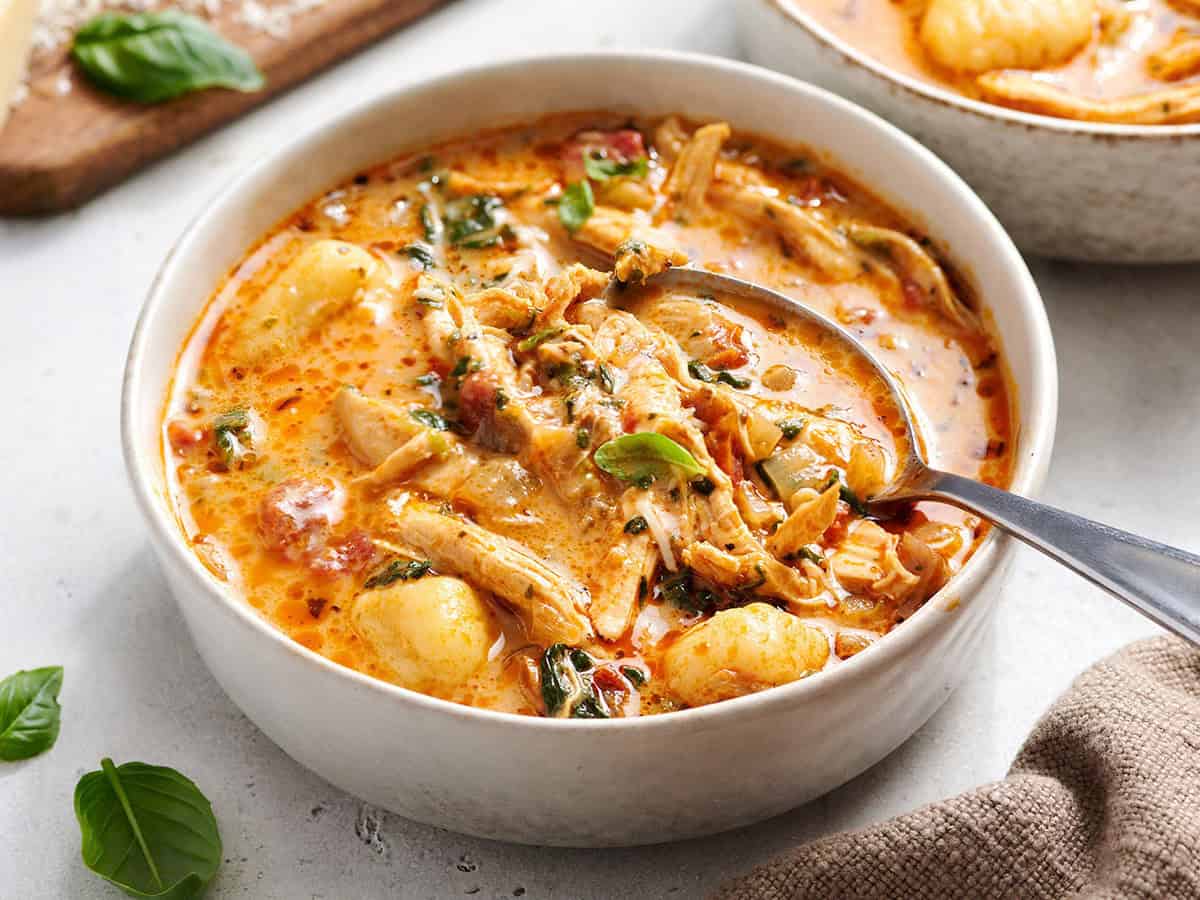
The Cultural Context of the Marry Me Phenomenon
To understand the significance of this soup adaptation, one must examine the history of the "Marry Me" moniker. The trend traces its origins back to approximately 2016, when a chicken recipe produced by the digital food publication Delish became a viral sensation. According to editorial lore, the dish was so flavorful that a producer remarked she would marry the person who cooked it for her. Over the subsequent years, the recipe became a staple of social media platforms like TikTok and Instagram, where the hashtag #MarryMeChicken has garnered hundreds of millions of views.
The transition from a skillet-based entrée to a soup reflects a broader shift in the "cozy cooking" movement. As home cooks seek ways to extend expensive ingredients like chicken breast and sun-dried tomatoes, the soup format provides a logical solution. By utilizing a broth base and adding high-density starches like gnocchi, the flavor profile of the original dish is preserved while the volume of the meal is increased, making it more suitable for large families or meal-prepping individuals.
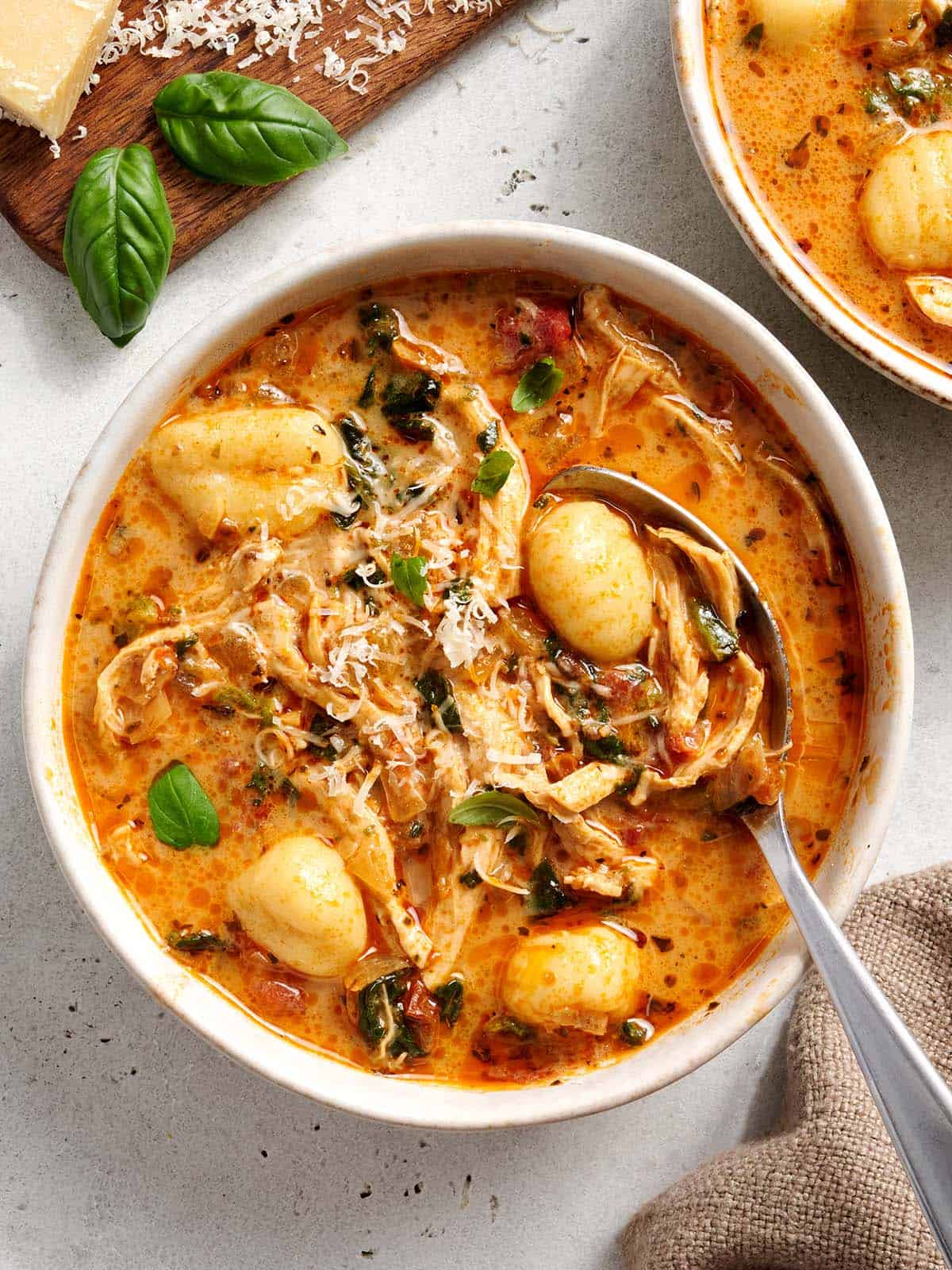
Technical Execution and Chronological Development
The development of the Marry Me Chicken Soup followed a rigorous testing protocol at the Nashville Test Kitchen to ensure consistency and ease of execution. The methodology focuses on a single-pot approach, which minimizes cleanup and maximizes the retention of savory "fond"—the browned bits of food at the bottom of the pot that contribute to a complex flavor profile.
Phase I: The Aromatic Foundation
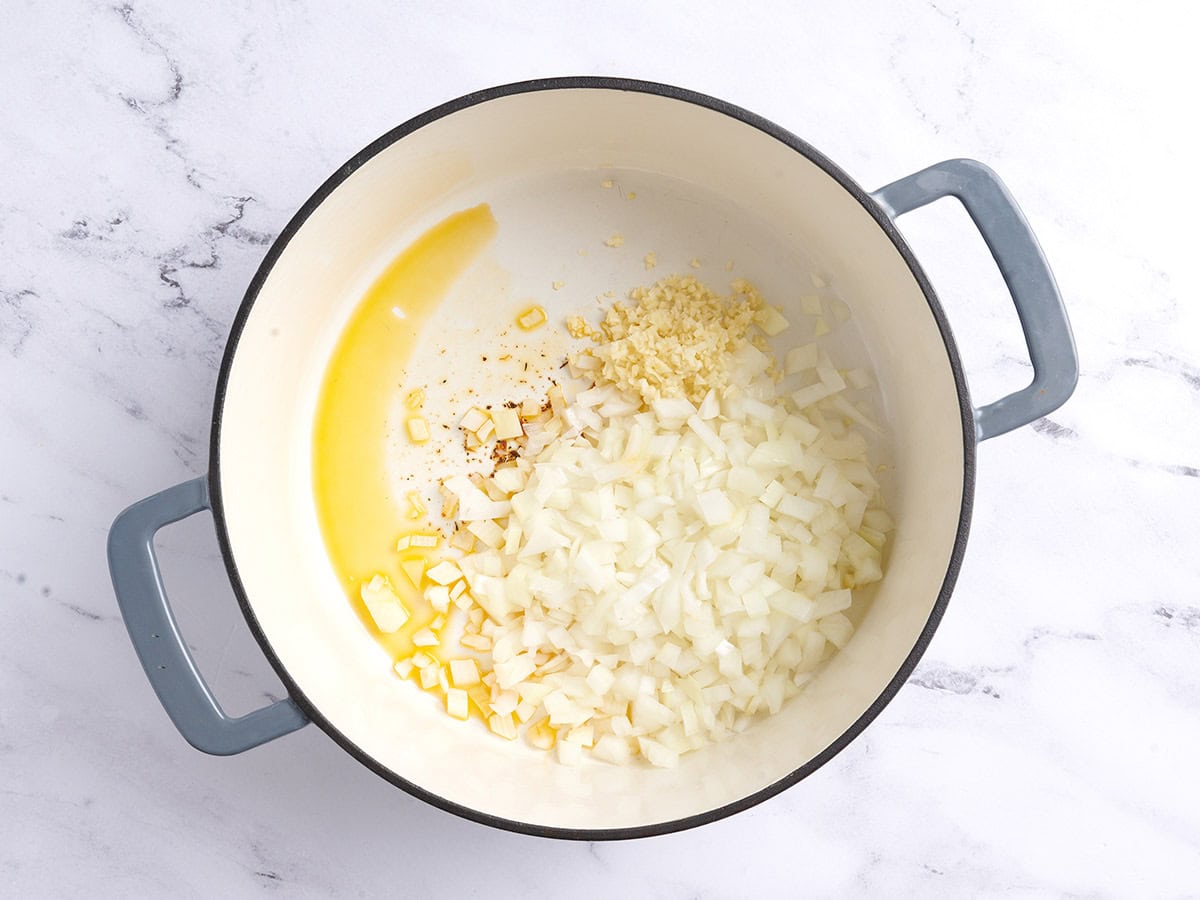
The process commences with the utilization of sun-dried tomato oil as the primary cooking fat. This is a strategic choice for both flavor and economy; by using the oil from the jar of tomatoes, the cook avoids the need for additional olive oil while infusing the onions and garlic with a concentrated tomato essence. The aromatics are sautéed for approximately five minutes until they reach a translucent state, providing a sweet and savory base for the subsequent layers.
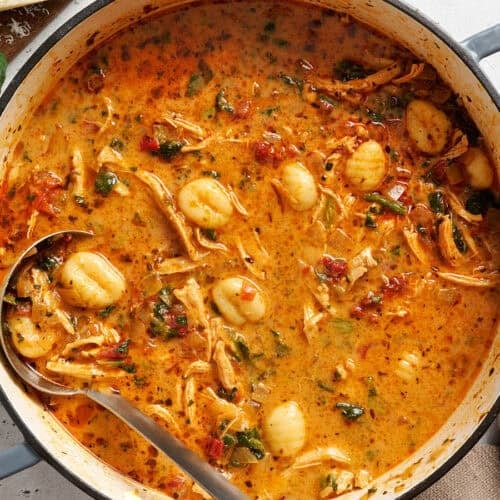
Phase II: Seasoning and Caramelization
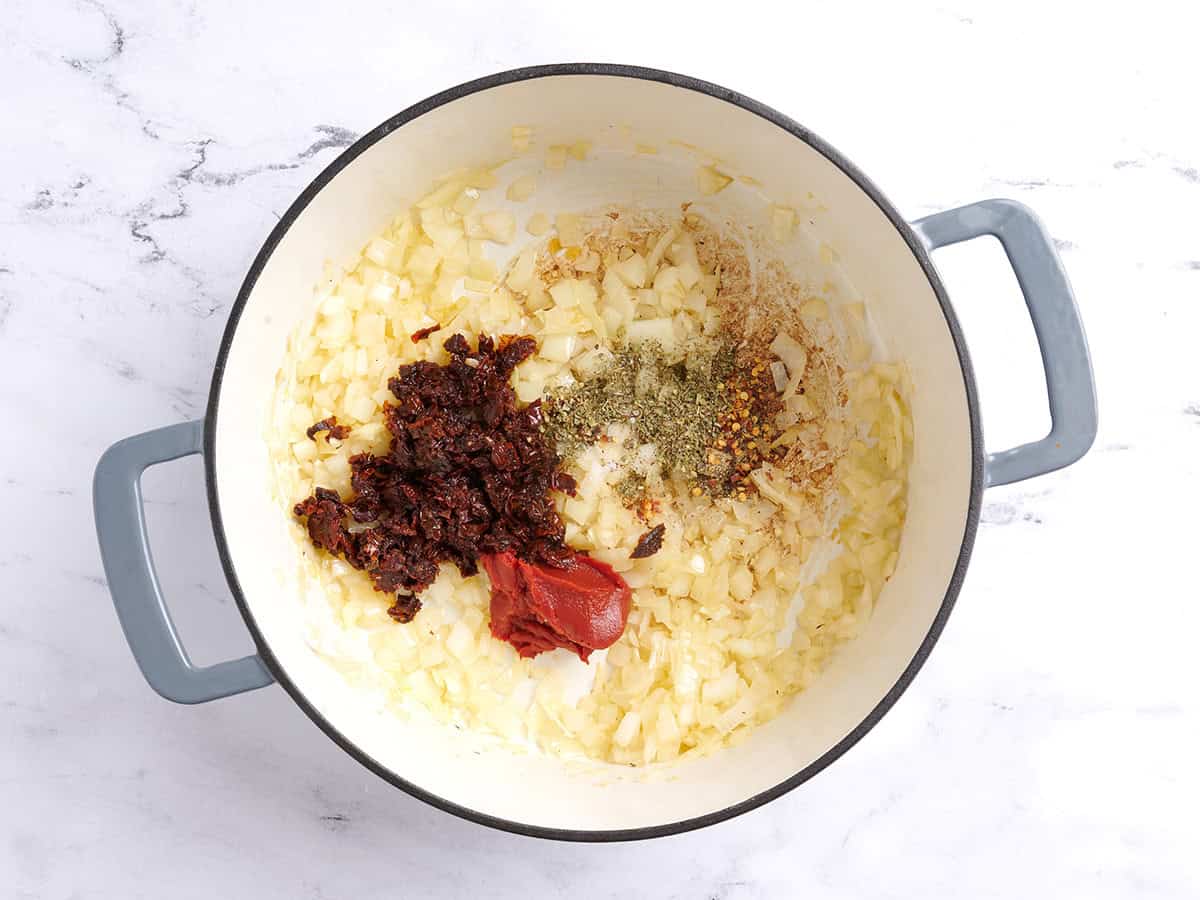
Once the aromatics are softened, tomato paste is introduced alongside a blend of Italian seasoning, salt, black pepper, and red pepper flakes. A critical step in this chronology is the "toasting" of the tomato paste. By cooking the paste for one to two minutes until it darkens to a deep mahogany hue, the cook initiates the Maillard reaction, transforming the raw, acidic notes of the tomato into a rich, umami-laden foundation. The chopped sun-dried tomatoes are added during this stage to allow their sugars to slightly caramelize.
Phase III: Protein Integration and Simmering
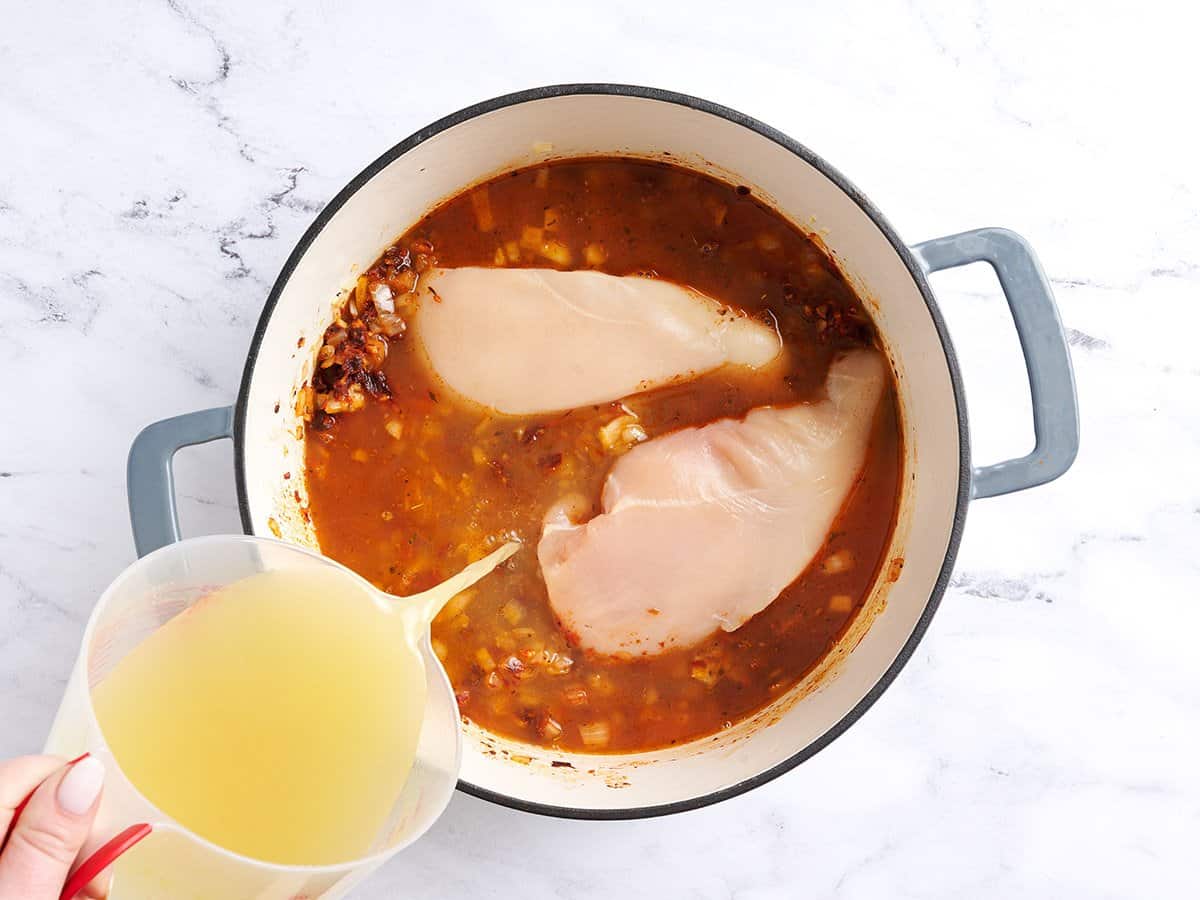
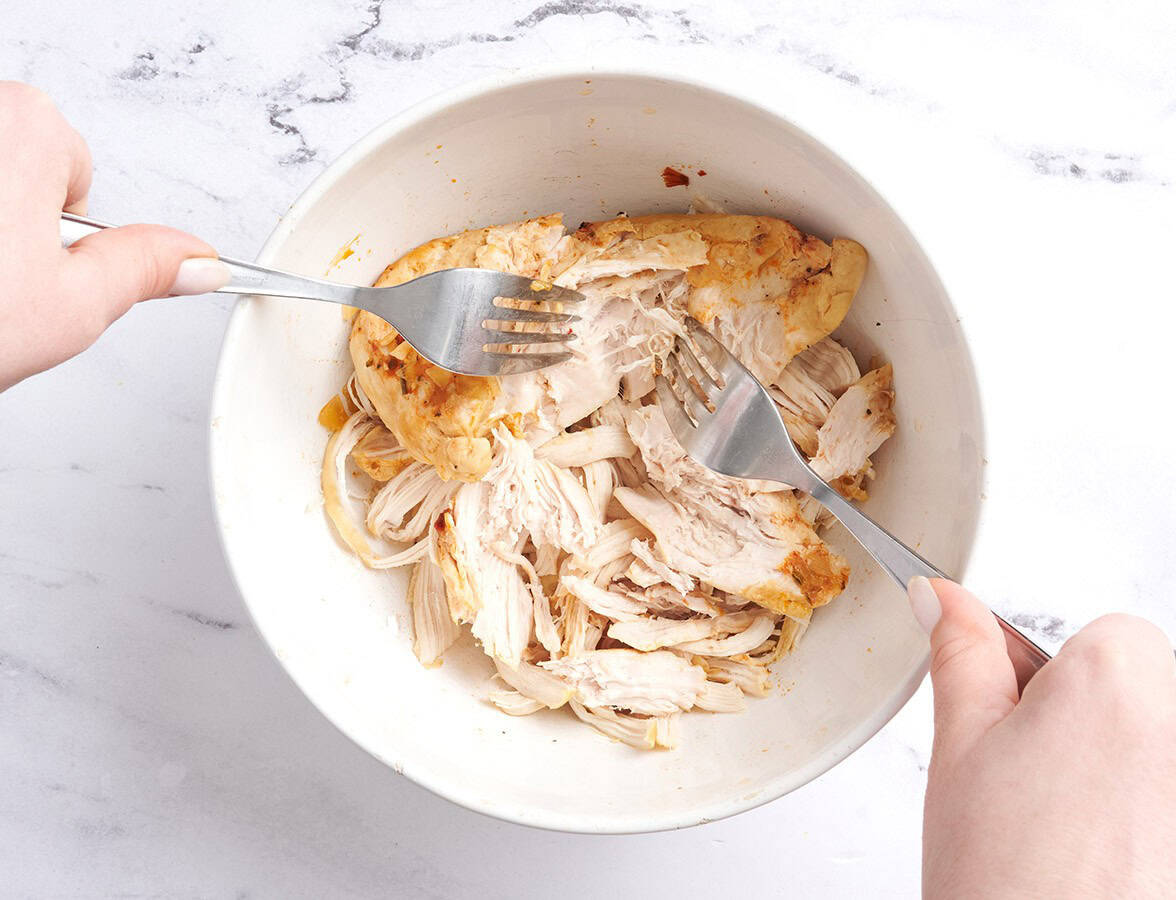
One pound of chicken breast is submerged into six cups of fortified chicken broth. The choice of broth is significant; the Nashville Test Kitchen recommends "Better Than Bouillon" for its high concentration of flavor and lower cost per ounce compared to boxed liquid broths. The chicken is poached directly in the soup base for 12 to 15 minutes. This technique ensures that the poultry remains succulent and absorbs the herbaceous notes of the broth. Upon reaching an internal temperature of 165°F, the chicken is removed, shredded with forks, and returned to the pot, ensuring an even distribution of protein in every spoonful.
Phase IV: Finishing and Emulsification
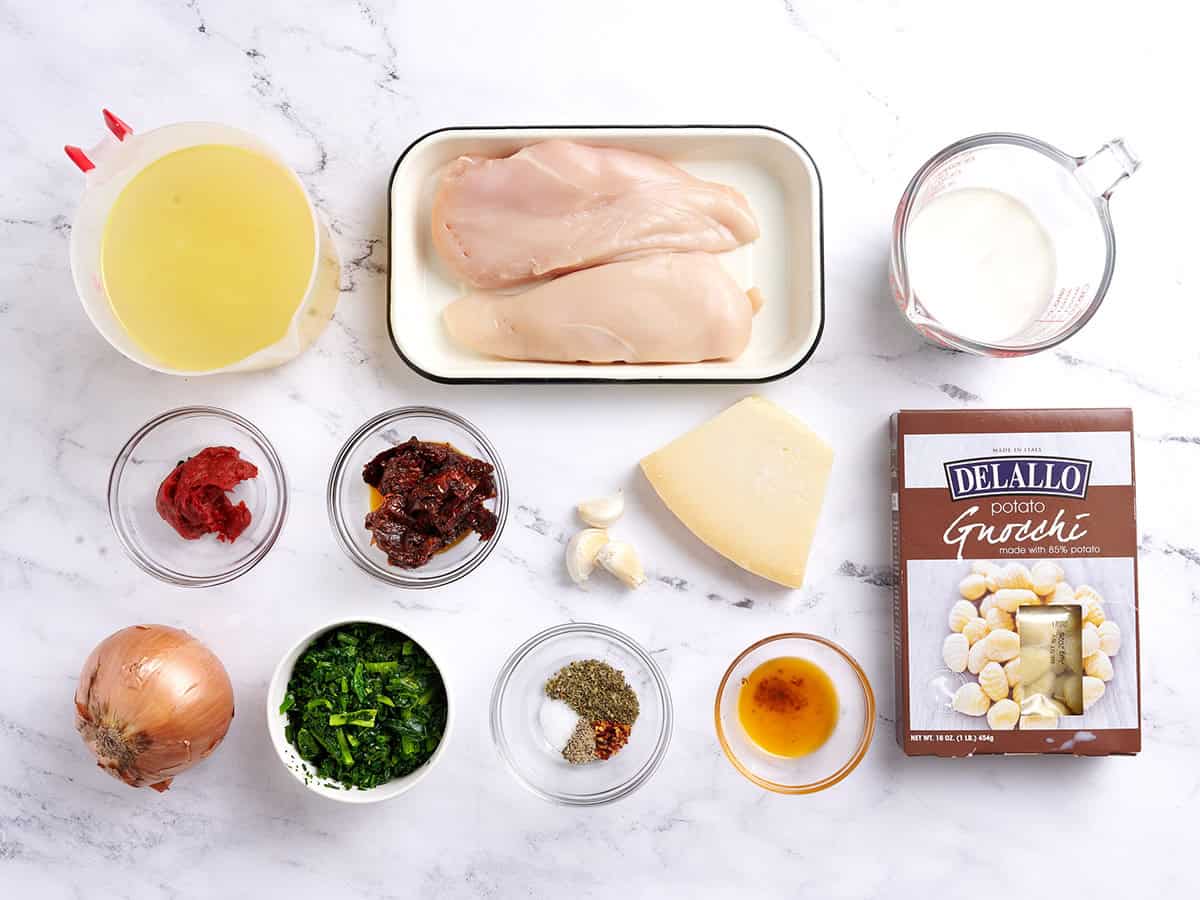
The final stage involves the addition of 16 ounces of shelf-stable or refrigerated gnocchi. These potato dumplings require only three to four minutes of cooking, signaling their readiness when they float to the surface. The soup is finished with three-quarters of a cup of half-and-half and a third of a cup of grated Parmesan. This dairy integration provides the signature "creamy" mouthfeel that defines the Marry Me trend. Finally, a cup of squeezed-dry spinach is folded in, providing a necessary burst of color and micronutrients.
Economic Data and Nutritional Analysis
In an era of significant food price inflation, the economic viability of a recipe is as important as its flavor. The Marry Me Chicken Soup was designed specifically to meet a budget of under $10.00 for the entire pot.
Cost Breakdown
The total cost for the recipe is calculated at $9.45, which breaks down to approximately $1.58 per serving for a six-serving yield. This represents a substantial saving compared to the national average cost of a similar soup at a casual dining Italian restaurant chain, which typically ranges from $7.00 to $9.00 per bowl.
- Chicken Breast: $4.50 (estimated at $4.50/lb)
- Gnocchi: $2.00 (standard 16oz package)
- Sun-dried Tomatoes: $1.00 (partial jar use)
- Dairy and Cheese: $1.25
- Aromatics and Broth: $0.70
Nutritional Profile
Nutritiously, the dish is balanced for a comfort meal. Each serving contains approximately 316 calories, with 25 grams of protein, making it a satiating option for lunch or dinner. The inclusion of spinach and sun-dried tomatoes provides Vitamin A, Vitamin C, and iron. However, the sodium content is relatively high at 1593mg, a common trait in broth-based soups, which can be mitigated by home cooks using low-sodium bouillon or broth.
Culinary Implications and Market Trends
The success of this recipe highlights several key trends in the 2024-2025 food market. First, there is the "Premiumization of the Pantry." Home cooks are increasingly using high-impact ingredients—like sun-dried tomatoes and Parmesan—in smaller quantities to elevate basic staples like chicken and onions. This allows for a sense of luxury without the associated cost of dining out.
Second, the use of gnocchi as a soup component represents a fusion of textures. Unlike traditional noodles, which can become mushy if overcooked, gnocchi maintains a resilient, "pillowy" structure that pairs well with a thickened, creamy broth. This reflects a broader consumer interest in Mediterranean-inspired "one-pot" meals that combine starch, protein, and vegetables.
Third, the "viral-to-table" pipeline continues to dominate how recipes are discovered. By taking a recognized social media trend and adapting it for a budget-conscious audience, platforms like Budget Bytes serve as an intermediary between aspirational food content and the reality of household economics.
Storage and Sustainability Considerations
A significant challenge with cream-based soups containing starches is storage. The Nashville Test Kitchen notes that gnocchi will continue to hydrate as the soup sits, leading to a thickening of the broth. While the soup remains safe and flavorful for three to four days in an airtight container, it may require a splash of milk or broth upon reheating to restore its original consistency.
From a sustainability perspective, the recipe encourages the "nose-to-tail" use of pantry items, such as utilizing the oil from the sun-dried tomato jar. This practice reduces food waste and maximizes the value of purchased goods. However, the recipe is not recommended for freezing in its completed state, as the dairy can separate and the gnocchi may lose its structural integrity upon thawing. For those seeking a freezer-friendly version, the kitchen suggests freezing the base broth and chicken, then adding the fresh gnocchi and dairy during the final reheating process.
Conclusion
The Marry Me Chicken Soup stands as a testament to the evolution of modern home cooking. It successfully deconstructs a high-status viral trend and reassembles it into a practical, nutritious, and affordable format. By combining the historical appeal of the "Marry Me" flavor profile with the technical efficiency of a 40-minute soup, the Nashville Test Kitchen has provided a blueprint for contemporary meal planning. As economic pressures continue to influence consumer behavior, the ability to produce "impressive" meals on a "budget" remains the gold standard of the digital recipe era. Whether served as a simple weeknight dinner or a centerpiece for a more formal occasion, this dish exemplifies the intersection of culinary tradition and modern digital culture.
