
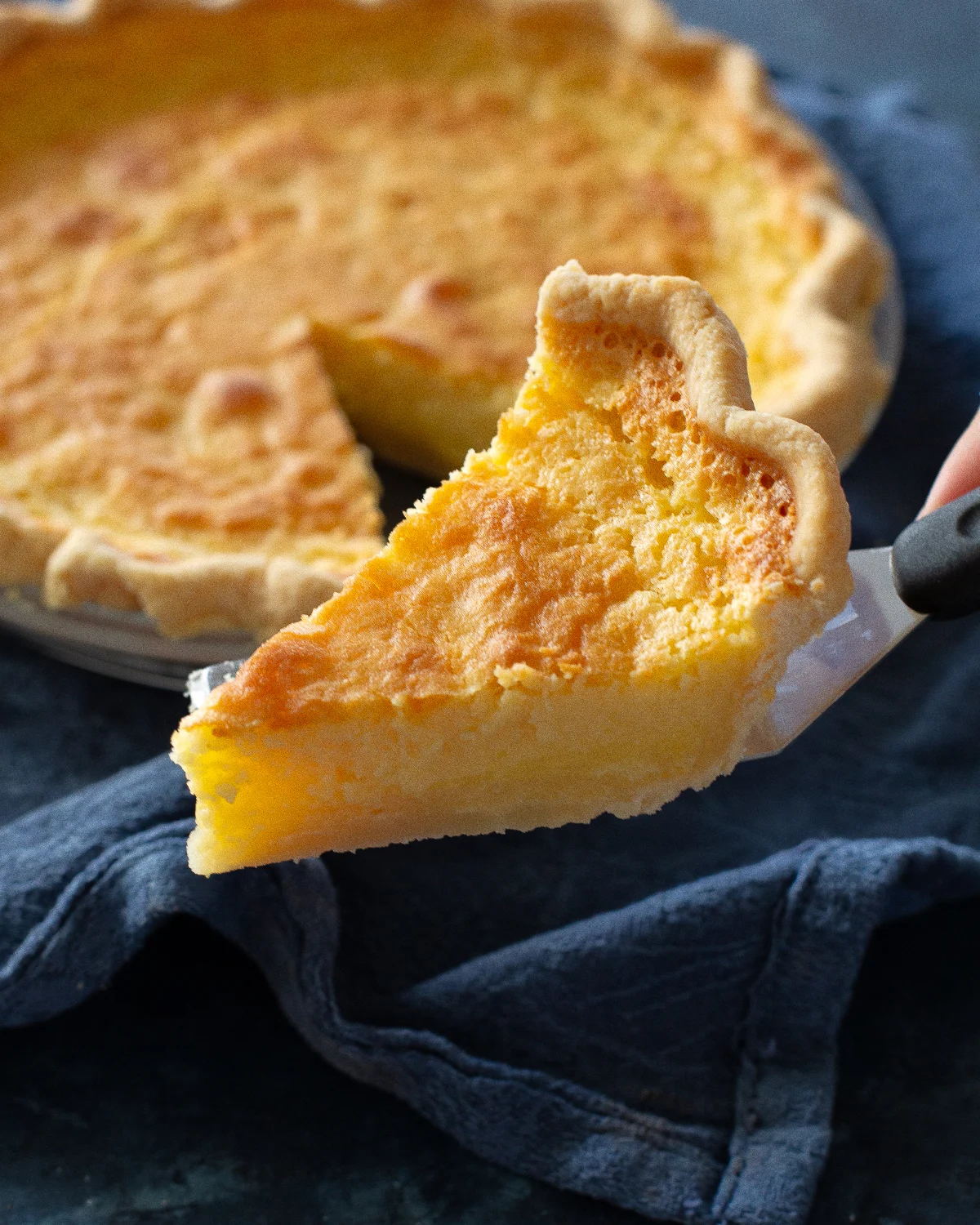
Buttermilk pie, a cherished dessert hailing from the American South, continues to captivate palates with its deceptively simple yet profoundly satisfying composition. This sweet custard pie, characterized by its creamy texture, rich buttery notes, and a subtle, bright tang imparted by buttermilk, has solidified its place as a beloved classic. Its inherent ease of preparation, utilizing common pantry staples, further contributes to its widespread popularity, making it an ideal choice for festive gatherings, particularly during Thanksgiving celebrations.
The essence of buttermilk pie lies in its harmonious blend of flavors and textures. At its core, it’s a custard pie, a category of desserts known for their smooth, delicate fillings. However, buttermilk pie distinguishes itself through the specific inclusion of buttermilk, an ingredient that elevates the standard custard. This fermented dairy product, a byproduct of butter production, lends a unique characteristic to the pie: a gentle acidity that cuts through the richness of the sugar and butter, creating a more nuanced and less cloying sweetness. This subtle tartness is often further enhanced by a hint of lemon zest, adding a layer of brightness that complements the creamy base without overpowering it.
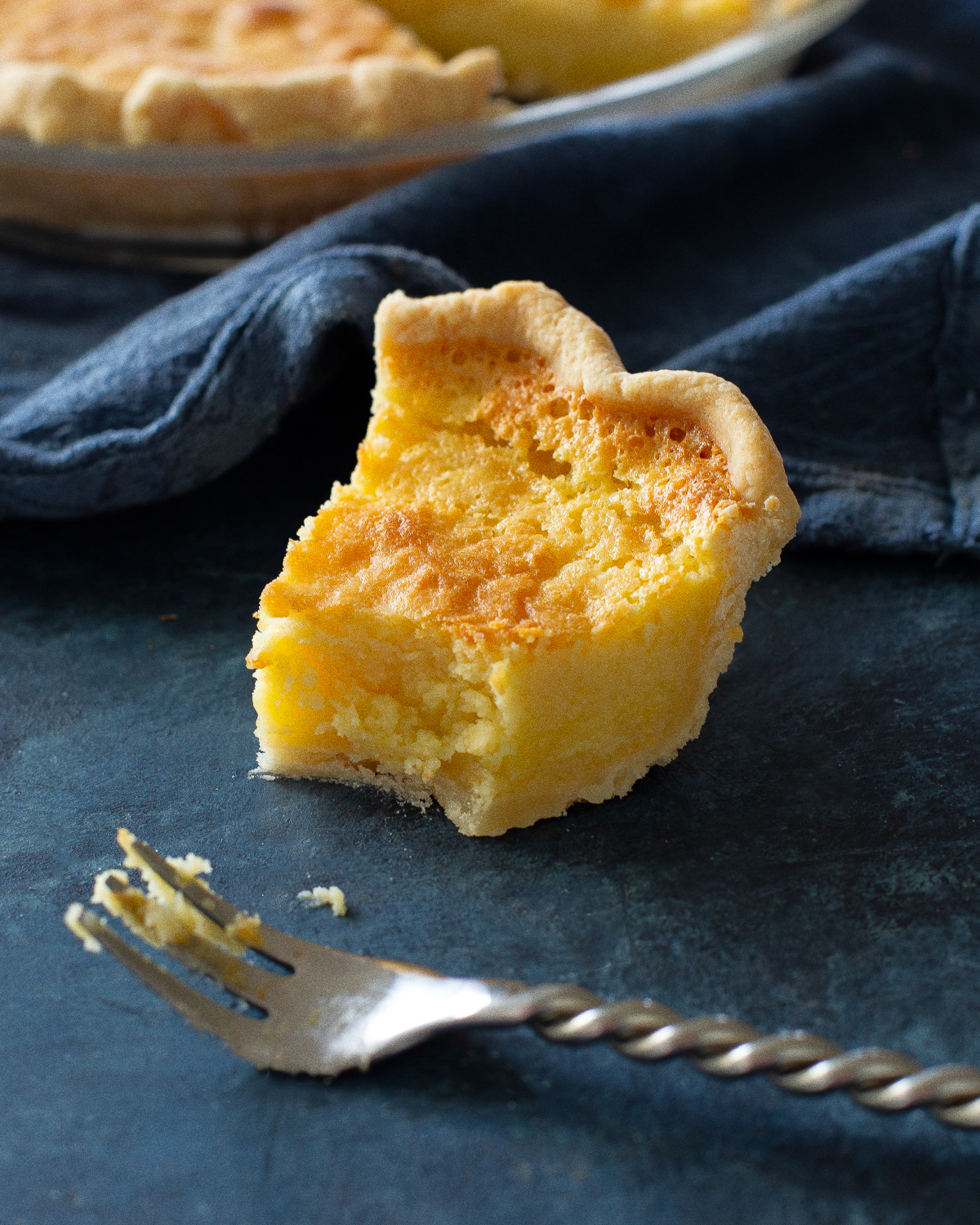
The resulting pie is often described as tasting akin to a sugar cream pie, yet with a distinct complexity. The creamy, melt-in-your-mouth quality of the custard is a primary draw, providing a comforting and luxurious mouthfeel. This is achieved through a careful balance of ingredients, typically including eggs, sugar, butter, and a thickening agent like flour or cornmeal, all bound together by the signature buttermilk. When baked, this mixture transforms into a smooth, often slightly jiggly filling that sets beautifully within a crisp, flaky pie crust. The contrast between the tender filling and the buttery, golden crust is a cornerstone of its appeal.
A Deep Dive into Buttermilk Pie’s Origins and Evolution
While pinpointing the exact origin of buttermilk pie is challenging, its roots are firmly planted in the culinary traditions of the American South. The use of buttermilk in baking is a practice deeply embedded in Southern kitchens, stemming from a history of resourcefulness and the widespread availability of dairy products. Before modern refrigeration and the commercial availability of ingredients, home cooks relied on ingredients that were readily accessible and could be preserved or utilized effectively. Buttermilk, a staple in many Southern households, offered a way to add moisture and a unique flavor profile to baked goods.
The pie likely evolved from earlier custard and cream pies, with the addition of buttermilk serving as a regional adaptation that proved particularly successful. Its popularity surged in the mid-20th century, becoming a common feature at potlucks, family dinners, and holiday tables across the South. Its reputation as an easy-to-make dessert that consistently delivers delicious results cemented its status as a go-to recipe for home bakers of all skill levels.
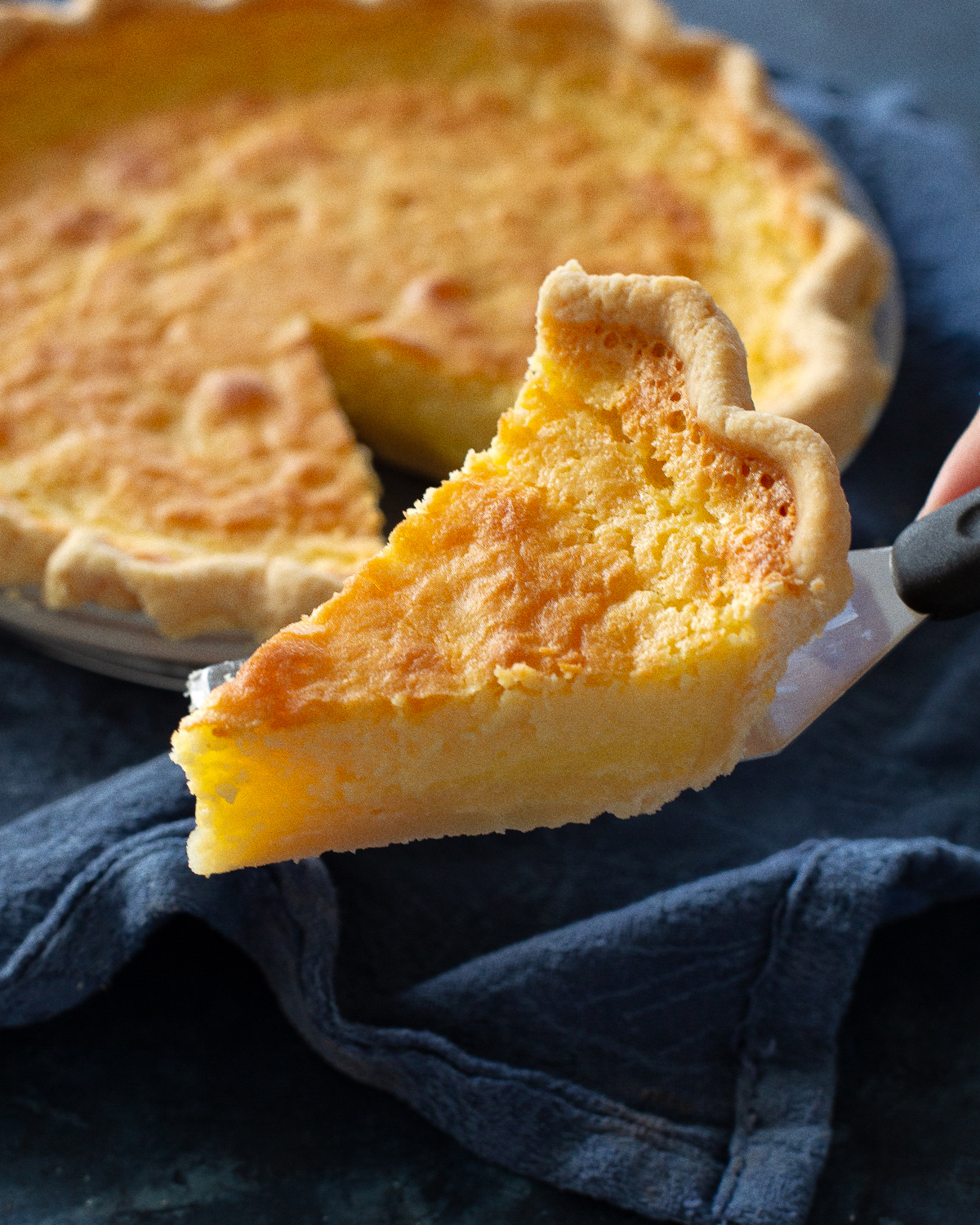
The comparison to chess pie is frequently made, and with good reason. Both are Southern custard pies often featuring a rich, sweet filling. However, the defining characteristic of buttermilk pie—its signature tang—sets it apart. While chess pie can sometimes be overly sweet or one-dimensional, the acidity of buttermilk introduces a refreshing counterpoint, making the overall flavor profile more balanced and intriguing. This subtle difference is what many aficionados consider the mark of a truly exceptional buttermilk pie.
The Simplicity of Ingredients: A Testament to its Accessibility
One of the most compelling aspects of buttermilk pie is the straightforward nature of its ingredients. The recipe typically calls for:
- Buttermilk: The star ingredient, providing its characteristic tang and contributing to the custard’s creamy texture.
- Eggs: Essential for binding the ingredients and creating the custard’s smooth, set consistency.
- Sugar: Sweetens the pie, balancing the acidity of the buttermilk.
- Butter: Adds richness and a distinct buttery flavor that complements the other components.
- Flour or Cornmeal: Acts as a thickener, ensuring the custard sets properly without becoming overly firm.
- Vanilla Extract: Enhances the overall flavor profile.
- Lemon Zest (Optional but Recommended): Adds a bright, citrusy note that elevates the pie’s complexity.
- Pie Crust: A pre-made or homemade flaky pie crust provides the perfect vessel for the filling.
This list of ingredients is remarkably common, meaning that most individuals can whip up a buttermilk pie without a special trip to the grocery store. This accessibility has undoubtedly contributed to its enduring legacy as a comfort food and a celebratory dessert. The ability to create something so delicious and satisfying from such humble beginnings speaks to the ingenuity and culinary heritage of Southern cooking.
A Culinary Cornerstone for Celebrations
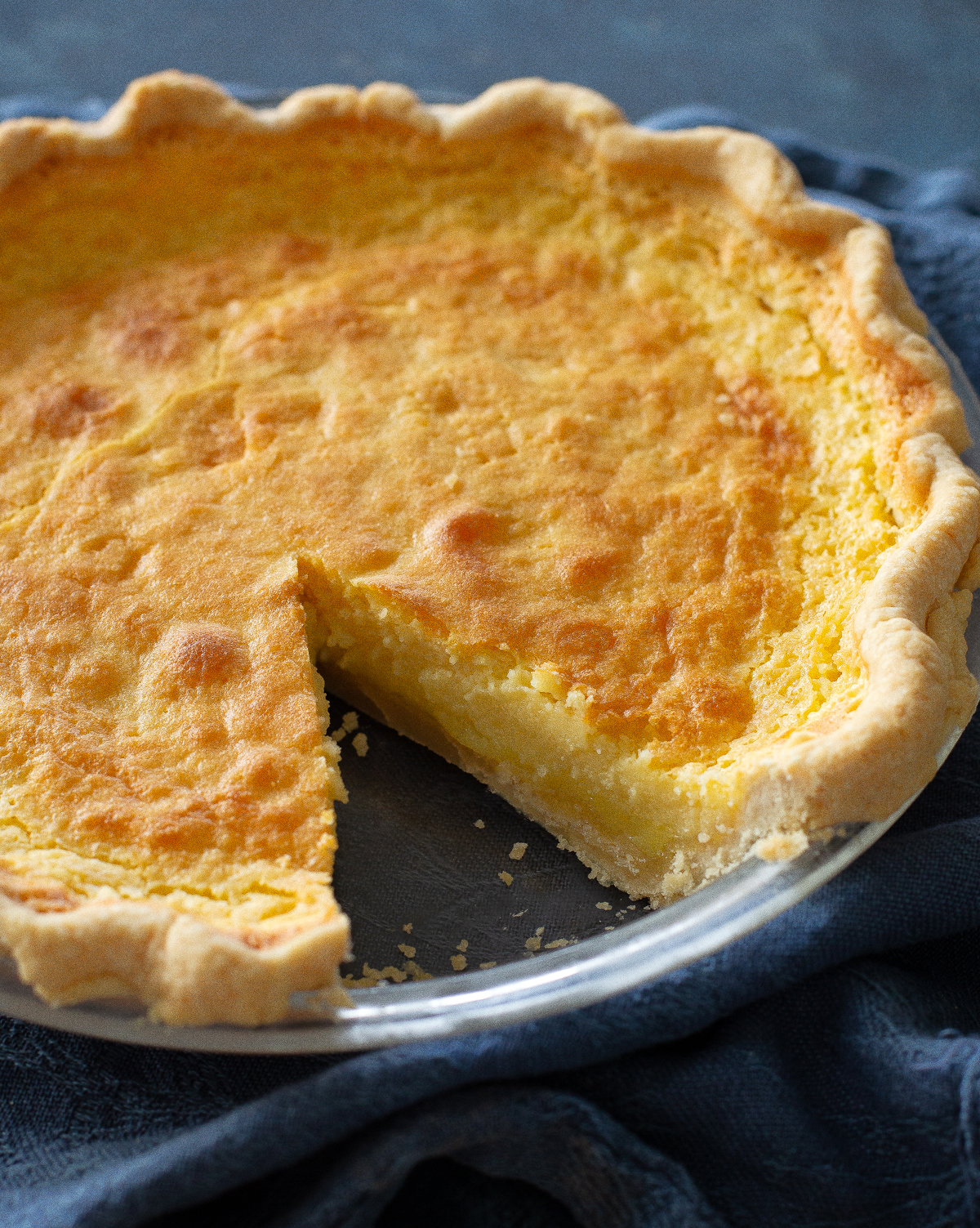
While buttermilk pie is a delightful treat any time of year, its association with holidays, particularly Thanksgiving, is particularly strong. The rich, comforting nature of the pie makes it a fitting addition to a holiday feast. It offers a delightful alternative or complement to more traditional Thanksgiving pies like pumpkin or pecan. Its creamy texture and sweet-yet-tangy flavor profile provide a welcome balance to the often savory and spice-heavy dishes found on a Thanksgiving table.
Beyond Thanksgiving, buttermilk pie is a staple at countless other celebrations, from church socials and family reunions to birthdays and casual get-togethers. Its crowd-pleasing nature ensures that it is rarely left uneaten. Often served at room temperature or slightly chilled, it is frequently accompanied by a dollop of freshly whipped cream or a scattering of fresh berries, which add a burst of color and an additional layer of freshness to the dessert.
Broader Impact and Implications: Preserving Culinary Heritage
The continued popularity of buttermilk pie is more than just a testament to its deliciousness; it represents a broader trend of interest in heritage recipes and traditional culinary practices. As modern life becomes increasingly fast-paced, there is a growing appreciation for the comfort and connection that traditional foods offer. Recipes like buttermilk pie, passed down through generations, serve as edible links to the past, allowing individuals to connect with their heritage and share culinary traditions with younger generations.
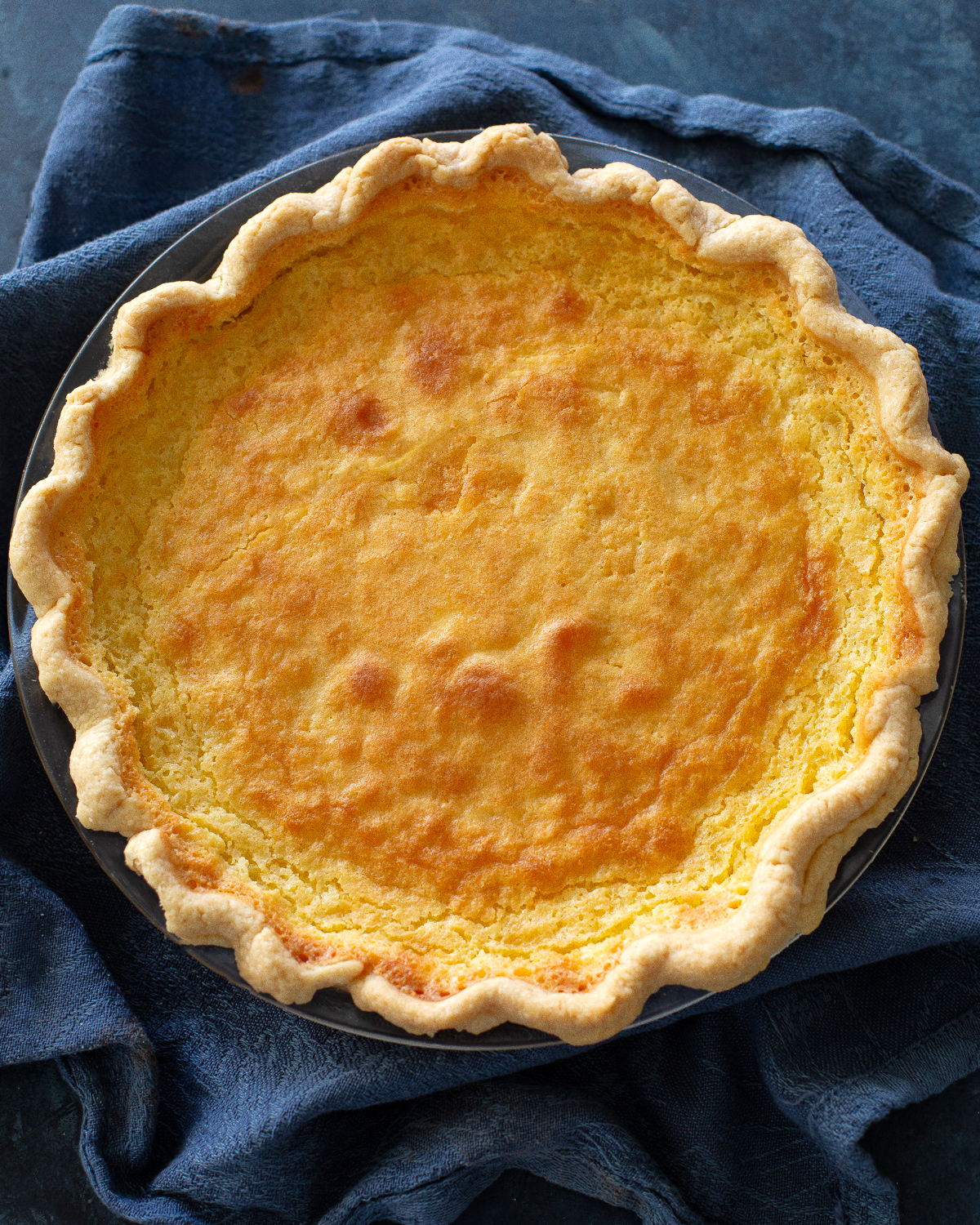
The accessibility of buttermilk pie also plays a role in its enduring appeal. In an era where elaborate and sometimes intimidating recipes can dominate food media, the simplicity of buttermilk pie serves as a reminder that exceptional food doesn’t always require complex techniques or exotic ingredients. It democratizes baking, empowering individuals to create memorable desserts with confidence.
Furthermore, the widespread recognition and enjoyment of buttermilk pie contribute to the preservation and promotion of Southern cuisine. It stands as a proud ambassador of the region’s rich culinary landscape, showcasing the unique flavors and time-honored techniques that define it. As food trends evolve, the enduring presence of classics like buttermilk pie ensures that these foundational elements of culinary heritage remain vibrant and appreciated. Its unassuming charm and consistently delightful flavor profile guarantee that buttermilk pie will continue to be a cherished dessert for generations to come, a sweet reminder of tradition and the simple pleasures of well-made food.
