
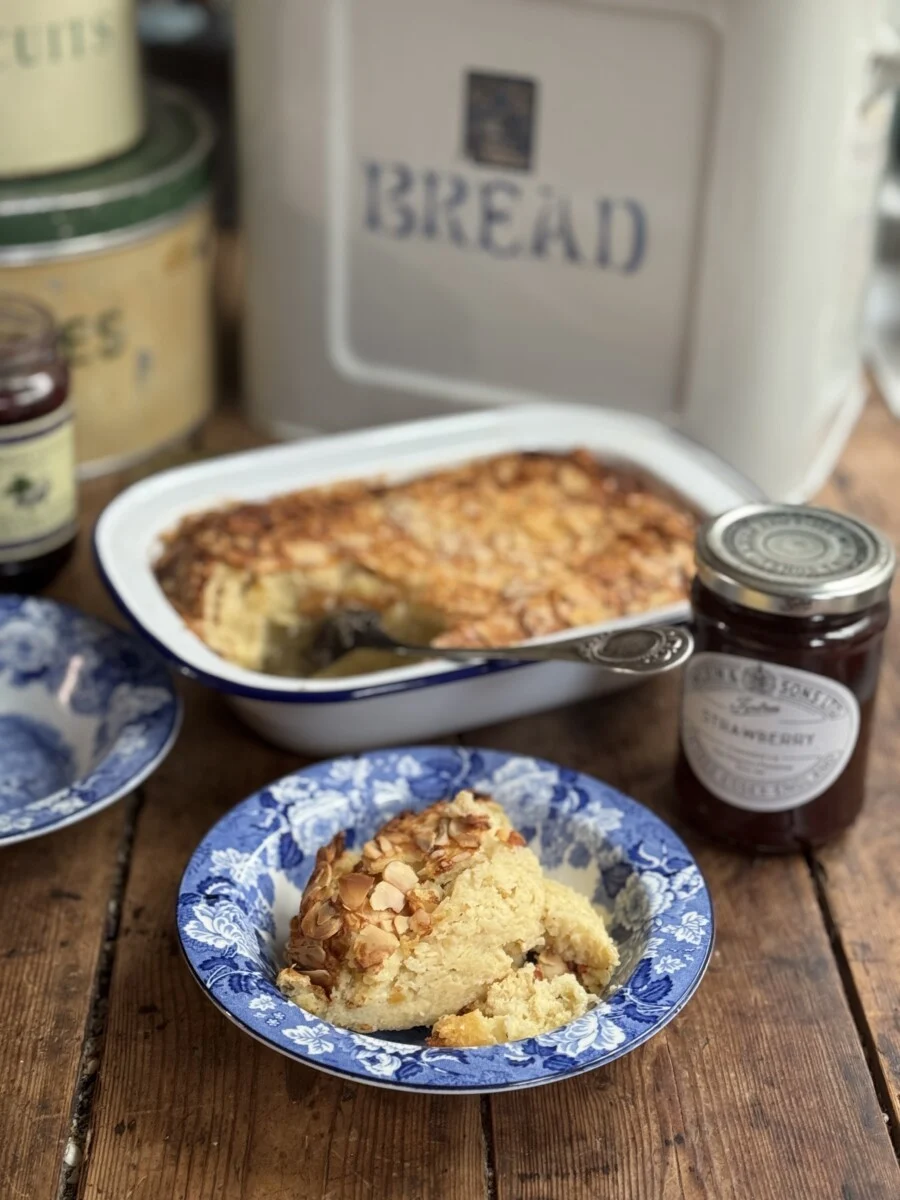
The culinary landscape of Britain is experiencing a renaissance of heritage dishes, with the recent spotlight falling on Ipswich Pudding, a traditional baked almond dessert whose origins stretch back to at least 1750. This historic British pudding, sometimes referred to as Suffolk Almond Pudding, has been brought back into modern culinary discourse by food historian and recipe developer Karen Burns-Booth, offering a delectable glimpse into 18th-century domestic cookery. The rediscovery and popularization of such recipes contribute significantly to the preservation of national culinary heritage, providing both gastronomic delight and a tangible connection to the past.

Historical Roots: A Journey to 1750
The lineage of Ipswich Pudding is firmly rooted in the mid-18th century, a pivotal era for British cuisine marked by the proliferation of printed cookbooks aimed at a burgeoning middle class. Its earliest known mention dates to 1750 in Hannah Glasse’s seminal work, "The Art of Cookery Made Plain and Easy." Glasse’s cookbook was revolutionary for its time, providing practical, straightforward recipes in English rather than the more elaborate and often French-influenced styles prevalent earlier. Her emphasis on clarity and accessibility made "The Art of Cookery" an instant success and a foundational text for British home cooks for generations. The inclusion of Ipswich Pudding in such a prominent publication underscores its standing as a recognized and valued dish of the period.

Decades later, in 1836, another rendition of the Ipswich Pudding recipe appeared in "The Ladies Companion." This subsequent publication highlights the pudding’s enduring appeal and its continued presence in the British culinary repertoire through the early Victorian era. The 19th century saw further refinement and adaptation of many traditional recipes, reflecting changes in ingredient availability, kitchen technology, and evolving tastes. The consistent appearance of Ipswich Pudding across different centuries in influential cookbooks suggests it was more than a fleeting trend; it was a cherished staple.
The Anatomy of a Heritage Pudding: Ingredients and Texture

At its core, Ipswich Pudding is a testament to the resourcefulness and foundational ingredients of British baking. Its primary components—white breadcrumbs, eggs, milk, and ground almonds—were readily available in most households during the 18th century. Breadcrumbs, often from stale bread, served as an economical base, transforming what might otherwise be waste into a substantive and satisfying dish. Eggs provided structure and richness, while milk contributed moisture and a creamy texture. Ground almonds were a prized ingredient, offering a distinctive flavor and a delicate crumb.
The pudding’s unique textural profile is a defining characteristic. It is described as a "cross between a bread pudding and a batter pudding," signifying a delicate balance between a dense, comforting baked dessert and a lighter, more ethereal one. The baking process, particularly when placed in a bain-marie (roasting tin with boiling water), encourages a gentle, even cooking, allowing the pudding to achieve a remarkable "soufflé-like" puff. This light, airy quality, combined with the moist interior, sets it apart from more robust or dense puddings of the era. This dual nature makes it versatile, appealing to those who appreciate both hearty and refined desserts.

Regional Identity: Ipswich or Suffolk?
Despite its name, the precise geographical origin of Ipswich Pudding remains a subject of minor historical debate among culinary historians. While "Ipswich" clearly points to the historic county town in Suffolk, England, some sources also refer to it as "Suffolk Almond Pudding." This dual nomenclature raises questions about whether the pudding originated specifically in Ipswich or was a more broadly recognized delicacy throughout the wider county of Suffolk.

Historical research has yet to definitively pinpoint the exact circumstances of its genesis in Ipswich. It is plausible that the pudding was simply a popular local specialty that gained wider recognition through its inclusion in national cookbooks, adopting the name of its most prominent regional center. Alternatively, it might have been a generic almond-based pudding that, through local adaptations or particular ingredients, became strongly associated with the area. Regardless of its precise birthplace within East Anglia, the pudding undeniably reflects the culinary traditions of this rich agricultural region, known for its dairy produce and historical trade routes that would have made almonds accessible. This regional connection imbues the dish with a sense of place and historical narrative, even if its exact origin story is somewhat elusive.
Evolution of Flavor: From Floral to Almond

The journey of Ipswich Pudding through the centuries also reveals fascinating shifts in flavor preferences. Early 18th-century recipes, as documented by Hannah Glasse, often called for the inclusion of rose water or orange flower water. These floral distillates were common flavoring agents in European cookery during that period, reflecting influences from Middle Eastern and Mediterranean cuisines that had permeated through trade and aristocratic dining. They imparted a delicate, perfumed aroma and taste that was highly fashionable.
However, modern adaptations, such as the one recently highlighted by Karen Burns-Booth, often substitute these floral essences with almond extract or vanilla essence. This change reflects a broader evolution in Western palates, where stronger, more direct flavors like almond and vanilla gained prominence over the subtle, often polarizing floral notes. While preserving the core almond profile from the ground almonds, the shift to almond extract enhances this flavor directly, appealing to contemporary tastes. This adaptation demonstrates how traditional recipes can evolve while retaining their historical essence, making them palatable and accessible to new generations of diners.

Culinary Revival: A Modern Interpretation and Its Appeal
Karen Burns-Booth’s efforts in revitalizing the Ipswich Pudding exemplify a growing global interest in culinary archaeology—the study and recreation of historical recipes. Her adaptation ensures the dish is accessible to modern home cooks, using readily available ingredients and contemporary baking techniques while honoring its historical roots. The enthusiastic reception of the pudding, even by those with less of a "sweet tooth," underscores its balanced flavor and comforting qualities. The comparison by Burns-Booth’s husband to Bakewell Pudding is telling, as Bakewell Pudding is another beloved British classic known for its almond notes and rich texture, suggesting Ipswich Pudding holds a similar, yet distinct, charm.

The pudding’s versatility makes it an ideal dessert for various occasions. Its light, yet satisfying nature positions it as a perfect "spring or summer" pudding, though its warmth and comforting flavors would undoubtedly make it equally appealing during the colder "depths of winter." Its ability to be paired with simple accompaniments like stewed fruit, compote, or a dollop of jam (blackcurrant, strawberry, and raspberry being noted favorites) further enhances its appeal, allowing for seasonal variations and personal preferences. This adaptability makes it suitable for family meals and special gatherings, such as Easter or Mothering Sunday, offering a touch of historical elegance to contemporary celebrations.
Economic and Cultural Implications

The rediscovery and promotion of dishes like Ipswich Pudding carry significant cultural and potential economic implications. From a cultural standpoint, it helps to preserve and celebrate Britain’s rich culinary heritage, preventing valuable gastronomic traditions from fading into obscurity. It encourages a deeper appreciation for the evolution of food, ingredients, and cooking methods over centuries. For food historians and enthusiasts, each revived recipe is a piece of a larger puzzle, helping to reconstruct the daily lives and dining habits of past generations.
Economically, the resurgence of regional heritage foods can boost local tourism and specialty food markets. Should Ipswich Pudding gain wider recognition, it could become a culinary emblem for Ipswich and Suffolk, attracting food tourists keen to experience authentic regional flavors. Local bakeries and restaurants might incorporate it into their menus, creating unique selling points and supporting local ingredient suppliers. This phenomenon has been observed with other regional specialties across Britain and beyond, where distinctive local dishes become key components of cultural identity and economic drivers.

The Broader Context of British Puddings
Ipswich Pudding fits comfortably within the vast and varied category of traditional British puddings, a culinary domain that encompasses everything from steamed suet puddings to baked custards and fruit crumbles. British puddings are renowned for their comforting qualities, often serving as the sweet climax to a Sunday roast or a hearty family meal. They reflect a history of utilizing local produce, seasonal fruits, and ingenious methods to create satisfying desserts.

The comparison to Bakewell Pudding highlights a shared love for almond-based desserts in British cookery. While Bakewell Pudding typically features a shortcrust pastry base, frangipane, and a layer of jam, Ipswich Pudding stands out with its breadcrumb base and soufflé-like texture, yet both celebrate the rich, nutty flavor of almonds. This demonstrates the diversity within the British pudding tradition, where similar core ingredients are transformed into distinct culinary experiences through variations in technique and composition. Other historical examples, such as Yorkshire Apple Pudding, Victorian Cabinet Pudding, and Eve’s Pudding, further illustrate the breadth of this heritage, each telling a story of specific ingredients and regional practices.
Future Prospects and Continued Exploration

The renewed interest in Ipswich Pudding, championed by figures like Karen Burns-Booth, is part of a larger trend towards embracing slow food, heritage ingredients, and traditional culinary skills. As consumers become more conscious of the provenance of their food and the stories behind their meals, historical recipes offer a unique blend of nostalgia, comfort, and cultural education. The process of researching, recreating, and sharing these dishes ensures that they remain part of a living tradition, rather than mere historical footnotes.
The journey to understand the full history of Ipswich Pudding, and indeed many other British heritage dishes, is ongoing. There is always more to uncover in old culinary files, vintage cookbooks, and regional archives. Each discovery enriches the tapestry of British food history, inviting both home cooks and professional chefs to explore, adapt, and enjoy these timeless tastes. Ipswich Pudding, with its simple elegance, historical depth, and delightful flavor, stands as a prime example of a heritage dish deserving of its place on modern tables, offering a truly delectable "afters" for any discerning palate.
