
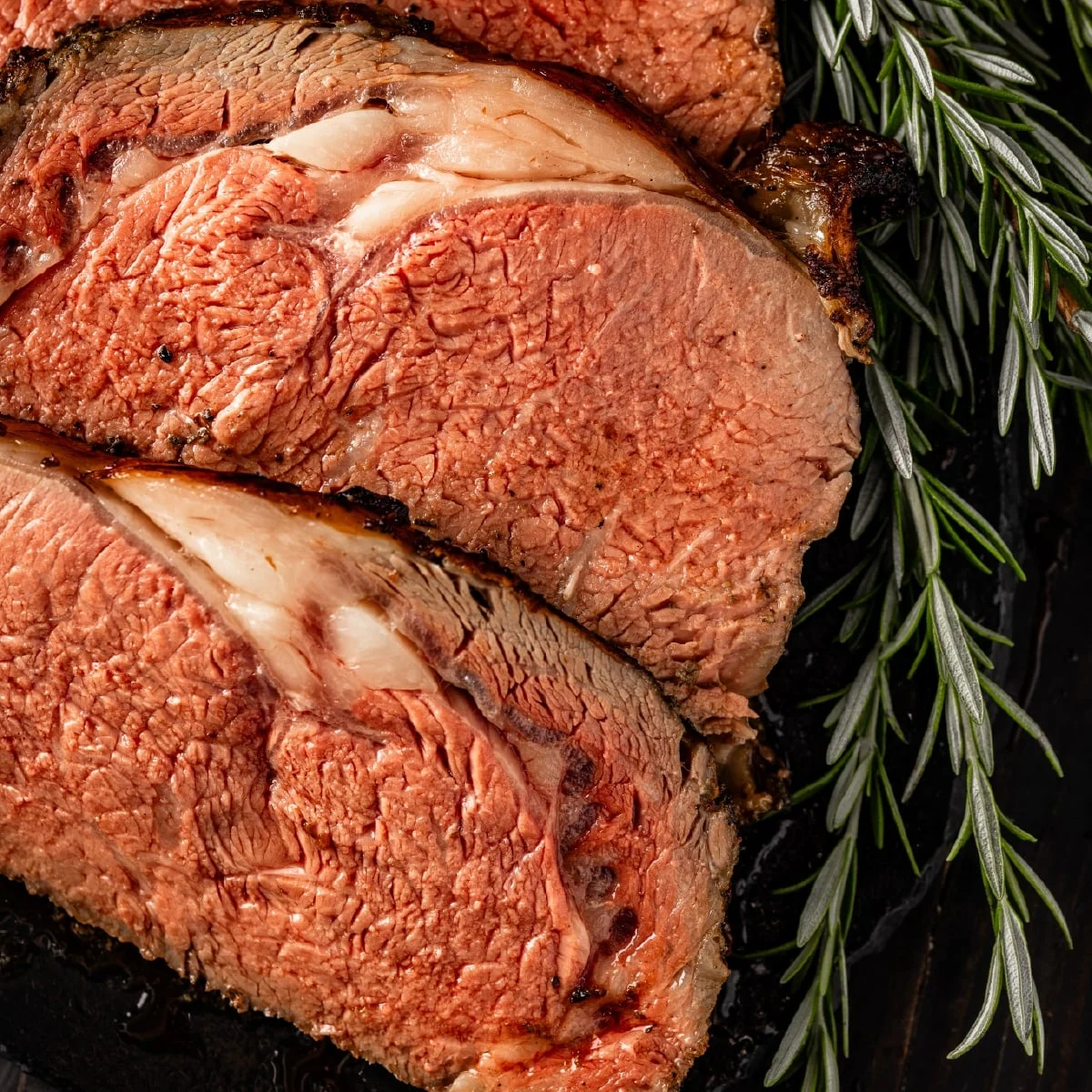
The landscape of domestic culinary arts has undergone a significant transformation over the last decade, moving away from traditional oven-roasting methods toward precision-based technologies once reserved for Michelin-starred professional kitchens. At the forefront of this movement is the application of the sous vide method to high-value cuts of meat, most notably the prime rib roast. By utilizing a temperature-controlled water bath to ensure edge-to-edge uniformity in doneness, home cooks are increasingly adopting "low and slow" techniques to mitigate the risks associated with preparing expensive protein assets. This method, which translates from French as "under vacuum," has redefined the standard for holiday dining, ensuring that the prized medium-rare texture is achieved with mathematical certainty rather than guesswork.
The Scientific Foundation of Sous Vide Cooking
To understand the rise of the sous vide prime rib, one must examine the thermodynamics of heat transfer in protein. Traditional roasting relies on high-temperature air (typically 325°F to 450°F) to penetrate the center of a dense muscular structure. Because air is an inefficient conductor of heat, the exterior of the meat often reaches temperatures far exceeding the desired internal set point before the center is cooked, resulting in the "gray band" effect—a gradient of overcooked meat surrounding a small medium-rare core.

In contrast, the sous vide method utilizes water, which is approximately 25 times more thermally conductive than air. By vacuum-sealing a prime rib and submerging it in a bath set to exactly 129°F (54°C), the meat eventually reaches a state of thermal equilibrium with the water. Because the environment never exceeds the target temperature, the meat cannot overcook, regardless of minor fluctuations in timing. This precision allows for the breakdown of intramuscular collagen into gelatin without denaturing the proteins to the point of moisture loss, resulting in a texture that is uniquely tender and succulent.
Chronology of the Sous Vide Prime Rib Process
The preparation of a six-pound prime rib roast using precision immersion circulation is an exercise in patience and procedural discipline. The timeline for a successful execution typically spans over eight hours, excluding preparation and resting phases.
Phase I: Preparation and Seasoning (T-Minus 9 Hours)
The process begins with the selection of a high-quality roast, typically USDA Prime or Choice grade. The meat is prepared by applying a dense coating of seasoning. Culinary experts recommend a blend of kosher salt, coarse black pepper, garlic powder, onion powder, and dried herbs such as rosemary and thyme. The salt serves a dual purpose: enhancing flavor and initiating a dry-brine effect that alters the protein structure to retain more moisture during the long cook.

Phase II: Vacuum Sealing and Immersion (T-Minus 8.5 Hours)
Once seasoned, the roast is placed in a heavy-duty BPA-free plastic bag. Professional-grade vacuum sealers are preferred to ensure the removal of all oxygen, which prevents the bag from floating and ensures direct contact between the water and the meat’s surface. For those without specialized equipment, the "displacement method" using zip-top freezer bags and water pressure to force out air is a viable alternative. The roast is then submerged in the preheated 129°F water bath.
Phase III: The Thermal Equilibrium Phase (8-Hour Duration)
During the eight-hour immersion, the immersion circulator maintains a constant flow of water to prevent "cold spots." For a single steak, two hours may suffice, but for a multi-pound roast, the extended duration is necessary to ensure the core temperature reaches the set point and stays there long enough to soften connective tissues.
Phase IV: The Maillard Reaction and Finishing (The Final 30 Minutes)
Upon removal from the water bath, the meat appears unappetizingly gray due to the lack of high-heat browning. The final step involves a high-temperature sear. This is achieved either on a preheated grill, in a heavy cast-iron skillet, or under a high-heat oven broiler. This brief exposure to temperatures exceeding 400°F triggers the Maillard reaction—a chemical reaction between amino acids and reducing sugars that creates the characteristic brown crust and complex "roasted" flavor profile.

Economic and Market Context of Premium Beef
The adoption of precision cooking methods is not merely a matter of taste but also an economic strategy. As of late 2024 and early 2025, the price of beef remains high due to fluctuating herd sizes and supply chain logistics. A high-quality prime rib roast can cost a consumer anywhere from $80 to over $200 depending on weight and sourcing.
Market analysts note that the "fear of failure" is a significant driver in the sales of sous vide immersion circulators. When a consumer invests significantly in a holiday centerpiece, the margin for error in a traditional oven is uncomfortably slim. Data from kitchenware industry reports suggest that the global sous vide machine market is projected to grow at a compound annual growth rate (CAGR) of over 5% through 2030, driven largely by the democratization of the technology and the falling price of entry-level devices.
Expert Perspectives on Food Safety and Texture
Food safety remains a paramount concern in low-temperature cooking. While the USDA generally recommends cooking beef to an internal temperature of 145°F, culinary professionals utilize "pasteurization curves." According to food science data, pathogens like Salmonella and E. coli are destroyed not just by a specific temperature, but by a combination of temperature and time. Holding a roast at 129°F for eight hours is sufficient to achieve pasteurization, making it a safe method for producing a medium-rare result that is commercially viable and domestically safe.

Chef Susie Bulloch, a prominent figure in the outdoor cooking community and founder of Hey Grill Hey, emphasizes the importance of the post-cook sear. "When you use the sous vide method, you guarantee that perfect doneness," Bulloch notes. However, she stresses that the "holiday hero" status comes from the final bark, suggesting that a quick sear on a grill provides the classic aesthetic and textural contrast that diners expect from a traditional roast.
Long-term Storage and Sustainability Implications
One of the logistical advantages of the sous vide method is its impact on food waste and leftovers. Traditional roasted prime rib often suffers during reheating, as subsequent exposure to heat further overcooks the meat, turning a medium-rare roast into a dry, well-done disappointment.
Precision technology offers a solution for the "day-after" scenario. Leftover portions can be re-sealed and returned to a 129°F water bath. Because the water does not exceed the original cooking temperature, the meat can be brought back to serving temperature without any loss in quality or change in doneness. This ability to maintain the integrity of the protein over multiple days significantly increases the utility of the initial investment.

Furthermore, the sous vide method is increasingly viewed through the lens of sustainability. By cooking in a sealed environment, there is zero evaporative loss. A roast that goes into the bag weighing six pounds emerges at nearly the same weight, whereas oven-roasting can result in a 10% to 15% reduction in mass due to moisture loss. This higher yield means more servings per animal, aligning with broader goals of responsible consumption.
Conclusion: The Future of Precision Entertaining
The shift toward sous vide prime rib represents a broader trend in the professionalization of the home kitchen. As consumers become more educated on the biochemistry of cooking, the reliance on "instinct" is being replaced by a reliance on data and thermal stability. The result is a more consistent, higher-quality dining experience that reduces the stress of holiday hosting.
While purists may argue that the lack of wood smoke or the varying textures of an unevenly roasted bird or beef are part of the traditional charm, the modern diner increasingly prioritizes precision. As immersion circulators become as common as slow cookers in the average household, the "perfect" prime rib is no longer the hallmark of a master chef, but an achievable standard for any motivated home cook. The "revol-que-tion," as some enthusiasts call it, is firmly rooted in the intersection of technology and tradition, ensuring that the centerpiece of the holiday table is as scientifically sound as it is delicious.
