
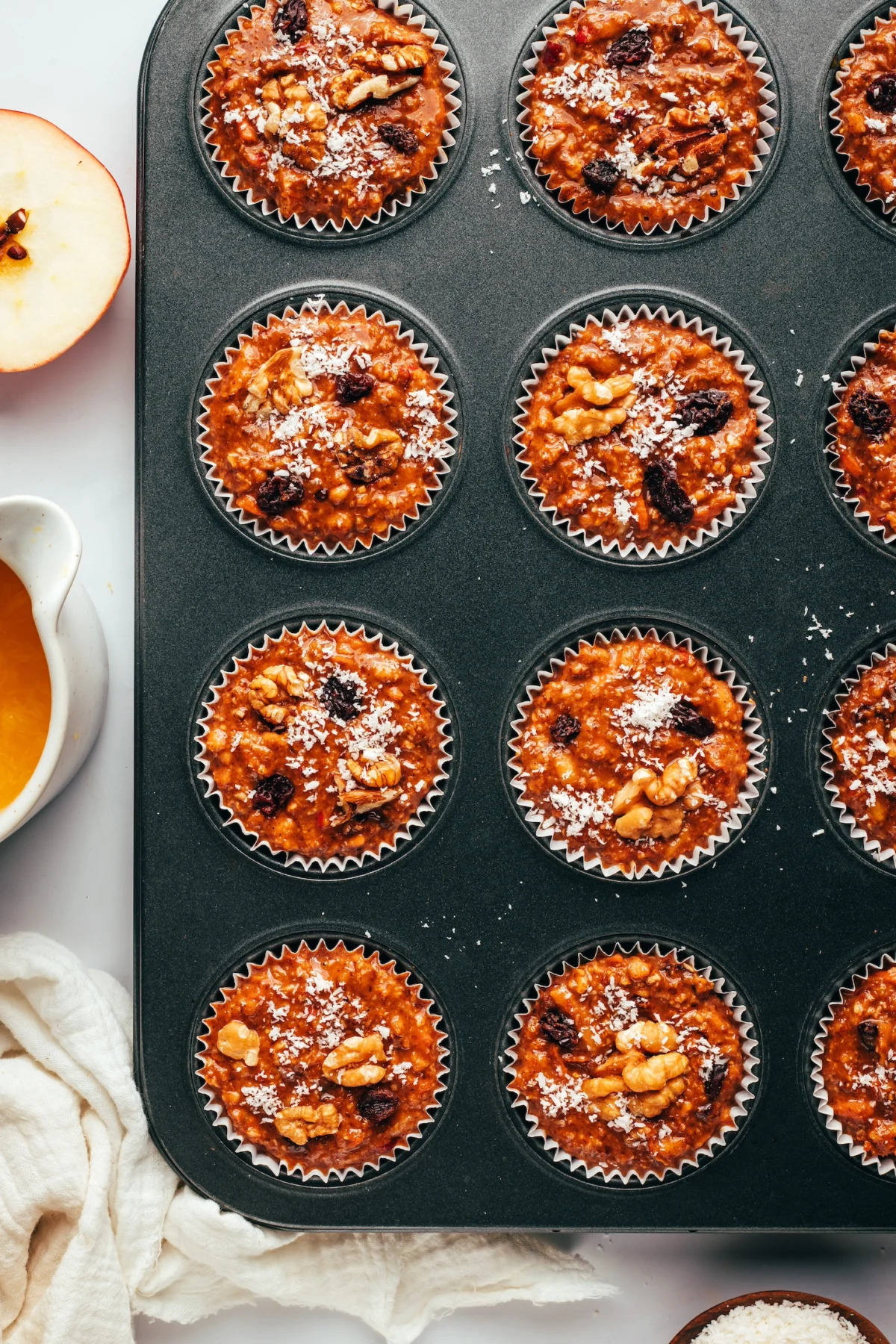
The Genesis of a Classic: Morning Glory Muffins’ Origin
The original Morning Glory Muffin holds a cherished place in American culinary history, a testament to its enduring appeal. Its creation is attributed to Chef Pam McKinstry in 1978 at her Morning Glory Cafe on Nantucket Island. McKinstry’s vision was to craft a muffin that was not only delicious but also brimming with wholesome ingredients, a refreshing departure from simpler, often less nutrient-dense breakfast pastries. Her recipe quickly gained widespread acclaim, eventually being published in Gourmet magazine in 1981, cementing its status as a culinary icon. The original formulation was characterized by a rich blend of shredded coconut, raisins, grated apple and carrots, pineapple chunks, pecans or walnuts, and a warm hint of cinnamon, alongside conventional muffin staples like flour, sugar, baking soda, salt, eggs, vegetable oil, and vanilla extract. This combination delivered a muffin that was moist, flavorful, and remarkably satisfying, earning its "glory" in breakfast circles nationwide.

The Rise of Dietary Consciousness and the Demand for Alternatives
The culinary landscape has undergone a profound transformation since the late 1970s. Over the past two decades, there has been a significant surge in awareness and demand for specialized dietary options, driven by a confluence of health, ethical, and environmental considerations. Gluten-free and vegan diets have moved from niche categories to mainstream dietary choices, necessitating innovative adaptations of traditional recipes.
The gluten-free movement gained substantial momentum with increased understanding of celiac disease and non-celiac gluten sensitivity. According to recent market analyses, the global gluten-free products market size was valued at over $6.5 billion in 2022 and is projected to grow substantially in the coming years, driven by rising diagnosis rates and consumer perception of gluten-free as a healthier alternative. Similarly, the vegan movement has expanded exponentially. Reports indicate that the plant-based food market is expected to reach over $162 billion by 2030, reflecting a growing consumer base motivated by animal welfare, environmental sustainability, and perceived health benefits of a plant-forward diet. This shift has placed considerable pressure on food developers and home bakers alike to innovate, creating delicious and accessible versions of classic dishes that cater to these evolving dietary requirements.

The Modern Twist: A Vegan and Gluten-Free Evolution
Against this backdrop of evolving dietary needs, the development of a vegan and gluten-free Morning Glory Muffin by Minimalist Baker represents a significant culinary achievement. This adaptation skillfully navigates the challenges inherent in removing both gluten and animal products from a classic baked good, often resulting in compromises in texture or flavor in less successful attempts.
The core innovation in this recipe lies in its flour composition. Eschewing common gluten-free alternatives like almond flour, which can sometimes result in a denser or crumbly texture, this recipe opts for a blend of oat flour and potato starch. Oat flour, derived from finely ground oats, contributes a delicate, wholesome flavor and a tender crumb, while potato starch aids in achieving a light, airy texture and moisture retention, crucial for gluten-free baking. This combination ensures a muffin that is not only tender and wholesome but also satisfying, avoiding the "gummy" or dry characteristics often associated with poorly formulated gluten-free products. The conscious decision to avoid almond flour also broadens accessibility for those with nut allergies, further enhancing its inclusive appeal.

For its vegan components, the recipe intelligently replaces traditional eggs with a flaxseed meal "egg" – a mixture of ground flaxseed meal and orange juice that, upon resting, forms a gelatinous binder. This substitution effectively mimics the binding properties of eggs, contributing to the muffin’s structural integrity and moisture. Dairy milk is seamlessly replaced with plant-based alternatives, and the recipe inherently relies on plant-based oils (like avocado oil, as implied by accompanying imagery) for richness. The commitment to natural sweetness, likely through ingredients like coconut sugar or fruit sugars, aligns with broader health trends advocating for reduced refined sugar intake.
A Deep Dive into Wholesome Ingredients and Nutritional Benefits
The updated Morning Glory Muffin retains the original’s commitment to being "filled with wholesome goodies," a key factor in its appeal. Each ingredient contributes not only to the muffin’s complex flavor and texture but also to its robust nutritional profile:

- Apples: Grated apples provide natural sweetness, moisture, and dietary fiber, which is crucial for digestive health and satiety. They also contribute essential vitamins like Vitamin C.
- Carrots: Shredded carrots are a powerhouse of beta-carotene, a precursor to Vitamin A, vital for vision and immune function. They also add natural sweetness and a subtle earthy note.
- Raisins: These dried grapes offer concentrated natural sugars for energy, along with antioxidants and additional fiber. Their chewiness adds an enjoyable textural contrast.
- Coconut: Shredded coconut brings a unique tropical flavor and healthy medium-chain triglycerides (MCTs), which are easily metabolized for energy. It also adds a pleasant chewiness and dietary fiber.
- Walnuts: A primary source of plant-based omega-3 fatty acids, walnuts are renowned for their brain health benefits. They also provide protein, fiber, and a satisfying crunch. The recipe’s use of walnuts (or pecans, as in the original) underscores its commitment to nutrient density.
- Oat Flour: Beyond being gluten-free, oat flour is rich in soluble fiber (beta-glucan), which can help regulate blood sugar levels and lower cholesterol. It also provides a range of B vitamins and minerals.
- Flaxseed Meal: Acting as an egg replacer, flaxseed meal is a nutritional star, packed with omega-3 fatty acids, fiber, and lignans, which have antioxidant properties.
The combination of these ingredients results in a muffin that is not merely a sweet treat but a genuinely wholesome and satisfying option for breakfast or snacking. Its nutrient density, particularly in fiber and healthy fats, contributes to sustained energy release, making it a more balanced choice compared to many traditional baked goods high in refined sugars and flours.
The Simplicity of "One-Bowl" Baking: A Boon for Home Cooks
A standout feature of this particular recipe is its emphasis on simplicity, encapsulated in the "one-bowl" method. This approach significantly streamlines the baking process, reducing both preparation time and cleanup. For busy individuals or those new to baking, the promise of a single bowl simplifies what can often feel like a daunting task involving multiple mixing vessels.

The process is straightforward:
- Prepare the Flax Egg: Orange juice and flaxseed meal are combined and allowed to thicken, forming the vegan binding agent.
- Grate Produce: While the flax egg rests, carrots and apples are grated, integrating fresh vegetables and fruit seamlessly.
- Combine Ingredients: The remaining wet ingredients (like plant-based milk and oil) are added to the flax egg mixture, followed by the dry ingredients (oat flour, potato starch, spices, leavening agents). Finally, the "goodies" – grated produce, raisins, coconut, and walnuts – are folded in.
- Bake: The batter is then divided into muffin cups and baked until golden and fragrant.
This methodical yet uncomplicated approach democratizes specialized baking, making vegan and gluten-free options accessible to a wider audience, including those who may perceive such recipes as overly complex. The total preparation and cook time of approximately 35 minutes (15 minutes prep, 20 minutes cook) further highlights its efficiency, making it a viable option even on busy mornings.
Market Impact and Broader Implications

The emergence and popularization of recipes like the Vegan Gluten-Free Morning Glory Muffin reflect several significant trends within the food industry and consumer behavior:
- Increased Inclusivity: Such recipes contribute to a more inclusive food landscape, ensuring that individuals with dietary restrictions or preferences do not have to forgo beloved comfort foods. This fosters a sense of normalcy and enjoyment around eating, regardless of specific dietary needs.
- Innovation in Plant-Based and Gluten-Free Baking: The success of this muffin demonstrates the growing sophistication in developing plant-based and gluten-free alternatives that genuinely rival their traditional counterparts in taste and texture. This pushes the boundaries of culinary innovation.
- The Role of Food Bloggers and Digital Platforms: Platforms like Minimalist Baker play a crucial role in disseminating these innovative recipes. They serve as trusted sources for accessible, well-tested adaptations, empowering home cooks to experiment with specialized diets. The engagement features, such as comment sections and photo tagging, create a community around these recipes, fostering shared knowledge and enthusiasm.
- Health and Wellness Focus: The emphasis on wholesome ingredients, natural sweetness, and nutrient density aligns with a broader consumer shift towards health and wellness. Consumers are increasingly scrutinizing ingredient lists and seeking foods that offer functional benefits beyond basic sustenance.
- Sustainability Considerations: By being vegan, the recipe inherently aligns with environmental sustainability goals, as plant-based diets typically have a lower environmental footprint compared to diets heavy in animal products.
The nutritional data provided for this specific muffin further underscores its health-conscious design. Each muffin, at approximately 244 calories, offers 35.7g carbohydrates, 2.5g protein, and 11.2g fat (with 2.9g saturated fat). Importantly, it contains 2.8g of fiber, contributing significantly to daily fiber recommendations, and 0mg cholesterol, a direct benefit of its vegan composition. This profile makes it a substantial and energy-sustaining snack or breakfast item, particularly when paired with a glass of dairy-free milk or a warm cup of coffee or tea, as suggested by the creators.
Consumer Experience and Versatility

Consumer reactions to such carefully crafted recipes are generally enthusiastic. For individuals managing celiac disease or gluten sensitivities, finding a muffin that is "tender" and "moist" without being "gummy" is a significant relief. Vegans appreciate the ethical alignment and the robust flavor profile that doesn’t feel like a compromise. The subtly spiced, naturally sweet characteristics make it appealing across a wide demographic, including children and adults.
The muffins are highly versatile. They serve as an excellent on-the-go breakfast option, a satisfying mid-morning snack, or even a light dessert. Their freezer-friendly nature (up to one month) makes them ideal for meal prepping, allowing individuals to bake a batch and enjoy fresh muffins throughout the week or month with minimal effort. The ability to keep for 2-3 days at room temperature also adds to their convenience.
Looking Ahead: The Future of Inclusive Baking

The Vegan Gluten-Free Morning Glory Muffin is more than just a recipe; it is an emblem of the ongoing evolution in baking. It signifies a movement towards a future where dietary restrictions do not equate to culinary limitations. As consumer demands continue to diversify and scientific understanding of nutrition expands, the food industry and independent creators will undoubtedly continue to innovate, offering increasingly sophisticated and delicious options that cater to every palate and every dietary need. This muffin stands as a testament to the fact that wholesome, satisfying, and delicious baked goods can indeed be crafted without traditional gluten or animal products, paving the way for even more inclusive and creative culinary endeavors.
