
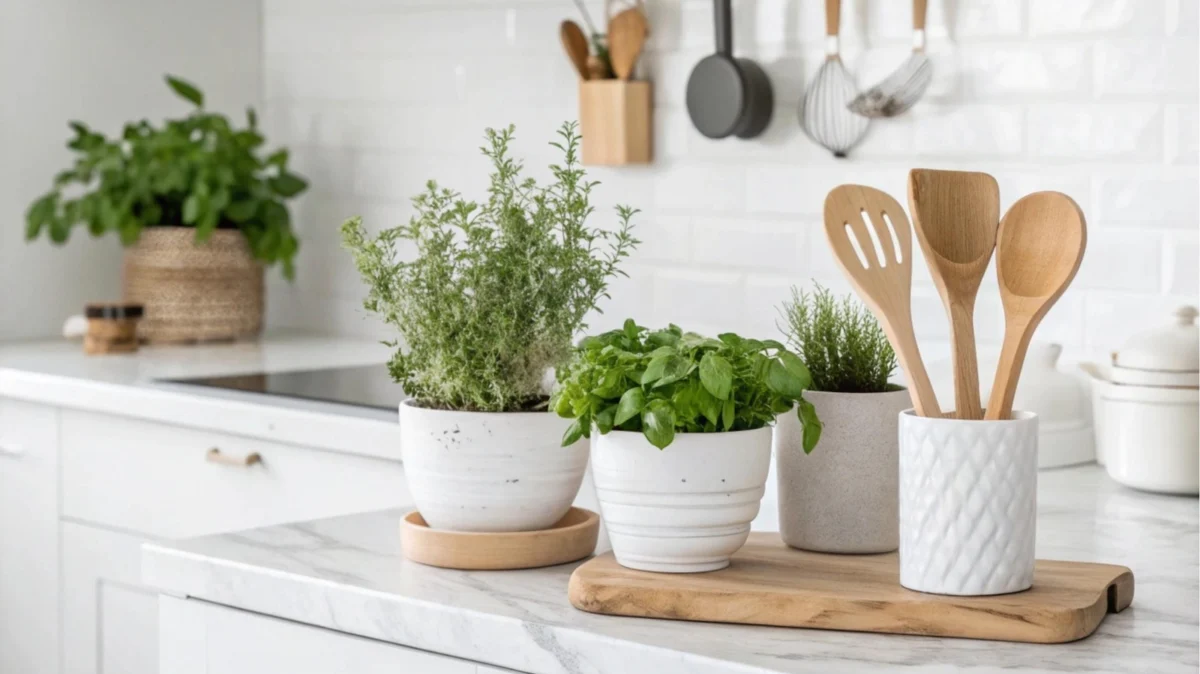
For the dedicated home gardener, the allure of a thriving kitchen garden is undeniable. The ability to pluck fresh herbs for a steaming cup of tea or to harvest vibrant vegetables for a healthy meal right from one’s own home offers unparalleled satisfaction. Whether cultivated on a sunny windowsill or established in an outdoor plot, these personal oases of greenery provide a constant source of fresh, delicious ingredients. However, there’s a time-tested tool, often overlooked, that can significantly elevate a kitchen garden’s productivity and resilience: the cloche. This seemingly simple device acts as a miniature greenhouse, offering a controlled environment that can foster faster growth, stronger plants, and protection from the elements.
The Humble Cloche: A Centuries-Old Secret to Gardening Success
The concept of the cloche, a bell-shaped cover designed to protect and nurture plants, boasts a rich history. While the exact origins are debated, historical accounts suggest that glassblowers in Italy may have first crafted these protective domes for horticultural purposes as early as 1623. From these early beginnings, the practice of using cloches gradually spread across Europe and eventually to America, becoming a staple for gardeners seeking to extend their growing seasons and improve crop yields. This enduring popularity speaks to the cloche’s fundamental effectiveness in creating an optimal microclimate for plants.
At its core, a cloche functions by harnessing the power of the sun. It captures and traps solar warmth and light, creating a localized greenhouse effect around the plant. This elevated temperature can significantly speed up germination for seeds and encourage more vigorous growth in young seedlings and established plants. Beyond temperature regulation, cloches also provide a physical barrier against common garden adversaries. They shield delicate plants from harsh winds, which can cause physical damage and dehydration, and crucially, they deter pests like slugs, snails, and various insects that can decimate crops. This dual protective function makes cloches invaluable for both novice and experienced gardeners.
Enhancing Versatility and Extending the Growing Season
One of the most significant advantages of employing cloches in a kitchen garden is the enhanced versatility they offer. They allow gardeners to more seamlessly transition plants between indoor and outdoor environments while minimizing the shock and stress associated with such moves. For instance, seeds can be sown directly outdoors in early spring, benefiting from the cloche’s ability to warm the soil and protect emerging sprouts from late frosts. Once germinated and established, these plants can then be moved indoors to a windowsill, where the cloche continues to provide warmth and light from the sun filtering through the glass. This adaptability is particularly beneficial for gardeners living in regions with unpredictable spring weather or those who wish to enjoy the presence of certain plants indoors throughout the year.
Furthermore, cloches play a vital role in extending the gardening season. In cooler climates, they can provide crucial protection against early frosts, allowing gardeners to cultivate crops well into the autumn. Conversely, during the winter months, a cloche can act as a protective shield against freezing temperatures and snow, helping hardy plants to survive and even thrive. This ability to buffer plants against extreme weather conditions means that gardeners can enjoy a more consistent supply of fresh produce and herbs, regardless of the season’s fluctuations.
Strategic Use: Maximizing the Benefits of Cloches
The effective use of cloches extends beyond simply placing them over plants. Strategic application can unlock even greater benefits for your kitchen garden. One particularly impactful technique involves pre-warming the soil. By placing a cloche over a patch of soil approximately ten days before sowing seeds, gardeners can significantly raise the soil temperature. This warmed soil creates an ideal environment for seed germination, increasing the likelihood of successful sprouting and leading to a more robust start for your plants. This method is especially useful for seeds that require warmer conditions to germinate.
While cloches are invaluable for creating a warm and protected environment, it is essential to manage them judiciously, especially during warmer periods. On particularly hot and sunny days, cloches can trap excessive heat, potentially scorching delicate leaves or stressing the plants within. Therefore, it is crucial to remove cloches periodically to allow for adequate ventilation and to prevent overheating. This simple act of airing out the plants can make a significant difference in their overall health and resilience.
As the weather turns colder, another important consideration arises: maintaining plants within appropriate size parameters. When plants grow tall enough to touch the interior of the cloche, the glass, which can become quite cold, may actually damage or kill the leaves it contacts. Therefore, regular trimming of plants to ensure they do not make contact with the cloche’s surface is a vital step in their winter care. Maintaining a slight degree of ventilation even in colder weather can also be beneficial, preventing the buildup of excessive moisture and reducing the risk of fungal diseases.
Shopping for and Incorporating Cloches into Your Garden Design
The market offers a diverse range of cloches to suit various gardening needs and aesthetic preferences. While traditional glass cloches remain popular for their classic appeal and excellent light transmission, modern alternatives are also available, including those made from durable plastics or recycled materials. For those seeking a touch of antique charm, decorative cloches with bases made from materials like wicker or aged metal can add a sophisticated flourish to a windowsill or patio garden. Brands such as Cotton & Concrete offer cloches that blend functionality with vintage aesthetics, bringing a unique character to any planting display.
For the budget-conscious gardener, affordable single cloches can be readily found on online marketplaces like Amazon. These often provide the essential protective benefits without a significant investment. For instance, a handmade glass cloche can offer both practical gardening support and an attractive decorative element.
Beyond purchasing new cloches, gardeners can also explore the creative option of repurposing household items. Many glass jars, particularly those with wide openings, can be effectively transformed into impromptu cloches. By cleaning and preparing these jars, gardeners can create a sustainable and cost-effective solution for protecting smaller plants or individual seedlings. This DIY approach not only reduces waste but also allows for a more personalized gardening setup.
Broader Implications for Urban and Small-Space Gardening
The widespread adoption of cloches holds significant implications for the burgeoning trends of urban and small-space gardening. As more individuals seek to cultivate their own food in limited environments, cloches offer a powerful tool to overcome common challenges such as unpredictable weather, pest infestations, and the need for accelerated growth. In densely populated urban areas where garden space is at a premium, cloches can maximize the yield and resilience of balcony gardens, rooftop plots, and indoor herb collections.
The ability of cloches to create microclimates also supports the cultivation of a wider variety of plants in less-than-ideal conditions. For example, in areas with short growing seasons, cloches can extend the period during which tender vegetables and herbs can be successfully grown. This democratizes gardening, making it more accessible to individuals in diverse climates and living situations.
The historical context of the cloche also highlights a continuity in human ingenuity and a deep-seated desire to connect with nature, even in the face of environmental challenges. From the early Italian glassblowers to contemporary home gardeners, the cloche represents a persistent solution for nurturing plant life. Its continued relevance underscores the enduring value of simple, effective tools in the pursuit of self-sufficiency and the enjoyment of fresh, home-grown produce. As urban gardening continues to gain momentum, the humble cloche is poised to play an even more crucial role in empowering individuals to cultivate their own green spaces, one protected plant at a time.
