
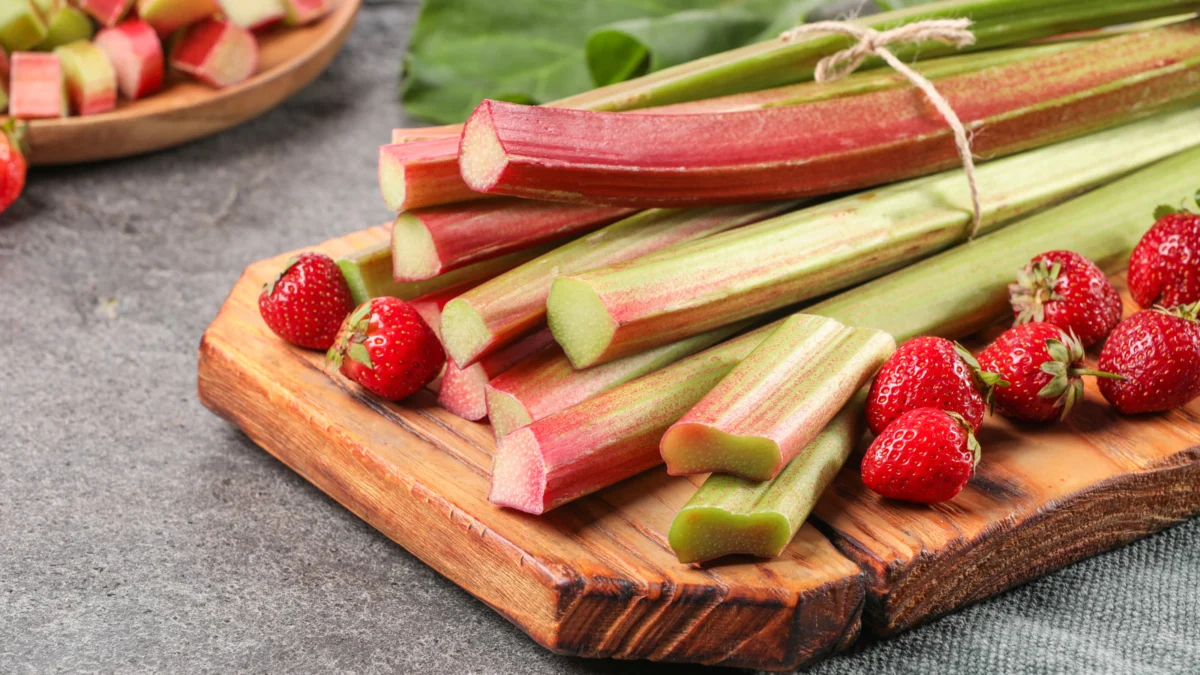
For many who have spent their lives below the Mason-Dixon line, the mere mention of rhubarb might conjure a fleeting sense of culinary apprehension. Often encountered in pies and crumbles, this tart, vegetal ingredient has, for some, been an acquired taste, or perhaps, an unappetizing one. This widespread perception, however, is not necessarily a reflection of a universal dislike for rhubarb, but rather a consequence of its challenging cultivation in the warmer climates of the Southern United States. The key to understanding this discrepancy lies in rhubarb’s botanical origins and its specific climatic needs.
Originating from the colder regions of northern Asia, rhubarb was introduced to England in the 17th century and subsequently made its way to America. The varieties commonly consumed today are the result of centuries of hybridization. Fundamentally, rhubarb thrives in environments characterized by freezing winters and cool, crisp springs. This climatic predisposition is precisely why the Pacific Northwest, with its milder temperatures and consistent moisture, is a region where rhubarb flourishes and is particularly popular. In contrast, the intensely hot summers prevalent in the Southern states present a significant hurdle for this cool-weather crop.
When cultivated under optimal conditions, rhubarb typically presents a flavor profile that is both sour and subtly earthy. Culinary experts often liken its taste to a blend of green apples and celery, with its characteristic tartness and sweetness being unlocked through the addition of sugar and heat during cooking. However, when rhubarb is grown in regions experiencing prolonged periods of high temperatures, its flavor development is significantly hampered. The plant itself becomes stressed, wilting and turning frail when ambient temperatures consistently exceed 75 degrees Fahrenheit. This physiological response prevents the complex sugars and acids that define rhubarb’s desirable taste from fully maturing, leading to a less palatable, often more astringent, and less flavorful product. This explains why a rhubarb dessert enjoyed in Seattle might offer a nuanced sweet-tart experience, while a similar dish prepared with rhubarb grown in the South might be perceived as overwhelmingly sour or bland.
The Challenge and Possibility of Growing Rhubarb in the South
Despite the inherent climatic challenges, cultivating rhubarb in the Southern United States is not an insurmountable task. However, it requires a departure from traditional gardening practices and an adaptation to the local environment. Unlike in cooler climates where rhubarb is a hardy perennial, thriving for many years from the same root system, Southern growers often need to treat rhubarb as an annual crop, replanting it each year to ensure a successful harvest.
The strategy involves timing the planting to coincide with the cooling trend of the late summer and early autumn. Around August, gardeners in the South are advised to sow rhubarb seeds or plant roots in pots. These potted plants are then brought indoors, where they can receive ample sunlight from a nearby window. Within a few weeks, as the seedlings develop small stalks and a few leaves, they are ready to be transplanted into the garden. The ideal timing for this is in the lead-up to the fall planting season, typically in late September or early October.
Even as autumn progresses, Southern climates can still experience periods of significant heat. In such instances, gardeners are encouraged to deviate from rhubarb’s preference for full sun and provide partial shade. This protective measure helps the young plants acclimate without succumbing to heat stress. As the weather consistently dips below the 75-degree Fahrenheit threshold, any coverings that were used to shield the plants can be removed.
Consistent care is crucial for the successful growth of rhubarb in the South. Monthly fertilization provides the necessary nutrients for the plant’s development. Furthermore, providing approximately one inch of water per week is essential, ensuring that the soil remains consistently damp but also well-drained to prevent waterlogging, a condition that can lead to root rot. In the event of unexpected frosts or freezes, which can still occur in some Southern regions during the late fall and winter, protective measures such as applying a few inches of mulch around the base of the plants or covering them with frost cloth or even simple plastic jugs can safeguard them from damage.
The Harvest and Culinary Adaptations
Under these carefully managed conditions, rhubarb is typically ready for harvest in the Southern states from March through May. This timing is fortuitous, aligning perfectly with the period when home bakers and chefs begin planning their summer menus, often featuring rhubarb in pies, crisps, and other desserts.
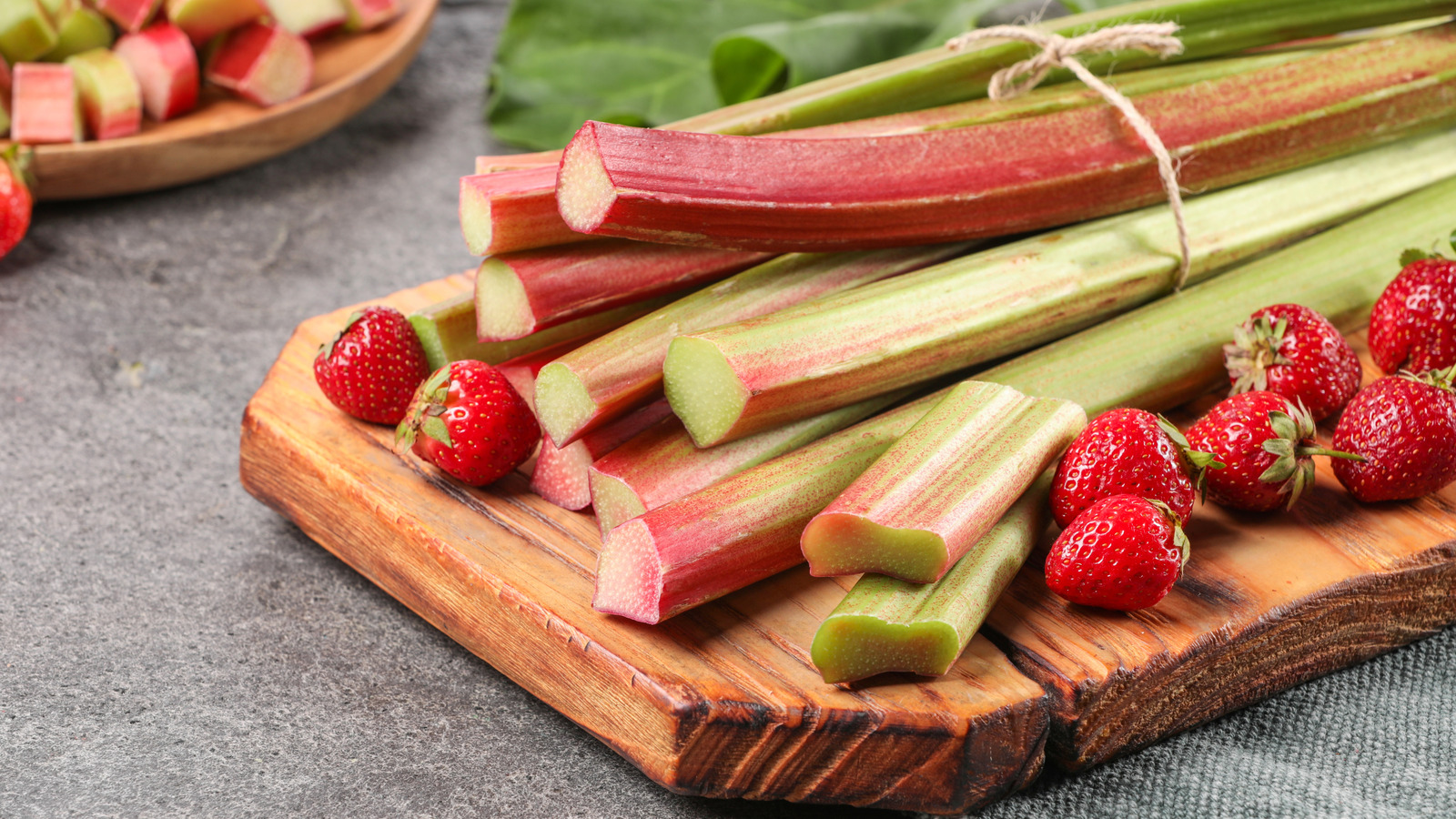
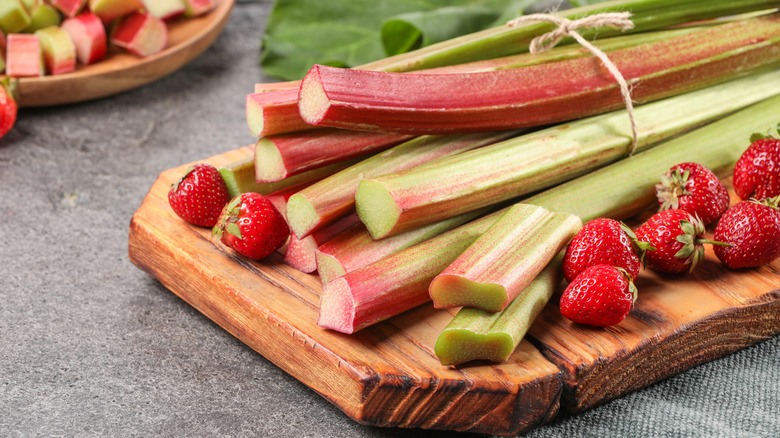
A common observation during the Southern rhubarb harvest is that the stalks may not achieve the intense, deep red color often associated with premium rhubarb varieties grown in cooler climates. However, it is important to note that the color of rhubarb does not impact its safety for consumption. Green rhubarb is perfectly edible, and importantly, there is no significant difference in taste between red and green varieties. Both can be equally utilized in classic dishes such as strawberry rhubarb crisp or pie, offering the signature sweet and tart flavor profile that makes rhubarb a beloved ingredient in many cuisines.
The history of rhubarb as a foodstuff is relatively recent compared to its long-standing medicinal uses. Originally valued for its purgative properties in traditional Chinese medicine, its culinary application began to gain traction in Europe centuries later. The shift from medicinal herb to dessert ingredient reflects a broader culinary evolution, where the tartness of rhubarb was discovered to be a delightful counterpoint to sweetness, particularly when paired with fruits like strawberries.
Economic and Agricultural Implications
The ability to successfully cultivate rhubarb in regions not traditionally suited for its growth carries several implications. For local farmers, it opens up possibilities for diversifying crop yields and catering to a growing demand for locally sourced produce. While the yields might not match those of established rhubarb-growing regions, the ability to produce a viable crop can contribute to the economic viability of smaller farms and specialty producers.
Furthermore, the increasing interest in home gardening and sustainable food practices means that more individuals are experimenting with growing a wider variety of produce, even in challenging climates. The success stories of Southern gardeners cultivating rhubarb contribute to a broader understanding of agricultural adaptability and the potential for innovation in food production. This can lead to the development of new cultivation techniques and potentially even the breeding of rhubarb varieties better suited to warmer climates.
The data on rhubarb production in the United States shows a concentration in states like Washington, Oregon, and Ohio, which have climates conducive to its growth. However, the rise of urban farming, vertical farming, and advanced horticultural techniques is beginning to challenge these traditional geographical limitations. While large-scale commercial production of rhubarb in the Deep South may remain economically challenging due to the intensive management required, the ability for home gardeners and small-scale producers to achieve successful harvests is a significant development.
The implications of this adaptability extend to food security and regional culinary traditions. As climate patterns shift globally, understanding how to grow crops outside their native environments becomes increasingly important. The lessons learned from cultivating rhubarb in the South can be applied to other crops facing similar challenges, fostering a more resilient and diverse agricultural landscape.
Expert Insights and Culinary Perspectives
Horticulturists and agricultural extension agents in Southern states often field questions about growing challenging crops. Dr. Eleanor Vance, a retired horticulturalist specializing in temperate climate crops in Georgia, noted in a 2021 interview with a regional agricultural journal, "Rhubarb’s primary enemy in the South is heat. The plant requires a period of dormancy, which it struggles to achieve when temperatures remain high for extended periods. However, with careful management, particularly focusing on overwintering and providing shade during the hottest months, it is possible to achieve a respectable harvest."
Culinary professionals also recognize the difference that climate can make. Chef Antoine Dubois, known for his farm-to-table approach at a restaurant in Charleston, South Carolina, has experimented with locally grown rhubarb. "When we source rhubarb from a local grower who understands its needs, it’s a different experience," Dubois stated. "It still has that characteristic tartness, but it feels more balanced, less harsh than what you might get from a less-than-ideal growing situation. We often pair it with other Southern summer fruits like peaches or blueberries to complement its flavor."
The educational aspect of growing rhubarb in the South is also significant. It teaches gardeners about the intricate relationship between plant physiology and environmental conditions. Understanding why a plant thrives or struggles in a particular climate provides valuable insights into the broader principles of agriculture and ecology. The success of growing rhubarb in the South, therefore, is not just about producing a culinary ingredient; it’s about fostering a deeper connection with the land and a greater appreciation for the science of cultivation.
The journey of rhubarb from its icy origins to the dinner tables of the American South is a testament to human ingenuity and the adaptability of nature. While the challenges are real, the rewards of a homegrown rhubarb harvest, even in warmer climes, offer a unique and satisfying culinary experience, proving that with the right knowledge and care, even the most climate-sensitive plants can find a place to flourish. The ongoing exploration of agricultural techniques continues to push the boundaries of what is possible, making a wider array of fresh, flavorful ingredients accessible to communities across diverse geographical landscapes.
